

Paper
Paul Salem
{
  "authors": [
    "Paul Salem"
  ],
  "type": "other",
  "centerAffiliationAll": "dc",
  "centers": [
    "Carnegie Endowment for International Peace",
    "Malcolm H. Kerr Carnegie Middle East Center"
  ],
  "collections": [],
  "englishNewsletterAll": "menaTransitions",
  "nonEnglishNewsletterAll": "",
  "primaryCenter": "Malcolm H. Kerr Carnegie Middle East Center",
  "programAffiliation": "MEP",
  "programs": [
    "Middle East"
  ],
  "projects": [],
  "regions": [
    "Levant",
    "Syria",
    "Middle East",
    "Israel"
  ],
  "topics": [
    "Political Reform",
    "Foreign Policy"
  ]
}
Source: Getty
An Israeli–Syrian peace deal is a real possibility and would have a positive effect on the Middle East and U.S. interests there. But the two sides will not reach an agreement without U.S. leadership. The incoming administration should use a balance of pressure, incentives, and robust diplomacy to make the agreement a reality.
An Israeli–Syrian peace deal is a real possibility and would have a positive effect on the Middle East and U.S. interests there. But the two sides will not reach an agreement without U.S. leadership. The incoming administration should use a balance of pressure, incentives, and robust diplomacy to make the agreement a reality, concludes a new paper by the director of the Carnegie Middle East Center.
Paul Salem argues that President-elect Barack Obama should continue the Bush administration’s policy of pressuring Syria to keep out of Lebanon and Iraq, which has helped push Syria towards a peace agreement. But the new administration must pursue a more balanced approach with strong diplomacy to reach a land-for-peace deal over the occupied Golan Heights.
Key Conclusions:
Salem concludes:
“The issues between Israel and Syria are complex, and the challenge of shifting Syria’s strategic posture is even more demanding. Turkish prime minister Recep Tayyip Erdogan has done an excellent job so far. But it will take a fully empowered U.S. secretary of state or presidential envoy—and, eventually, direct presidential engagement—to achieve a breakthrough on the Syrian–Israeli track.”
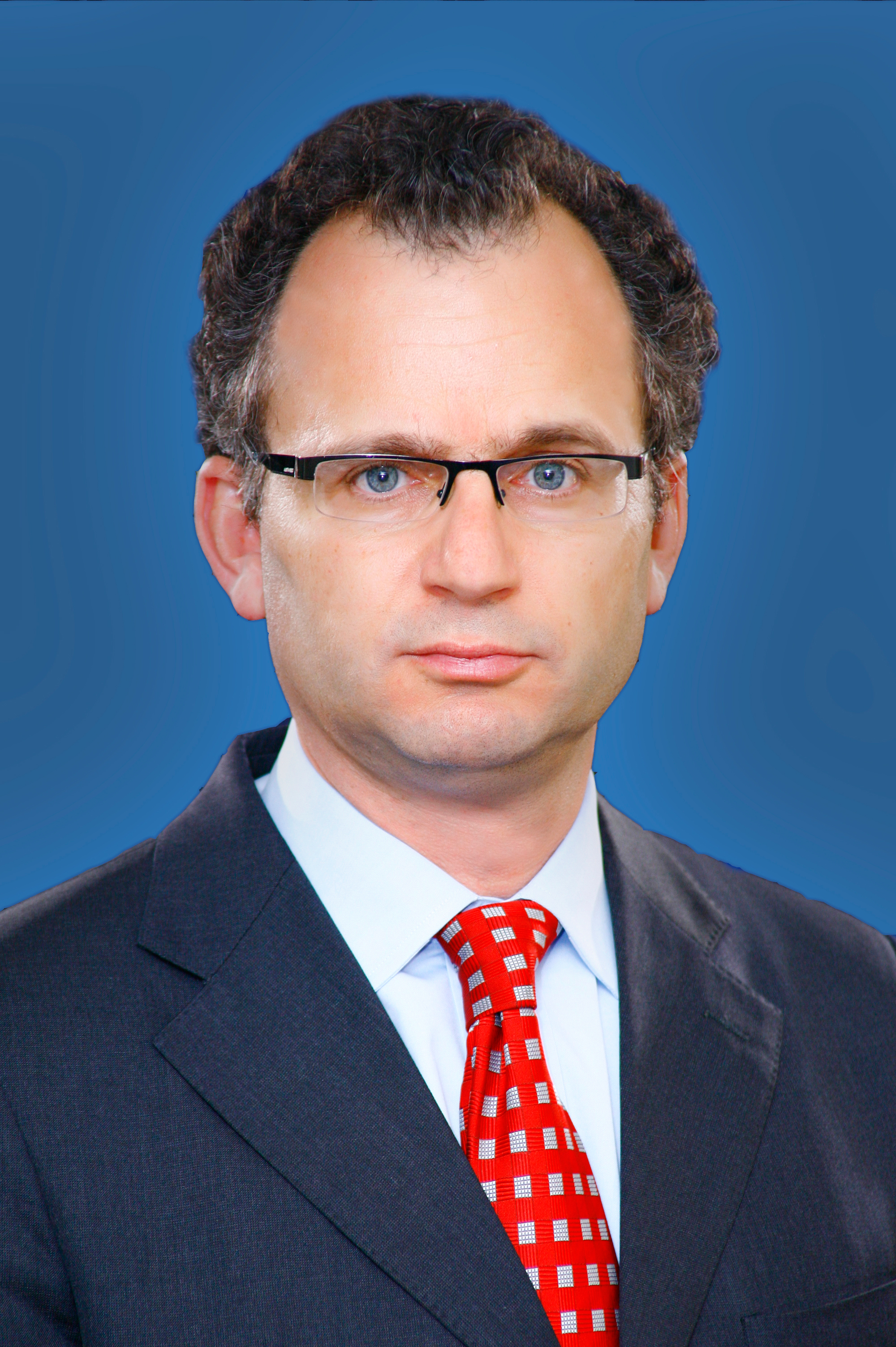
Senior Fellow at the Middle East Institute
Paul Salem is a senior fellow at the Middle East Institute.
Recent Work
Paul Salem
Paul Salem
Carnegie India does not take institutional positions on public policy issues; the views represented herein are those of the author(s) and do not necessarily reflect the views of Carnegie, its staff, or its trustees.

After the chill in ties between 2020 and 2024 that brought India–China relations to their lowest point in several decades, the two countries have engaged each other afresh. This paper argues that there are predominantly four imperatives guiding India’s approach to China, and they exist in an order of priority.

Saheb Singh Chadha

This piece argues that India’s central challenge is not managing a single flashpoint but resolving the underlying tension between expansion and institutional coherency of the BRICS grouping.

Vrinda Sahai

A partnership between India, a country of subcontinental size, and Africa, a continent of fifty-four countries, may seem asymmetric until one notes that both are home to nearly the same number of people—1.4 billion. This essay spells out the existing challenges to the partnership, its optimal potential, and the possible pathways to realize it over the next quarter-century.

Rajiv Bhatia

The India–EU Free Trade Agreement (FTA) is shaping up to be one of the most consequential trade negotiations, both economically and strategically. But, what’s in the agreement, what’s missing, and what will determine its success in the years ahead
Vrinda Sahai, Nicolas Köhler-Suzuki

Trump 2.0 has unsettled India’s external environment—but has not overturned its foreign policy strategy, which continues to rely on diversification, hedging, and calibrated partnerships across a fractured order.



Milan Vaishnav, ed., Sameer Lalwani, Tanvi Madan, …