

Article
Pierre Goldschmidt
{
  "authors": [
    "Pierre Goldschmidt"
  ],
  "type": "legacyinthemedia",
  "centerAffiliationAll": "dc",
  "centers": [
    "Carnegie Endowment for International Peace"
  ],
  "collections": [
    "Korean Peninsula"
  ],
  "englishNewsletterAll": "ctw",
  "nonEnglishNewsletterAll": "",
  "primaryCenter": "Carnegie Endowment for International Peace",
  "programAffiliation": "NPP",
  "programs": [
    "Nuclear Policy"
  ],
  "projects": [],
  "regions": [
    "Middle East",
    "Iran",
    "East Asia",
    "North Korea"
  ],
  "topics": [
    "Nuclear Policy",
    "Nuclear Energy"
  ]
}
Source: Getty
The nuclear non-proliferation regime, so vital to maintaining international peace and security, is under increasing threat, particularly from countries that deliberately violate their non-proliferation obligations. Clarifying the technical and statutory basis by which the IAEA exposes non-compliance is one immediate way the non-proliferation regime can be strengthened.
Source: Survival: Global Politics and Strategy


Former Nonresident Senior Associate, Nuclear Policy Program
Goldschmidt was a nonresident senior associate at the Carnegie Endowment.
Recent Work
Pierre Goldschmidt
Pierre Goldschmidt
Carnegie India does not take institutional positions on public policy issues; the views represented herein are those of the author(s) and do not necessarily reflect the views of Carnegie, its staff, or its trustees.

An Israeli response to Iran’s October 1 attack is imminent. The key question is of its intensity and potential fallout, both within Iran, in terms of nuclear security policy changes, and across the broader region. The coming days are likely to reshape West Asia irreversibly.

Gaddam Dharmendra

This piece examines the strategic implications of Bhutan’s diplomatic efforts amid its border dispute with China, highlighting the thin ice it walks on to achieve a resolution without compromising its vital relationships.

Shibani Mehta
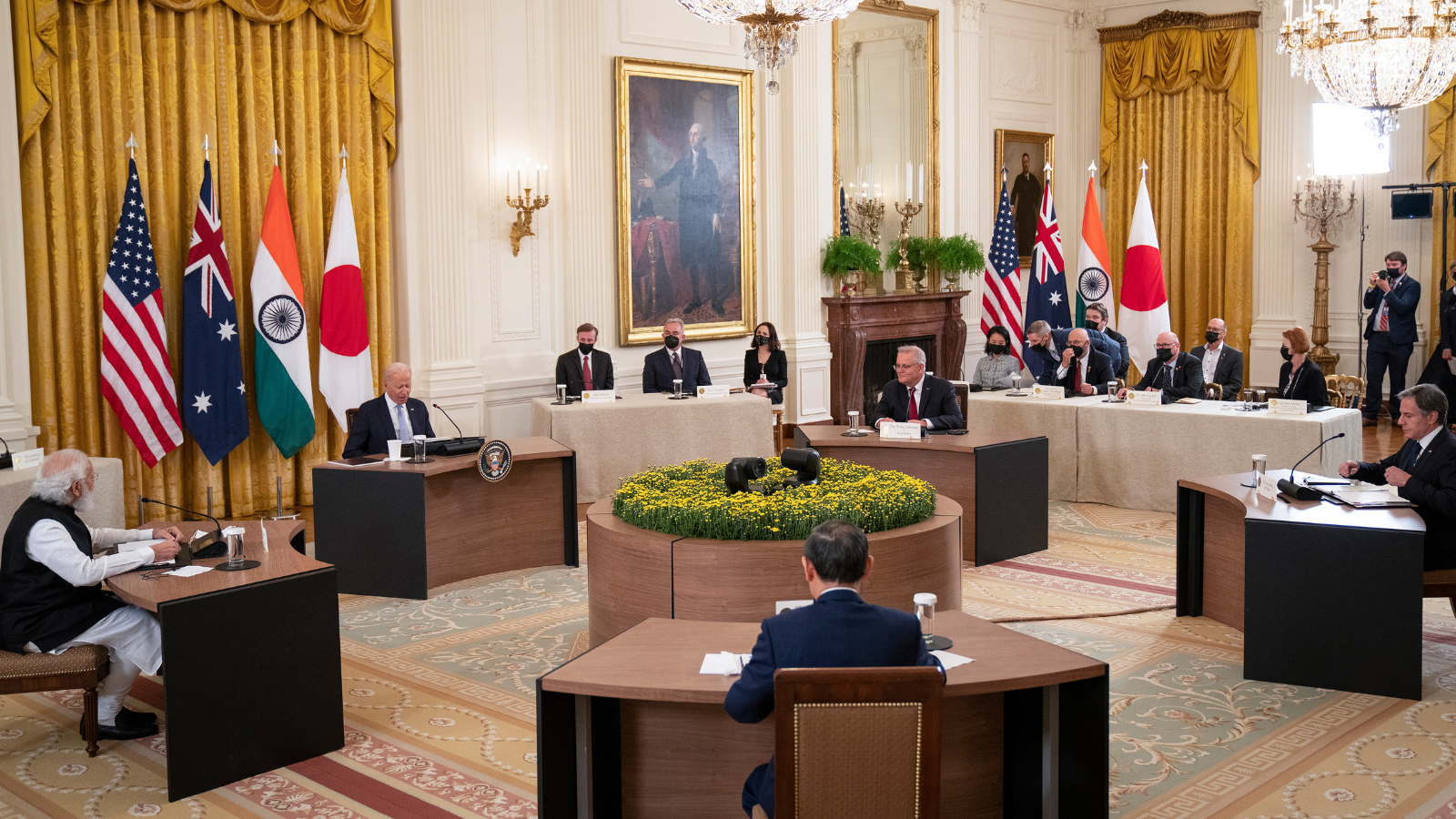
With India set to host the sixth Quad Leaders' Summit in 2024, there is every opportunity for this minilateral to not only develop a DPI initiative but also execute pilots in the Indo-Pacific. This essay shares a rationale for how the four Quad countries could achieve this goal.


Rudra Chaudhuri, Aadya Gupta

How can India navigate export control measures at a time when it is also entering into technology-centric partnerships with other nations to secure enhanced access to advanced technology?

Konark Bhandari
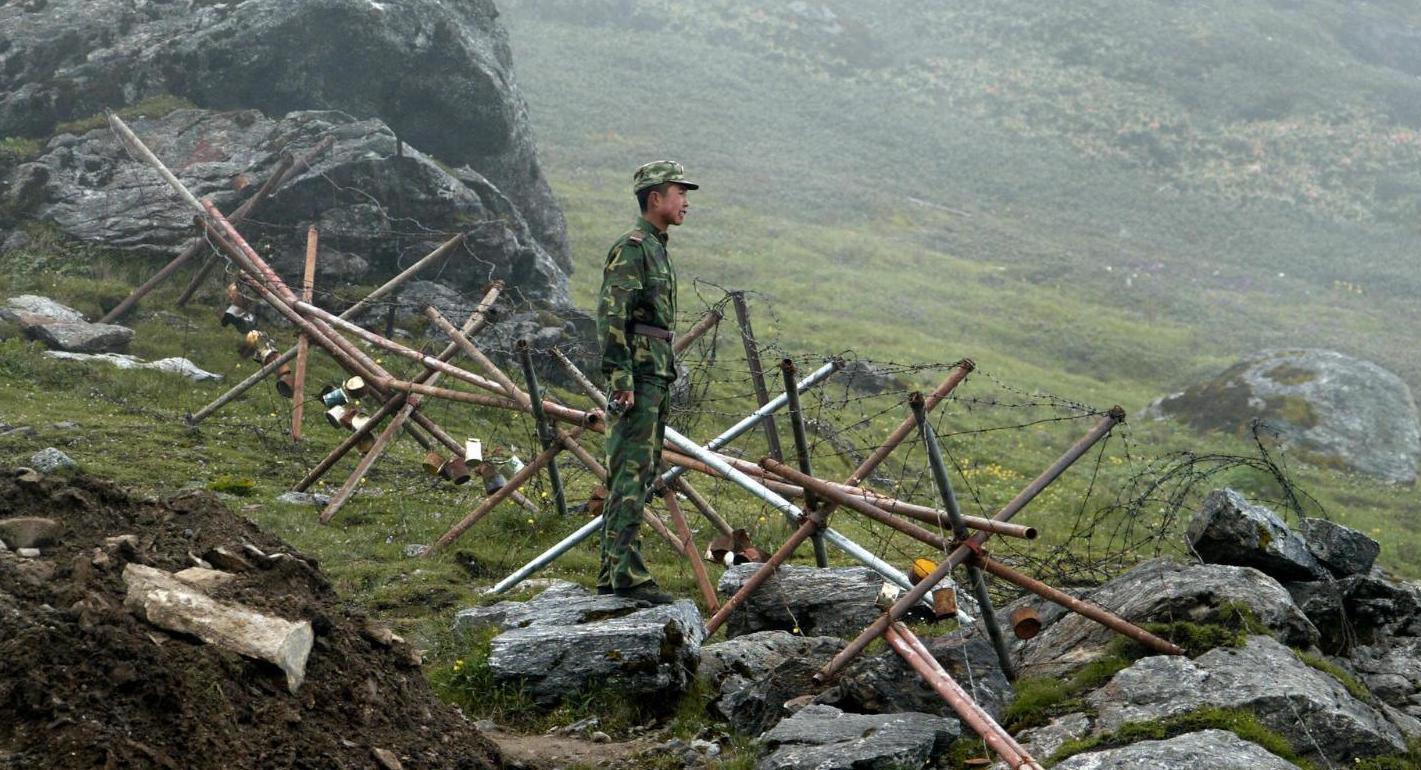
This article examines the significance of the 2013, 2014, and 2015 border standoffs between India and China. It presents a detailed account of the border crises and how the two countries tried to manage them.
Shibani Mehta