

In The Media
Minxin Pei
{
  "authors": [
    "Minxin Pei"
  ],
  "type": "legacyinthemedia",
  "centerAffiliationAll": "dc",
  "centers": [
    "Carnegie Endowment for International Peace"
  ],
  "collections": [],
  "englishNewsletterAll": "asia",
  "nonEnglishNewsletterAll": "",
  "primaryCenter": "Carnegie Endowment for International Peace",
  "programAffiliation": "AP",
  "programs": [
    "Asia"
  ],
  "projects": [],
  "regions": [
    "East Asia",
    "China"
  ],
  "topics": [
    "Political Reform",
    "Democracy",
    "Security",
    "Military"
  ]
}
Source: Getty
Without immediate policy adjustments, ethnic tensions could intensify, distracting China’s leadership from economic growth and tarnishing the country’s international image.
Source: Financial Times

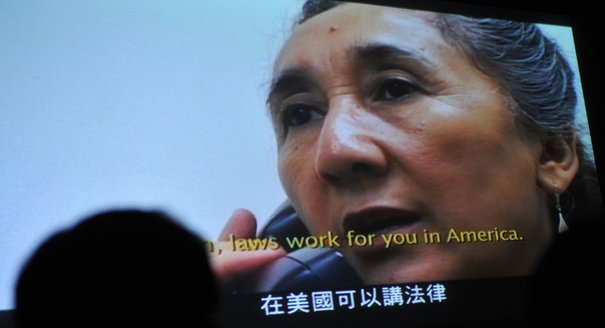
On the surface, Sunday’s clash erupted after a protest rally organised by the Uighurs turned into a violent riot and rampage. But underneath the rage is a combination of historical animosity, a clash of ethnic identities, cultural prejudices, and Uighur resentment at political domination and economic exploitation. As the largest ethnic group in the region, the Uighurs – who briefly established the self-governing First East Turkestan Republic in 1933 – have chafed under Chinese rule since the region was formally incorporated into China in the mid-18th century. In recent years, relations between Han Chinese and the Uighurs have deteriorated further. On the one hand, in the eyes of many Uighurs, the Han Chinese control the most important positions in the government; encourage Chinese migration that threatens the status of the Uighurs as the dominant ethnic group in Xinjiang; reap the bulk of the benefits from the region’s rich energy resources; and show little respect for the Uighurs’ cultural and religious traditions. On the other hand, the Han Chinese view the Uighurs as harbouring separatist aspirations and being disloyal and ungrateful, in spite of preferential policies for ethnic minority groups. Occasional terrorist incidents blamed on Uighur extremists have stoked anger among ordinary Han Chinese against the Uighurs – and given Beijing an excuse to maintain its tough stance against ethnic separatism.
As with its Tibet policy, Beijing’s hardline approach to the Uighurs enjoys broad public support among the Han Chinese, who make up 92 per cent of China’s population. But, as Sunday’s incident shows, toughness does not always pay. Legitimate grievances felt by ethnic minorities can only be resolved through political reconciliation and compromise. The experience of other countries shows that repressive measures might work for a short time but often deepen ethnic divides, fuel radicalism and trigger violent rebellions.
So the Uighur problem poses two difficult challenges for Beijing. In the immediate aftermath of this week’s riots, the Chinese government faces the task of giving a credible account of the events and providing details on the victims. Encouragingly, Beijing has allowed foreign journalists to visit Urumqi. Further transparency in the investigation of the riot will be needed to burnish China’s international credibility.
The Chinese government must also tone down its official rhetoric, as it can be interpreted by the Han Chinese as encouraging retribution against Uighurs. Otherwise, Beijing could paint itself into a corner: Chinese public opinion, influenced by official rhetoric vilifying Uighurs, may force the government to take unnecessarily tough measures that are, in the end, self-defeating.
Most importantly, Beijing needs to exercise extraordinary care in deciding what to do with roughly 1,400 suspects arrested in connection with the riot. Investigations must have the greatest possible transparency and probity. The punishment of those found guilty must be measured and justified. Unless such care is taken, Beijing risks sowing lasting seeds of ethnic hatred among the Uighurs.
The long-term challenge for Beijing is to question the core assumptions of its current policies toward both Xinjiang and Tibet and adopt a different strategy. Such a shift will be hard. Ethnic conflict is perhaps the most intractable problem, even for democracies. For one-party states, it is almost insoluble. But with so much at stake, Beijing has no choice but to search for a political approach that will give China’s ethnic minorities, particularly Uighurs and Tibetans, genuine autonomy under Chinese rule.
Former Adjunct Senior Associate, Asia Program
Pei is Tom and Margot Pritzker ‘72 Professor of Government and the director of the Keck Center for International and Strategic Studies at Claremont McKenna College.
Recent Work
Minxin Pei
Minxin Pei

In any defense establishment, change is an ongoing process. However, despite the best of intentions, existing bureaucracies, bound by habit and years of socialization, have their limits in implementing transformative change.

Anit Mukherjee

After the chill in ties between 2020 and 2024 that brought India–China relations to their lowest point in several decades, the two countries have engaged each other afresh. This paper argues that there are predominantly four imperatives guiding India’s approach to China, and they exist in an order of priority.

Saheb Singh Chadha

This piece argues that India’s central challenge is not managing a single flashpoint but resolving the underlying tension between expansion and institutional coherency of the BRICS grouping.

Vrinda Sahai
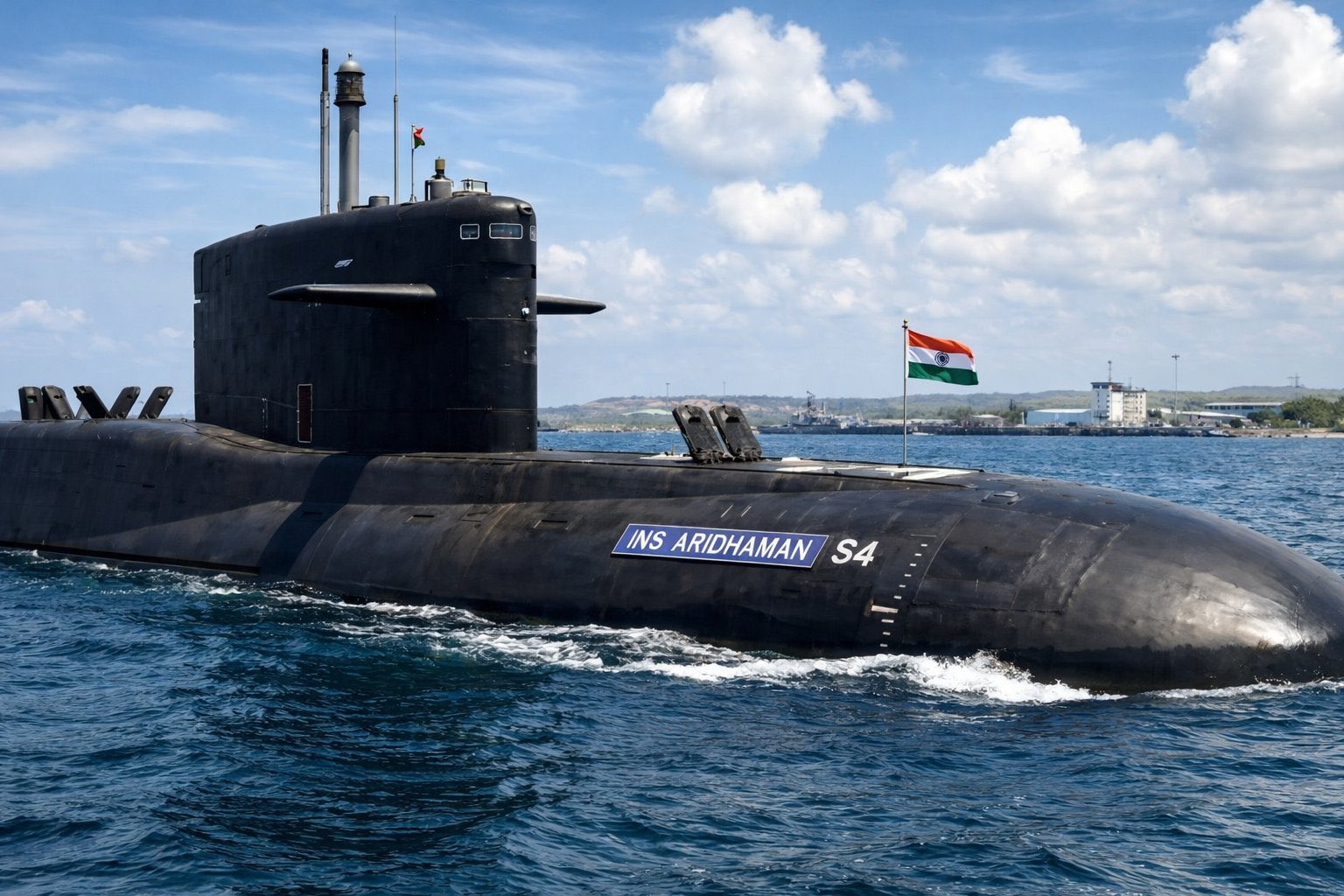
The induction of INS Aridhaman, which features several technological enhancements, now gives India the third nuclear ballistic missile submarine to ensure continuous at-sea deterrent.

Dinakar Peri

This piece argues that the present Indian strategy, based on opportunistic diversification and utilization of limited strategic reserves, remains inadequate when confronting supply disruptions. It evaluates India’s options in the short, medium, and long terms.
Vrinda Sahai