

In The Media
Michele Dunne, Robert Kagan
{
  "authors": [
    "Robert Kagan"
  ],
  "type": "legacyinthemedia",
  "centerAffiliationAll": "",
  "centers": [
    "Carnegie Endowment for International Peace"
  ],
  "collections": [],
  "englishNewsletterAll": "",
  "nonEnglishNewsletterAll": "",
  "primaryCenter": "Carnegie Endowment for International Peace",
  "programAffiliation": "",
  "programs": [],
  "projects": [],
  "regions": [
    "North America",
    "United States"
  ],
  "topics": [
    "Foreign Policy",
    "Nuclear Policy"
  ]
}
Source: Getty
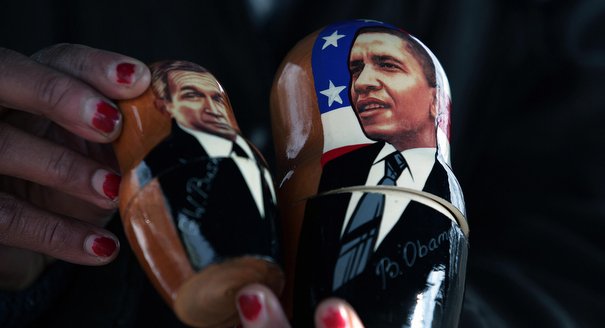
While some have taken to calling President Obama a realist, his goal of global nuclear disarmament is nothing if not idealistic.
Source: Foreign Policy

"Everybody always breaks it down between idealist and realist," Emanuel said. "If you had to put him in a category, he's probably more realpolitik, like Bush 41 ... He knows that personal relationships are important, but you've got to be cold-blooded about the self-interests of your nation."
This of course reflects Obama's own praise for George H.W. Bush's foreign policy going back to the presidential campaign.
We asked a panel of U.S. foreign-policy experts for their reactions to Emanuel's comments: So, is Obama a cold-blooded realist? Is George H.W. Bush's presidency a fair comparison? What is the best way to describe Obama's foreign policy?
Robert Kagan: I will leave it to the self-described realists to explain in greater detail the origins and meaning of "realism" and "realpolitik" to our confused journalists and politicos. But here is what realism is not: It is not a plan to rid the world of nuclear weapons through common agreement by all the world's powers. And it is not a foreign policy built on the premise that if only the United States reduces its nuclear arsenal, this will somehow persuade Iran to abandon its nuclear program, or persuade China and other reluctant nations in the world to redouble their pressure on Iran to do so. That is idealism of a high order. It is a 21st-century Wilsonian vision. And it is precisely the kind of idealism that realists in the middle of the 20th century rose up to challenge. Realists would point out that the divergent interests of the great powers, not to mention those of Iran, will not be affected in the slightest by marginal cuts in American and Russian nuclear forces.
The confusion no doubt stems from the fact that President Obama is attempting to work with autocratic governments to achieve his ends. But that does not make him Henry Kissinger. When Kissinger pursued diplomacy with China, it was to gain strategic leverage over the Soviet Union. When he sought détente with the Soviets, it was to gain breathing space for the United States after Vietnam. Right or wrong, that was "realpolitik." Global nuclear disarmament may or may not be a worthy goal, but it is nothing if not idealistic.

Former Senior Associate
Kagan, author of the recent book, The Return of History and the End of Dreams (Knopf 2008), writes a monthly column on world affairs for the Washington Post and is a contributing editor at both the Weekly Standard and the New Republic.
Recent Work

Michele Dunne, Robert Kagan
Robert Kagan, Michele Dunne
Carnegie India does not take institutional positions on public policy issues; the views represented herein are those of the author(s) and do not necessarily reflect the views of Carnegie, its staff, or its trustees.
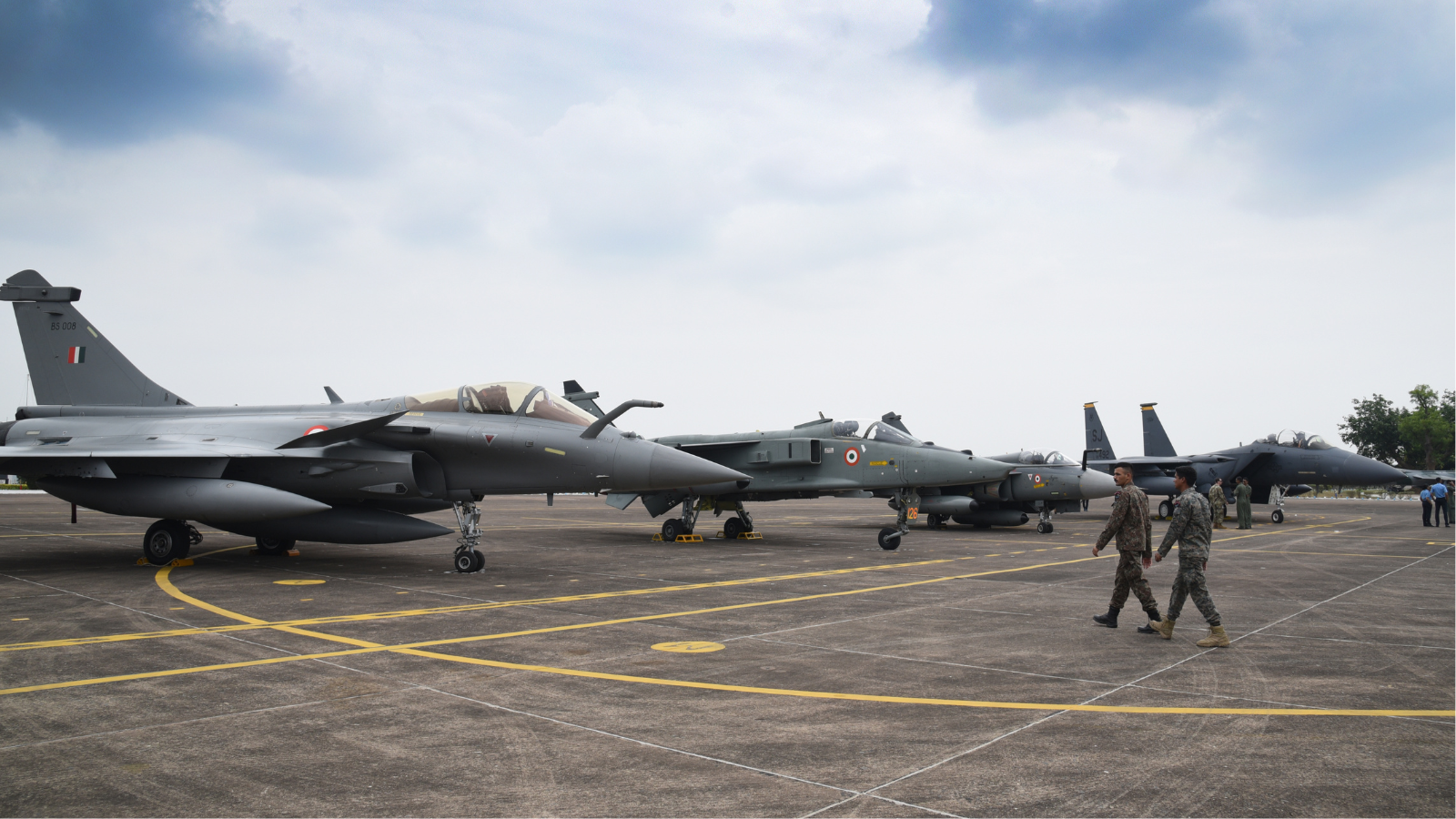
India and the United States are close to concluding a Reciprocal Defense Procurement Agreement (RDPA) that will allow firms from the two countries to sell to each other’s defense establishments more easily. While this may not remedy the specific grievances both sides may have regarding larger bilateral issues, an RDPA could restore some momentum, following the trade deal announcement.

Konark Bhandari

On the last day of the India AI Impact Summit, India signed Pax Silica, a U.S.-led declaration seemingly focused on semiconductors. While India’s accession to the same was not entirely unforeseen, becoming a signatory nation this quickly was not on the cards either.
Konark Bhandari

This piece examines India’s response to U.S. sanctions and tariffs, specifically assessing the immediate market consequences, such as alterations in import costs, and the broader strategic implications for India’s energy security and foreign policy orientation.

Vrinda Sahai
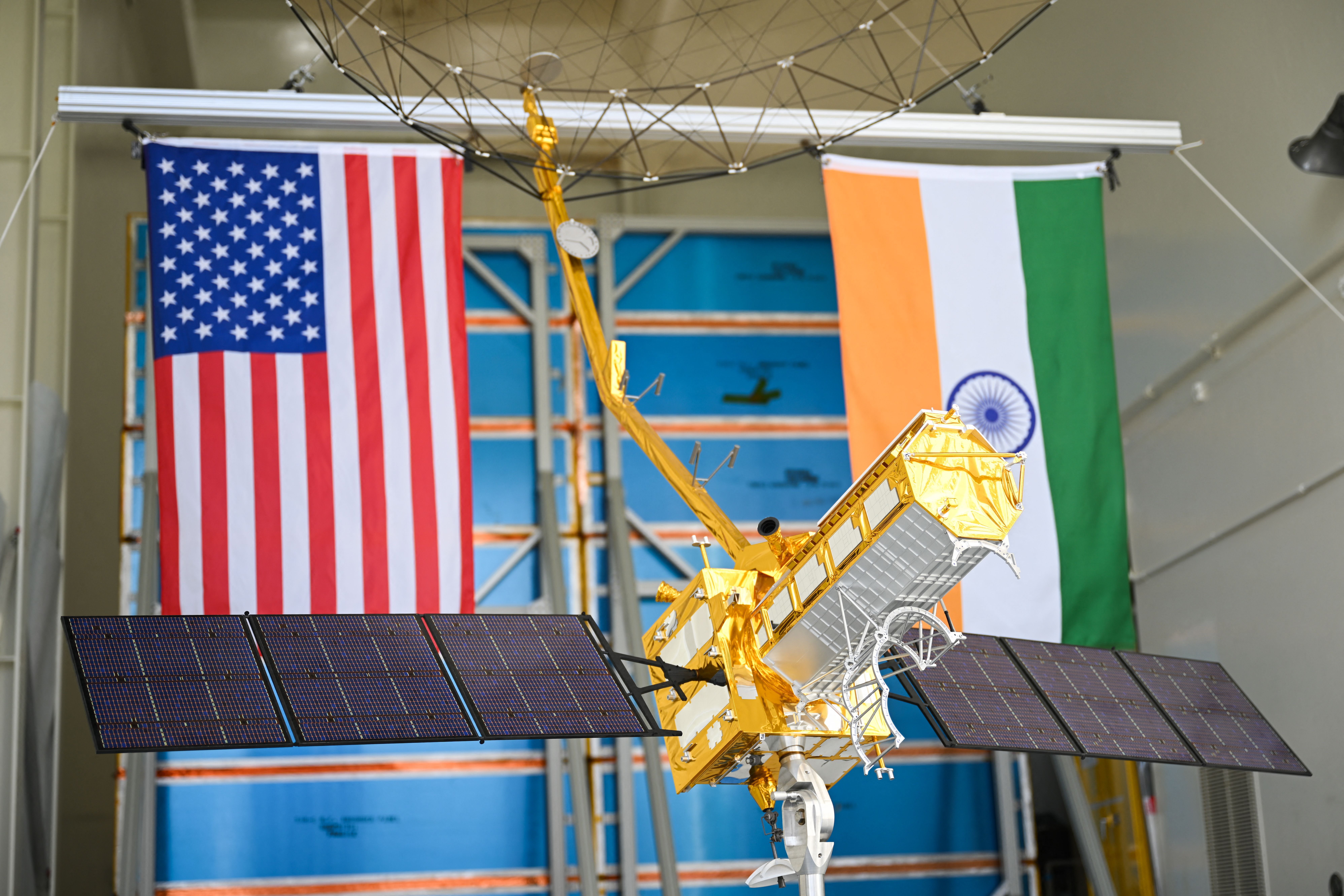
On July 30, 2025, the United States announced 25 percent tariffs on Indian goods. While diplomatic tensions simmered on the trade front, a cosmic calm prevailed at the Sriharikota launch range. Officials from NASA and ISRO were preparing to launch an engineering marvel into space—the NASA-ISRO Synthetic Aperture Radar (NISAR), marking a significant milestone in the India-U.S. bilateral partnership.

Tejas Bharadwaj
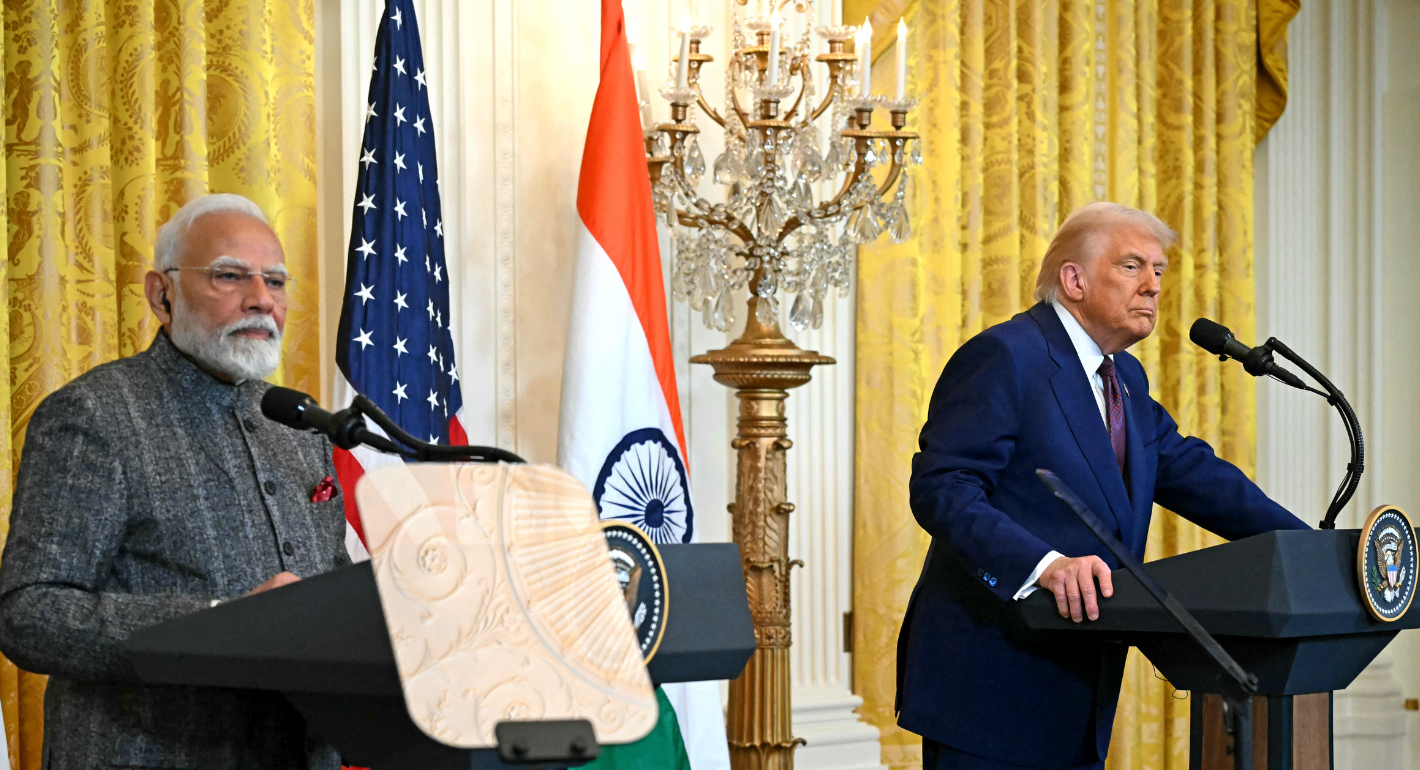
The India-U.S. relationship currently appears buffeted between three “Ts”—TRUST, Tariffs, and Trump.
Arun K. Singh