• Research
  • About
  • Experts
Carnegie India logoCarnegie lettermark logo
{
  "authors": [
    "Henri J. Barkey"
  ],
  "type": "other",
  "centerAffiliationAll": "dc",
  "centers": [
    "Carnegie Endowment for International Peace",
    "Carnegie Europe",
    "Malcolm H. Kerr Carnegie Middle East Center"
  ],
  "collections": [
    "Turkey’s Transformation"
  ],
  "englishNewsletterAll": "menaTransitions",
  "nonEnglishNewsletterAll": "",
  "primaryCenter": "Carnegie Endowment for International Peace",
  "programAffiliation": "MEP",
  "programs": [
    "Middle East"
  ],
  "projects": [],
  "regions": [
    "Middle East",
    "Türkiye",
    "Iraq",
    "Gulf",
    "Europe"
  ],
  "topics": [
    "Political Reform"
  ]
}

Source: Getty

Other

Turkey's New Engagement in Iraq: Embracing Iraqi Kurdistan

The Turkish government’s 2009 initiative toward its Kurdish minority was both a major development in the long saga of Turkey’s relations with its Kurds and a testament to the distance the Turkish government has traveled in its policy toward Iraq.

Link Copied
By Henri J. Barkey
Published on May 10, 2010

Source: USIP Special Report 237

In August 2009, the Turkish government announced that it would undertake a major opening toward Turkey’s Kurdish minority. This momentous initiative by the ruling Justice and Development Party (AKP) could not have been conceived of without recent changes in Iraq, the transformation of the AKP’s own policy toward northern Iraq and the Kurdistan Regional Government (KRG), and the decision by the Obama administration to remove U.S. troops from Iraq. In addition to being a major development in the long saga of Turkey’s relations with its sizeable Kurdish minority, this initiative, known as the “democratic opening,” is also a testament to the distance the Turkish government has traveled in its policy toward Iraq.

Until recently, Turkey primarily viewed Iraq through the lens of its own Kurdish question. Kurdish autonomy in Iraq’s north represented a particular—some said an existential— challenge to Turkey. Indeed, Turkish Kurds had increasingly begun to articulate nationalist demands and the Turkish-based Kurdistan Workers’ Party (PKK) insurgents had ensconced themselves in northern Iraq’s uncontrolled areas.1 Ankara had been vociferously opposed to the Kurdish enclave in northern Iraq, an outcome of the 1991 Gulf War. In the aftermath of the 2003 U.S. invasion of Iraq, Turkey found itself in the unenviable situation of contending with a transformed Iraq that legitimized the Kurds’ claims in the north through the establishment of a federal Iraqi state. Short of the independence of northern Iraq, this outcome was long thought by Turks to be the worst possible outcome for Turkey.
 
Seven years after the invasion, Turkey, which had spearheaded opposition to the KRG, is implementing a 180-degree turn in its policy. It is developing close economic and political ties with the KRG, and the two are collaborating on a gamut of issues, including efforts to pacify the PKK. Ankara has done away with its alarming and highly charged discourse on Iraqi Kurds. Remarkably, Ankara has even opened a consulate in Erbil, the KRG capital. In the process, Turkey has also emerged as a far more influential actor in Iraq. Although not as influential as Iran, Ankara is certainly giving Tehran a run for its money.
 
At the heart of these changes lay a confluence of developments, including the articulation by the AKP of a new regional strategic approach and the Turkish military’s realization that after twenty-five years of fighting, a strategy solely dependent on violence is unlikely to subdue the PKK or resolve Turkey’s Kurdish question. It is not surprising that Iraq’s neighbors would adapt their approach to Iraq over time. Iraq and its problems pose very difficult challenges for neighboring countries, which have to develop policy options toward Iraq and the region under conditions of great uncertainty. Not only must Iraq’s neighbors take Washington’s intentions into account, but they must also worry about future developments in Iraq, a state that has yet to prove that it is stable and robust. Yet, no neighbor has so dramatically transformed its approach to Iraq as Turkey has. This transformation was the product of realpolitik and a hard look at what the U.S. withdrawal from Iraq will mean for Turkey in the long run.
 

About the Author

Henri J. Barkey

Former Visiting Scholar, Middle East Program

Barkey served as a member of the U.S. State Department Policy Planning Staff, working primarily on issues related to the Middle East, the Eastern Mediterranean, and intelligence from 1998 to 2000.

    Recent Work

  • Article
    Winners and Losers in Turkey’s Election

      Henri J. Barkey

  • Article
    The Road to Turkey’s June Elections: Crises, Strategies, and Outcomes

      Henri J. Barkey

Henri J. Barkey
Former Visiting Scholar, Middle East Program
Henri J. Barkey
Political ReformMiddle EastTürkiyeIraqGulfEurope

Carnegie India does not take institutional positions on public policy issues; the views represented herein are those of the author(s) and do not necessarily reflect the views of Carnegie, its staff, or its trustees.
More Work from Carnegie India

  • Article
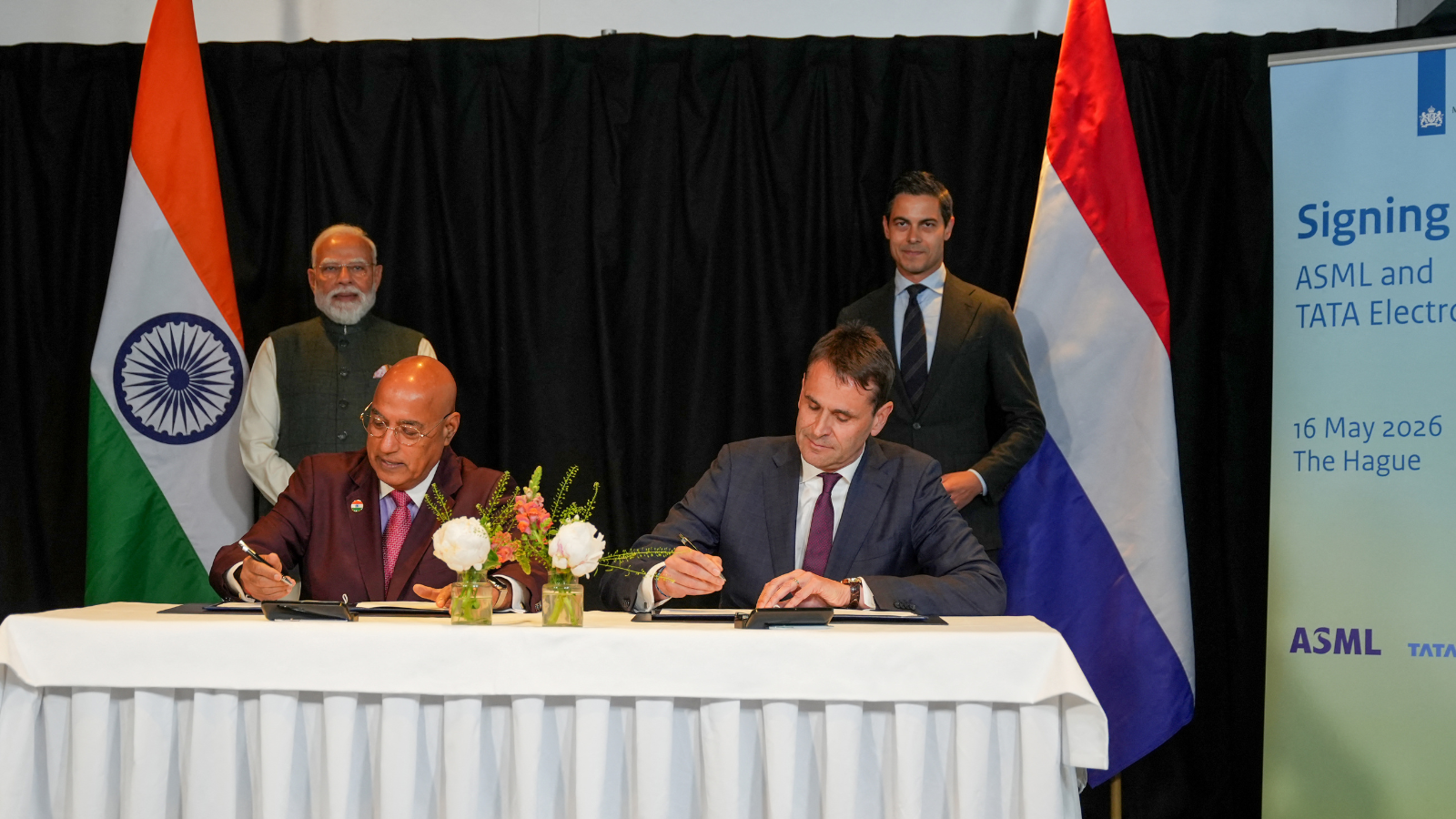
    Can Geopolitical Alignment Seal the India-EU FTA?

    This article argues that the geopolitical circumstances have never been more conducive, not merely for the early conclusion of the free trade agreement (FTA) between India and the EU, but also for crafting a substantive and comprehensive strategic partnership.
      Mohan Kumar
  • Article
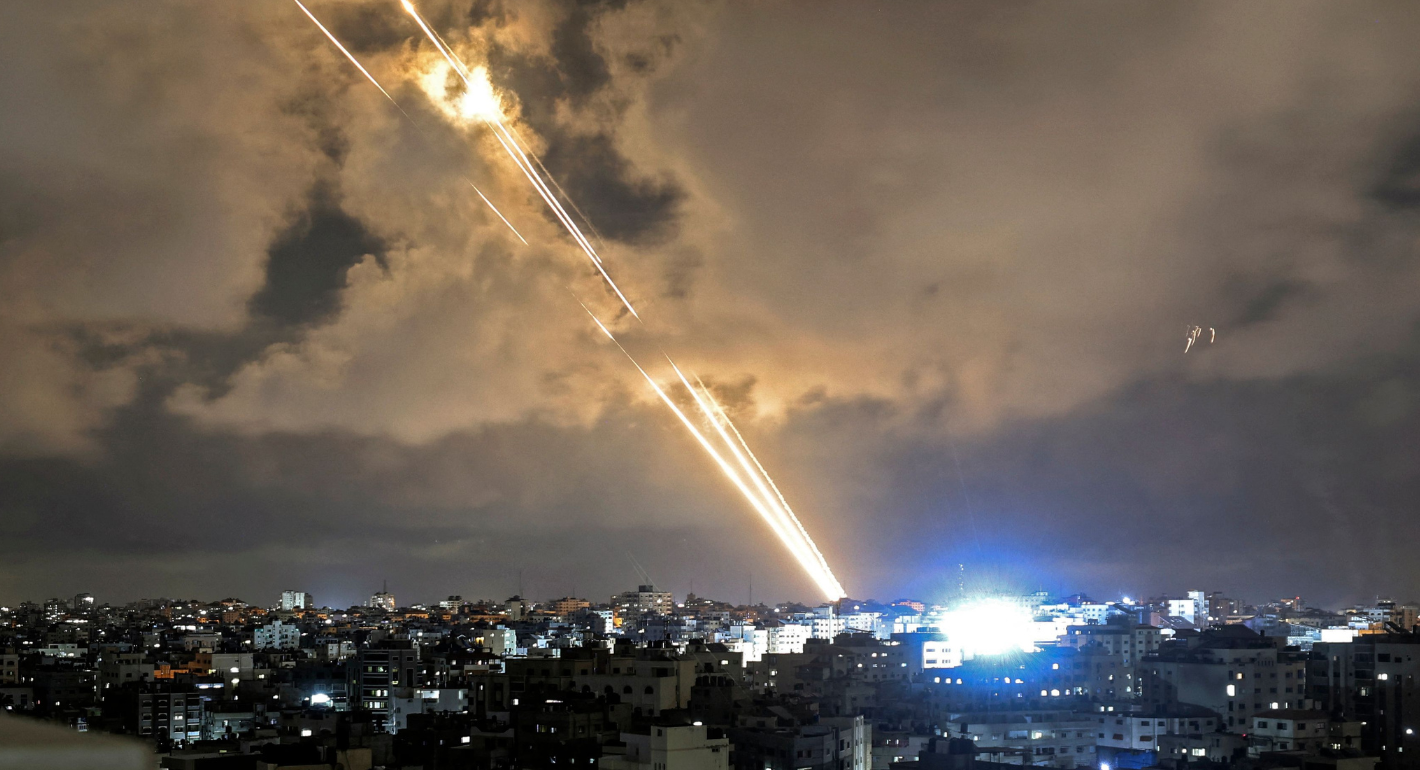
    Risk and Retaliation: Israel, Iran, and the Evolving Situation in West Asia

    An Israeli response to Iran’s October 1 attack is imminent. The key question is of its intensity and potential fallout, both within Iran, in terms of nuclear security policy changes, and across the broader region. The coming days are likely to reshape West Asia irreversibly.
      Gaddam Dharmendra
  • Commentary
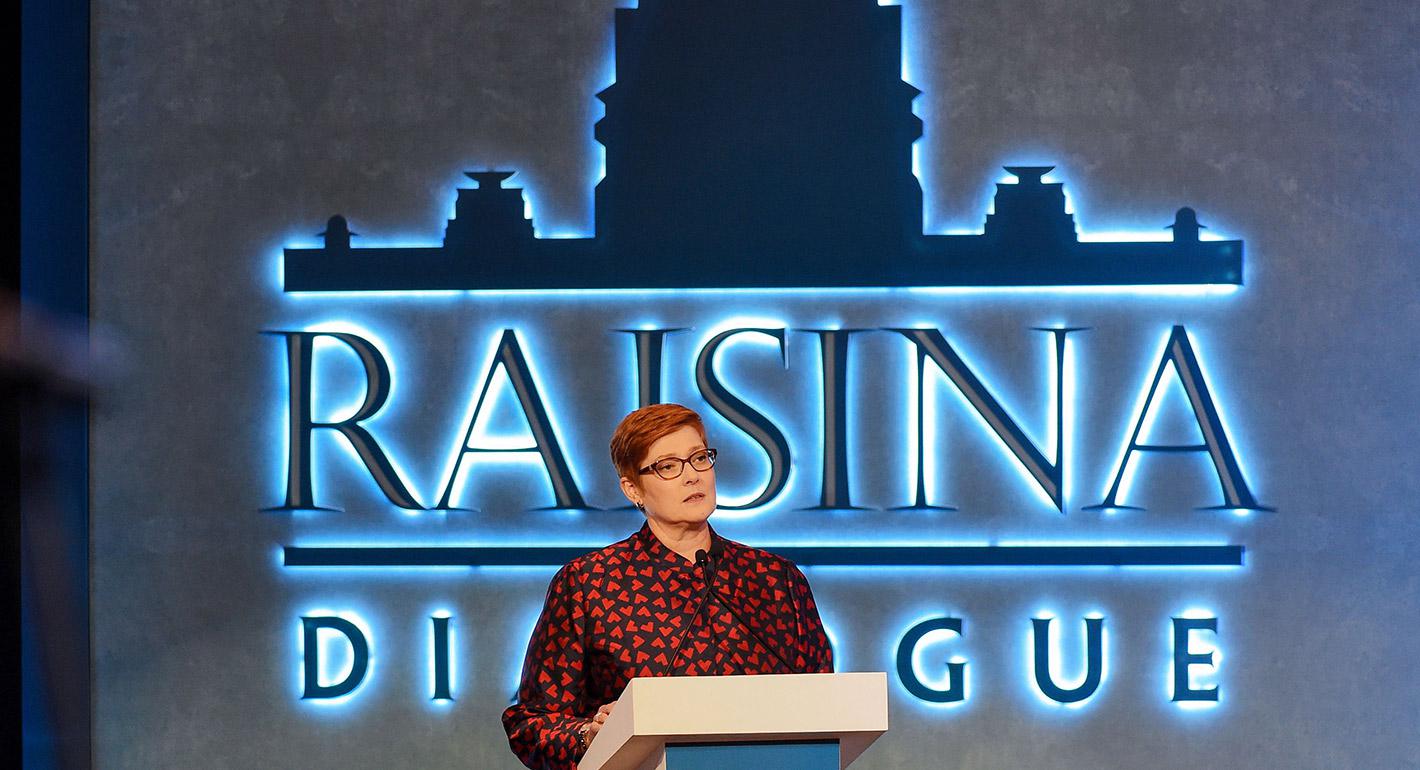
    What Can India, France, and Australia Achieve Together?

    Foreign ministers from India, France, and Australia recently met (virtually) at the Raisina Dialogue, India’s flagship annual conference on geopolitics and geoeconomics. What can they get done if they work together?


      Rudra Chaudhuri, Shibani Mehta

  • Paper
    India’s Sustained Economic Recovery Will Require Changes to Its Bankruptcy Law

    As India’s economy recovers from the coronavirus pandemic, Indian businesses need efficient financial structures to regain their ground. Key reforms to India’s Insolvency and Bankruptcy Code could fill these gaps.

      Anirudh Burman

  • Paper
    Cross-Border Data Access for Law Enforcement: What Are India’s Strategic Options?

    Access to cross-border data is an integral piece of the law enforcement puzzle. India is well placed to lead the discussions on international data agreements subject to undertaking necessary surveillance reforms.

      Smriti Parsheera, Prateek Jha

Get more news and analysis from
Carnegie India
Carnegie India logo, white
Unit C-4, 5, 6, EdenparkShaheed Jeet Singh MargNew Delhi – 110016, IndiaPhone: 011-40078687
  • Research
  • About
  • Experts
  • Projects
  • Events
  • Contact
  • Careers
  • Privacy
  • For Media
Get more news and analysis from
Carnegie India
© 2026 Carnegie Endowment for International Peace. All rights reserved.