• Research
  • About
  • Experts
Carnegie India logoCarnegie lettermark logo
AI
{
  "authors": [],
  "type": "pressRelease",
  "centerAffiliationAll": "dc",
  "centers": [
    "Carnegie Endowment for International Peace"
  ],
  "collections": [],
  "englishNewsletterAll": "ctw",
  "nonEnglishNewsletterAll": "",
  "primaryCenter": "Carnegie Endowment for International Peace",
  "programAffiliation": "russia",
  "programs": [
    "Russia and Eurasia"
  ],
  "projects": [],
  "regions": [
    "Middle East",
    "Türkiye",
    "Caucasus",
    "Armenia"
  ],
  "topics": []
}
REQUIRED IMAGE

REQUIRED IMAGE

Press Release

International community must work to keep Armenia–Turkey rapprochement alive

In 2009, Armenia and Turkey began a historic rapprochement and signed two protocols on normalizing their relations. Unfortunately, the process stalled in April 2010. In an updated policy brief, Thomas de Waal argues that the protocols—the most positive initiative in the South Caucasus for many years—must be kept alive as the process still has the potential to transform the region.

Link Copied
Published on Oct 6, 2010

WASHINGTON, October 6—One year ago, Armenia and Turkey began a historic rapprochement and signed two protocols on normalizing their relations. Unfortunately, the process stalled in April. In an updated policy brief, Thomas de Waal argues that the protocols—the most positive initiative in the South Caucasus for many years—must be kept alive as the process still has the potential to transform the region.

Key Conclusions:

  • Grass-roots initiatives are working. Although the rapprochement halted at the political level, there are encouraging grass-roots contacts between Armenians and Turks. These initiatives need to be better coordinated so that the beneficial effects spread throughout both societies
  • Engage Azerbaijan. The unresolved conflict between Armenia and Azerbaijan over Nagorny Karabakh is the main reason why the normalization process stumbled. While the two processes are best kept separate, more effort needs to be expended in making the case to Azerbaijan that Armenia–Turkey rapprochement is in its best interests and that it will help—not hinder—the resolution of the Karabakh conflict.
  • Washington should look ahead to 2015. The United States can help bridge the Armenian-Turkish divide, but it is hobbled by the annual debate over the use of the word genocide to describe the fate of the Ottoman Armenians in 1915. President Obama should take a longer view and encourage Turks to take part in commemorating the centenary of the tragedy.

“If the process is to get back on track, all involved parties, including the United States, should set their sights on longer-term goals several years hence and ‘make haste slowly’ toward them,” de Waal writes. ”The centenary of the Armenian tragedy in 2015 is a good reference point by which to set the goal of full Armenian-Turkish normalization.”

###

NOTES

Click here to read the full brief

Thomas de Waal is a senior associate in the Russia and Eurasia Program at the Carnegie Endowment, specializing primarily in the South Caucasus region comprising Armenia, Azerbaijan, and Georgia and their breakaway territories, as well as the wider Black Sea region. His latest book, The Caucasus: An Introduction (Oxford University Press, 2010), provides a timely account of this turbulent region. He is also the author of the authoritative book on the Karabakh conflict, Black Garden: Armenia and Azerbaijan Through Peace and War (NYU Press, 2003).

The Carnegie Russia and Eurasia Program has, since the end of the Cold War, led the field on Eurasian security, including strategic nuclear weapons and nonproliferation, development, economic and social issues, governance, and the rule of law.

Press Contact: Kendra Galante, 202-939-2289, pressoffice@ceip.org

Middle EastTürkiyeCaucasusArmenia

Carnegie India does not take institutional positions on public policy issues; the views represented herein are those of the author(s) and do not necessarily reflect the views of Carnegie, its staff, or its trustees.

More Work from Carnegie India

  • Article
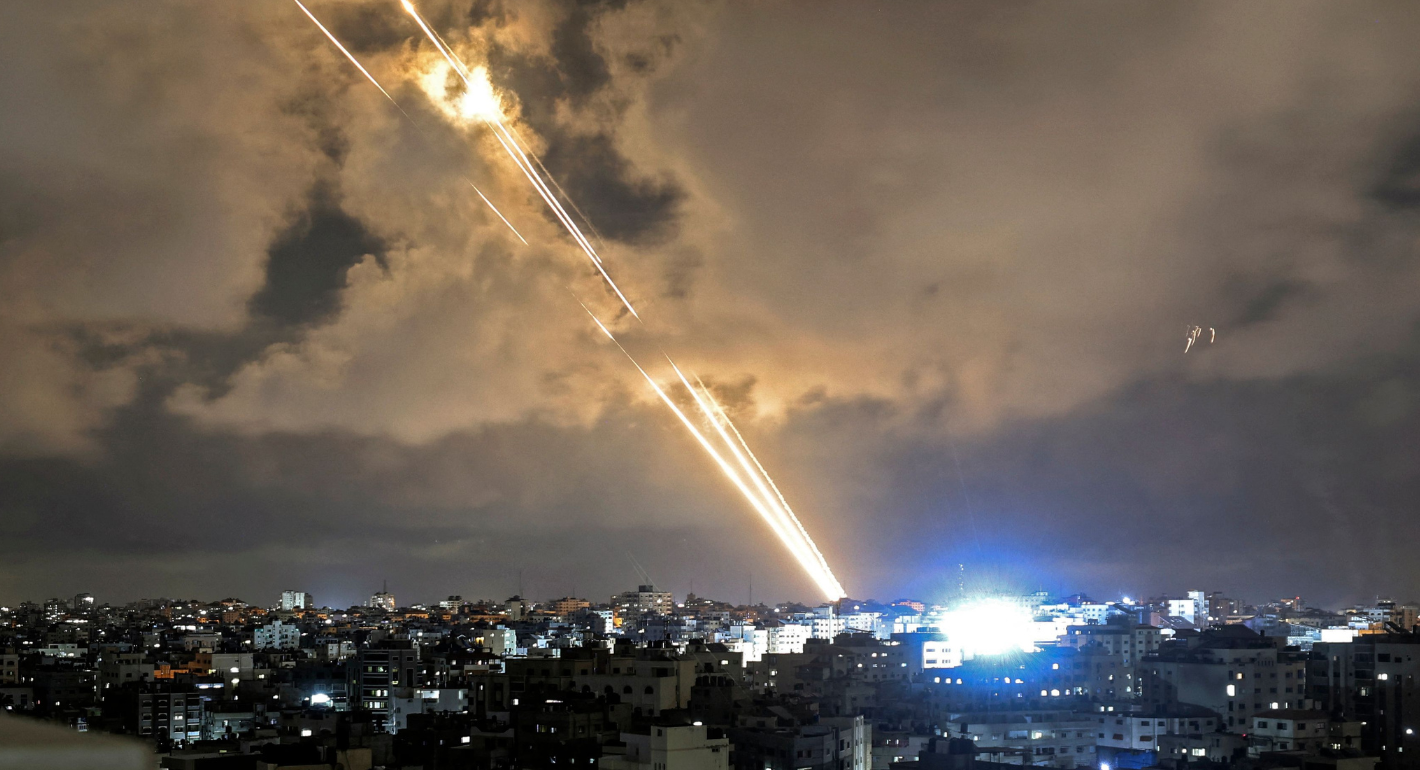
    Risk and Retaliation: Israel, Iran, and the Evolving Situation in West Asia

    An Israeli response to Iran’s October 1 attack is imminent. The key question is of its intensity and potential fallout, both within Iran, in terms of nuclear security policy changes, and across the broader region. The coming days are likely to reshape West Asia irreversibly.

      Gaddam Dharmendra
  • Commentary
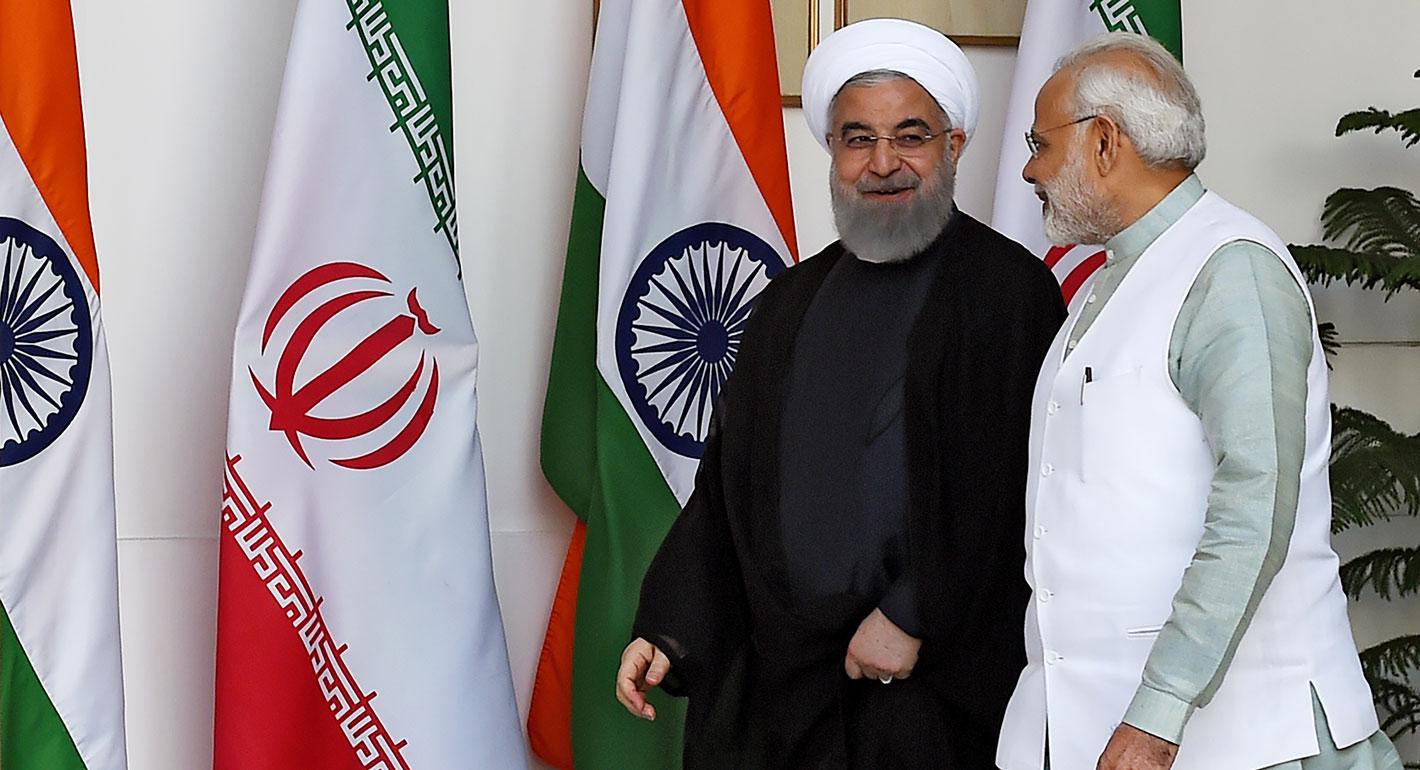
    India’s View on Soleimani, Iran, and the United States

    For India, the equation is pretty simple: better diplomatic relations between the United States and Iran would let New Delhi deal more smoothly with both countries. A decline in the relationship adversely affects Indian interests.

      Rudra Chaudhuri

  • Commentary
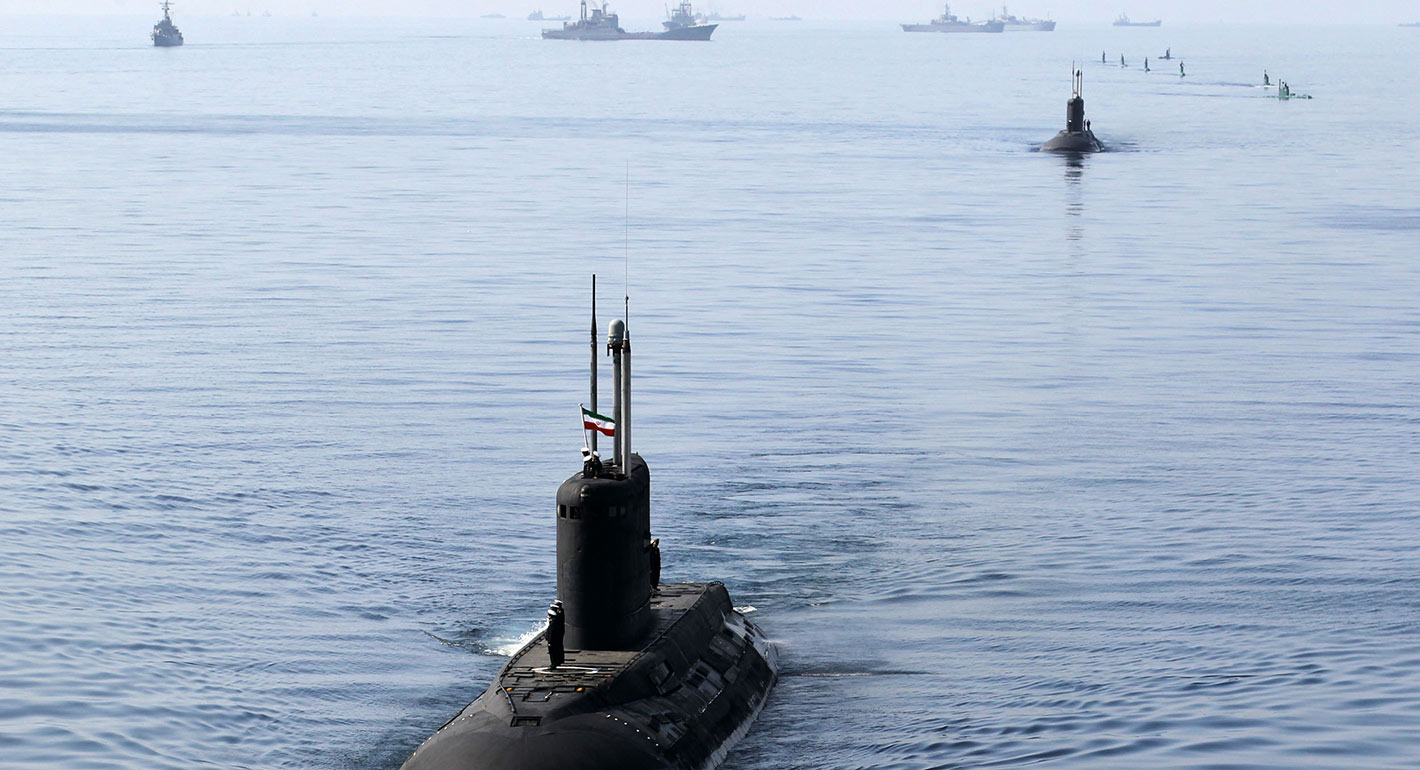
    What Would a Larger Chinese Presence Mean for the Middle East?

    The recent developments around the Strait of Hormuz have once again highlighted the importance of maritime chokepoints and their connection to regional geopolitics.

      Darshana M. Baruah

  • Commentary
    As US-Iran Tensions Mount, What India Can Learn from the Oil ‘Tanker War’ in 1980s

    Last week, Britain impounded an Iranian oil tanker in Gibraltar, claiming that the vessel was carrying oil to Syria in violation of the European Union’s sanctions.

      Srinath Raghavan

  • Commentary
    How Are Various Countries Responding to China’s Belt and Road Initiative?

    Pitched as a new Silk Road sweeping from Asia to Europe, China’s enormous Belt and Road Initiative is an ambitious, multinational infrastructure project. Experts from four Carnegie global centers explain other countries’ perspectives.

      • Alexander Gabuev
      • +4

      Paul Haenle, Dmitri Trenin, Alexander Gabuev, …

Get more news and analysis from
Carnegie India
Carnegie India logo, white
Unit C-4, 5, 6, EdenparkShaheed Jeet Singh MargNew Delhi – 110016, IndiaPhone: 011-40078687
  • Research
  • About
  • Experts
  • Projects
  • Events
  • Contact
  • Careers
  • Privacy
  • For Media
Get more news and analysis from
Carnegie India
© 2026 Carnegie Endowment for International Peace. All rights reserved.