

Commentary
Alexey Malashenko
{
  "authors": [
    "Alexey Malashenko"
  ],
  "type": "legacyinthemedia",
  "centerAffiliationAll": "",
  "centers": [
    "Carnegie Endowment for International Peace",
    "Malcolm H. Kerr Carnegie Middle East Center",
    "Carnegie Russia Eurasia Center"
  ],
  "collections": [],
  "englishNewsletterAll": "",
  "nonEnglishNewsletterAll": "",
  "primaryCenter": "Carnegie Russia Eurasia Center",
  "programAffiliation": "",
  "programs": [],
  "projects": [
    "Eurasia in Transition"
  ],
  "regions": [
    "Gulf",
    "Levant"
  ],
  "topics": []
}
Source: Getty
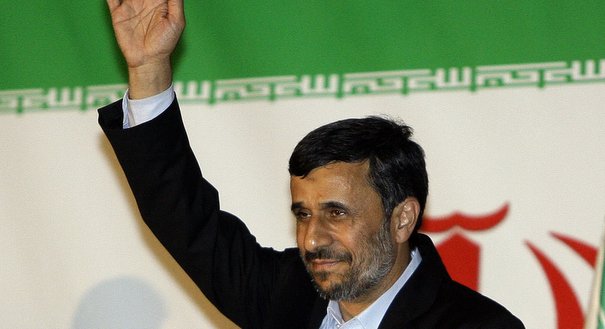
President Ahmadinejad’s meeting with the leader of Hezbollah is further evidence of Iran’s efforts to gain a foothold in the Middle East as one of the key regional players.
Source: The Valdai Discussion Club

Iranian President Mahmoud Ahmadinejad plans to meet with Hassan Nasrallah, Secretary General of Hezbollah, one of the two major political parties in Lebanon representing Shiite Muslims. Do you believe this move will aggravate even further Iran’s tense relations with the United States and Israel?
Ahmadinejad’s meeting with the leader of Hezbollah will not aggravate the situation, it will simply provide yet more evidence of Iran’s ongoing efforts to gain a foothold in the Middle East as one of the key regional players. He is most likely to promise Hezbollah additional support, including financial and military assistance. However, Ahmadinejad will have to bear in mind that Hezbollah is a highly influential and legitimate political force in Lebanon, and as such would surely be reluctant to take any extreme steps, something Iran often tries to goad it into. There are differences between Nasrallah and Ahmadinejad, although they are unlikely to be highlighted during this meeting.
What about Iran’s role, as a regional power, in mediating the Israeli-Palestinian conflict – how much of an influence can Iran have on the process of building an independent Palestinian state? Can a peaceful settlement be reached without Iran’s participation in the talks?
Iran’s role in building a sovereign Palestinian state should not be overstated. Quite the reverse, in fact: should such a state be established, Iran’s influence would weaken. For Iran’s leadership it is the ongoing conflict that matters, the active involvement of radical Islamists. Iran looks more impressive and dramatic in confrontation than in détente.
How would you assess the changes in Russia’s foreign-policy paradigm regarding Iran?
Russia’s attitude toward Iran has changed, it has moved closer to that of the United States and Europe. The most eloquent example of this was Moscow’s backtracking on plans to sell Iran its S-300 air defense missile systems, which annoyed the Iranian leadership. Russia’s attempts to mediate in talks with Iran and prove that it is in a position to exert pressure on Ahmadinejad were unsuccessful.
Yet, officials in Moscow still cherish hopes for a restoration of “special relationship” with Iran – for another chance to prove that they can, in fact, pressure Iran into some concessions.
This interview originally appeared on the Valdai Discussion Club site.
Former Scholar in Residence, Religion, Society, and Security Program
Malashenko is a former chair of the Carnegie Moscow Center’s Religion, Society, and Security Program.
Recent Work
Alexey Malashenko
Alexey Malashenko
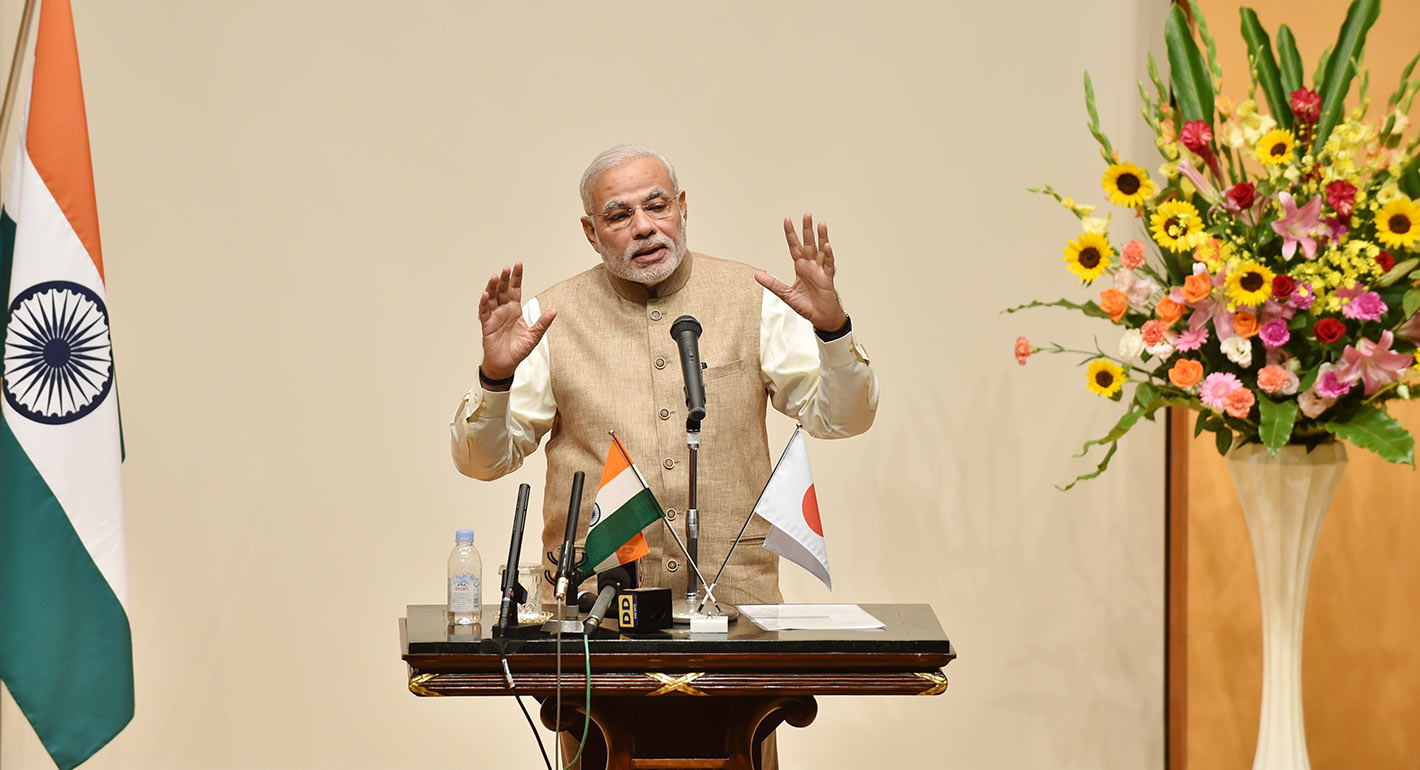
It has been a rather long learning curve for New Delhi to separate presumed transcendental religious solidarity and the logic of national self-interest in engaging the Middle East.
C. Raja Mohan
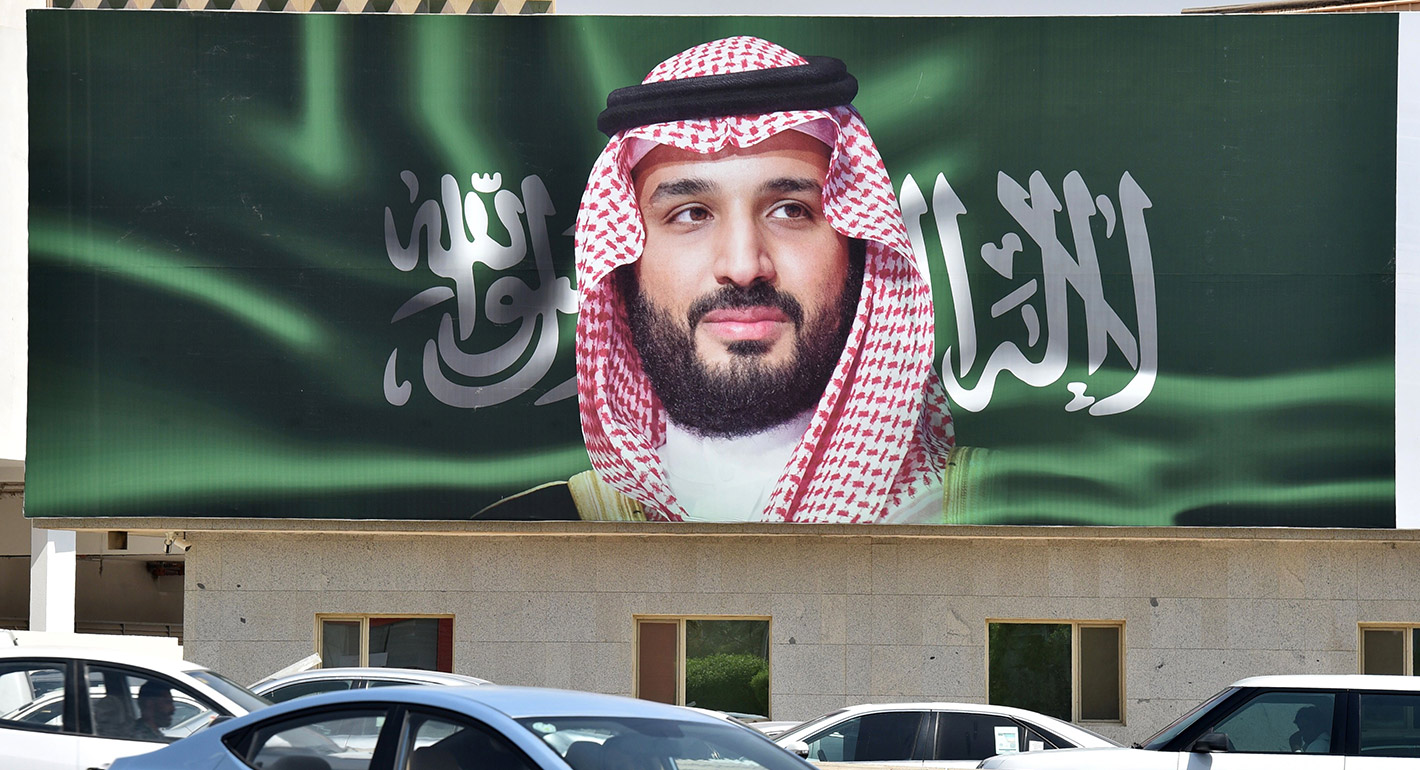
As New Delhi prepares to host the Saudi Crown Prince Mohammed bin Salman, India must come to terms with an unfamiliar idea—“nationalism in Arabia”.
C. Raja Mohan
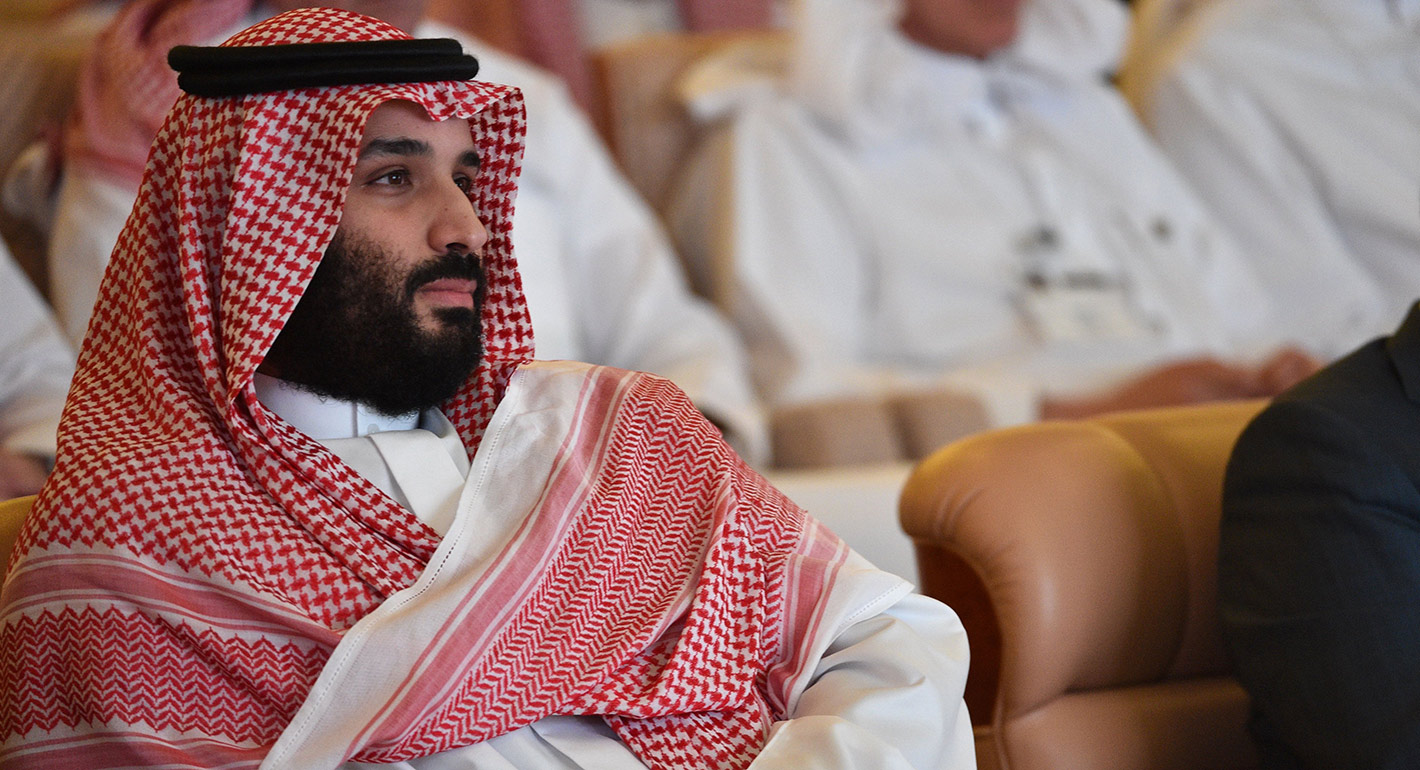
Saudi Crown Prince Mohammed bin Salman’s visit to India—as part of a larger tour of Asia, including Pakistan and China—should mark the consolidation of two important trends and help initiate a significant third.
C. Raja Mohan
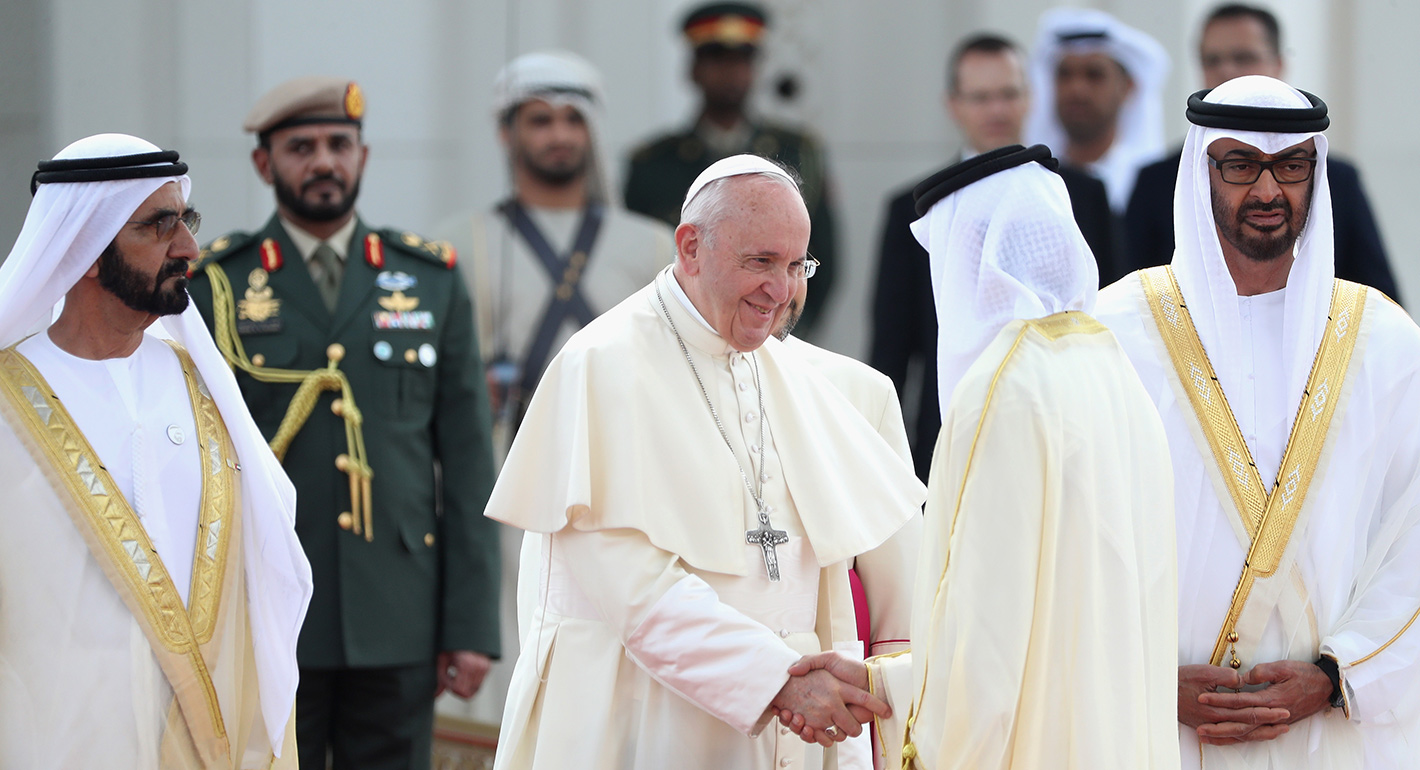
For both the United Arab Emirates and Saudi Arabia, the new emphasis on separating religion from politics and confronting “political Islam” is not a question of defining an abstract theory of the state. It is a considered response to the grave challenges they face.
C. Raja Mohan
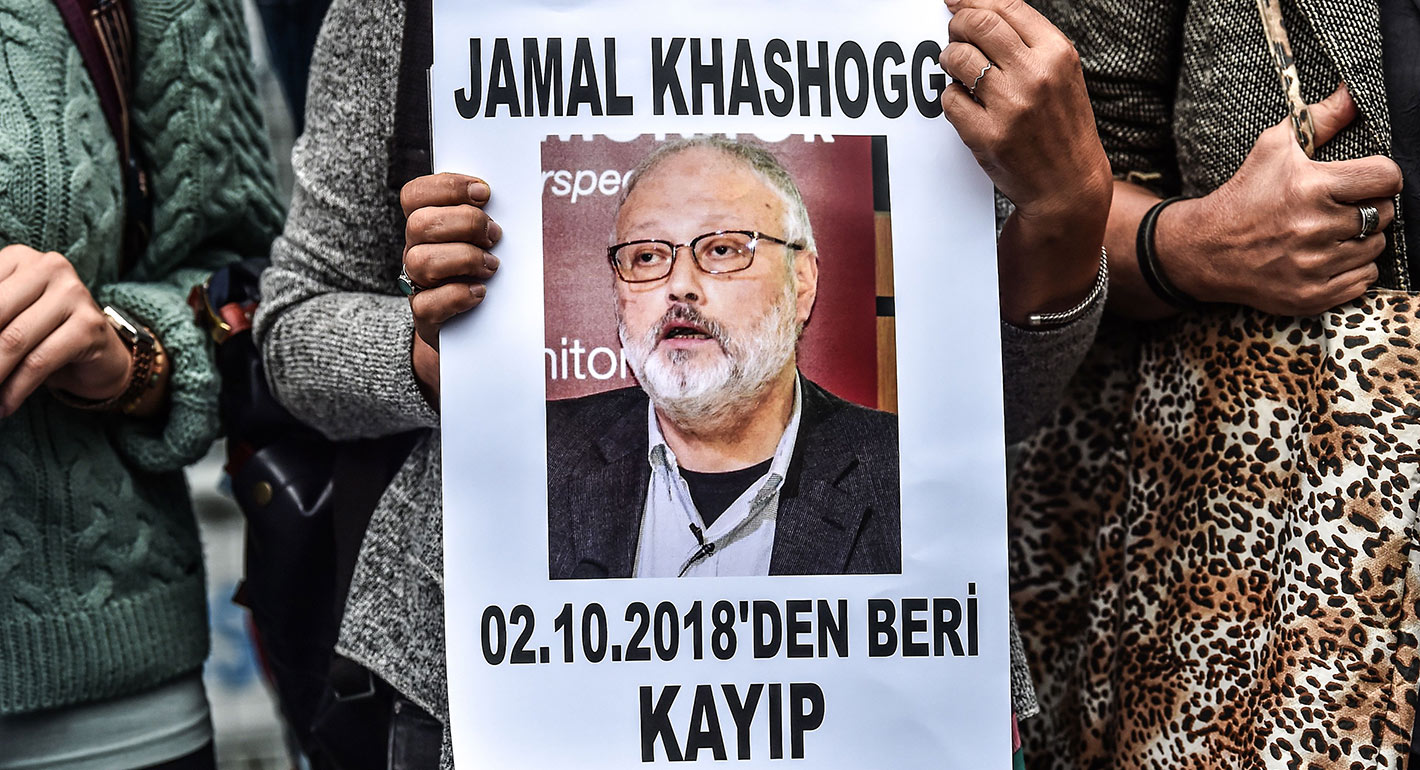
The outrageous murder of the Saudi dissident Jamal Khashoggi in the kingdom’s consulate in Istanbul has brought into sharp relief the deepening conflict between Riyadh and Ankara.
C. Raja Mohan