

Paper
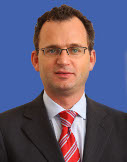
Paul Salem
{
  "authors": [
    "Paul Salem"
  ],
  "type": "legacyinthemedia",
  "centerAffiliationAll": "",
  "centers": [
    "Carnegie Endowment for International Peace",
    "Malcolm H. Kerr Carnegie Middle East Center"
  ],
  "collections": [],
  "englishNewsletterAll": "",
  "nonEnglishNewsletterAll": "",
  "primaryCenter": "Malcolm H. Kerr Carnegie Middle East Center",
  "programAffiliation": "",
  "programs": [],
  "projects": [],
  "regions": [
    "Egypt",
    "Gulf",
    "Levant",
    "Maghreb"
  ],
  "topics": [
    "Political Reform"
  ]
}
Source: Getty
As Arab populations angered by social injustice take to the streets, their governments are trying to buy their way out of trouble with promises of reform and wage rises.
Source: Al-Jazeera
The Arab world is undergoing spectacular changes, with the collapse of both the Tunisian and Egyptian regimes after just a few weeks of street protests. On Al-Jazeera’s Inside Story, Carnegie’s Paul Salem analyzed the overall situation in the Arab world and the implications of the recent unrest on the region’s political and socioeconomic conditions.
Unrest is quickly spreading throughout the Arab world, with frustrated citizens protesting from Morocco to Yemen and from Libya to Iraq. Paul Salem described the unrest as a “positive and historic moment” that has changed the psychology of the Arab citizens and the balance of power in Arab countries. As a result of the protests, Arab publics now believe that they can achieve change themselves, he said. Furthermore, Arab regimes are now realizing that they cannot necessarily survive rampant street protests and rage.
Salem also examined the effect of the unrest on international conceptions of the region. The international community realizes now that popular uprisings do not necessarily emanate from Islamist or radical movements, but can originate with repressed people longing for democracy, freedom, good governance, and economic reform.
Recent events have demonstrated that democracy and human rights claims, along with basic social and economic rights, are more important to people of the region than their religious beliefs, Salem added, which explains why the Tunisian and Egyptian revolutions have succeeded whereas Islamists have failed for decades.
However, even though all the Arab countries are undergoing similar changes, Salem insisted that each country has a different situation. In divided countries like Yemen, Lebanon, Iraq, or even Bahrain, revolts might have a very different outcome than in strongly united countries like Egypt or Tunisia. In the oil-rich countries of the Gulf, where unemployment, illiteracy, and poverty are much lower than elsewhere in the region, reform is more likely to happen than revolution.
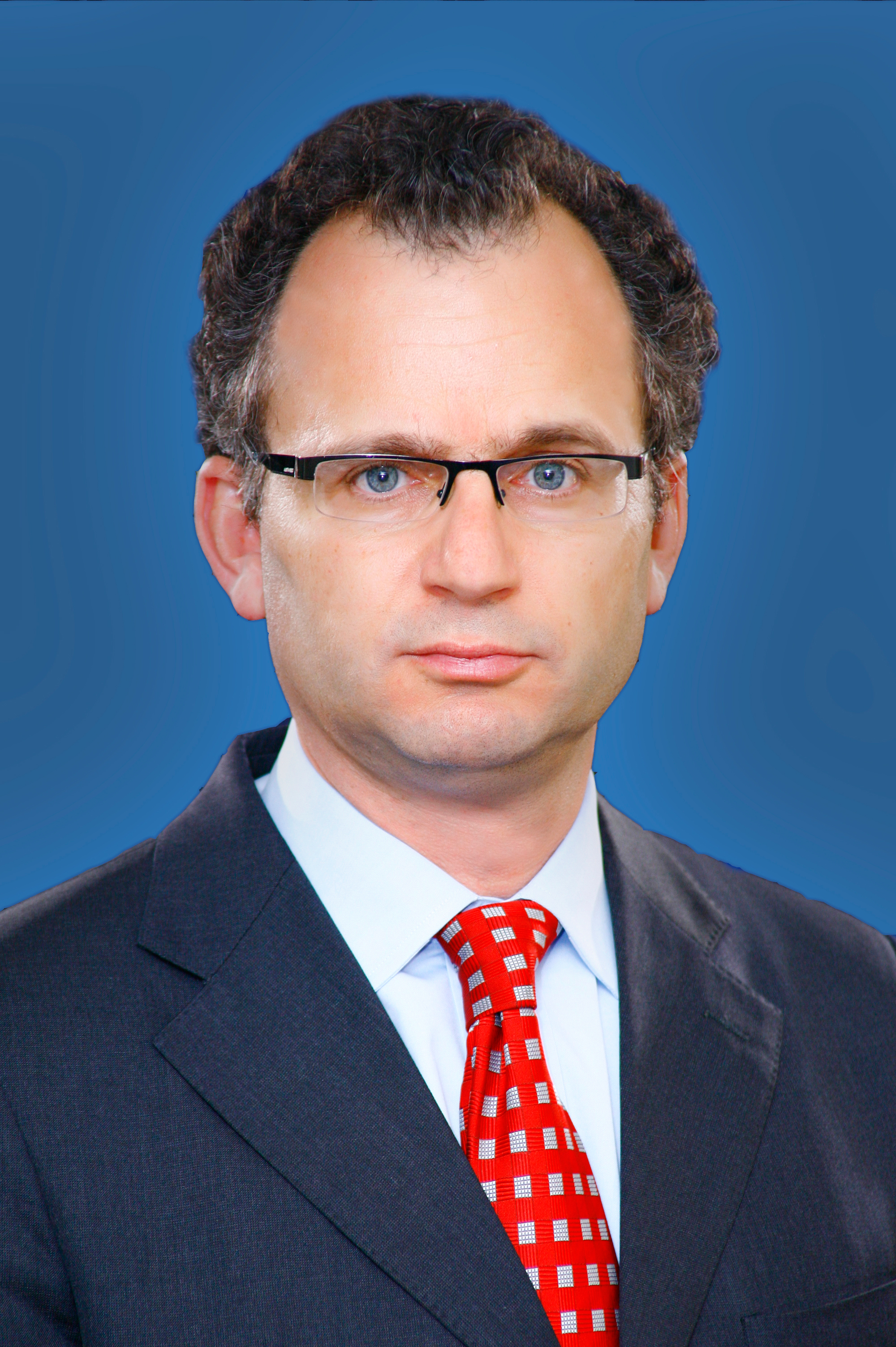
Senior Fellow at the Middle East Institute
Paul Salem is a senior fellow at the Middle East Institute.
Recent Work
Paul Salem
Paul Salem
Carnegie India does not take institutional positions on public policy issues; the views represented herein are those of the author(s) and do not necessarily reflect the views of Carnegie, its staff, or its trustees.

As India’s economy recovers from the coronavirus pandemic, Indian businesses need efficient financial structures to regain their ground. Key reforms to India’s Insolvency and Bankruptcy Code could fill these gaps.

Anirudh Burman

Access to cross-border data is an integral piece of the law enforcement puzzle. India is well placed to lead the discussions on international data agreements subject to undertaking necessary surveillance reforms.
Smriti Parsheera, Prateek Jha

After the coronavirus pandemic wanes, how will China’s reorientation of the Belt and Road Initiative to address global health concerns influence its relationships with South Asian countries?
Deep Pal, Rahul Bhatia
Early in the outbreak, government researchers forecast several high-risk scenarios that were downplayed or ignored in public messaging.
Gautam I. Menon

Governments around the world are turning to new forms of digital surveillance to monitor the spread of the coronavirus, though they are mostly using existing laws to do so.
Anirudh Burman