

Commentary
Amr Hamzawy
{
  "authors": [
    "Amr Hamzawy"
  ],
  "type": "legacyinthemedia",
  "centerAffiliationAll": "",
  "centers": [
    "Carnegie Endowment for International Peace",
    "Malcolm H. Kerr Carnegie Middle East Center"
  ],
  "collections": [
    "Arab Awakening"
  ],
  "englishNewsletterAll": "",
  "nonEnglishNewsletterAll": "",
  "primaryCenter": "Carnegie Endowment for International Peace",
  "programAffiliation": "",
  "programs": [],
  "projects": [],
  "regions": [
    "North Africa",
    "Egypt"
  ],
  "topics": [
    "Political Reform"
  ]
}
Source: Getty
The resignation of President Hosni Mubarak is only the first step in Egypt’s fight for meaningful democratic change. It remains to be seen whether structural change and real democracy will be implemented in the country.
Source: Al-Jazeera
Five days after President Hosni Mubarak’s resignation, the fight for meaningful change in Egypt is far from over. On Al-Jazeera’s Inside Story, Carnegie’s Amr Hamzawy examined the achievements of the Egyptian revolution and the many challenges that lie ahead.
Hamzawy stated that a “genuine revolution” has taken place in Egypt. However, Mubarak’s resignation is only the first step towards success and it remains to be seen whether structural change and real democracy will actually be implemented. The institutionalized national dialogue needed to promote real change is limited by deep-rooted authoritarianism and the strong power of the military establishment, Hamzawy said.
Transitional periods are always “messy and complicated”, Hamzawy added. As one example, he cited the contradiction between the popular desire to write a new Constitution and the ruling military council’s six months deadline to transfer power to a democratically elected civilian government. Hamzawy suggested that the transitional period should therefore be progressive: first, the 1971 Constitution should be amended and then, after real democratic elections, the legitimate Parliament could write a new Constitution.
There are several crucial questions that need to be raised and answered throughout the transitional period, Hamzawy said. For example, what will become of the Constitution and the current cabinet, composed of corrupted and unpopular figures? How will the military rulers ensure a genuine participatory transition, including civil society organizations and trade unions?
Considering all these challenges ahead, Hamzawy expressed concern over the absence of a clear trajectory to ensure that the military will leave power after establishing the foundations of a democratic system. Indeed, he warned that military rule is fundamentally anti-democratic; no country has ever succeeded in implementing democracy through military rule.

Director, Middle East Program
Amr Hamzawy is a senior fellow and the director of the Carnegie Middle East Program. His research and writings focus on Egypt’s and other middle powers’ involvement in regional security in the Middle East, particularly through collective diplomacy and multilateral conflict resolution
Recent Work
Amr Hamzawy
Amr Hamzawy
Carnegie India does not take institutional positions on public policy issues; the views represented herein are those of the author(s) and do not necessarily reflect the views of Carnegie, its staff, or its trustees.

A partnership between India, a country of subcontinental size, and Africa, a continent of fifty-four countries, may seem asymmetric until one notes that both are home to nearly the same number of people—1.4 billion. This essay spells out the existing challenges to the partnership, its optimal potential, and the possible pathways to realize it over the next quarter-century.

Rajiv Bhatia
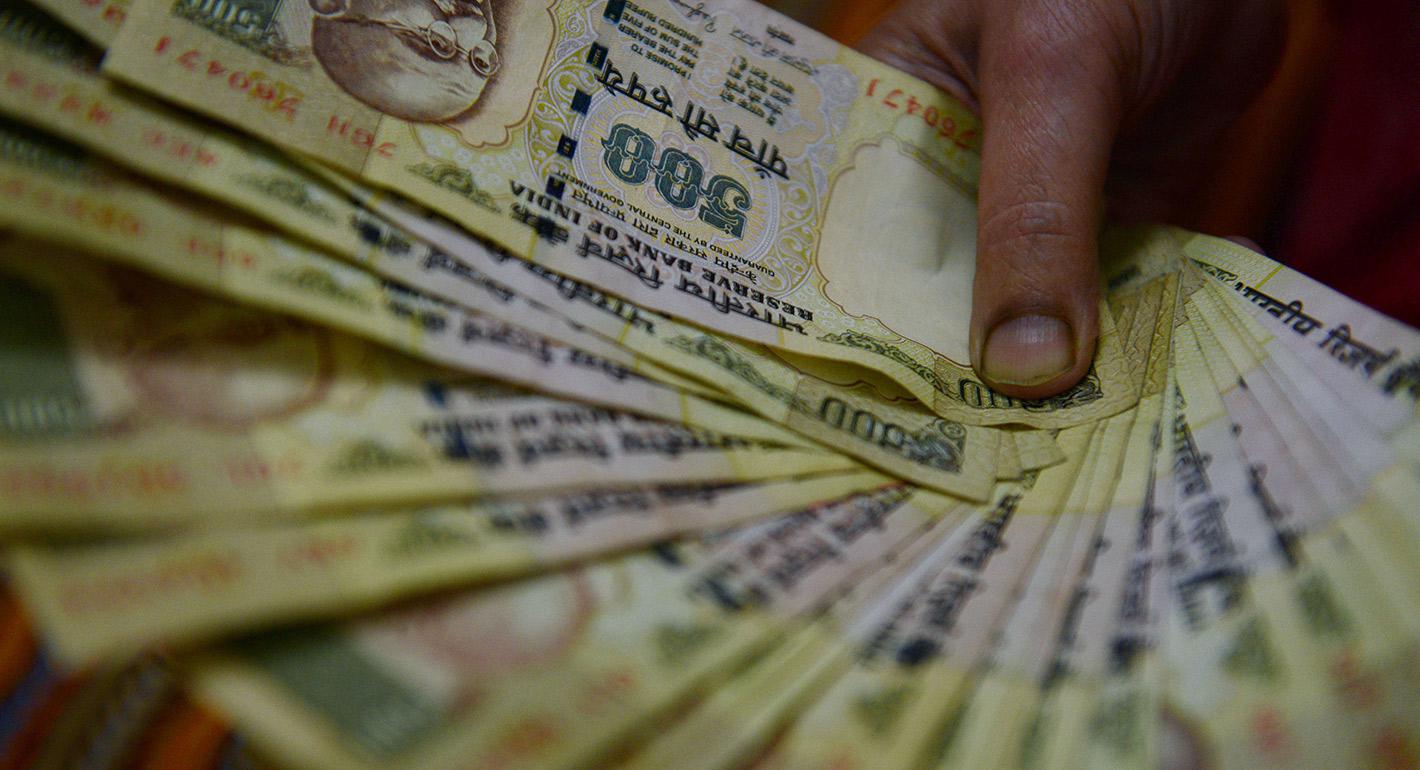
As India’s economy recovers from the coronavirus pandemic, Indian businesses need efficient financial structures to regain their ground. Key reforms to India’s Insolvency and Bankruptcy Code could fill these gaps.

Anirudh Burman

Access to cross-border data is an integral piece of the law enforcement puzzle. India is well placed to lead the discussions on international data agreements subject to undertaking necessary surveillance reforms.

Smriti Parsheera, Prateek Jha
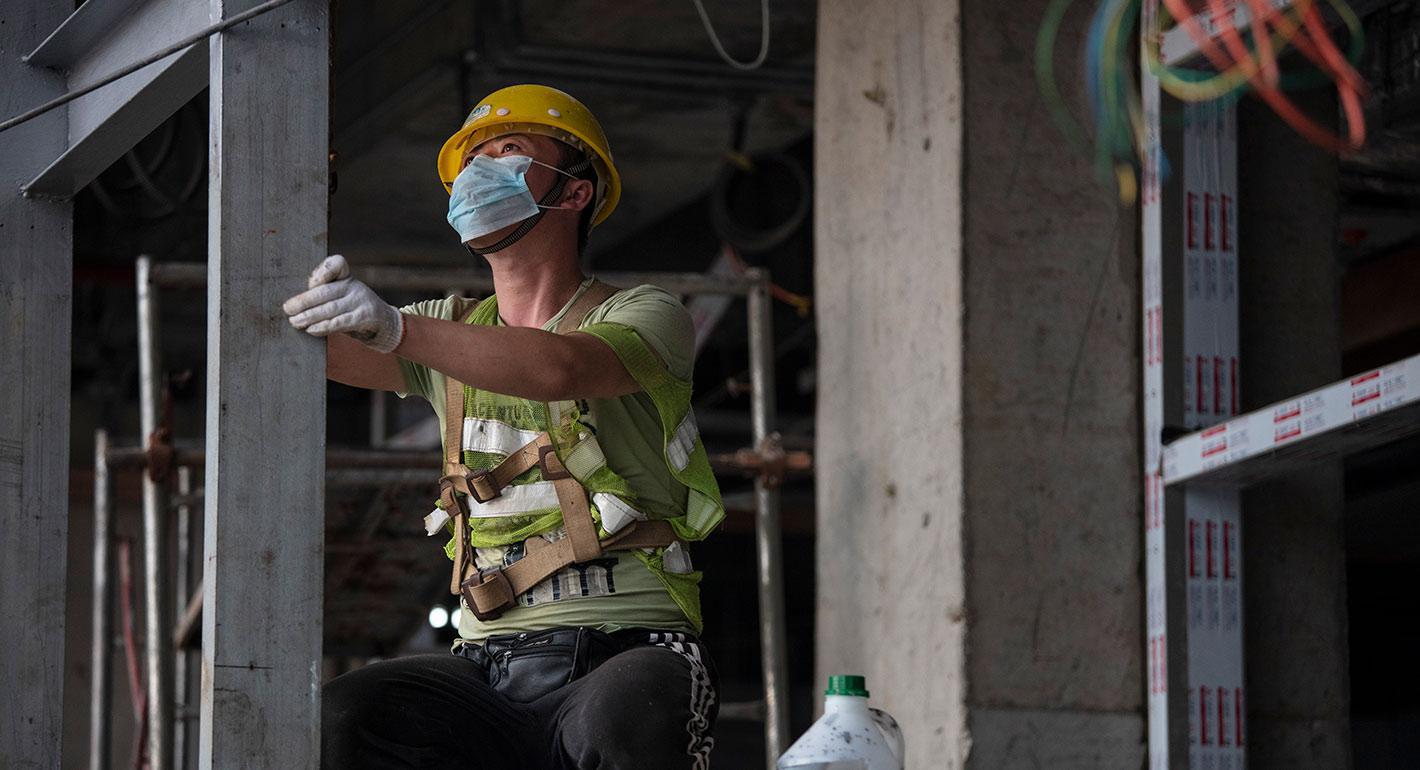
After the coronavirus pandemic wanes, how will China’s reorientation of the Belt and Road Initiative to address global health concerns influence its relationships with South Asian countries?
Deep Pal, Rahul Bhatia
Early in the outbreak, government researchers forecast several high-risk scenarios that were downplayed or ignored in public messaging.
Gautam I. Menon