

Commentary
Thomas de Waal
{
  "authors": [
    "Thomas de Waal"
  ],
  "type": "other",
  "centerAffiliationAll": "dc",
  "centers": [
    "Carnegie Endowment for International Peace",
    "Carnegie Europe",
    "Carnegie Russia Eurasia Center"
  ],
  "collections": [],
  "englishNewsletterAll": "ctw",
  "nonEnglishNewsletterAll": "",
  "primaryCenter": "Carnegie Europe",
  "programAffiliation": "russia",
  "programs": [
    "Russia and Eurasia"
  ],
  "projects": [
    "Eurasia in Transition"
  ],
  "regions": [
    "Central Asia",
    "Caucasus"
  ],
  "topics": [
    "Security"
  ]
}
Source: Getty
The failure of the international community to recognize the Caucasus and Central Asia as a region with complex internal dynamics complicates efforts to respond to global challenges ranging from energy security and arms proliferation to humanitarian crises.
Source: Eurasia Foundation
While the international community believes that long-standing conflicts in the Caucasus and Central Asia are under control, these disputes are far more fragile than they look, warned Thomas de Waal at a panel discussion hosted by Eurasia Foundation. De Waal joined Fiona Hill of Brookings Institution and the Washington Post’s David Ignatius in an examination of the strategic importance of the Caucasus and Central Asia in the major international challenges currently faced by the United States. “These conflicts aren’t frozen. I prefer the term simmering conflicts, or smoldering conflicts,” de Waal said. “There’s a lot going on under the surface here.”
De Waal and Hill agreed that the international community can play a real role in helping resolve these conflicts. “Let the negotiators and the diplomats talk to civil society, talk to the small constituency of peace and try to cultivate it…bypassing the authorities, if the authorities are not willing,” de Waal said.

Senior Fellow, Carnegie Europe
De Waal is a senior fellow at Carnegie Europe, specializing in Eastern Europe and the Caucasus.
Recent Work
Thomas de Waal
Thomas de Waal, ed.
Carnegie India does not take institutional positions on public policy issues; the views represented herein are those of the author(s) and do not necessarily reflect the views of Carnegie, its staff, or its trustees.

This piece examines India’s response to U.S. sanctions and tariffs, specifically assessing the immediate market consequences, such as alterations in import costs, and the broader strategic implications for India’s energy security and foreign policy orientation.
Vrinda Sahai
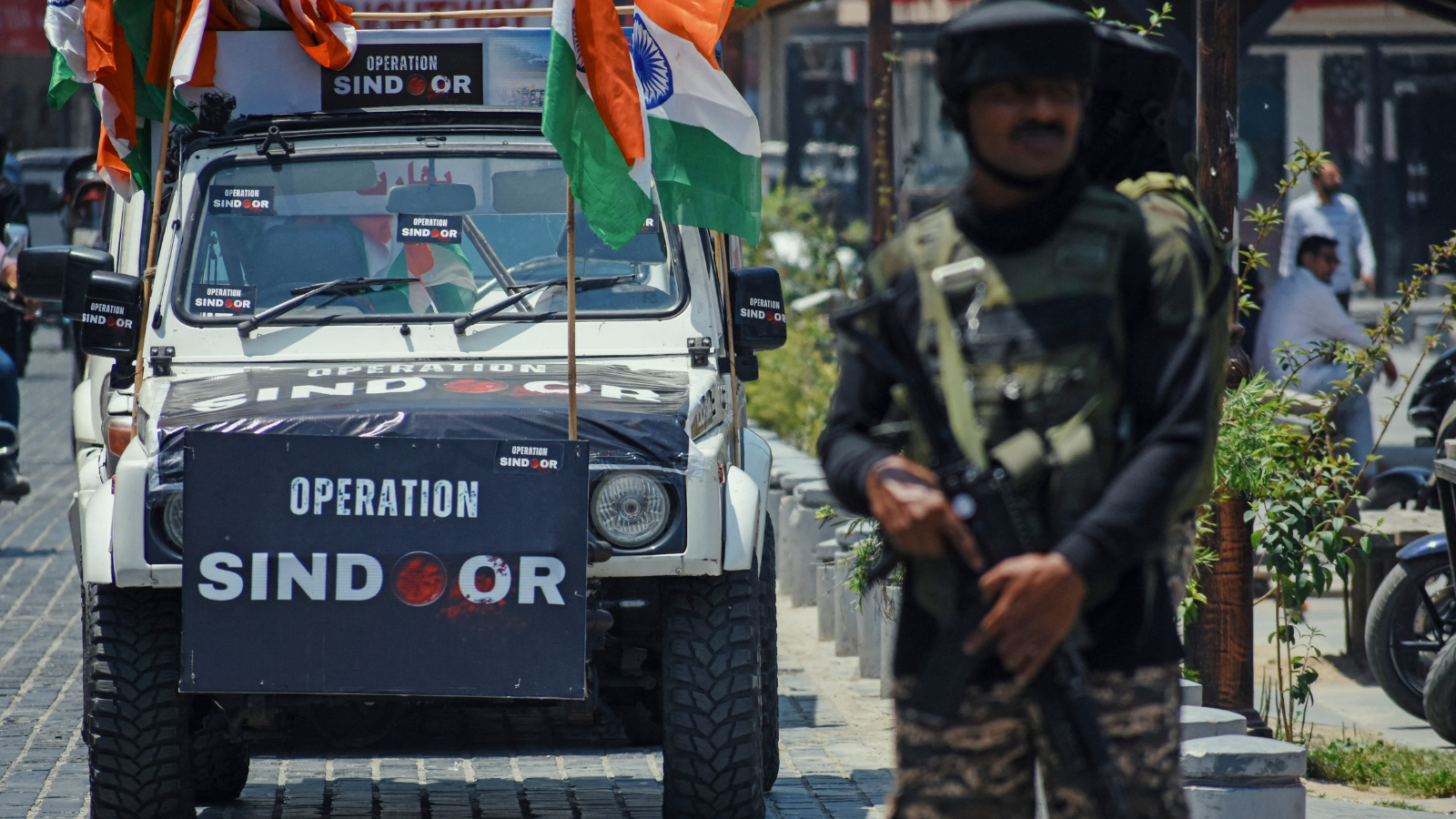
The India-Pakistan conflict that played out between May 6 and May 10, 2025, offers several military lessons. This article presents key takeaways from Operation Sindoor and breaks down how India’s preparations shaped the outcome and what more is needed to strengthen future readiness.

Dinakar Peri
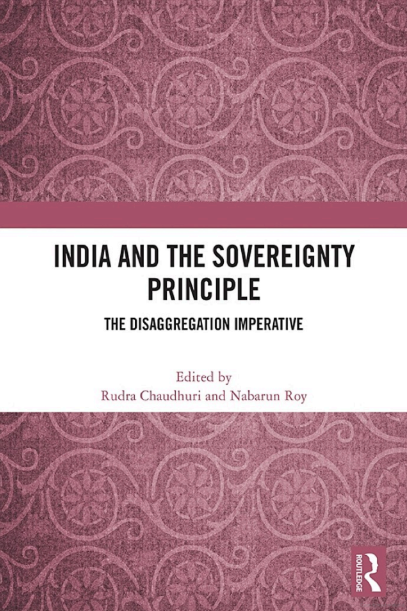
This book offers a comprehensive analysis of India's evolving relationship with sovereignty in a complex global order. Moving beyond conventional narratives, it examines how the sovereignty principle shapes India's behavior across four critical domains—from traditional military power to contemporary data governance.

Rudra Chaudhuri, Nabarun Roy
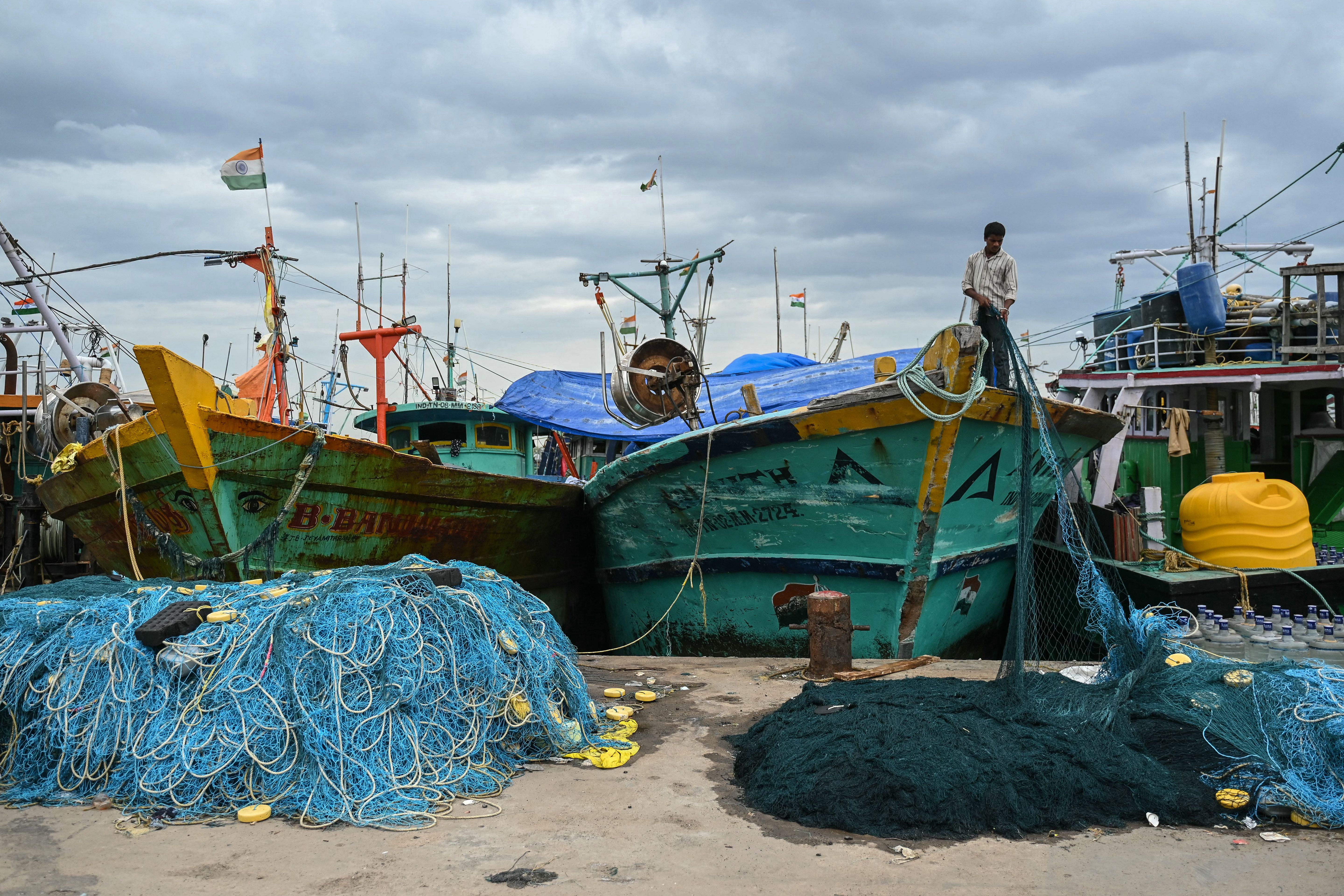
This article examines the scale and impact of Chinese IUU fishing operations globally and identifies the nature of the challenge posed by IUU fishing in the Indian Ocean Region (IOR). It also investigates why existing maritime law and international frameworks have struggled to address this growing threat.


Ajay Kumar, Charukeshi Bhatt
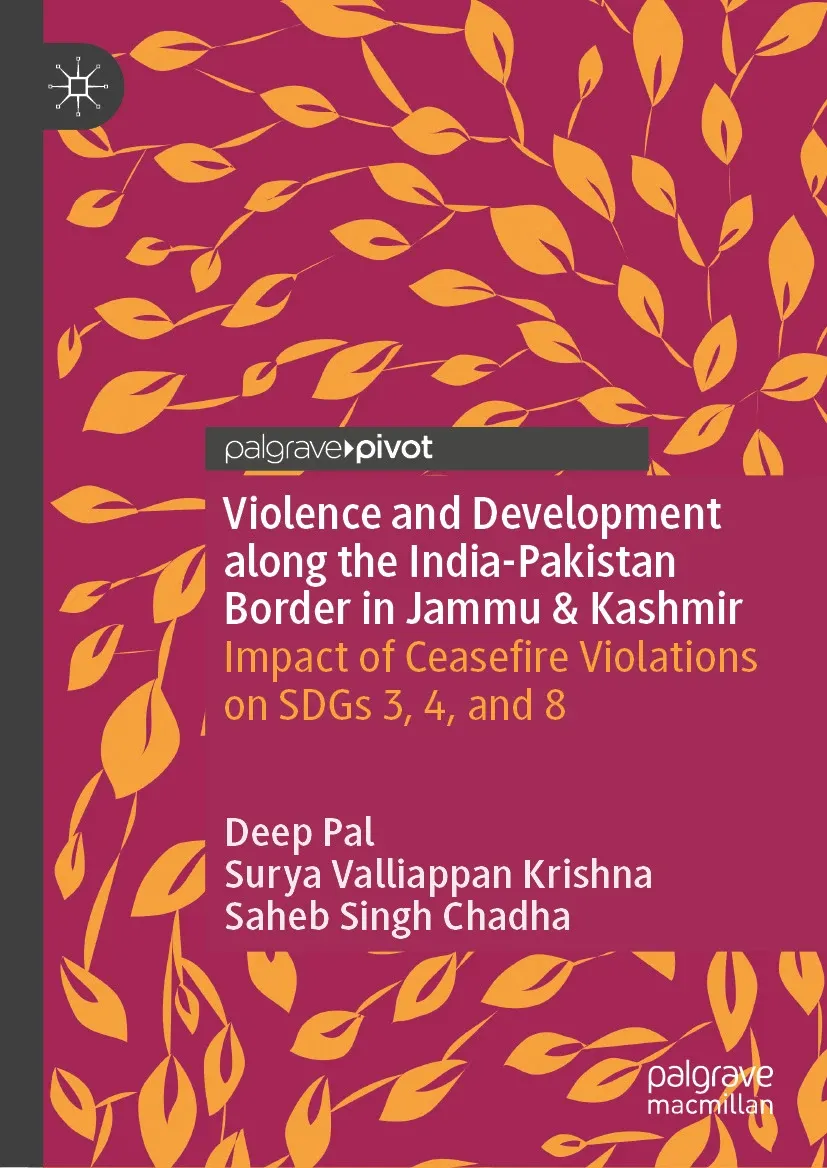
This book examines the impact of cross-border violence on communities living along the Line of Control and the International Border in Jammu and Kashmir, India.



Deep Pal, Surya Valliappan Krishna, Saheb Singh Chadha