

Q&A
Christopher Boucek
{
  "authors": [
    "Christopher Boucek"
  ],
  "type": "legacyinthemedia",
  "centerAffiliationAll": "dc",
  "centers": [
    "Carnegie Endowment for International Peace",
    "Carnegie Europe"
  ],
  "collections": [
    "Arab Awakening"
  ],
  "englishNewsletterAll": "menaTransitions",
  "nonEnglishNewsletterAll": "",
  "primaryCenter": "Carnegie Endowment for International Peace",
  "programAffiliation": "MEP",
  "programs": [
    "Middle East"
  ],
  "projects": [],
  "regions": [
    "Middle East",
    "Yemen"
  ],
  "topics": [
    "Political Reform"
  ]
}
Source: Getty
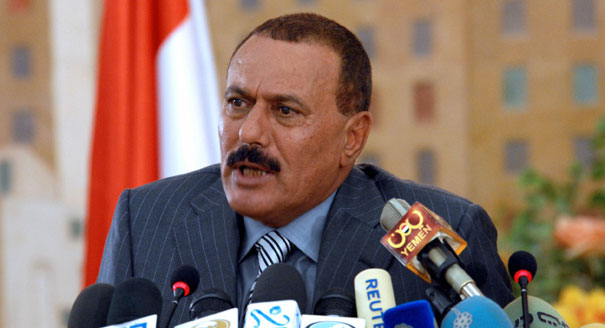
The United States should work with the EU and with Saudi Arabia, Yemen’s strong neighbor and largest donor, to ensure that Yemen’s President Saleh steps down and that the transfer of power is handled peacefully.
Source: National Interest

President Saleh is now facing the greatest challenge to his 32-year rule with tribal, government, and military defections away from the regime and several violent episodes that have left nearly 100 protesters dead. The real question is not whether he leaves or who succeeds him, but whether the transition can be managed to prevent a violent outbreak and ensure that al-Qaeda doesn’t have more space to play.
Yemen is no stranger to instability. Before protests kicked off on January 20, Yemen already was grappling with a daunting array of security, economic, and governance challenges. Essentially, everything that could go wrong has—there is an increasingly violent secessionist movement in the south, the seven-year Houthi rebellion in northern Sa’ada, and significant activity by a resurgent al-Qaeda.
But the greatest challenge to Yemen’s stability is the rapid deterioration of the economy, which exacerbates every other problem. In the Arab world’s poorest country, endemic poverty and chronically high levels of unemployment are aggravated by rampant corruption and explosive population growth. The country is facing a 27 percent budget deficit this year and oil—Yemen’s most important source of income—is expected to run out in the next decade. Moreover, in 2010 foreign currency reserves fell by over $500 million (approximately 10 percent) and the national currency, the riyal, is losing its value.
It’s clear that the current conditions cannot hold for long. Saleh will not be able to stay in power until 2013, and the regime has acknowledged as much. They have claimed that Saleh has agreed to step down, but that it must be done in an orderly manner. What the transition process or mechanism will be has yet to be determined—and figuring out who comes next looms large.
When the country’s most powerful military commander, General Ali Mohsin al-Ahmar, announced he was siding with the protesters it appeared as if the country was headed for a civil war. Ali Mohsin looks like he is positioning himself to have a role in guiding post-Saleh Yemen and is seeking to align himself and the military forces loyal to him with the interests of the country—and not the Saleh regime.
Before the current crisis, Ali Mohsin was frequently named as a potential successor to Saleh and some analysts have now suggested that he has presidential aspirations. Much more likely it seems is that Ali Mohsin would like to play the role of kingmaker.
The possibility for a managed, negotiated transition in Yemen still exists. In spite of the ever present fears of civil war, this remains perhaps the most likely outcome in Yemen. Much of what has happened in Yemen over the past two months has involved the country’s elites working to maximize their positions ahead of any negotiations. Rarely, it seems, does anyone in Yemen take a public stand on an issue without first securing one’s position in private. Saleh has repeatedly tried to appease the protestors, first by saying he wouldn’t run for office again, then by offering major economic incentives. There are now rumors he is negotiating his exit—and very likely the terms of his departure.
But it won’t take much for the country to tip toward violence. The military is not geared toward deescalating protests and avoiding open confrontation and the population is heavily armed—there are reportedly 60 million guns in a country of 23 million people. This is a recipe for disaster.
Al-Qaeda is already taking advantage of the unstable situation. Its fighters have increased attacks on Yemeni security forces and checkpoints. With the regime looking increasingly fragile, the fear is that the frequency and the magnitude of these attacks will escalate. And as the regime is more distracted with this political crisis, al-Qaeda has more space to plan and launch operations.
Regardless of one’s opinion of the regime, Saleh has been a valuable counterterrorism partner for the United States, and officials are right to worry over whether the next leader will be as accommodating. The next government will likely be more responsive to the Yemeni people. There is already a significant dislike of American policy in Yemen and US counter-terrorism operations are deeply unpopular.
The time has come for someone new to take the lead. Yemen needs a government in order to address its internal struggles. It is now in Washington’s best interest to work to keep violence from engulfing the country during the transition. Working with the EU and Saudi Arabia—who is Yemen’s strong neighbor, primary partner, and largest donor—the United States should work to ensure that Saleh steps down and a transfer of power is handled peacefully.

Former Associate, Middle East Program
Boucek was an associate in the Carnegie Middle East Program where his research focused on security challenges in the Arabian Peninsula and Northern Africa.
Recent Work
Christopher Boucek

Christopher Boucek, Karim Sadjadpour
Carnegie India does not take institutional positions on public policy issues; the views represented herein are those of the author(s) and do not necessarily reflect the views of Carnegie, its staff, or its trustees.
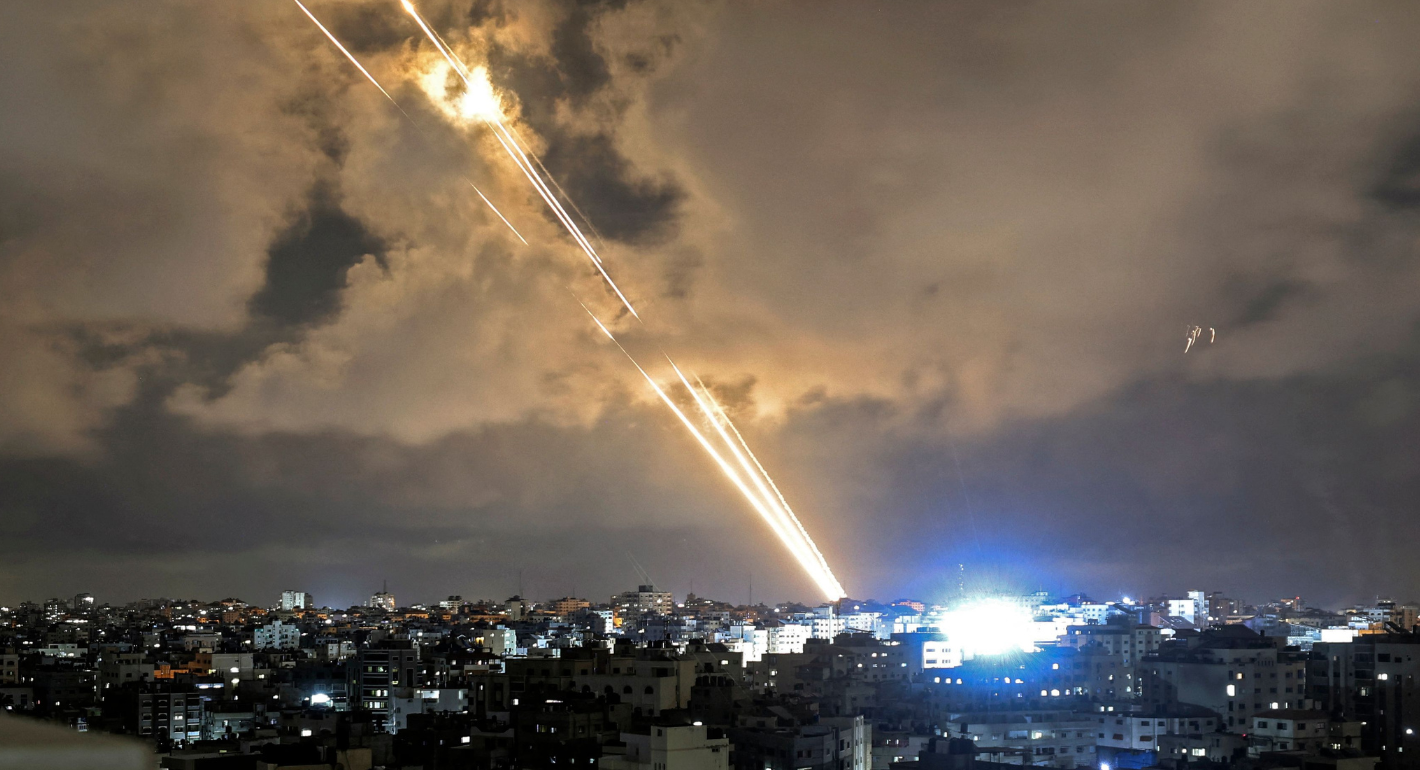
An Israeli response to Iran’s October 1 attack is imminent. The key question is of its intensity and potential fallout, both within Iran, in terms of nuclear security policy changes, and across the broader region. The coming days are likely to reshape West Asia irreversibly.
Gaddam Dharmendra
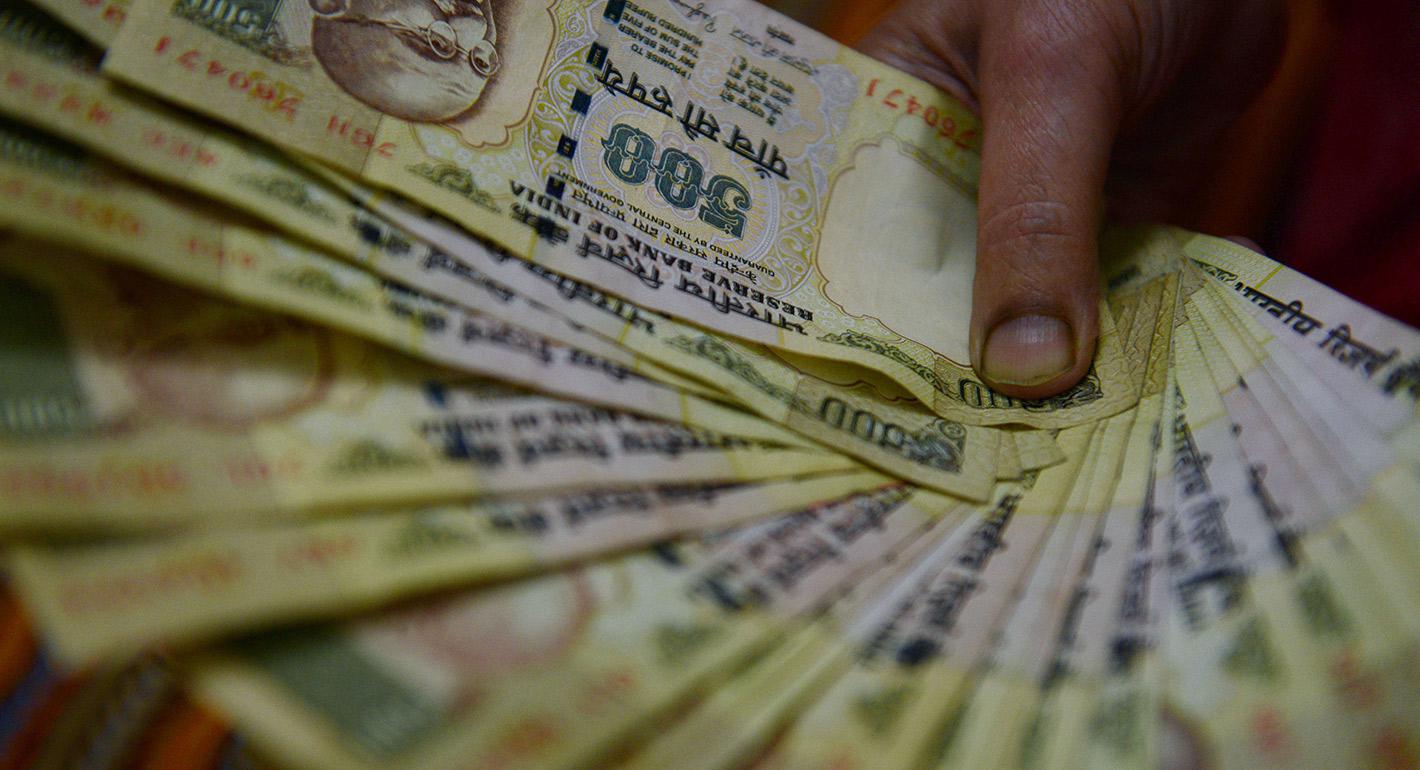
As India’s economy recovers from the coronavirus pandemic, Indian businesses need efficient financial structures to regain their ground. Key reforms to India’s Insolvency and Bankruptcy Code could fill these gaps.

Anirudh Burman

Access to cross-border data is an integral piece of the law enforcement puzzle. India is well placed to lead the discussions on international data agreements subject to undertaking necessary surveillance reforms.

Smriti Parsheera, Prateek Jha
After the coronavirus pandemic wanes, how will China’s reorientation of the Belt and Road Initiative to address global health concerns influence its relationships with South Asian countries?
Deep Pal, Rahul Bhatia
Early in the outbreak, government researchers forecast several high-risk scenarios that were downplayed or ignored in public messaging.
Gautam I. Menon