

In The Media
Lahcen Achy
{
  "authors": [
    "Lahcen Achy"
  ],
  "type": "legacyinthemedia",
  "centerAffiliationAll": "dc",
  "centers": [
    "Carnegie Endowment for International Peace",
    "Malcolm H. Kerr Carnegie Middle East Center"
  ],
  "collections": [
    "Arab Awakening"
  ],
  "englishNewsletterAll": "menaTransitions",
  "nonEnglishNewsletterAll": "",
  "primaryCenter": "Malcolm H. Kerr Carnegie Middle East Center",
  "programAffiliation": "MEP",
  "programs": [
    "Middle East"
  ],
  "projects": [],
  "regions": [
    "Gulf",
    "Yemen",
    "Middle East"
  ],
  "topics": [
    "Political Reform",
    "Economy"
  ]
}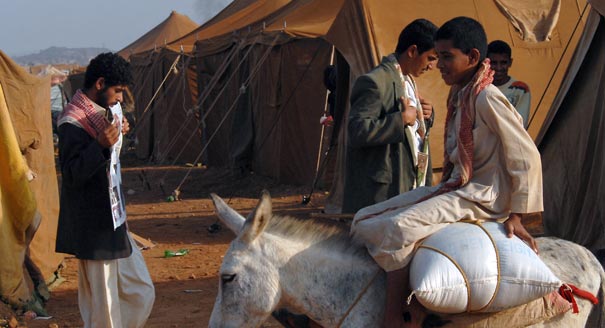
Source: Getty
Yemen’s long-term security is at risk, as popular unrest is fueled by a host of socioeconomic problems, including political instability stemming from internal conflicts, high unemployment, and a weak government crippled by widespread corruption.
Source: Los Angeles Times

The government also passed a series of economic measures to improve Yemenis’ livelihood. The package — expected to raise the 2011 budget deficit to $3.75 billion — includes a 25% increase in civil and military servants’ wages, a 50% cut in the national income tax and additional food subsidies. However, these measures fall short of expectations and fail to address the key structural issues behind the turmoil.
Yemen remains the poorest country in the Arab world, with a per-capita income of $1,300; almost half of the population lives on less than $2 a day. The country also holds the region’s worst human development records: a 54% literacy rate, a 62-year life expectancy, and high levels of maternal mortality and child malnutrition.
In addition, only four in 10 people have access to electricity and one in four people have clean drinking water. The situation may grow worse as Yemen’s population is expected to double to 40 million people by 2030.
A weak and oil-dependent economy aggravates the country’s poverty and demographic challenges. Petroleum accounts for roughly 25% of GDP, 70% of government revenue, and more than 90% of Yemen’s exports. While the government has implemented reforms recently to improve the investment climate — especially in the non-oil sector — Yemen represents a risky business environment given its political instability, weak rule of law, ineffective government and widespread corruption. The country ranked 146 of 178 on Transparency International’s 2010 corruption index.
Yemen’s high unemployment rate, which stands officially at 16.5% but is estimated to be much higher, is another challenge; almost half of youth are unemployed. Even those few people with university degrees lack the right skills to meet market demand. And leading job sectors — such as agriculture, the public sector and tourism — suffer from factors such as scarce water resources and political turmoil.
As a result, it’s not surprising that Yemen has failed to achieve political legitimacy and establish a productive economy. That’s why Yemen must begin developing a roadmap for the future now.
First, Yemenis must ensure a smooth political transition when Saleh leaves office and build strong institutions to enforce the law and fight corruption. Second, they must create sound economic policies to address poverty, unemployment, and mismanagement of public resources that are backed by institutions accountable to Yemenis. Otherwise, Yemen’s future may be severely constrained by reduced government revenue, weak state capacity and internal conflicts.
Finally, the regional Gulf Cooperation Council must identify ways to improve economic and employment prospects for Yemenis, including opening labor market access to job seekers and investing in Yemen. Each of these steps will help resolve the issues feeding Yemen’s unrest and ensure the country is more secure in the future.
Former Nonresident Senior Associate, Middle East Center
Achy is an economist with expertise in development, institutional economics, trade, and labor and a focus on the Middle East and North Africa.
Recent Work
Lahcen Achy
Lahcen Achy
Carnegie India does not take institutional positions on public policy issues; the views represented herein are those of the author(s) and do not necessarily reflect the views of Carnegie, its staff, or its trustees.

On March 10, 2026, India’s Union Cabinet approved amendments to Press Note 3, a regulation that mandated government approval on all foreign direct investment (FDI) from countries sharing a land border with India. This amendment raises questions primarily about whether its stated benefits will materialize and if the risks have been adequately weighed. This piece will address the same.

Konark Bhandari

This piece examines India’s response to U.S. sanctions and tariffs, specifically assessing the immediate market consequences, such as alterations in import costs, and the broader strategic implications for India’s energy security and foreign policy orientation.

Vrinda Sahai

This paper examines the evolution of India-China economic ties from 2005 to 2025. It explores the impact of global events, bilateral political ties, and domestic policies on distinct spheres of the economic relationship.

Santosh Pai
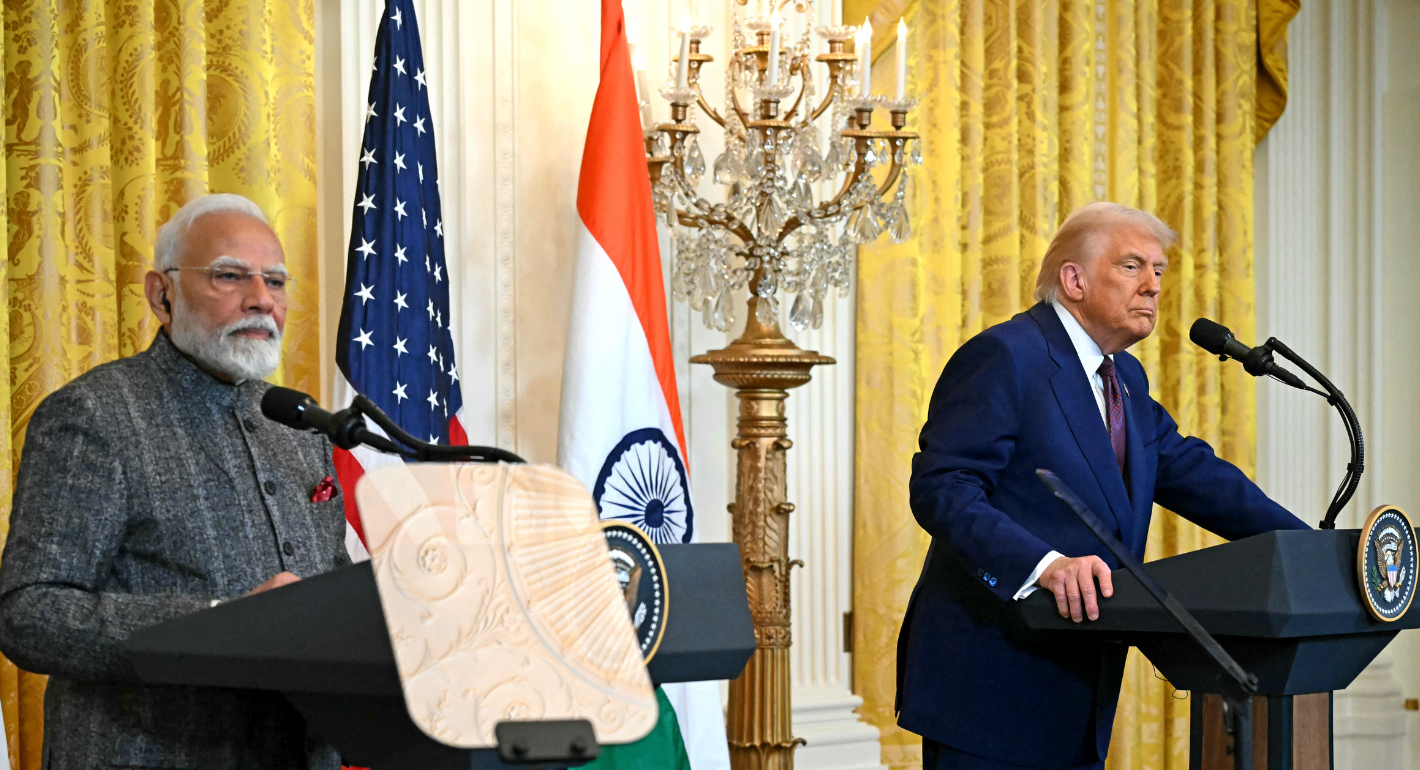
The India-U.S. relationship currently appears buffeted between three “Ts”—TRUST, Tariffs, and Trump.
Arun K. Singh
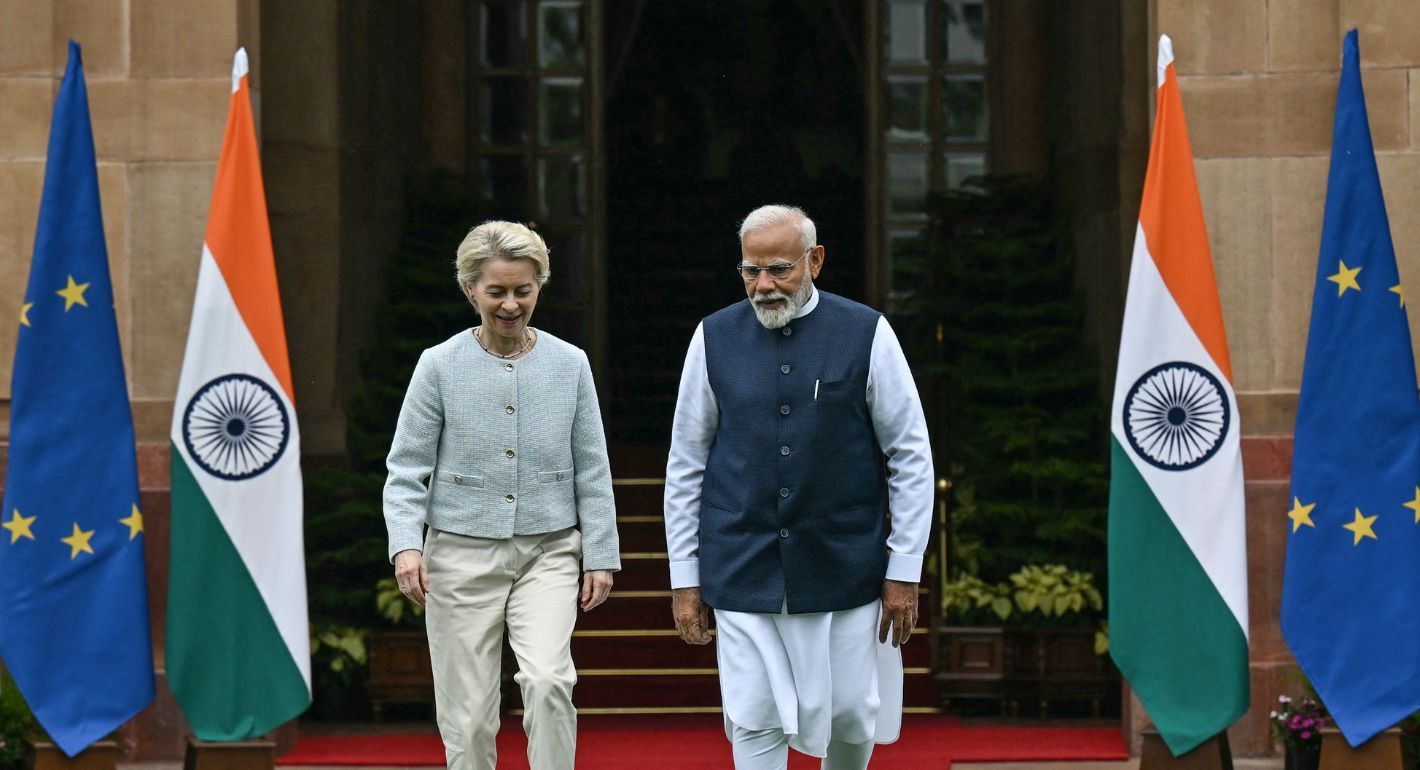
This article argues that the geopolitical circumstances have never been more conducive, not merely for the early conclusion of the free trade agreement (FTA) between India and the EU, but also for crafting a substantive and comprehensive strategic partnership.
Mohan Kumar