

Commentary
Evan A. Feigenbaum
{
  "authors": [
    "Evan A. Feigenbaum"
  ],
  "type": "other",
  "centerAffiliationAll": "dc",
  "centers": [
    "Carnegie Endowment for International Peace"
  ],
  "collections": [],
  "englishNewsletterAll": "asia",
  "nonEnglishNewsletterAll": "",
  "primaryCenter": "Carnegie Endowment for International Peace",
  "programAffiliation": "AP",
  "programs": [
    "Asia"
  ],
  "projects": [],
  "regions": [
    "South Asia",
    "East Asia",
    "Southeast Asia"
  ],
  "topics": []
}
Source: Getty
While Asia is being reborn and remade, the United States is badly prepared for this momentous rebirth, making it less relevant in each of Asia's constituent parts.
Source: Washington Quarterly

Today, after a 300-year hiatus, Asia is being reconnected at last. Chinese traders are again hawking their wares in Kyrgyz bazaars. Straits bankers are financing deals in India, with Singapore having become the second-largest source of India’s incoming foreign direct investment over the last decade (behind only Mauritius, which retains first place because of tax avoidance incentives). China lies at the core of industrial supply and production chains that stretch across Southeast Asia. And Chinese workers are building ports and infrastructure from Bangladesh to Pakistan to Sri Lanka. The governments of Turkmenistan and Uzbekistan have sold electricity southward, reconnecting their power grids to Afghanistan, while Kyrgyzstan and Tajikistan have signed an intergovernmental memorandum to sell electricity to Afghanistan and Pakistan. Chinese, Japanese, and Korean money is flowing across Asia.

Vice President for Studies
Evan A. Feigenbaum is vice president for studies at the Carnegie Endowment for International Peace, where he oversees work at its offices in Washington, New Delhi, and Singapore on a dynamic region encompassing both East Asia and South Asia. He served twice as Deputy Assistant Secretary of State and advised two Secretaries of State and a former Treasury Secretary on Asia.
Recent Work
Evan A. Feigenbaum
Evan A. Feigenbaum
Carnegie India does not take institutional positions on public policy issues; the views represented herein are those of the author(s) and do not necessarily reflect the views of Carnegie, its staff, or its trustees.
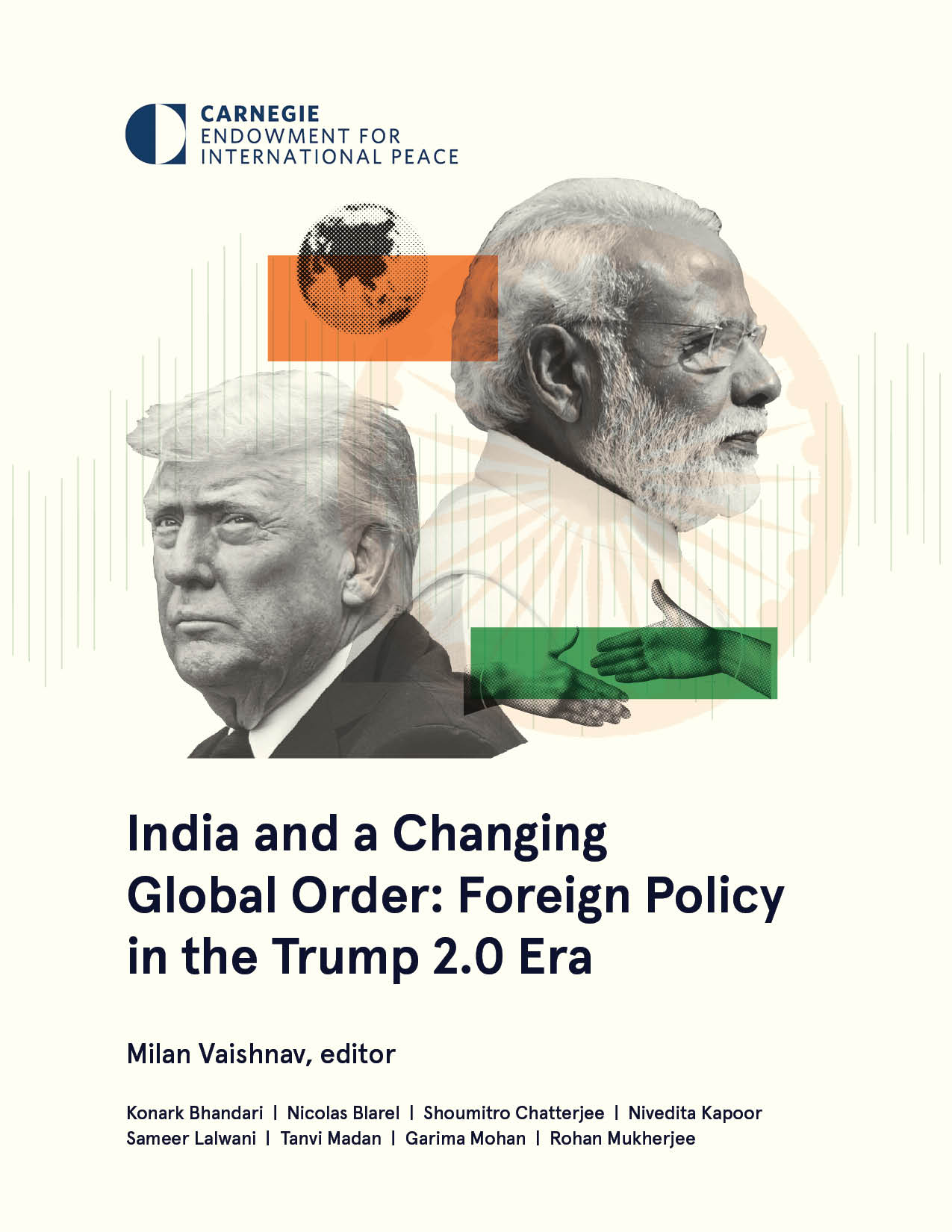
Trump 2.0 has unsettled India’s external environment—but has not overturned its foreign policy strategy, which continues to rely on diversification, hedging, and calibrated partnerships across a fractured order.



Milan Vaishnav, ed., Sameer Lalwani, Tanvi Madan, …
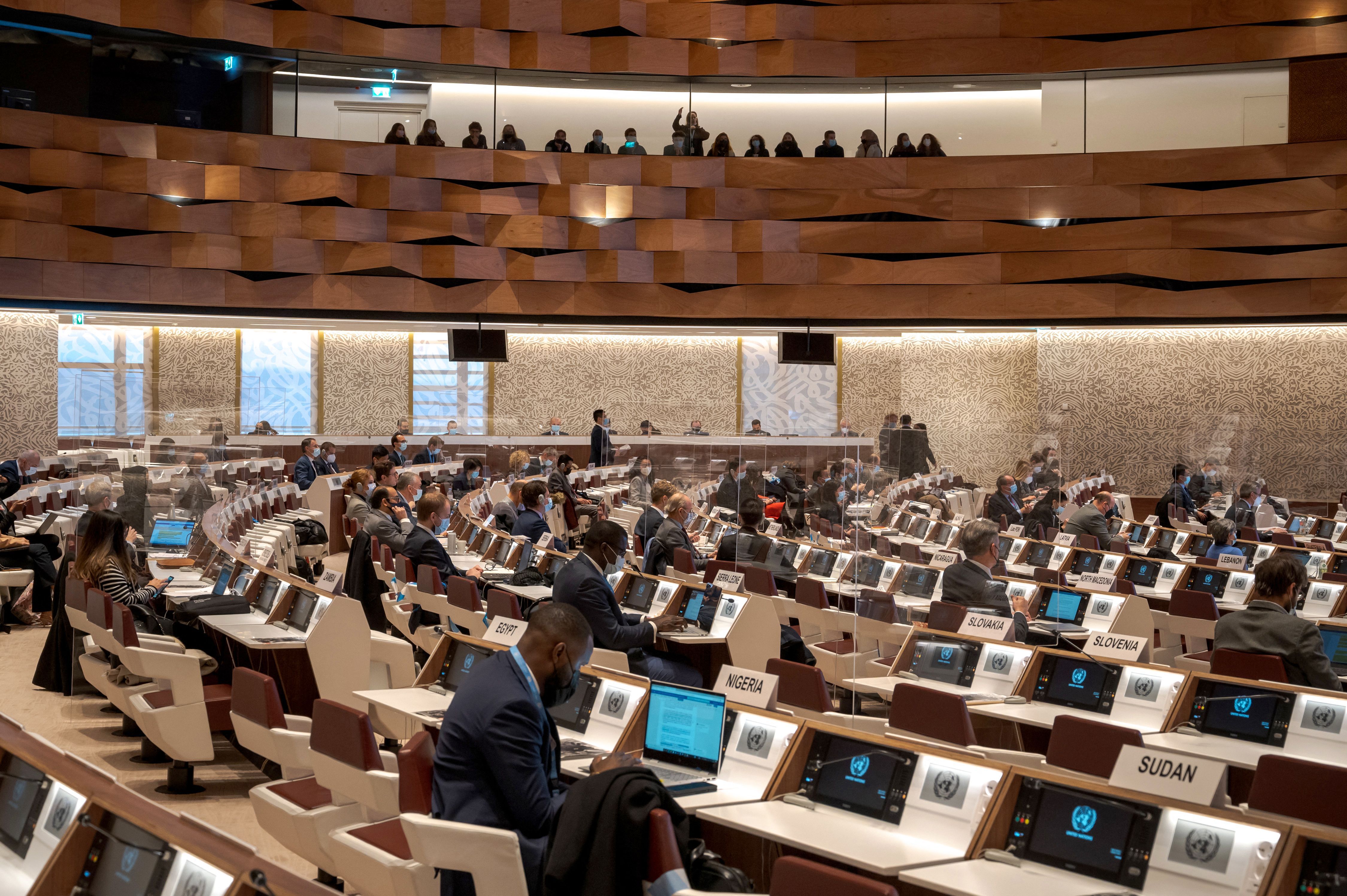
This article explores the global debate on lethal autonomous weapons systems (LAWS), highlighting the convergences, complexities, and differences within and beyond the UN Group of Governmental Experts (GGE) on LAWS. It further examines India’s key position at the GGE and the probable reasons behind them.


Charukeshi Bhatt, Tejas Bharadwaj

This essay is the first of a three-part series that will seek to understand the considerations for building compute capacity and the different pathways to accessing compute in India. This essay delves into the meaning of compute and unpacks the various layers of the compute stack.


Aadya Gupta, Adarsh Ranjan

This piece examines the strategic implications of Bhutan’s diplomatic efforts amid its border dispute with China, highlighting the thin ice it walks on to achieve a resolution without compromising its vital relationships.

Shibani Mehta

This article is part of a series that will discuss some of the themes and proposals that are being considered for an ex-ante framework in India under the Committee on Digital Competition Law (CDCL).

Konark Bhandari