

Article
Thomas de Waal
{
  "authors": [
    "Thomas de Waal"
  ],
  "type": "legacyinthemedia",
  "centerAffiliationAll": "dc",
  "centers": [
    "Carnegie Endowment for International Peace",
    "Carnegie Europe",
    "Carnegie Russia Eurasia Center"
  ],
  "collections": [],
  "englishNewsletterAll": "ctw",
  "nonEnglishNewsletterAll": "",
  "primaryCenter": "Carnegie Europe",
  "programAffiliation": "russia",
  "programs": [
    "Russia and Eurasia"
  ],
  "projects": [],
  "regions": [
    "Middle East",
    "Türkiye",
    "Caucasus",
    "Georgia"
  ],
  "topics": [
    "Political Reform",
    "Economy"
  ]
}
Source: Getty
Georgia's main party has won two elections and dominates the political landscape, but with high unemployment and growing food inflation, it risks becoming a victim of its own success.
Source: National Interest

The AK Party has transformed Turkey over the last decade. It has made the country an economic success story and the world’s 17th-largest economy. It has tamed the military, cleaned up the judiciary and reached out to minorities. Yet, the majority of Turkey analysts sighed with relief when the AKP failed to get a large majority in last Sunday’s general election. A haul of 326 seats out of 550 gives them a slightly smaller majority in parliament and means that the new government has to seek consensus in its efforts to rewrite the constitution. That will put a check on Recep Tayyip Erdoğan’s presumed intentions towards “Putinism” and making himself into a new strong executive president.
The Economist, a keen but not unconditional supporter of the AKP, ended up recommending a vote for the secularist CHP, a party that only a few years ago was regarded as a dinosaur, on the grounds Turkey will benefit from having a strong parliamentary opposition. (Also, presumably, the Economist understood that its endorsement would not actually change the minds of voters in Kayseri and that the AKP would get a majority anyway.)
Georgia will soon be at a similar crossroads. A successful party has won two elections and dominates the political landscape. In 2012–13 it faces a new challenge—although in Georgia’s case they are changing the constitution now, not later. Will they know when to stop or will they start undoing its good achievements as they try to preserve their power?
Georgia’s problems are more acute than Turkey’s. One-party systems come in different shapes and sizes, from the relatively benign (Washington DC, pre-coalition Britain) to the authoritarian or dictatorial (Turkmenistan and Syria). In the case of Georgia, it is worrying that the governing elite controls not just the government and parliament but almost all regional authorities. Furthermore, it has the support of the three major television channels and the judiciary is weak.
I’ve just spent several months working on a new report on the future of Georgia, entitled “Georgia’s Choices” and I was struck by how sophisticated the governing elite has become, using Western technology and PR techniques to ensure it stays ahead of the game. This is part of a wider phenomenon in the post-Soviet world. States are getting stronger and so is the ability of governing elites to maintain themselves in power. The ruling party transmits the idea that there is no alternative and backs this up with a massive display of resources. In the case of Georgia—which is actually more pluralist than its neighbors—in last year’s mayoral election in Tbilisi the official candidate Gigi Ugulava outspent the main opposition candidate Irakli Alasania by a factor of 100 to one.
Out in the villages it is simpler. As I traveled through the villages of Kakheti, the wine-growing region of eastern Georgia, a region of high unemployment and deep poverty, I saw the number five everywhere painted on walls. It was the place on the ballot form of the governing United National Movement in the last parliamentary election and will be again in 2012. A few public meetings, appeals not to rock the boat and a few public works ensure rural voters can be guaranteed to turn out and vote for no. 5 again.
Mikheil Saakashvili is no Hosni Mubarak (pace National Interest columnist Tsotne Bakuria). He still commands high popularity in Georgia. His problem is not a desiccated lack of ideas but an exuberant excess of them. The real test will come with the economy. Like Turkey, Georgia has marketed itself as an economic success story, but its main victories date back to the 2004-08 period.
In Turkey, the general fear is of an overheating economy. Georgia can only dream of those problems. The ultra-liberal recipes that saw a rapid influx of foreign investment in 2006-08 are offering little to cure entrenched poverty. Georgia has a relatively healthy growth rate this year but also persistently high unemployment and food inflation topping 30 percent. A once-proud agricultural land now imports four-fifths of its food. In a survey last November, one quarter of the population reported that they did not have enough money to buy food.
Confronted with those kinds of problems, multi-party politics should start to look more attractive. It is useful sometimes to be able to share the blame.

Senior Fellow, Carnegie Europe
Thomas de Waal is a senior fellow at Carnegie Europe, specializing in Eastern Europe and the Caucasus.
Recent Work
Thomas de Waal
Thomas de Waal
Carnegie India does not take institutional positions on public policy issues; the views represented herein are those of the author(s) and do not necessarily reflect the views of Carnegie, its staff, or its trustees.

On March 10, 2026, India’s Union Cabinet approved amendments to Press Note 3, a regulation that mandated government approval on all foreign direct investment (FDI) from countries sharing a land border with India. This amendment raises questions primarily about whether its stated benefits will materialize and if the risks have been adequately weighed. This piece will address the same.

Konark Bhandari

This piece examines India’s response to U.S. sanctions and tariffs, specifically assessing the immediate market consequences, such as alterations in import costs, and the broader strategic implications for India’s energy security and foreign policy orientation.

Vrinda Sahai
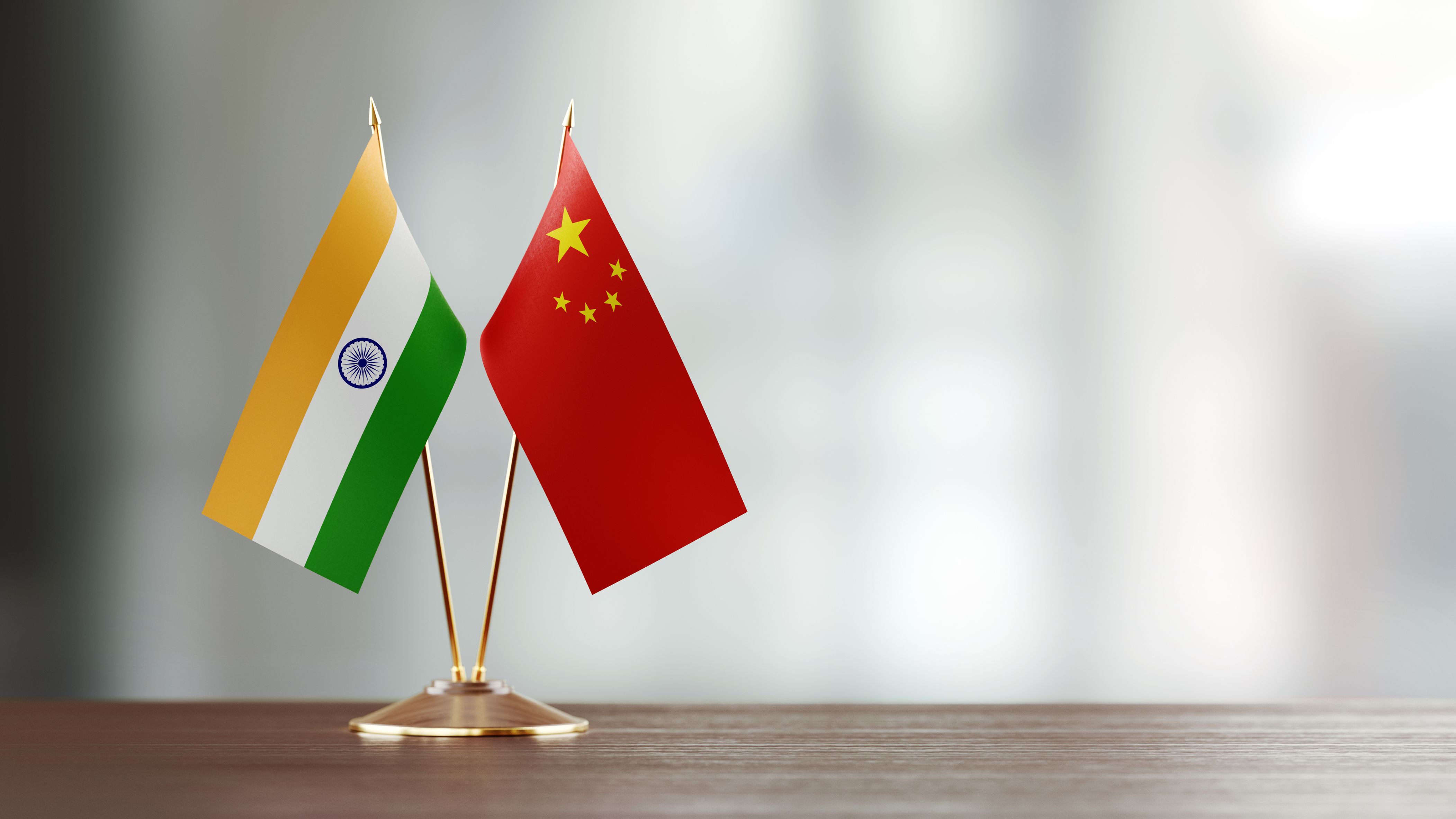
This paper examines the evolution of India-China economic ties from 2005 to 2025. It explores the impact of global events, bilateral political ties, and domestic policies on distinct spheres of the economic relationship.

Santosh Pai
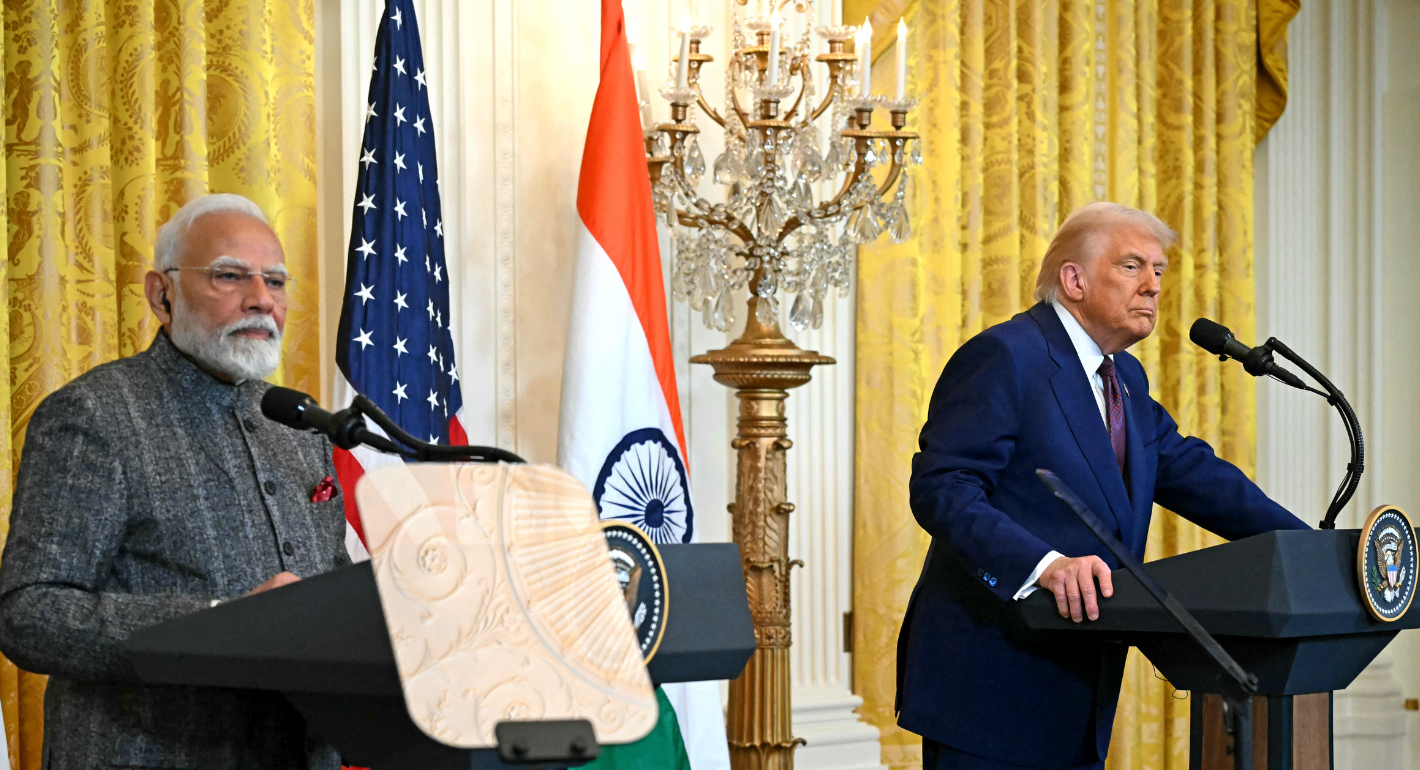
The India-U.S. relationship currently appears buffeted between three “Ts”—TRUST, Tariffs, and Trump.
Arun K. Singh
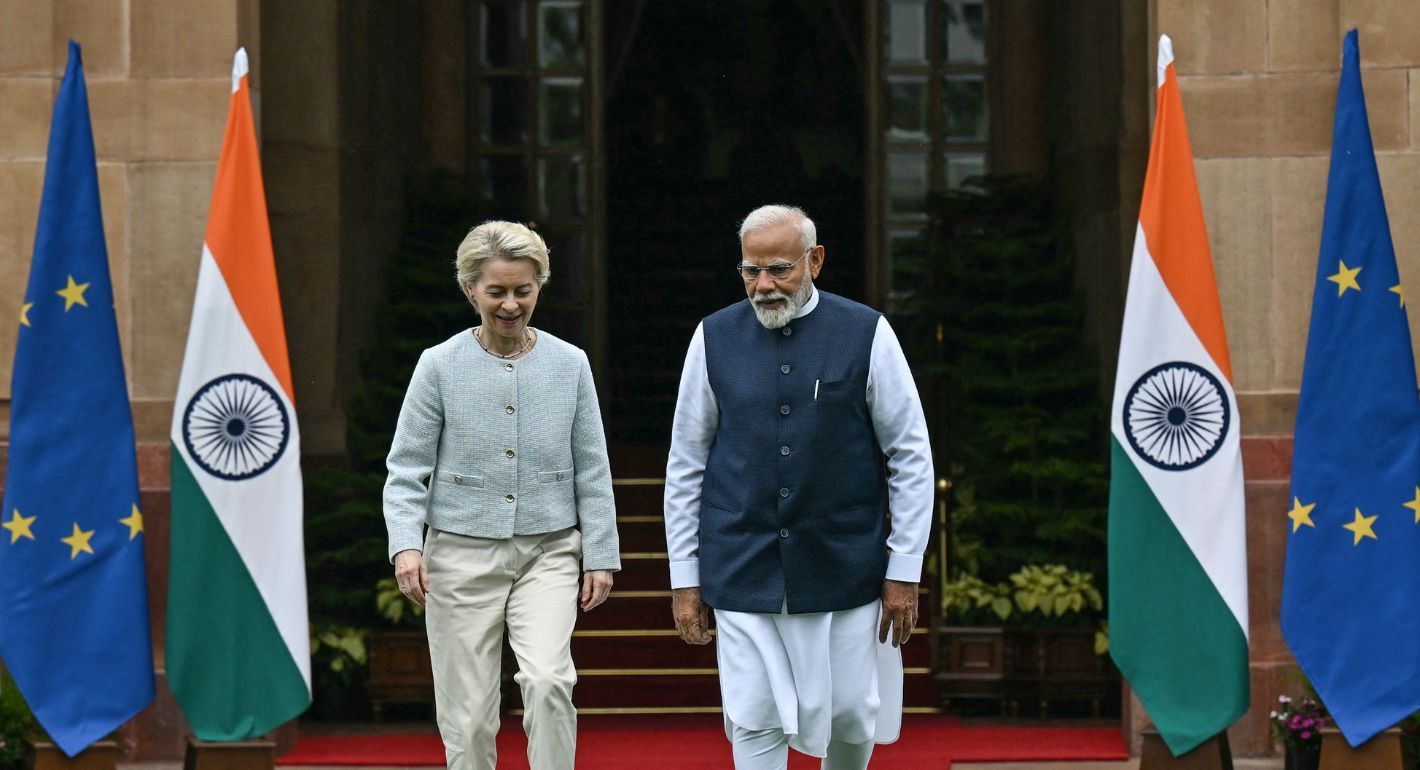
This article argues that the geopolitical circumstances have never been more conducive, not merely for the early conclusion of the free trade agreement (FTA) between India and the EU, but also for crafting a substantive and comprehensive strategic partnership.
Mohan Kumar