• Research
  • About
  • Experts
Carnegie India logoCarnegie lettermark logo
{
  "authors": [
    "James M. Acton"
  ],
  "type": "other",
  "centerAffiliationAll": "dc",
  "centers": [
    "Carnegie Endowment for International Peace",
    "Carnegie Russia Eurasia Center",
    "Carnegie China"
  ],
  "collections": [
    "U.S. Nuclear Policy"
  ],
  "englishNewsletterAll": "ctw",
  "nonEnglishNewsletterAll": "",
  "primaryCenter": "Carnegie Endowment for International Peace",
  "programAffiliation": "NPP",
  "programs": [
    "Nuclear Policy"
  ],
  "projects": [],
  "regions": [
    "North America",
    "United States",
    "Caucasus",
    "Russia"
  ],
  "topics": [
    "Nuclear Policy",
    "Arms Control"
  ]
}
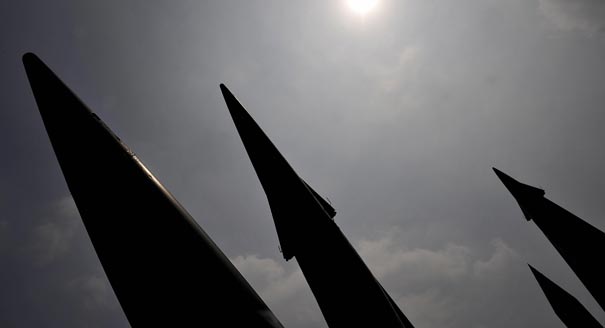
Source: Getty

Other

Getting STARTed: Short-Term Steps to Advance the Long-Term Goal of Deep Nuclear Reductions

The next round of U.S.- Russia arms control presents some truly daunting challenges but there is much that the Obama administration could do in the remainder of its first term to lay the groundwork for another treaty while reducing nuclear risks.

Link Copied
By James M. Acton
Published on Jul 7, 2011
The next round of U.S.-Russia arms control presents some truly daunting challenges. Realistically, another arms reduction treaty is likely to be out of reach for the Obama administration, even if it wins a second term. Fortunately, there is much that it could do in the remainder of its first term—unilaterally, bilaterally, and multilaterally—to lay the groundwork for another treaty while reducing nuclear risks. To this end, the administration should:
  • Secure presidential involvement in the ongoing U.S. targeting review;
  • Publicly challenge Russia to engage on tactical nuclear weapons;
  • Design a single-warhead intercontinental ballistic missile to replace Minuteman III;
  • Identify a clear military goal for ballistic missile defense cooperation;
  • Prepare the domestic ground for counting all Conventional Prompt Global Strike systems as nuclear-armed in future arms control agreements;
  • Pursue non-binding confidence-building measures on conventional cruise missiles;
  • Restart reciprocal transparency visits to nuclear-weapon production complexes; and
  • Engage other nuclear-weapon states.
Further reductions can ultimately be achieved only if other states choose to play their parts. Yet, by putting constructive proposals on the table, the United States stands to gain whether or not international cooperation is forthcoming. If other states do engage, the United States will have succeeded in starting the long process toward a world with far fewer nuclear weapons; if they do not, it will be clear to the international community that the real barriers to progress in disarmament do not lie in Washington.

About the Author

James M. Acton

Jessica T. Mathews Chair, Co-director, Nuclear Policy Program

Acton holds the Jessica T. Mathews Chair and is co-director of the Nuclear Policy Program at the Carnegie Endowment for International Peace.

    Recent Work

  • Other
    Unpacking Trump’s National Security Strategy
      • Cecily Brewer
      • +18

      James M. Acton, Saskia Brechenmacher, Cecily Brewer, …

  • Commentary
    Trump Has an Out on Nuclear Testing. He Should Take It.

      James M. Acton

James M. Acton
Jessica T. Mathews Chair, Co-director, Nuclear Policy Program
James M. Acton
Nuclear PolicyArms ControlNorth AmericaUnited StatesCaucasusRussia

Carnegie India does not take institutional positions on public policy issues; the views represented herein are those of the author(s) and do not necessarily reflect the views of Carnegie, its staff, or its trustees.
More Work from Carnegie India

  • Article
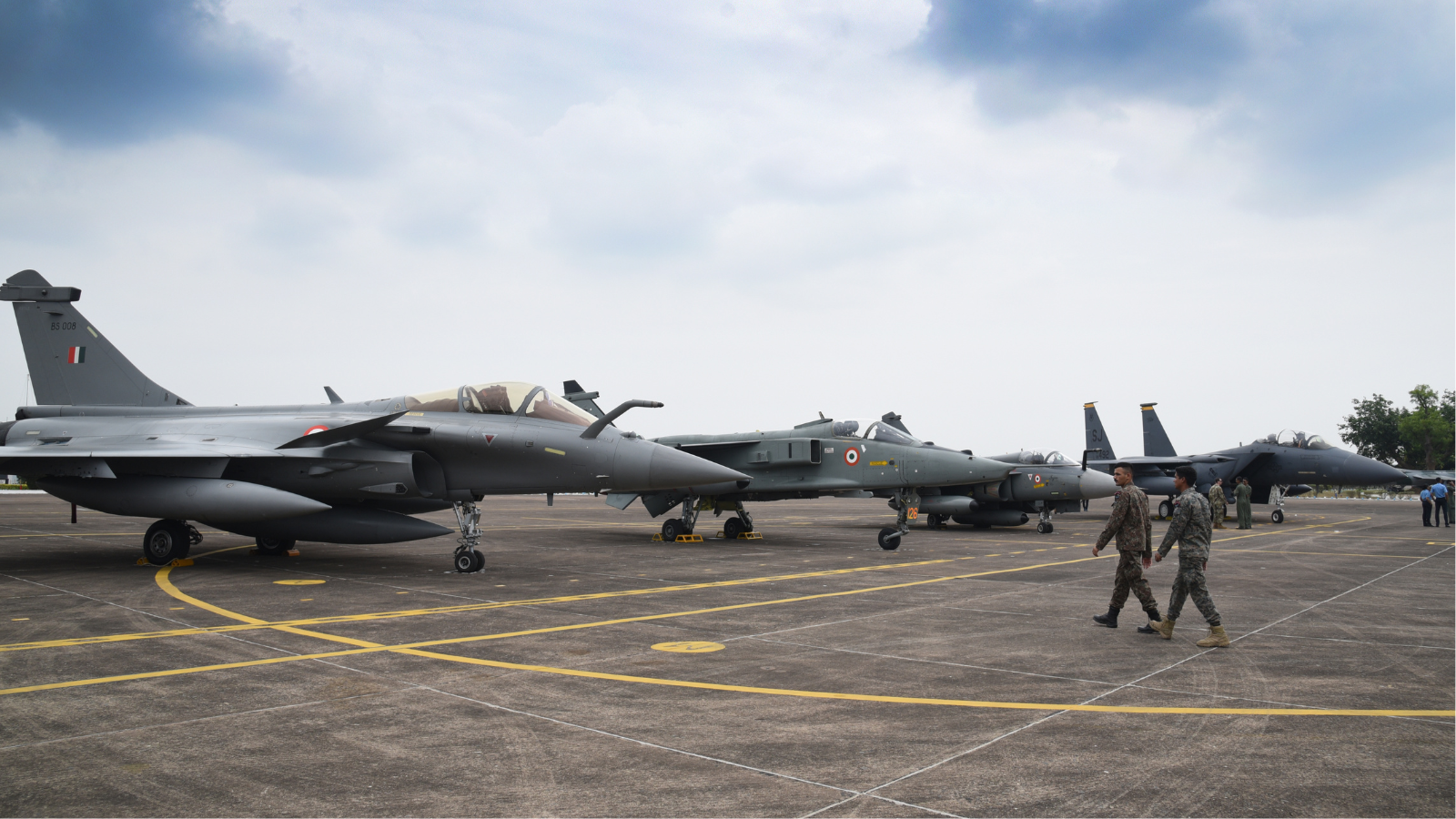
    What Could a Reciprocal Defense Procurement Agreement Do for U.S.-India Ties?

    India and the United States are close to concluding a Reciprocal Defense Procurement Agreement (RDPA) that will allow firms from the two countries to sell to each other’s defense establishments more easily. While this may not remedy the specific grievances both sides may have regarding larger bilateral issues, an RDPA could restore some momentum, following the trade deal announcement.

      Konark Bhandari

  • Commentary
    India Signs the Pax Silica—A Counter to Pax Sinica?

    On the last day of the India AI Impact Summit, India signed Pax Silica, a U.S.-led declaration seemingly focused on semiconductors. While India’s accession to the same was not entirely unforeseen, becoming a signatory nation this quickly was not on the cards either.

      Konark Bhandari

  • Commentary
    The Impact of U.S. Sanctions and Tariffs on India’s Russian Oil Imports

    This piece examines India’s response to U.S. sanctions and tariffs, specifically assessing the immediate market consequences, such as alterations in import costs, and the broader strategic implications for India’s energy security and foreign policy orientation.
      Vrinda Sahai
  • Commentary
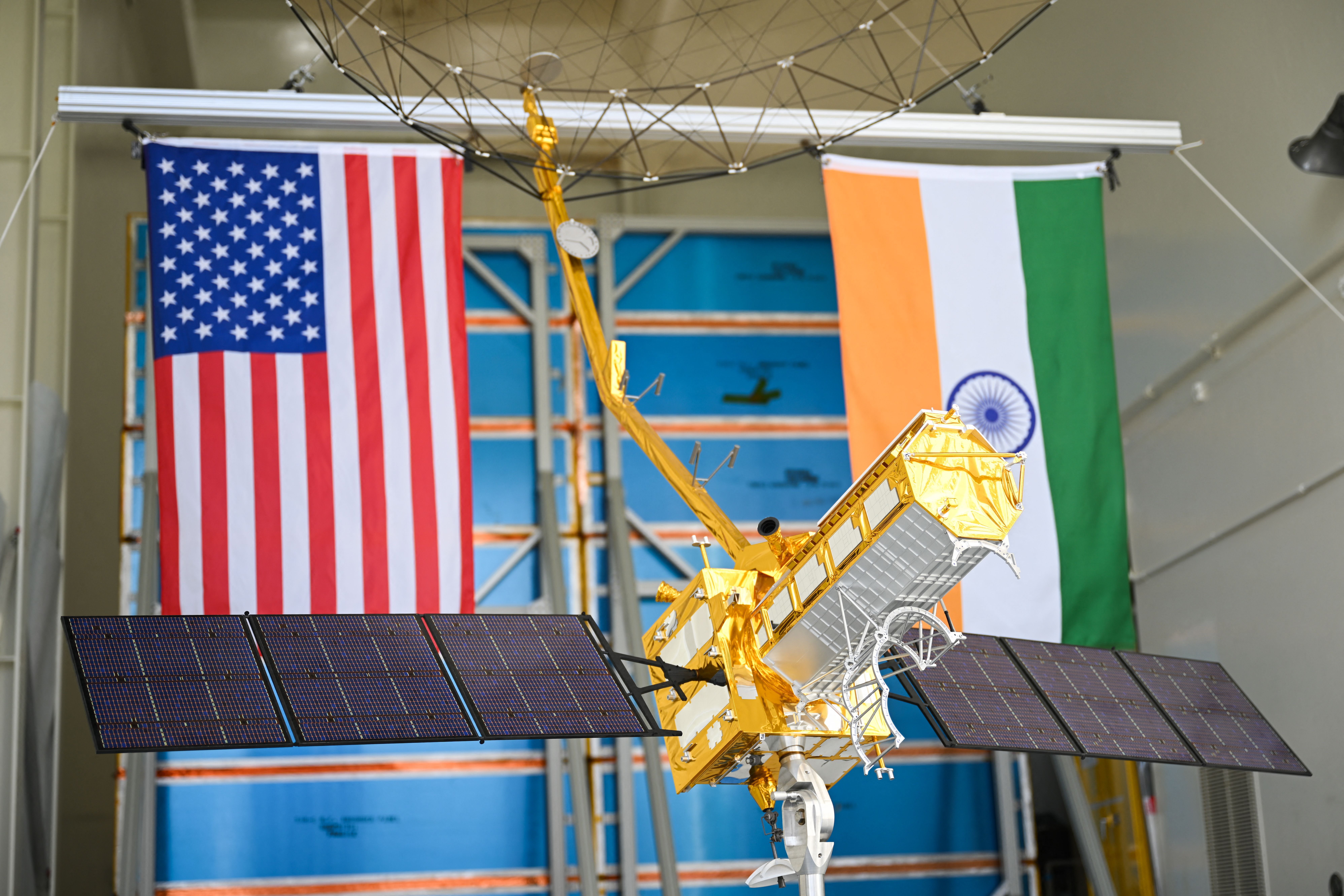
    NISAR Soars While India-U.S. Tariff Tensions Simmer

    On July 30, 2025, the United States announced 25 percent tariffs on Indian goods. While diplomatic tensions simmered on the trade front, a cosmic calm prevailed at the Sriharikota launch range. Officials from NASA and ISRO were preparing to launch an engineering marvel into space—the NASA-ISRO Synthetic Aperture Radar (NISAR), marking a significant milestone in the India-U.S. bilateral partnership.

      Tejas Bharadwaj
  • Commentary
    TRUST and Tariffs

    The India-U.S. relationship currently appears buffeted between three “Ts”—TRUST, Tariffs, and Trump.

      Arun K. Singh

Get more news and analysis from
Carnegie India
Carnegie India logo, white
Unit C-4, 5, 6, EdenparkShaheed Jeet Singh MargNew Delhi – 110016, IndiaPhone: 011-40078687
  • Research
  • About
  • Experts
  • Projects
  • Events
  • Contact
  • Careers
  • Privacy
  • For Media
Get more news and analysis from
Carnegie India
© 2026 Carnegie Endowment for International Peace. All rights reserved.