• Research
  • About
  • Experts
Carnegie India logoCarnegie lettermark logo
AI
{
  "authors": [
    "Toby Dalton"
  ],
  "type": "legacyinthemedia",
  "centerAffiliationAll": "dc",
  "centers": [
    "Carnegie Endowment for International Peace",
    "Carnegie Europe"
  ],
  "collections": [],
  "englishNewsletterAll": "ctw",
  "nonEnglishNewsletterAll": "",
  "primaryCenter": "Carnegie Endowment for International Peace",
  "programAffiliation": "NPP",
  "programs": [
    "Nuclear Policy"
  ],
  "projects": [],
  "regions": [
    "Middle East",
    "Iran",
    "Syria"
  ],
  "topics": [
    "Nuclear Policy"
  ]
}
Source: Getty

In The Media

Maintaining the Nuclear Order

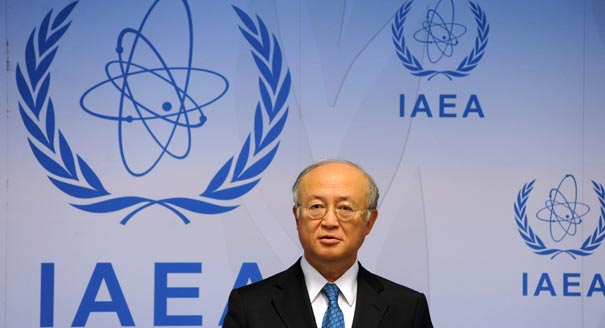
The existing nuclear order faces unprecedented changes. In navigating this changing landscape, the International Atomic Energy Agency faces three principal challenges.

Link Copied
By Toby Dalton
Published on Aug 9, 2011

Source: Insights on Law and Society

Maintaining the Nuclear OrderThe existing nuclear order faces unprecedented changes. Iran and Syria are in breach of their safeguards commitments and may yet develop nuclear weapons. Non-nuclear weapon states are demanding more immediate and permanent steps from the United States, Russia, and other nuclear weapon holders to disarm. And despite the Fukushima nuclear accident in Japan, many states are considering nuclear power, including in politically volatile regions such as the Middle East.

At the center of the nuclear order is the International Atomic Energy Agency (IAEA), the United Nations agency charged with verifying that nuclear programs remain peaceful and with facilitating the development of nuclear energy. In navigating this changing landscape, the IAEA faces three principal challenges.
 
First, there is increasing divergence of political will and legal authority on compliance. In the cases of Iran and Syria,
the IAEA has the necessary authority to request and carry out all-encompassing inspections without notice, but IAEA
member states do not have the political will to support the IAEA’s writ. 
 
Second, the IAEA faces increasing demands on its time and expertise in carrying out safeguards and facilitating nuclear energy, but without accompanying budgetary growth. If the IAEA is to be effective in carrying out both responsibilities, it needs adequate financial support from member states. 
 
Finally, there is a looming shortage of technical staff with the expertise to take on complex nuclear safeguards issues. Although the nuclear renaissance has spawned renewed interest in nuclear physics and engineering, including in the United States, there are currently too few students in the pipeline globally to meet the IAEA’s future staff requirements. 
 
In the next decade, the IAEA will face increasing shortages of political, financial, and technical support. Without increases in all three, the current nuclear order may soon be characterized by disorder, with potential negative consequences across the globe.

About the Author

Toby Dalton

Senior Fellow and Co-director, Nuclear Policy Program

Toby Dalton is a senior fellow and co-director of the Nuclear Policy Program at the Carnegie Endowment. An expert on nonproliferation and nuclear energy, his work addresses regional security challenges and the evolution of the global nuclear order.

    Recent Work

  • Article
    Promoting Responsible Nuclear Energy Conduct: An Agenda for International Cooperation

      Ariel (Eli) Levite, Toby Dalton

  • Research
    A New Era of Nuclear-Powered Submarines Is Making Waves in Nuclear-Weapon-Free Zones
      • +5

      Toby Dalton, Jamie Kwong, Ryan A. Musto, …

Toby Dalton
Senior Fellow and Co-director, Nuclear Policy Program
Toby Dalton
Nuclear PolicyMiddle EastIranSyria

Carnegie India does not take institutional positions on public policy issues; the views represented herein are those of the author(s) and do not necessarily reflect the views of Carnegie, its staff, or its trustees.
More Work from Carnegie India

  • Article
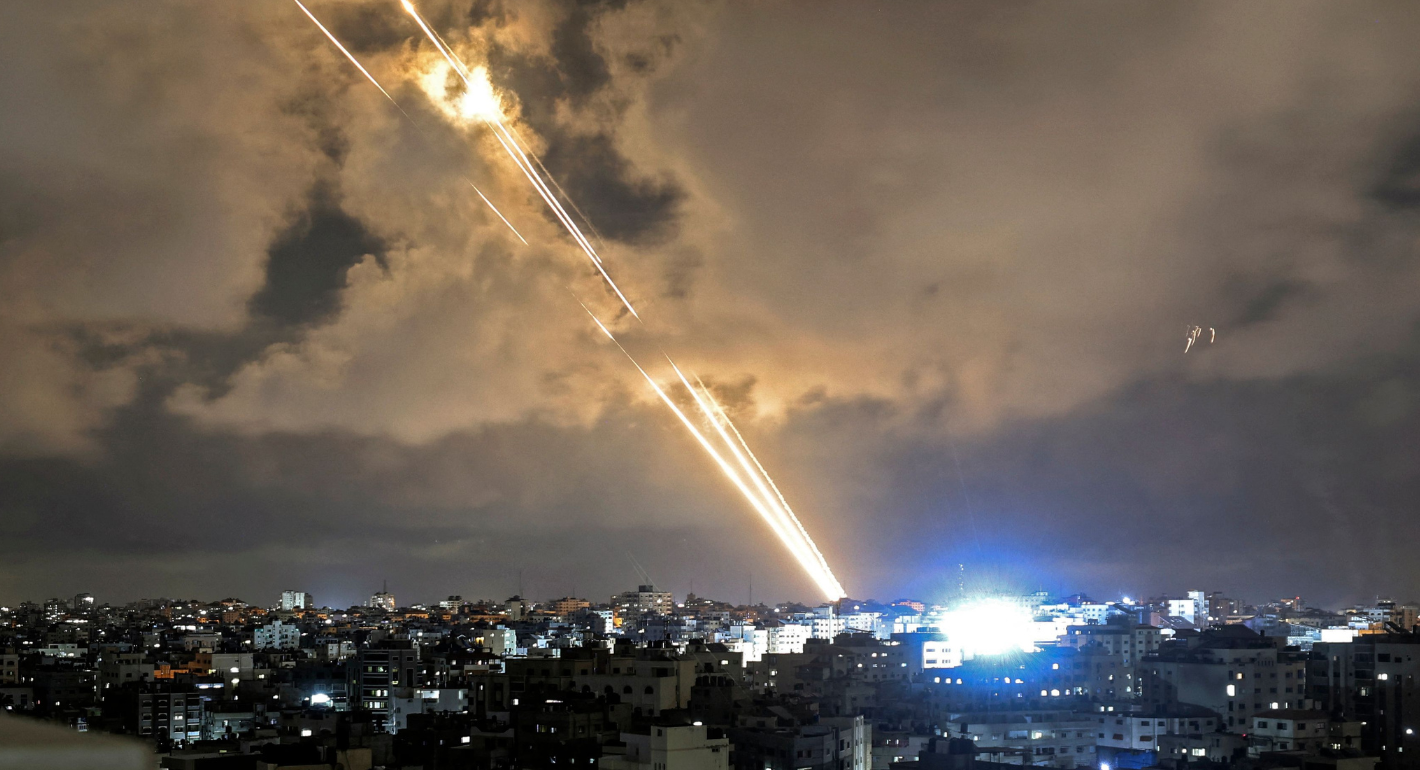
    Risk and Retaliation: Israel, Iran, and the Evolving Situation in West Asia

    An Israeli response to Iran’s October 1 attack is imminent. The key question is of its intensity and potential fallout, both within Iran, in terms of nuclear security policy changes, and across the broader region. The coming days are likely to reshape West Asia irreversibly.
      Gaddam Dharmendra
  • Commentary
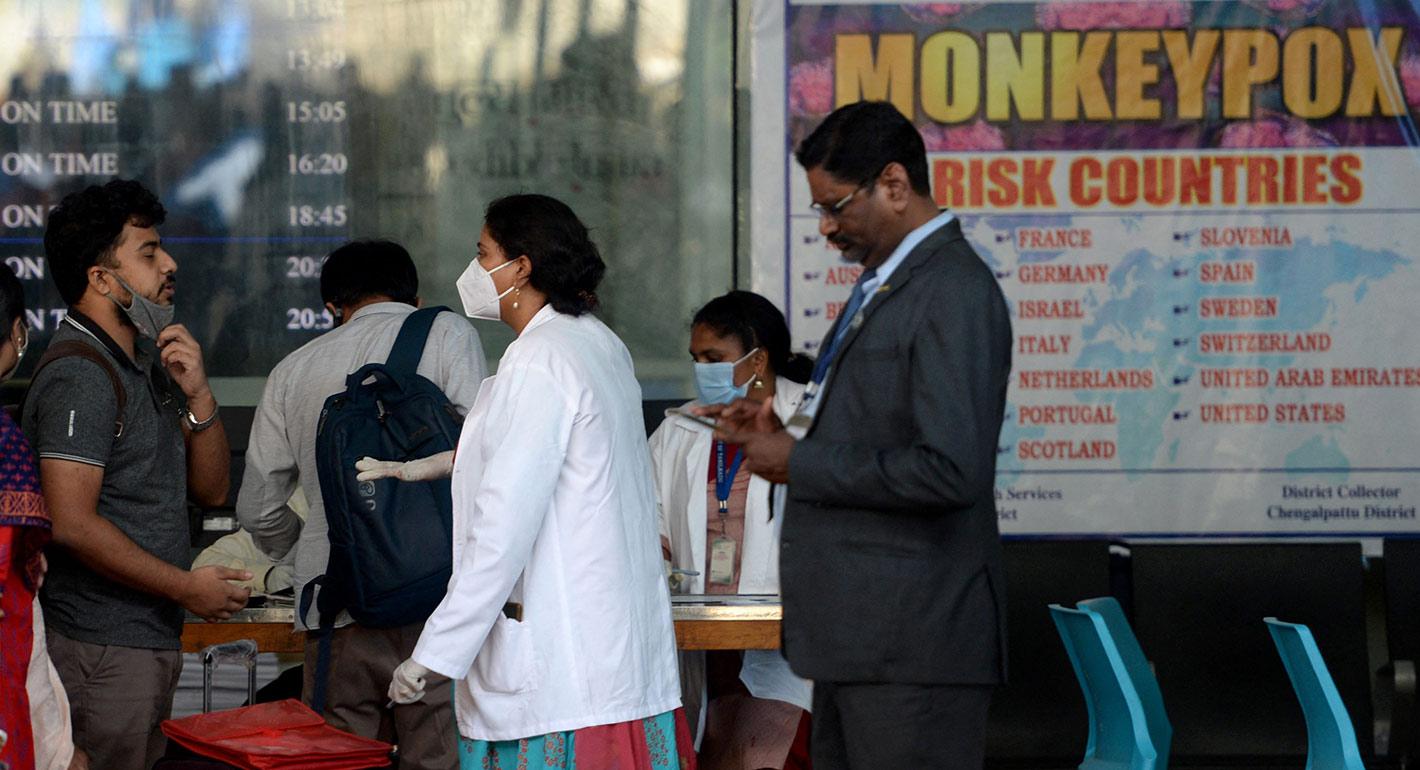
    How WHO’s “One Health” Program Can Help India Tackle Monkeypox

    With monkeypox being declared a global health emergency, the WHO approach is an innovative and effective way to curb outbreaks of zoonotic diseases.

      Shruti Sharma
  • Paper
    Lessons from the Coronavirus Pandemic: Leveraging Biotechnology to Tackle Infectious Diseases in India

    In India, biotechnology has played an important role in helping stakeholders in academia, industry, and government develop new pandemic-related technology, from test kits to respiratory devices. But these biotechnology advancements can go further to strengthen India’s public health capacity.

      Shruti Sharma
  • Commentary
    Combating Vaccine Hesitancy in India

    Unless the government can up its communications game, anti-vax movements could prolong India’s pandemic effects.

      Shruti Sharma
  • Commentary
    How Should Countries Study Viruses Safely?

    The uncertain origin of the coronavirus has focused attention on gain-of-function research—studying viruses to learn how they spread. How can countries work together to ensure stringent safety standards?

      Shruti Sharma

Get more news and analysis from
Carnegie India
Carnegie India logo, white
Unit C-4, 5, 6, EdenparkShaheed Jeet Singh MargNew Delhi – 110016, IndiaPhone: 011-40078687
  • Research
  • About
  • Experts
  • Projects
  • Events
  • Contact
  • Careers
  • Privacy
  • For Media
Get more news and analysis from
Carnegie India
© 2026 Carnegie Endowment for International Peace. All rights reserved.