

Research
- +10
Rosa Balfour, Frances Z. Brown, Yasmine Farouk, …
{
  "authors": [
    "Moisés Naím"
  ],
  "type": "legacyinthemedia",
  "centerAffiliationAll": "",
  "centers": [
    "Carnegie Endowment for International Peace"
  ],
  "collections": [
    "Arab Awakening"
  ],
  "englishNewsletterAll": "",
  "nonEnglishNewsletterAll": "",
  "primaryCenter": "Carnegie Endowment for International Peace",
  "programAffiliation": "",
  "programs": [],
  "projects": [],
  "regions": [
    "North America"
  ],
  "topics": [
    "Political Reform",
    "Economy",
    "Climate Change",
    "Nuclear Policy"
  ]
}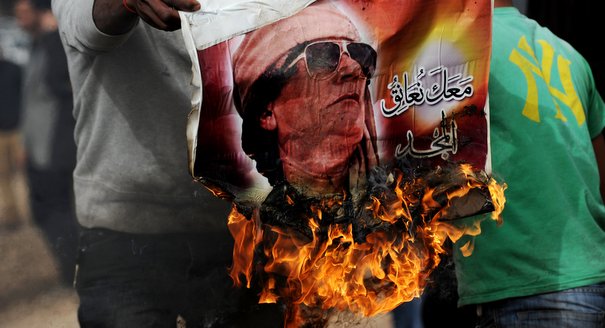
Source: Getty
In 2011, a number of conceptions about the way the world is run took a serious hit, including the idea that inequality must be accepted and that national interests should be above electoral ambition.
Source: El País

First: Tolerance of inequality. Economic inequality and social injustice have always existed, and are not going away anytime soon. But in 2011, the idea that they are inevitable and must be accepted came under serious attack. The economic crisis in Europe and the United States highlighted something that we already knew, but that had not gained the political potency it did this year: too few have too much, and too many have too little. There's nothing new in this, but now, the statistics, and the reality, of economic inequities are on everybody's minds. And, as we were so brutally reminded by the death of Mohamed Bouazizi, the young fruit seller who set himself on fire in a small town in Tunisia, anger is no longer just about economic disparities, but also about injustice and lack of dignity. Millions of people throughout the Arab world took to the streets and overthrew dictators, refusing to accept the idea that their future would look like their past. Inequality and injustice will not disappear, but it became much more difficult to defend them in 2011.
Second: respect for politicians, experts and the wealthy. This was a bad year for those empowered by voters, knowledge or money. We learned that many rulers do not have either the power or the ability to make fundamental decisions, that each famous economist has a different explanation and solution for the crisis, and that many of the wealthy (individuals as well as companies) who contributed to the current debacle are living largely unburdened by the consequence of their actions. In 2011, the authority of governments, experts and business leaders was hit hard. We don't believe them, we don't trust them. And authority depends on legitimacy and credibility.
Third: intransigent opposition is good politics. The inability of Republicans and Democrats in the United States to agree on vital issues is perhaps the most infamous example over the last year. But the European crisis also worsened as a result of the politicians' inability to act. The paralyzing confrontation between the government and the opposition in Italy, Spain and Belgium had nothing to envy to that we see in the United States. And political gridlock went global in 2011. From Thailand to Japan, from Pakistan to South Africa, political polarization has morphed into governmental paralysis. The idea that national interests should be above electoral ambition has been out of currency for some time. In 2011 this toxic trend deepened and dispersed.
Fourth: the planet has a climate emergency. The idea that we need to act now, and unequivocally, to slow down global warming did not rank high in the world's agenda this year. It was displaced by economic crises, debt crashes, unemployment, the repeated failures to resolve the crises, the assassination of Bin Laden, the Arab spring, and many other events. Inevitably, however, the world's health continues its precipitous decline: the most recent data, accurate and unquestionable, show that the average surface temperature of the planet has increased by 1ºC in just 50 years. This increase is faster than the scientific community had assumed. But the idea that we need to do something about it fell in popularity this year.
Fifth: it is better not to have nuclear weapons. In 2011, the world's tyrants took note of Muammar Gaddafi's fate, and of the continued survival of his Asian equivalent, North Korea's Kim Jong-Il. The first decided against building a nuclear arsenal, and the second is holding onto his warheads, even though his population is starving. If they had any doubts before, the end of Gaddafi clearly showed that a dictator's survival depends on having nuclear weapons to protect himself against foreigners who might intervene and an army willing to shoot at his own people when they become too riotous.
Obviously this is an incomplete list. There are many other ideas that did not fare well in 2011. It was not a good year for Al Qaeda as an idea or Hugo Chavez' 21st Century Socialism. The notion that absolute prohibition is the best way to deal with drugs or that the Tea Party would become a dominant force in American politics have lost appeal and supporters. And there are more. Which ones? Share them via Twitter: @moisesnaim.

Distinguished Fellow
Moisés Naím is a distinguished fellow at the Carnegie Endowment for International Peace, a best-selling author, and an internationally syndicated columnist.
Recent Work



Rosa Balfour, Frances Z. Brown, Yasmine Farouk, …
Moisés Naím
Carnegie India does not take institutional positions on public policy issues; the views represented herein are those of the author(s) and do not necessarily reflect the views of Carnegie, its staff, or its trustees.

On March 10, 2026, India’s Union Cabinet approved amendments to Press Note 3, a regulation that mandated government approval on all foreign direct investment (FDI) from countries sharing a land border with India. This amendment raises questions primarily about whether its stated benefits will materialize and if the risks have been adequately weighed. This piece will address the same.

Konark Bhandari

This piece examines India’s response to U.S. sanctions and tariffs, specifically assessing the immediate market consequences, such as alterations in import costs, and the broader strategic implications for India’s energy security and foreign policy orientation.

Vrinda Sahai

This paper examines the evolution of India-China economic ties from 2005 to 2025. It explores the impact of global events, bilateral political ties, and domestic policies on distinct spheres of the economic relationship.

Santosh Pai
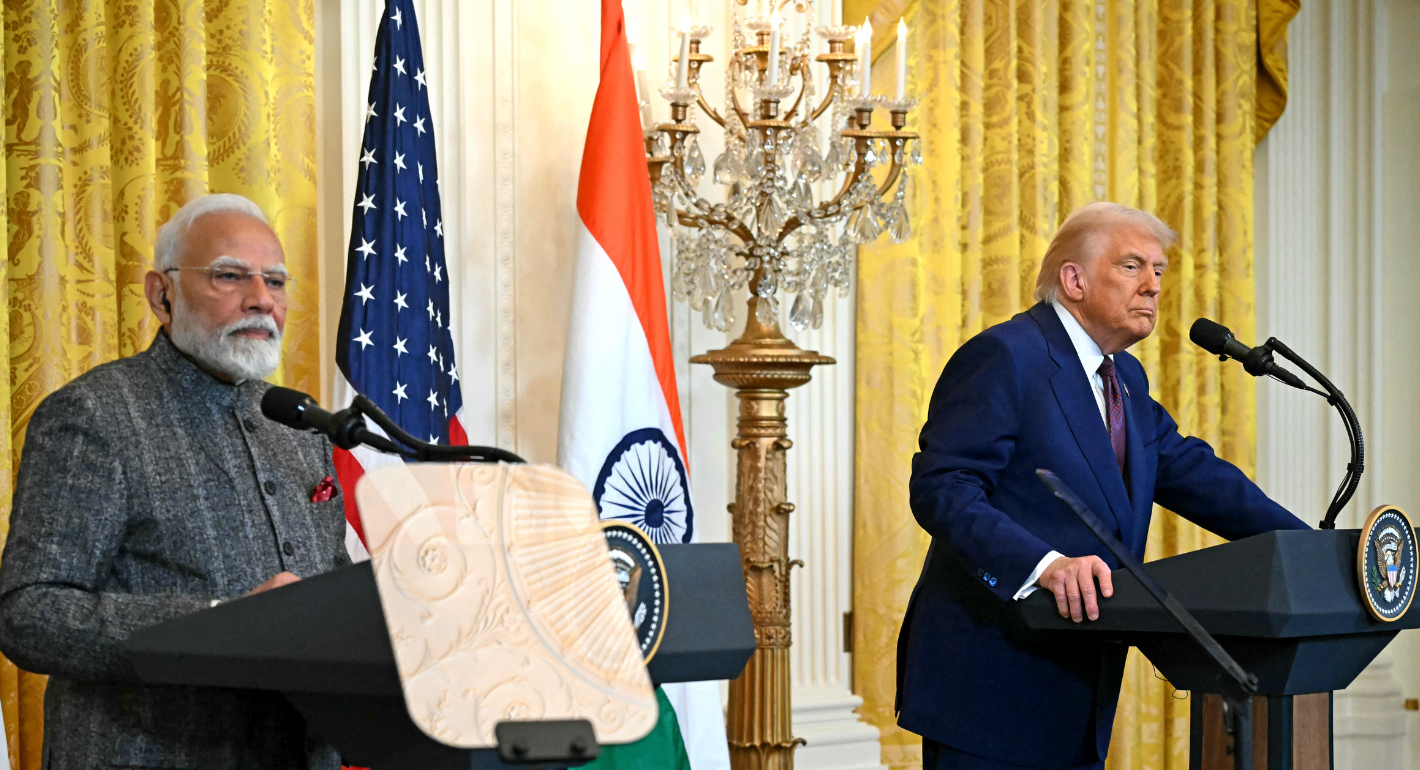
The India-U.S. relationship currently appears buffeted between three “Ts”—TRUST, Tariffs, and Trump.
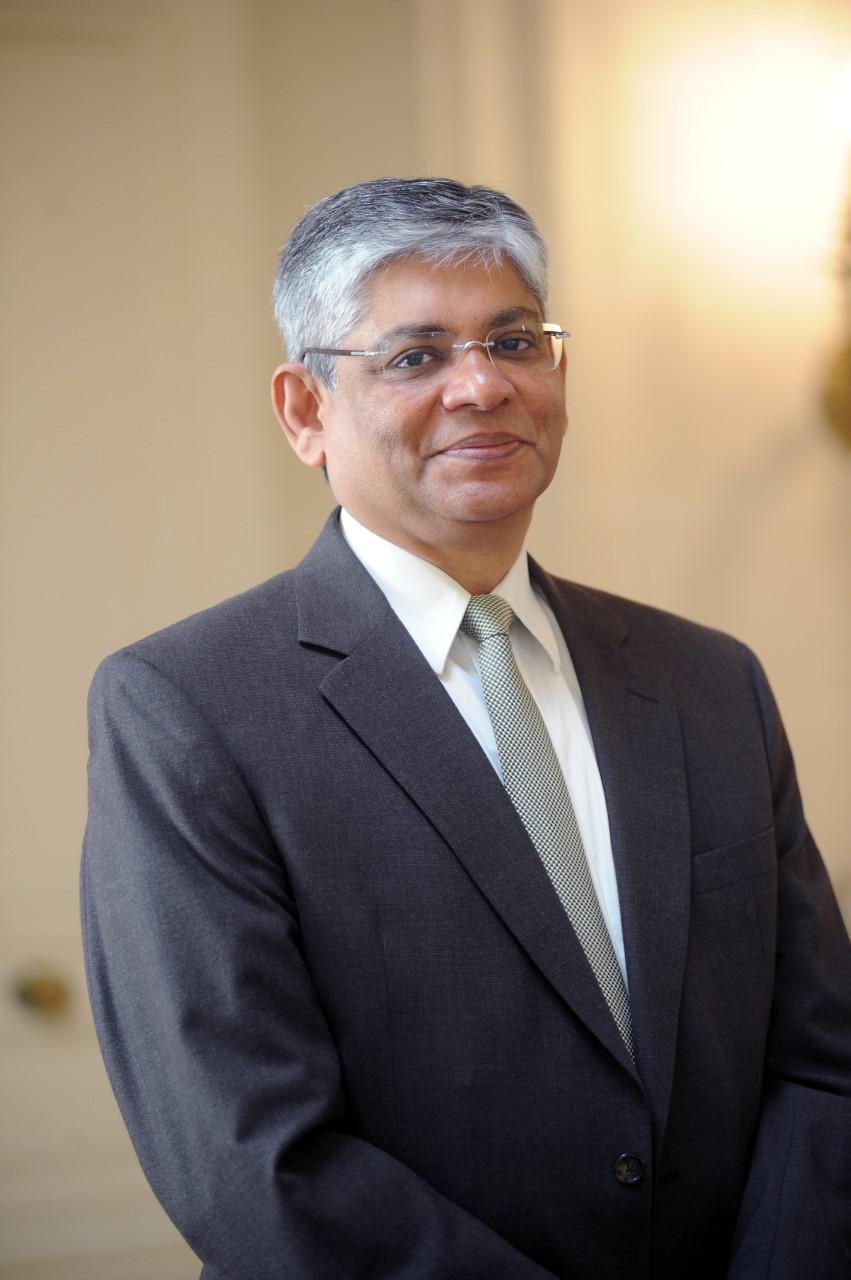
Arun K. Singh
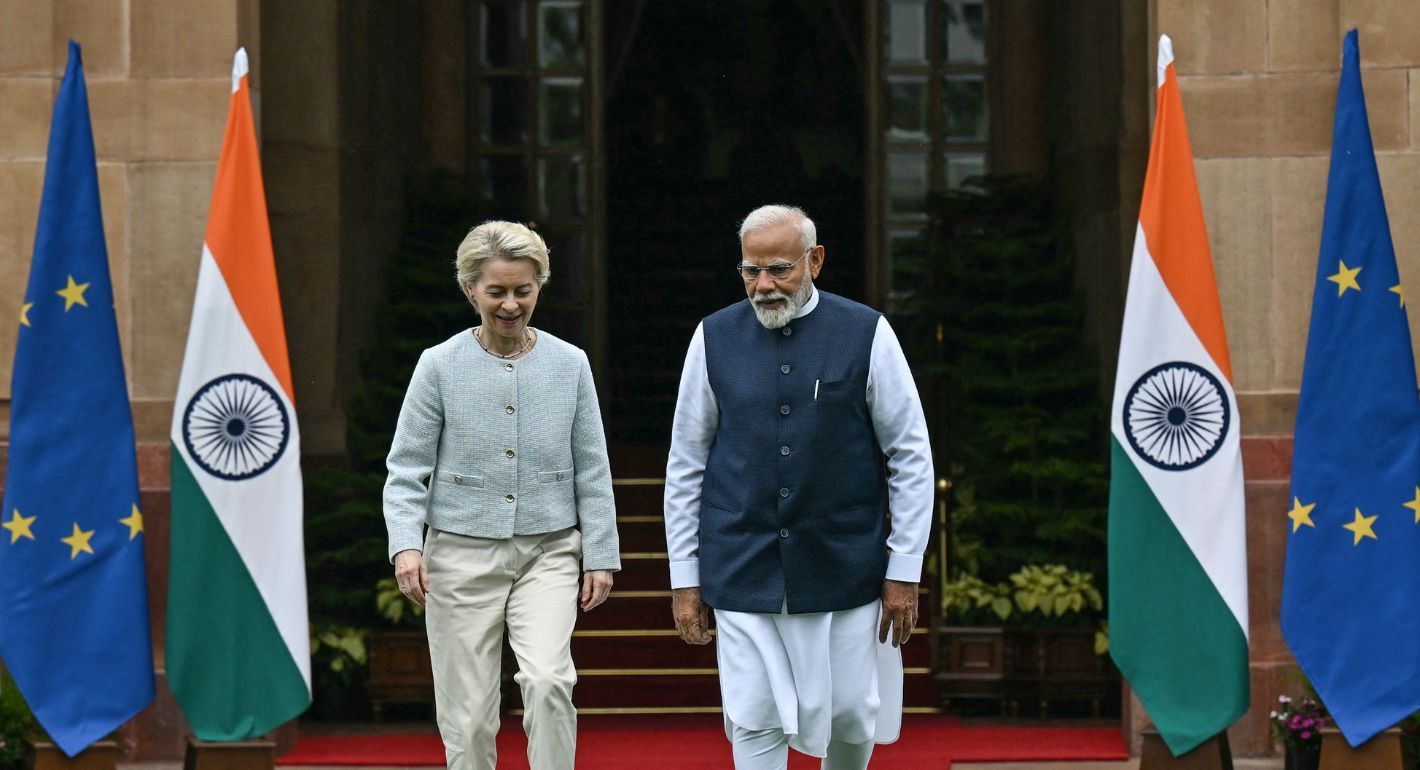
This article argues that the geopolitical circumstances have never been more conducive, not merely for the early conclusion of the free trade agreement (FTA) between India and the EU, but also for crafting a substantive and comprehensive strategic partnership.
Mohan Kumar