

In The Media
Lilia Shevtsova
{
  "authors": [
    "Lilia Shevtsova"
  ],
  "type": "legacyinthemedia",
  "centerAffiliationAll": "",
  "centers": [
    "Carnegie Endowment for International Peace",
    "Carnegie Russia Eurasia Center"
  ],
  "collections": [],
  "englishNewsletterAll": "",
  "nonEnglishNewsletterAll": "",
  "primaryCenter": "Carnegie Russia Eurasia Center",
  "programAffiliation": "",
  "programs": [],
  "projects": [],
  "regions": [
    "Caucasus",
    "Russia"
  ],
  "topics": [
    "Political Reform"
  ]
}
Source: Getty
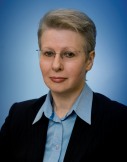
Russian protesters hail from a new generation who are tired of Vladimir Putin’s regime. Given Putin’s refusal to give up power and the impending presidential elections, further unrest is likely.
Source: NPR's Morning Edition
Over the weekend, tens of thousands of people gathered in the streets of Moscow. They disagree with elections allegedly rigged in favor of Vladimir Putin's party. Lilia Shevtsova, senior Russia analyst at the Carnegie Endowment for International Peace, talks to Steve Inskeep about the demonstrations.
STEVE INSKEEP, HOST: Russia faces its largest public protests since the fall of the Soviet Union 20 years ago. The latest demonstration came over the holiday weekend. Tens of thousands of people flooded the streets of Moscow on Saturday. They disagree with elections allegedly rigged in favor of Vladimir Putin's party and they disagree with Putin's plan to return to the presidency after getting around a term limit rule by switching to prime minister for four years. We're going to talk about this with Lilia Shevtsova, the senior Russia analyst at the Carnegie Endowment for International Peace. She's in Moscow. Welcome to the program.
LILIA SHEVTSOVA: Thank you, Steve.
INSKEEP: What did it feel like to be in Moscow on Saturday?
SHEVTSOVA: Well, you know, I was happy. I was happy for the first time during the last 10 years because I never thought that it would happen during my lifetime, because I thought that Russia will be sneezing, snoring, dreaming for the - for the rest of my life, but Russia has awoken, and is a certainty.
INSKEEP: When you say Russia has awoken, you mean they have decided that Putin, who has maintained the form of democracy but has taken more power for himself, people have finally become tired of that.
SHEVTSOVA: Yes, and of course this is the protest of the people who feel they have right to vote, that they have right to freedom, but it's more than that. This is the protest of people who feel that they're a new generation of the new Russia and this is only the first tide that is coming.
INSKEEP: Can you give us an idea of the mechanics of this protest? Who is leading these people, if the leader is clear, and how are they organizing?
SHEVTSOVA: You know, there are no leaders. There are lots of fragments, segments of disenchanted people. First of all, of course, the middle class in big cities in Moscow, St. Pete and other big cities, they're a younger generation. This is Putin's generation. They have matured during Putin's 12 years in power. There are lots of representatives of the Russia intellectuals of the former democratic generation of my kind. And they have one consensus: We are fed up with Putin and with Putin's regime. We don't want you anymore. Get out. Regretfully, there is no positive consensus. There is still no political alternative, no structured party, no leadership that can lead these people, you know, towards peaceful transformation. And there, unfortunately, one very dramatic thing. Putin already has delivered the message: I'm not going to leave the Kremlin. And the Kremlin folks are provoking the further unrest.
INSKEEP: Do you have other signs of how seriously Putin's government is taking this as a threat?
SHEVTSOVA: You know, they've started in the beginning just to crack down on the dissent; then they started to understand that this dissent is really very serious. And now they're using another tactic to embrace the protest, to co-opt, you know, part of the protest rally, to get people back to their houses. And apparently, you know, they will succeed and part of the angry crowd will be satisfied with the imitation. But there is another crowd that is coming next year - the process of delegitimization of Putin's power. And this delegitimized power will help problems of dealing with other Russia, with people who are unsatisfied due to social and economic roots. So the real tsunami is still ahead of us.
INSKEEP: But just so I understand, you're saying that people are not focused on leaders, they're focused on the problem with institutions, the weakness of institutions in Russia?
SHEVTSOVA: Definitely. And that's already huge progress. Because, you know, in 1991 and even later, the people were looking for leaders. The Kremlin were looking for new democratic, liberal sophisticated czar in the Kremlin. Now people do understand that they do not need super presidency, they do not need a leader who will be sitting for 12 years in the Kremlin and then everybody would like to oust him. They simply need checks and balances, independent code, independent parliament, free media, and respect, respect, respect of their dignity.
INSKEEP: OK. So some specific things they want to see different in the way Russia is run. But is "Putin must go" a slogan that would get everyone cheering in these demonstrations?
SHEVTSOVA: At least this is the consensus in big cities. True, Putin still has the support of agrarian provincial Russia, of the so-called national republics in the northern Caucasus, and still he gets - he may get through the first round during the March elections. But we all understand that this election will be dirty, that he will lose his legitimacy, that he's afraid of the people. And the foreign leaders - Obama, if he needs Putin, or Merkel, if she comes to Moscow - they will have to understand that they will be talking to a leader that has lost his legitimacy and the leader who's hated by his compatriots.
INSKEEP: Lilia Shevtsova is senior Russia analyst at the Carnegie Endowment for International Peace. She's in Moscow. Thanks very much.
SHEVTSOVA: Thank you for having me, Steve.
INSKEEP: And she's speaking with us, by the way, on the 20th anniversary of Russia's declaration that it was leaving what was then known as the Soviet Union.
This transcript originally appeared on the National Public Radio site.
Former Senior Associate, Russian Domestic Politics and Political Institutions Program, Moscow Center
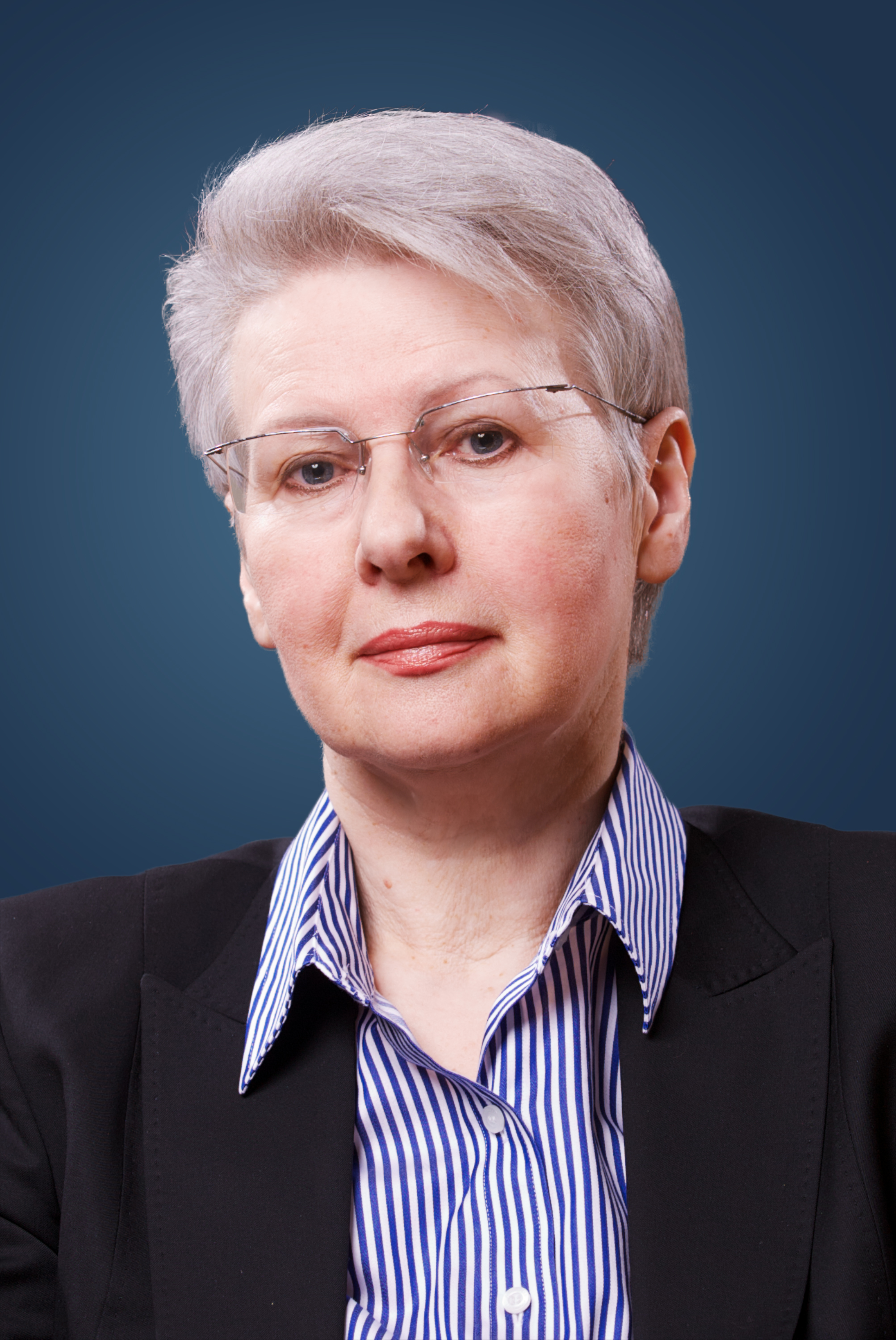
Shevtsova chaired the Russian Domestic Politics and Political Institutions Program at the Carnegie Moscow Center, dividing her time between Carnegie’s offices in Washington, DC, and Moscow. She had been with Carnegie since 1995.
Recent Work
Lilia Shevtsova
Lilia Shevtsova
Carnegie India does not take institutional positions on public policy issues; the views represented herein are those of the author(s) and do not necessarily reflect the views of Carnegie, its staff, or its trustees.

This piece argues that India’s central challenge is not managing a single flashpoint but resolving the underlying tension between expansion and institutional coherency of the BRICS grouping.

Vrinda Sahai

As India’s economy recovers from the coronavirus pandemic, Indian businesses need efficient financial structures to regain their ground. Key reforms to India’s Insolvency and Bankruptcy Code could fill these gaps.

Anirudh Burman

Access to cross-border data is an integral piece of the law enforcement puzzle. India is well placed to lead the discussions on international data agreements subject to undertaking necessary surveillance reforms.

Smriti Parsheera, Prateek Jha
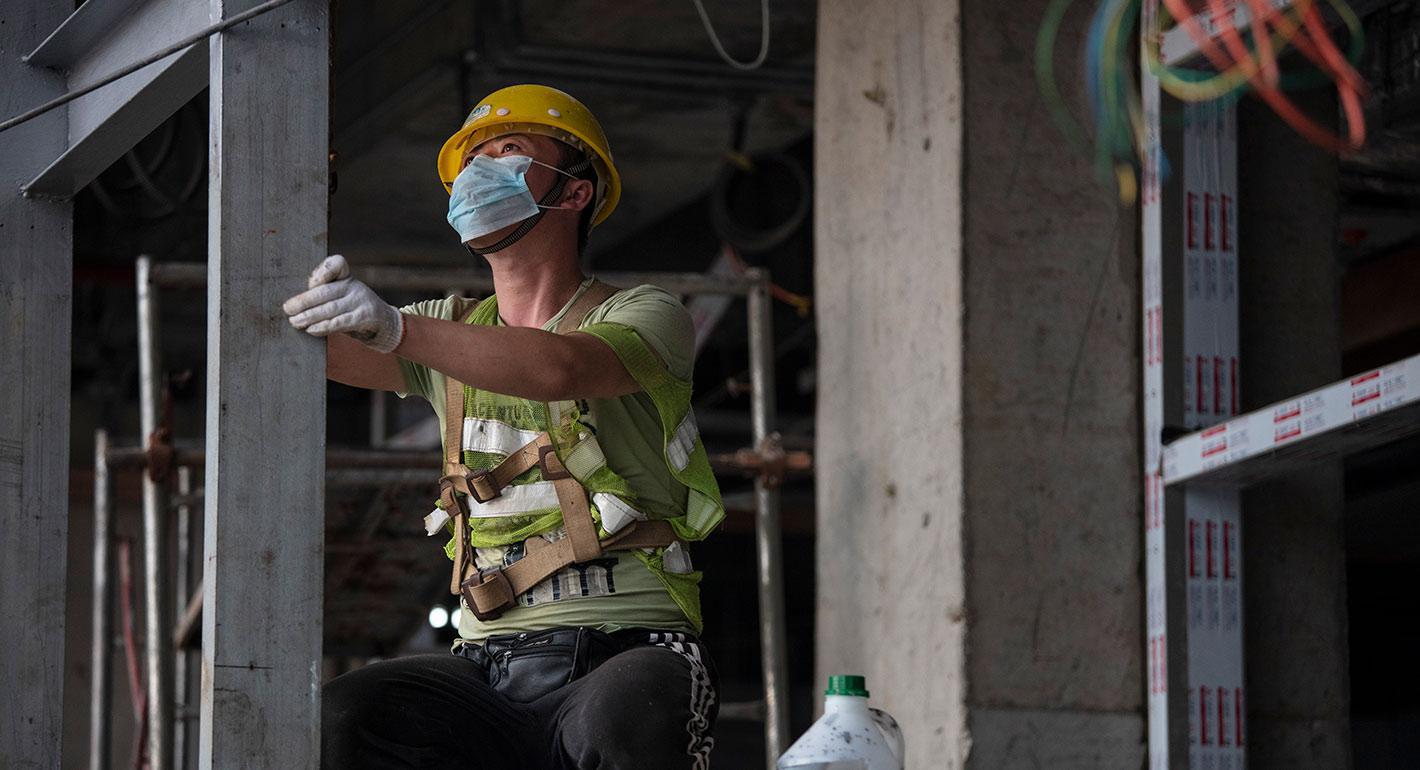
After the coronavirus pandemic wanes, how will China’s reorientation of the Belt and Road Initiative to address global health concerns influence its relationships with South Asian countries?

Deep Pal, Rahul Bhatia
Early in the outbreak, government researchers forecast several high-risk scenarios that were downplayed or ignored in public messaging.
Gautam I. Menon