• Research
  • About
  • Experts
Carnegie India logoCarnegie lettermark logo
AI
{
  "authors": [
    "Karl-Heinz Kamp",
    "Kurt Volker"
  ],
  "type": "other",
  "centerAffiliationAll": "",
  "centers": [
    "Carnegie Endowment for International Peace",
    "Carnegie Europe"
  ],
  "collections": [],
  "englishNewsletterAll": "",
  "nonEnglishNewsletterAll": "",
  "primaryCenter": "Carnegie Endowment for International Peace",
  "programAffiliation": "",
  "programs": [],
  "projects": [],
  "regions": [
    "North America",
    "United States",
    "Western Europe",
    "Europe"
  ],
  "topics": [
    "Security",
    "Foreign Policy"
  ]
}

Source: Getty

Other

Toward a New Transatlantic Bargain

A renewed commitment from both sides of the Atlantic is essential to ensuring NATO’s continued success.

Link Copied
By Karl-Heinz Kamp and Kurt Volker
Published on Feb 1, 2012

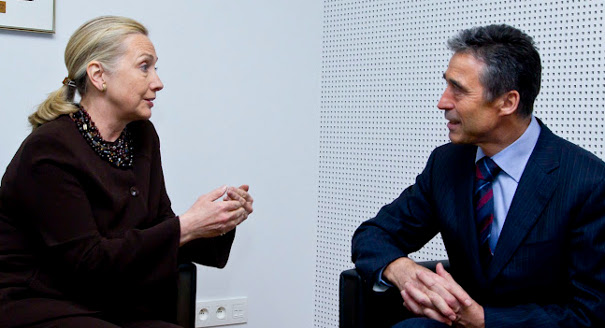
The North Atlantic Treaty Organization (NATO) is often described as the most successful military alliance in history. In addition to longevity, those characterizing NATO this way are usually thinking of the Alliance’s role in protecting freedom and guaranteeing peace in Europe against a hostile Soviet Union, right up until the Iron Curtain fell. NATO’s role in ending ethnic cleansing in the Balkans, and in helping to reintegrate Central and Eastern Europe into the mainstream of the continent, only added to this positive image of the Alliance.

For NATO to hold together all this time—even amid such monumental challenges as the Suez crisis, the Hungarian revolution, the Prague Spring, Vietnam, Pershing missiles, and Kosovo—it is clear that allies maintained an underlying commitment to each other and to the cause of an alliance greater than the sum of its parts. The recognition that each side of the Atlantic was willing to sacrifice a bit to the other for the benefit of the whole is what is meant by the concept of a “transatlantic bargain.” For decades, this transatlantic bargain—though predominantly unstated and uncodified—was instinctively understood and acted upon.

In more recent years, this transatlantic bond has been sorely tested, over the war in Iraq, over different perceptions of Russia, of missile defense, of terrorism, and even over differing interpretations of relations with Georgia and Ukraine. Whether or how NATO survives the severity of these tests still remains to be seen. NATO will surely come out best, however, if there is a renewed commitment on both sides of the Atlantic to some of the fundamentals of the Alliance that are important to both sides—a renewal of the transatlantic bargain.

This piece was adapted from the executive summary of The Transatlantic Bargain, a study sponsored by the NATO Defense College in Rome and the National Defense University in Washington, D.C. The full study is available here.

About the Authors

Karl-Heinz Kamp

NATO Defense College

Kurt Volker

SAIS, Johns Hopkins University

Authors

Karl-Heinz Kamp
NATO Defense College
Kurt Volker
SAIS, Johns Hopkins University
SecurityForeign PolicyNorth AmericaUnited StatesWestern EuropeEurope

Carnegie India does not take institutional positions on public policy issues; the views represented herein are those of the author(s) and do not necessarily reflect the views of Carnegie, its staff, or its trustees.

More Work from Carnegie India

  • Commentary
    India Signs the Pax Silica—A Counter to Pax Sinica?

    On the last day of the India AI Impact Summit, India signed Pax Silica, a U.S.-led declaration seemingly focused on semiconductors. While India’s accession to the same was not entirely unforeseen, becoming a signatory nation this quickly was not on the cards either.

      Konark Bhandari

  • Commentary
    The Impact of U.S. Sanctions and Tariffs on India’s Russian Oil Imports

    This piece examines India’s response to U.S. sanctions and tariffs, specifically assessing the immediate market consequences, such as alterations in import costs, and the broader strategic implications for India’s energy security and foreign policy orientation.

      Vrinda Sahai

  • Article
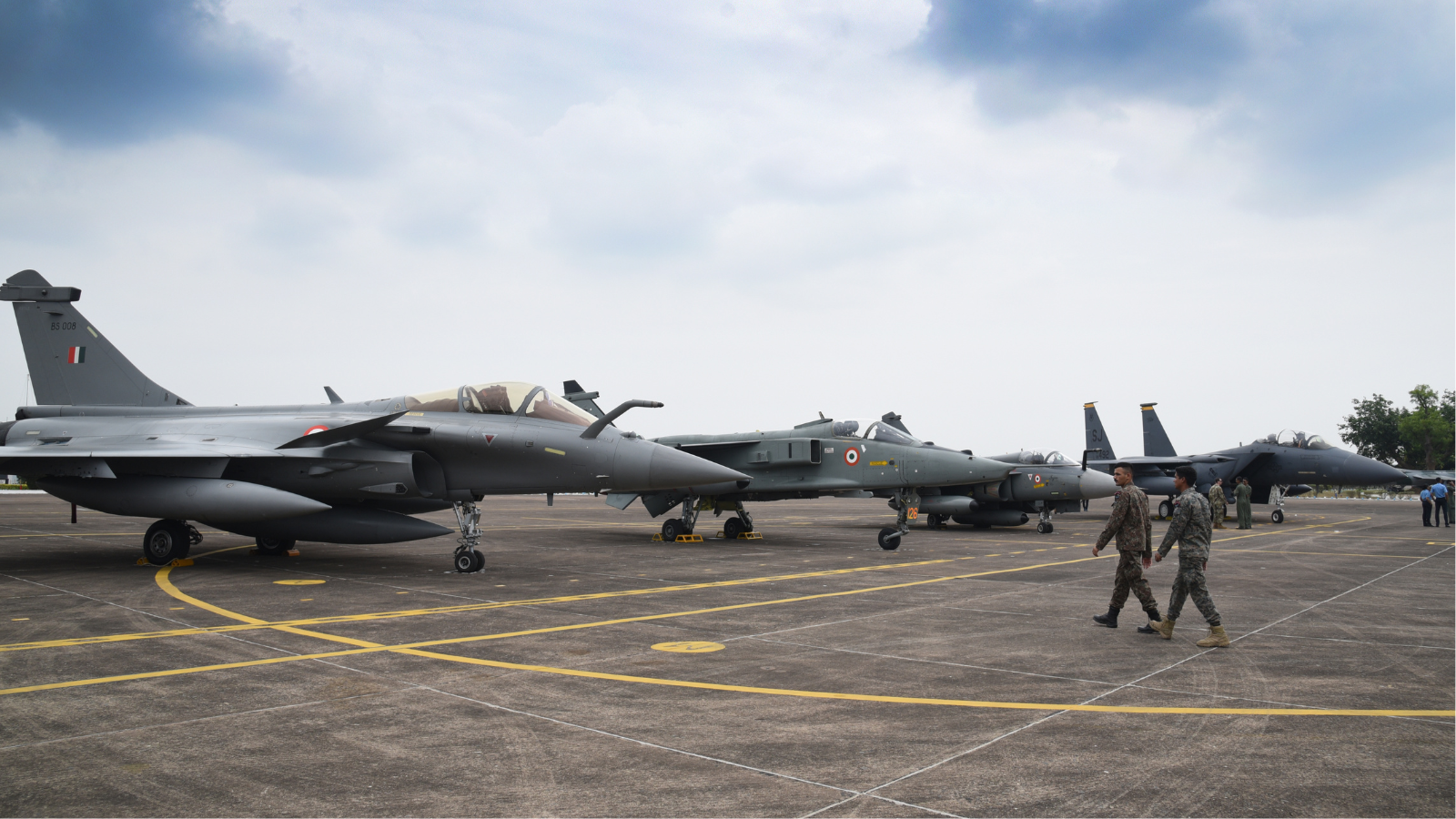
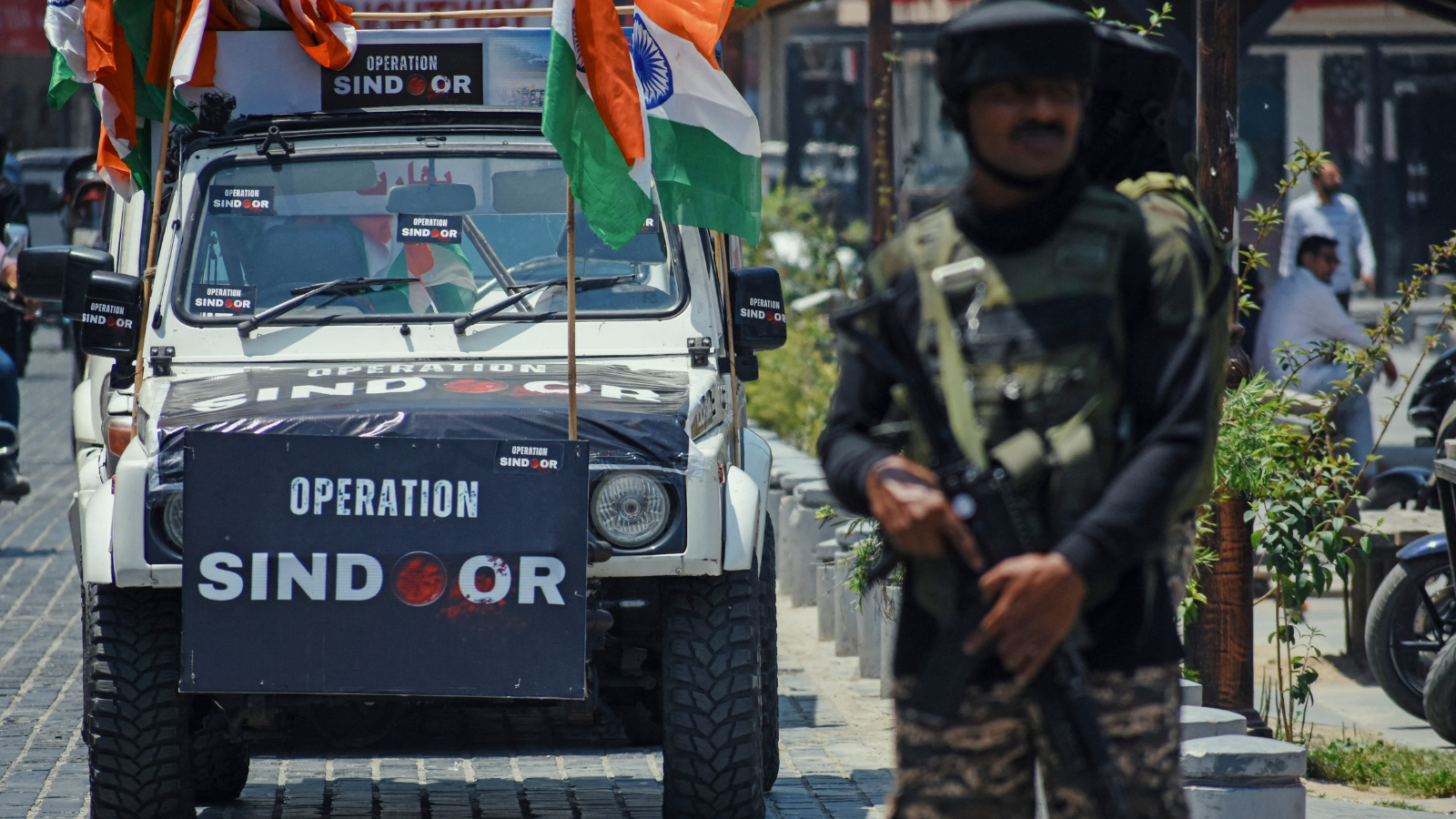
    Military Lessons from Operation Sindoor

    The India-Pakistan conflict that played out between May 6 and May 10, 2025, offers several military lessons. This article presents key takeaways from Operation Sindoor and breaks down how India’s preparations shaped the outcome and what more is needed to strengthen future readiness.

      Dinakar Peri

  • Book
    India and the Sovereignty Principle: The Disaggregation Imperative

    This book offers a comprehensive analysis of India's evolving relationship with sovereignty in a complex global order. Moving beyond conventional narratives, it examines how the sovereignty principle shapes India's behavior across four critical domains—from traditional military power to contemporary data governance.

      Rudra Chaudhuri, Nabarun Roy

  • Commentary
    NISAR Soars While India-U.S. Tariff Tensions Simmer

    On July 30, 2025, the United States announced 25 percent tariffs on Indian goods. While diplomatic tensions simmered on the trade front, a cosmic calm prevailed at the Sriharikota launch range. Officials from NASA and ISRO were preparing to launch an engineering marvel into space—the NASA-ISRO Synthetic Aperture Radar (NISAR), marking a significant milestone in the India-U.S. bilateral partnership.

      Tejas Bharadwaj

Get more news and analysis from
Carnegie India
Carnegie India logo, white
Unit C-4, 5, 6, EdenparkShaheed Jeet Singh MargNew Delhi – 110016, IndiaPhone: 011-40078687
  • Research
  • About
  • Experts
  • Projects
  • Events
  • Contact
  • Careers
  • Privacy
  • For Media
Get more news and analysis from
Carnegie India
© 2026 Carnegie Endowment for International Peace. All rights reserved.