

Commentary
Nikolay Petrov
{
  "authors": [
    "Nikolay Petrov"
  ],
  "type": "legacyinthemedia",
  "centerAffiliationAll": "",
  "centers": [
    "Carnegie Endowment for International Peace",
    "Carnegie Russia Eurasia Center"
  ],
  "collections": [],
  "englishNewsletterAll": "",
  "nonEnglishNewsletterAll": "",
  "primaryCenter": "Carnegie Russia Eurasia Center",
  "programAffiliation": "",
  "programs": [],
  "projects": [],
  "regions": [
    "Caucasus",
    "Russia"
  ],
  "topics": [
    "Political Reform"
  ]
}
Source: Getty
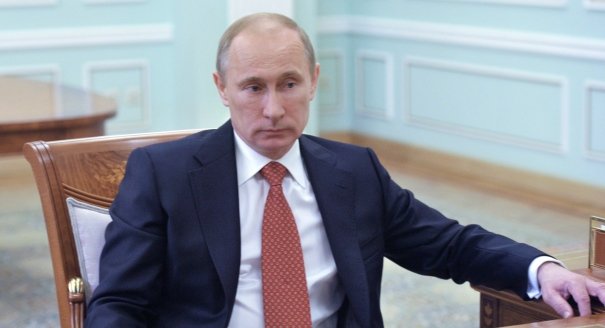
The Russian political system is likely to undergo some changes this year, perhaps even serious ones—not because Putin wants them, but because elements of Putin's inner circle are convinced that the government must take some of the protesters' demands seriously.
Source: The Moscow Times

Just as he did in 2000, Putin signed a number of decrees immediately after his inauguration. Twelve years ago, those orders laid the foundation for his vertical power structure. This time around, they were dominated by a series of populist promises to spend billions of rubles on the defense industry, pensioners and on the millions of others who depend on government financing.
Several elements of Putin's populism are reminiscent of the utopian Communist Party program under Nikita Khrushchev in 1961, when he promised that the final stage of communism would be reached in 20 years. For example, in the sphere of demographics, Putin signed a presidential decree to increase average life expectancy to 74 by 2018. As for economic policy, Putin promised that in the World Bank's Ease of Doing Business ranking Russia would jump from 120th place in 2011 to 50th place by 2015, and then to 20th place by 2018.Meanwhile, although the new law concerning the direct election of governors has been signed, the Kremlin has been feverishly appointing new governors to avoid any unpleasant surprises at the ballot box. As a result, of the 11 gubernatorial elections originally slated for this year, only four will actually be held — in the Amur, Belgorod, Novgorod and Bryansk regions. These are all small regions where the Kremlin is confident that it has the situation under control.
Almost 20 governors — about one out of every four — have been replaced since the beginning of the year. There were two motivations behind the changes. First, there was a desire to replace weak, ineffective governors who were unable to secure the desired results for United Russia in the State Duma elections in December and for Putin in the presidential election in March. Second, the Kremlin wanted to install new governors in large, important regions like Samara, Sverdlovsk and Perm where it would prefer to have loyal governors — and no elections — in place for the next five years.
For the first time, governors were appointed from among the local political elites, giving a clear nod to the region's dominant business and political clans. Moreover, the Kremlin has continued the practice of transferring governors, whose main achievement was to secure good results for United Russia in their respective regions, to new regions. Earlier, former Astrakhan Governor Sergei Bozhenov was transferred to Volgograd, and now former Mordovia leader Nikolai Merkushkin has been reassigned to Samara.
The "new" Putin made his priorities very clear through the harsh police measures against demonstrators and his order to have the Moscow city streets swept clean of people and cars for his motorcade during the inauguration. In addition, Putin made his first presidential visit to Nizhny Tagil and the country's largest tank factory, where he bestowed favors to workers whose loyalty he had secured with generous government contracts.
Nonetheless, I am optimistic about the future. It seems inevitable that the political system will undergo some changes this year, perhaps even serious ones — not because Putin wants them, but because elements of Putin's inner circle are convinced that the government must take some of the protesters' demands seriously. They understand that some political changes to Putin's system are necessary — if for no other reason than to keep the status quo intact.
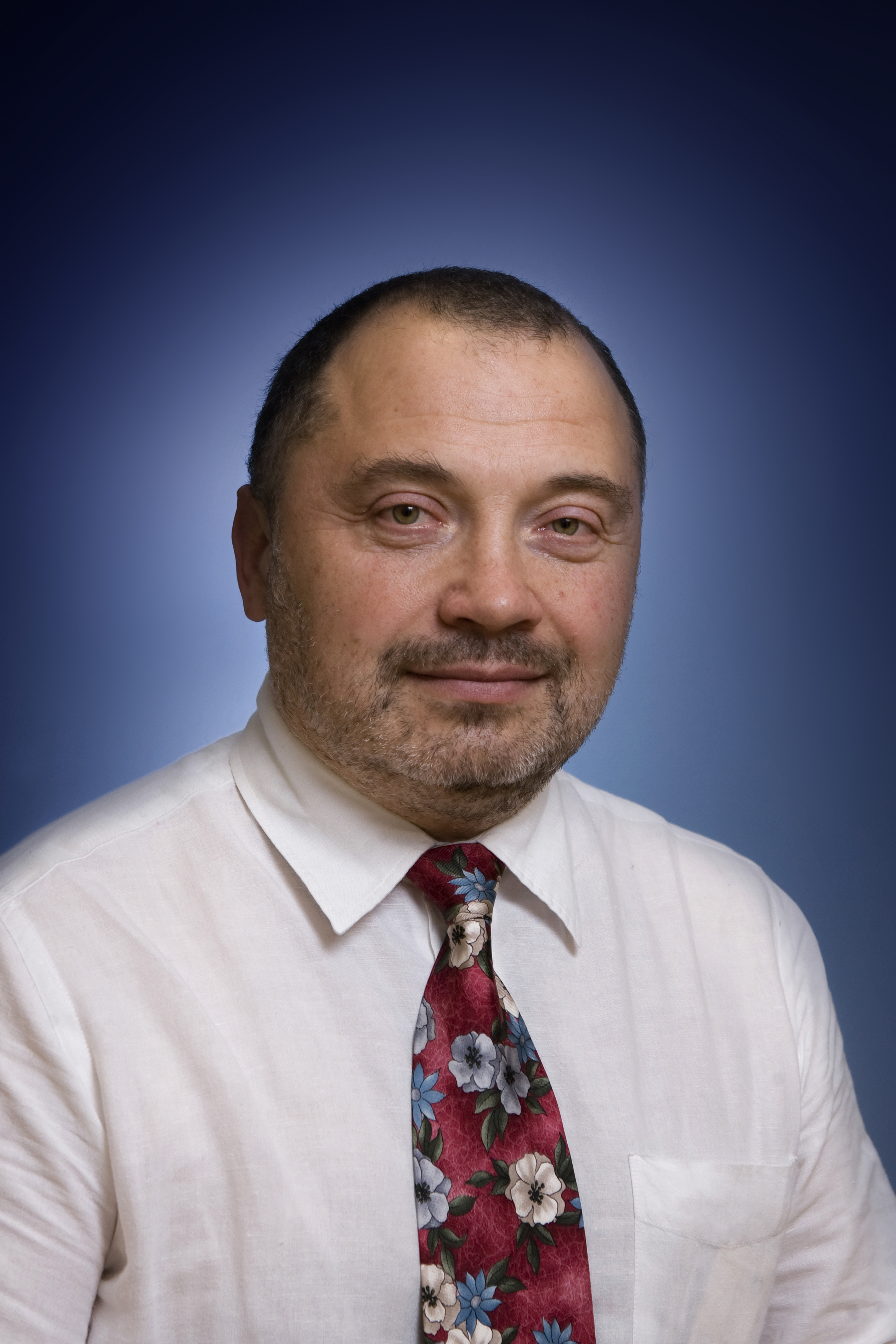
Former Scholar-in-Residence, Society and Regions Program, Moscow Center
Nikolay Petrov was the chair of the Carnegie Moscow Center’s Society and Regions Program. Until 2006, he also worked at the Institute of Geography at the Russian Academy of Sciences, where he started to work in 1982.
Recent Work
Nikolay Petrov
Nikolay Petrov
Carnegie India does not take institutional positions on public policy issues; the views represented herein are those of the author(s) and do not necessarily reflect the views of Carnegie, its staff, or its trustees.
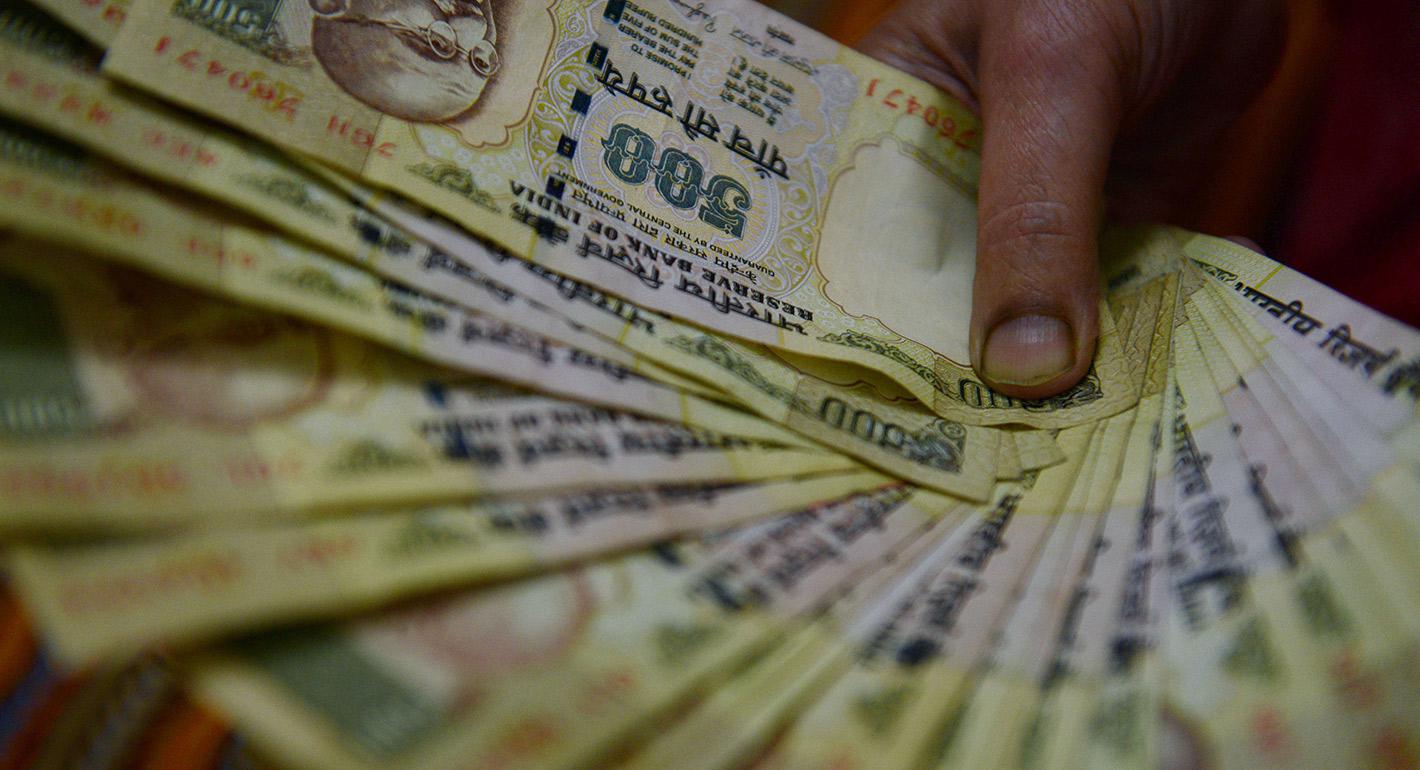
As India’s economy recovers from the coronavirus pandemic, Indian businesses need efficient financial structures to regain their ground. Key reforms to India’s Insolvency and Bankruptcy Code could fill these gaps.

Anirudh Burman
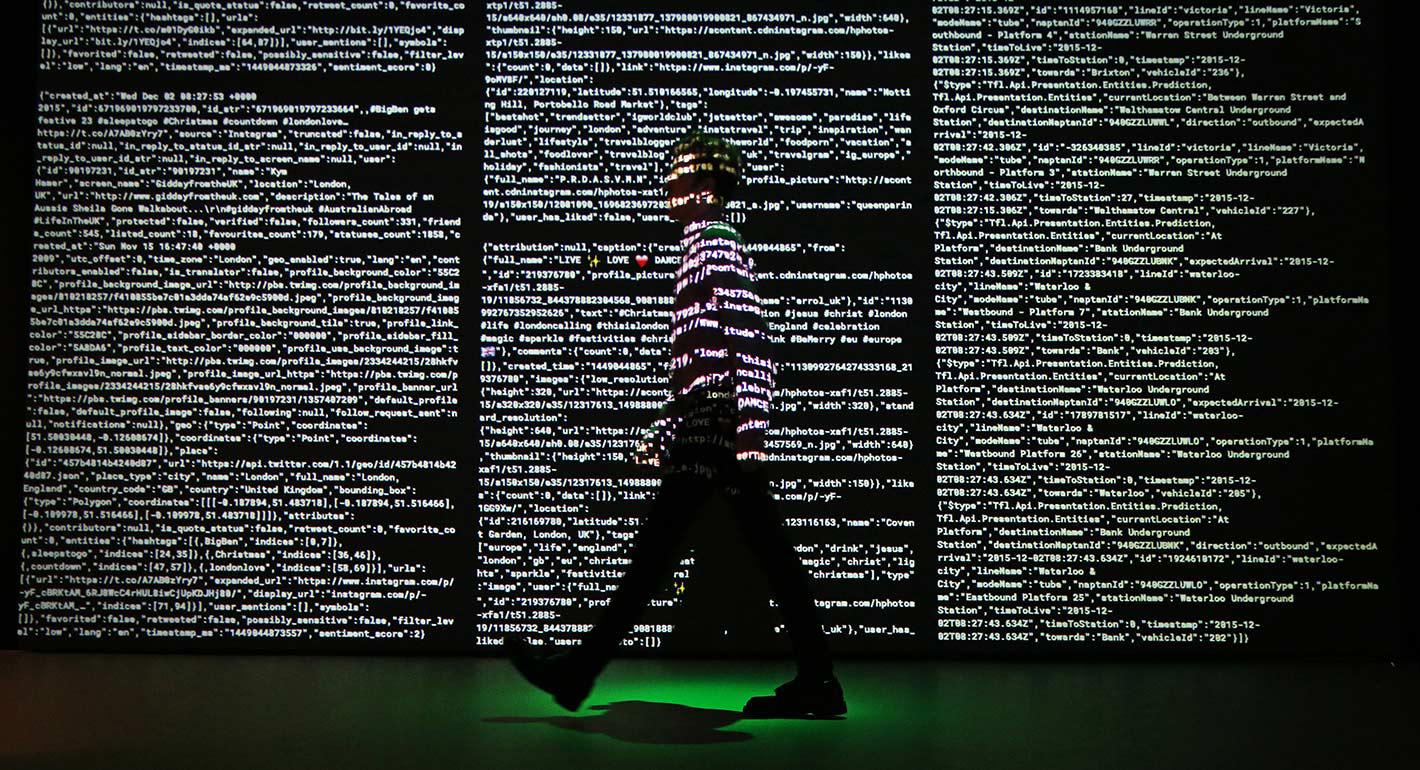
Access to cross-border data is an integral piece of the law enforcement puzzle. India is well placed to lead the discussions on international data agreements subject to undertaking necessary surveillance reforms.
Smriti Parsheera, Prateek Jha
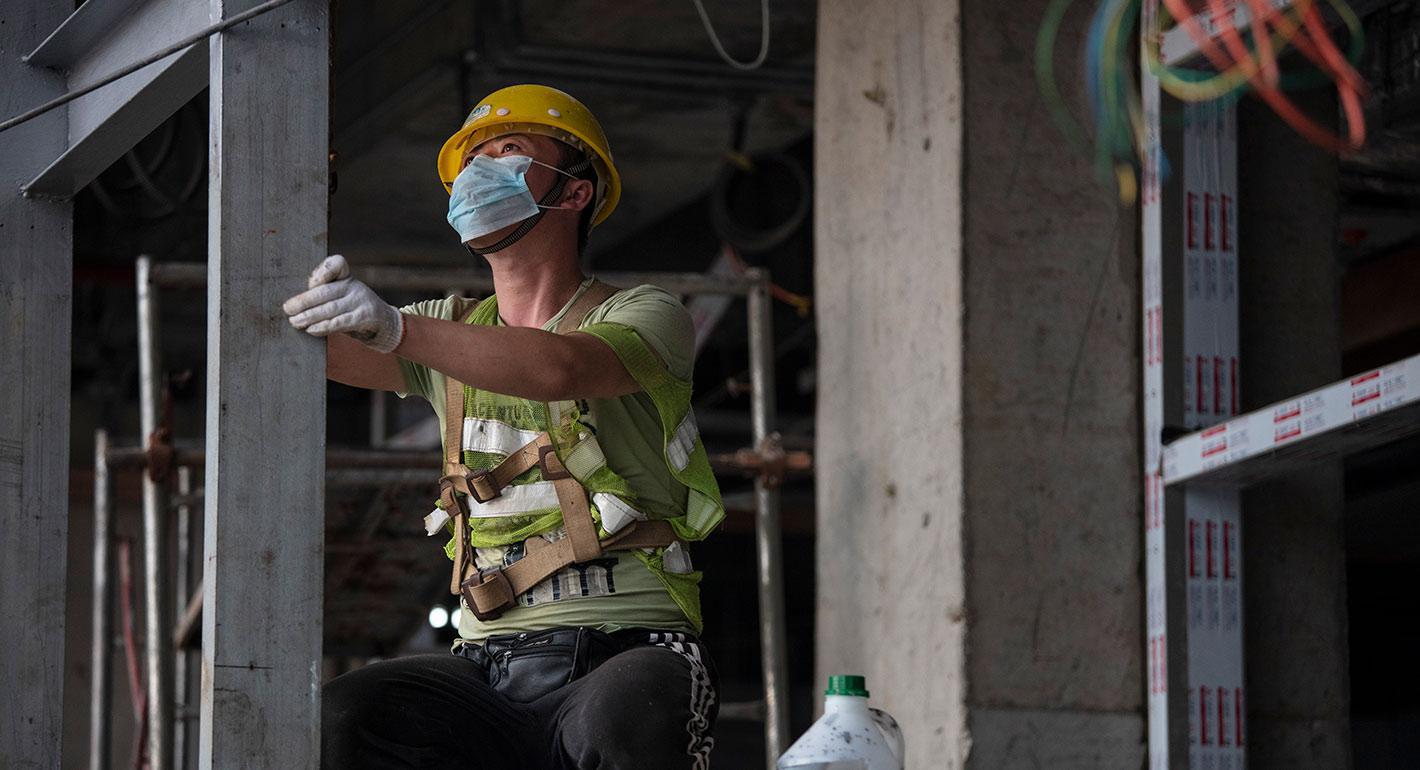
After the coronavirus pandemic wanes, how will China’s reorientation of the Belt and Road Initiative to address global health concerns influence its relationships with South Asian countries?

Deep Pal, Rahul Bhatia
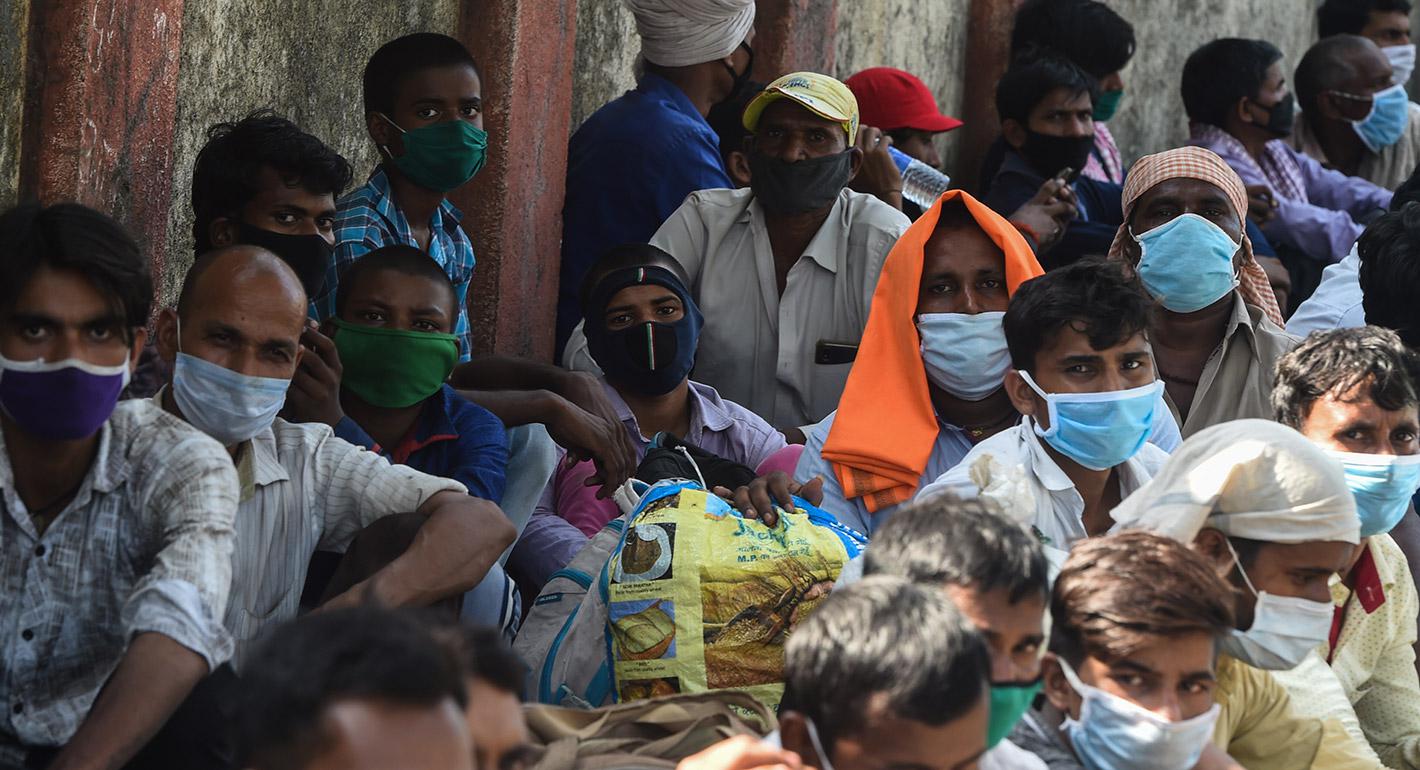
Early in the outbreak, government researchers forecast several high-risk scenarios that were downplayed or ignored in public messaging.
Gautam I. Menon
Governments around the world are turning to new forms of digital surveillance to monitor the spread of the coronavirus, though they are mostly using existing laws to do so.
Anirudh Burman