

In The Media
Lilia Shevtsova
{
  "authors": [
    "Lilia Shevtsova"
  ],
  "type": "legacyinthemedia",
  "centerAffiliationAll": "",
  "centers": [
    "Carnegie Endowment for International Peace",
    "Carnegie Russia Eurasia Center"
  ],
  "collections": [],
  "englishNewsletterAll": "",
  "nonEnglishNewsletterAll": "",
  "primaryCenter": "Carnegie Russia Eurasia Center",
  "programAffiliation": "",
  "programs": [],
  "projects": [],
  "regions": [
    "Caucasus",
    "Russia"
  ],
  "topics": [
    "Political Reform"
  ]
}
Source: Getty
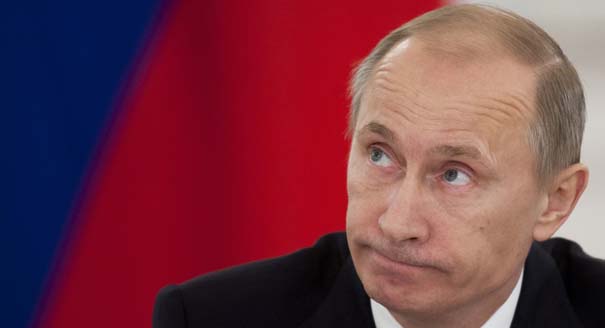
By censoring the media, discrediting moderate opposition, and provoking popular discontent, Putin is only widening the fissures threatening the whole Russian political system.
Source: Project Syndicate

With his open contempt for Russian society – exemplified in his mocking response to widespread demonstrations – as well as his arrogance, readiness to stifle dissent, and fear of competition, Putin has singlehandedly quashed the long-held myth that he himself propagated: personalized power can modernize the country while preserving stability.
To be sure, Putin’s Kremlin – and his corrupt cohorts – still calls the shots. And, while his decision to return to the presidency has vexed the most dynamic elements of Russia’s urban population, the rest of the country’s citizens remain unhappy but quiescent. Likewise, Russia’s demoralized intellectuals and political class, on whom the population relies to advocate change, neglect to act. The global rise in oil prices, endemic fear of change, lack of a viable alternative, and reliance on state hand-outs are keeping Russia in a state of inertia.Moreover, Putin’s Kremlin has used the West – eager for engagement and a policy “reset” with Russia – to legitimize its authoritarian rule and to provide opportunities for its venal cronies’ integration into Western society. Indeed, by using the West to launder their dirty money, Putin and his cohorts have, in a way, avenged the Soviet Union’s collapse by undermining the West’s principles and discrediting liberal democracy in the eyes of the Russian population.
But cracks are forming in Russian society, threatening the status quo. And it is not the opposition or a popular rebellion that are beginning to destabilize Putin’s regime, but the very forces that have helped to keep it afloat.
After waiting 12 years for change from the top, Russians finally understand that their political system can be transformed only from the bottom – through popular revolution. In the absence of institutional channels for expression of their grievances over the corrupt concessions that have preserved the ruling elite’s power, they must take to the streets.
But the question remains: Will Russia this time escape its traditional final act, in which the new regime turns out to be more predatory than the previous one? Or will Russians find a way to pursue peaceful revolution?
Today, the Kremlin is contributing to its own violent demise, intentionally demoralizing Russian society. It discredits liberalism by employing liberal rhetoric and appointing liberal leaders to administer its authoritarian rule, leaving political opposition to leftist parties and nationalists.
And Putin’s return to the Stalinist practice of sending police to search opponents’ homes, combined with his attempts to ignite hostility between social groups – for example, between provincial Russia and the urban middle class – is deepening antagonism and distrust among citizens. In this way, Putin’s regime intensifies political dissenters’ longing for retaliation – thereby hindering peaceful change.
Already, longstanding tensions have begun to boil over; tens of thousands of people have taken to the streets since Putin’s 2011 announcement that he would reclaim the presidency. His return to the Kremlin has incited some of the largest protests that Moscow has seen since the 1990’s. And, while popular demonstrations have diminished – largely as a result of draconian new anti-protest laws – the more conflict accumulates beneath the surface, the more devastating the eventual explosion will be.
By censoring the media, discrediting moderate opposition, and provoking popular discontent, Putin is playing with fire. It is impossible to predict when Russia will detonate, but the system’s fissures are undeniable – and growing.
The Kremlin, far from being able to control the situation, does not fully grasp what is happening. Russia is moving toward precipice. Massive capital flight and efforts by Kremlin cronies to engineer a safe landing for themselves in the West show that, even in the eyes of Putin’s cohorts, the end of his époque is approaching.
Yet Putin’s Kremlin continues to work tirelessly to prevent the formation of a strong opposition – increasing the risk that the regime will collapse without a viable alternative. The longer Putin remains in power, the more devastating his regime’s final act will be.
Both Russia and the West must begin to plan ahead. Regrettably, Russia’s awakening corresponds with the beginning of the West’s seeming decline. Still, rather than remaining complicit in Putin’s corrupt regime, the West must help the Russian people to seek their new destiny.
And Russia’s citizens must not give up hope. Putin’s return to the Kremlin, although painful, could end up curtailing their agony by triggering the regime’s destruction. When the choice is between an outdated system’s implosion and its slow degradation, a swift, clean break typically offers better prospects for a new start.

Former Senior Associate, Russian Domestic Politics and Political Institutions Program, Moscow Center
Shevtsova chaired the Russian Domestic Politics and Political Institutions Program at the Carnegie Moscow Center, dividing her time between Carnegie’s offices in Washington, DC, and Moscow. She had been with Carnegie since 1995.
Recent Work
Lilia Shevtsova
Lilia Shevtsova
Carnegie India does not take institutional positions on public policy issues; the views represented herein are those of the author(s) and do not necessarily reflect the views of Carnegie, its staff, or its trustees.

This piece argues that India’s central challenge is not managing a single flashpoint but resolving the underlying tension between expansion and institutional coherency of the BRICS grouping.

Vrinda Sahai
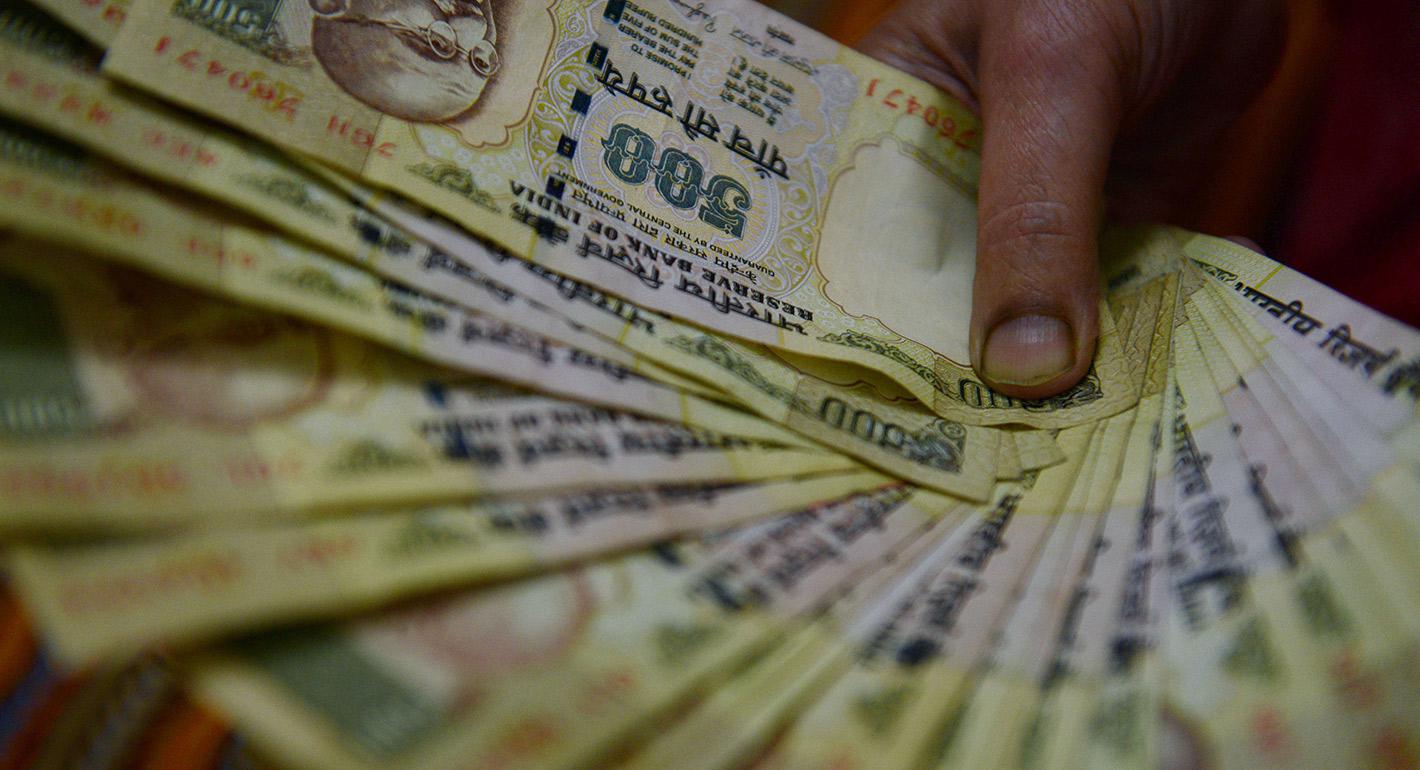
As India’s economy recovers from the coronavirus pandemic, Indian businesses need efficient financial structures to regain their ground. Key reforms to India’s Insolvency and Bankruptcy Code could fill these gaps.

Anirudh Burman
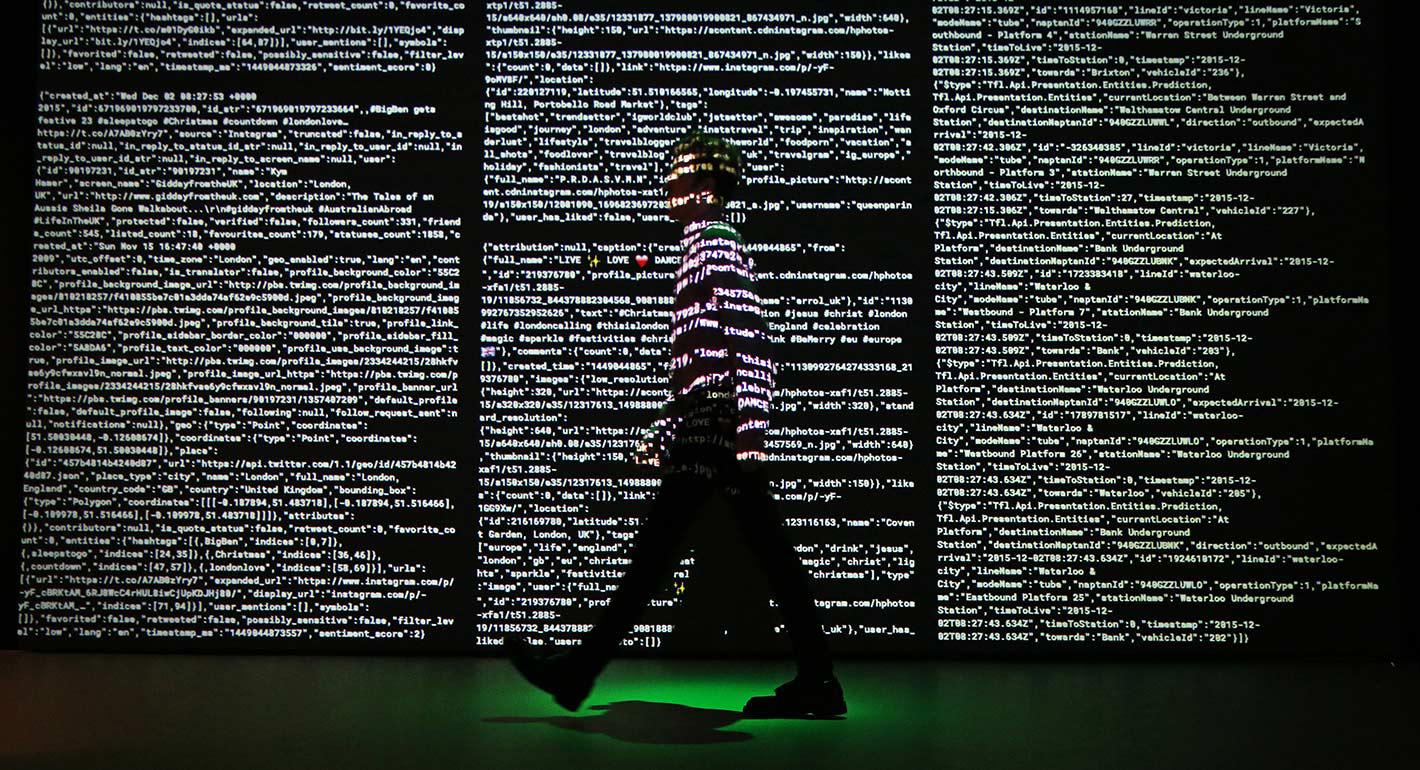
Access to cross-border data is an integral piece of the law enforcement puzzle. India is well placed to lead the discussions on international data agreements subject to undertaking necessary surveillance reforms.

Smriti Parsheera, Prateek Jha
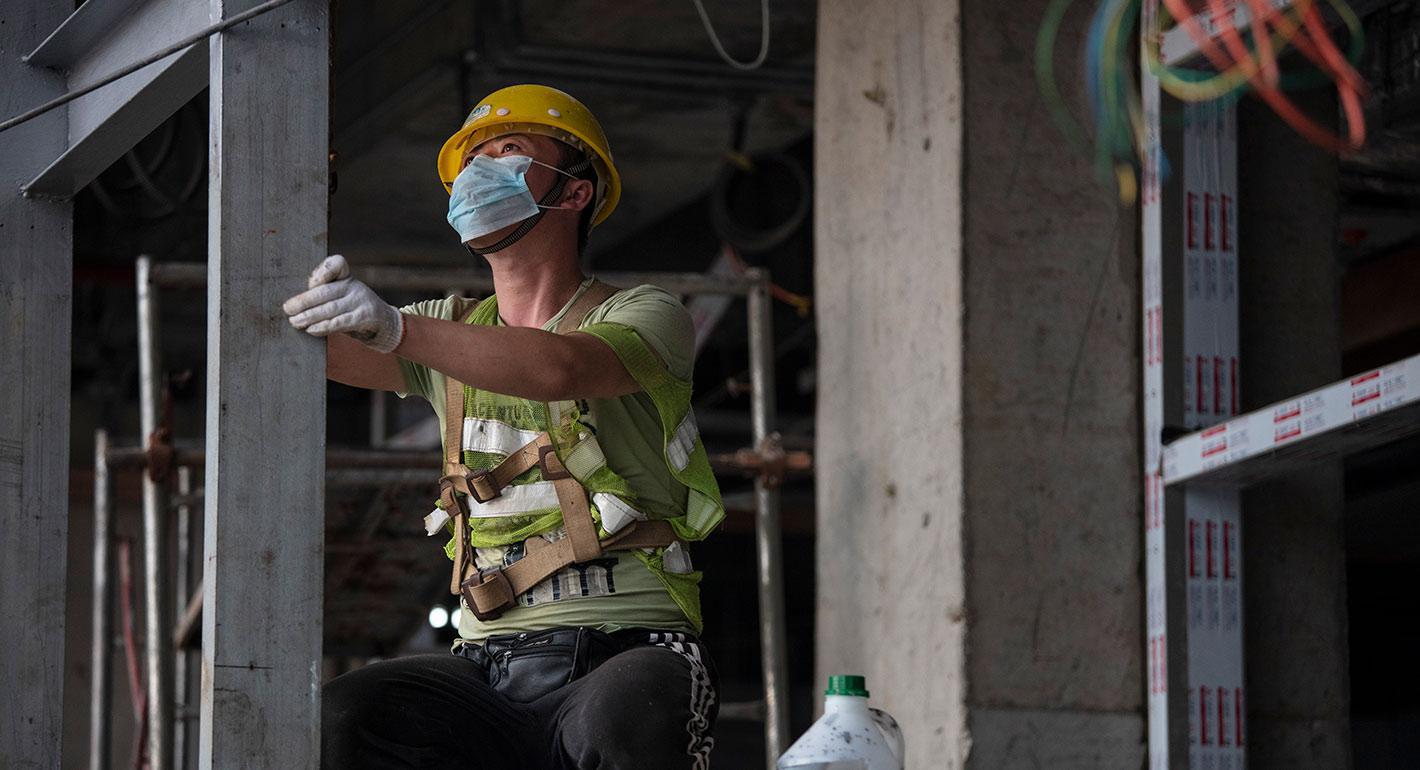
After the coronavirus pandemic wanes, how will China’s reorientation of the Belt and Road Initiative to address global health concerns influence its relationships with South Asian countries?
Deep Pal, Rahul Bhatia
Early in the outbreak, government researchers forecast several high-risk scenarios that were downplayed or ignored in public messaging.
Gautam I. Menon