

Commentary
Judy Dempsey
{
  "authors": [
    "Judy Dempsey"
  ],
  "type": "legacyinthemedia",
  "centerAffiliationAll": "",
  "centers": [
    "Carnegie Endowment for International Peace",
    "Carnegie Europe"
  ],
  "collections": [
    "Turkey’s Transformation"
  ],
  "englishNewsletterAll": "",
  "nonEnglishNewsletterAll": "",
  "primaryCenter": "Carnegie Europe",
  "programAffiliation": "",
  "programs": [],
  "projects": [],
  "regions": [
    "Middle East",
    "Europe",
    "Türkiye",
    "Western Europe",
    "Germany"
  ],
  "topics": [
    "EU",
    "Migration"
  ]
}
Source: Getty
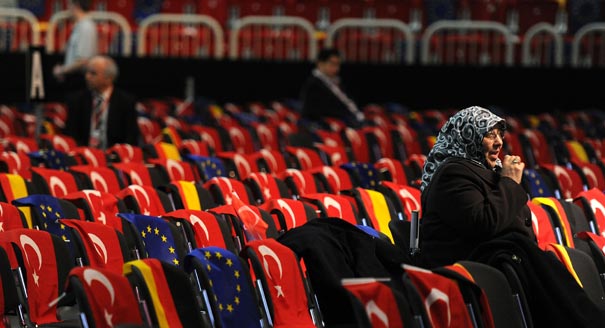
Unlike their EU counterparts, children of Turkish immigrants have to choose their nationality by the age of 23 or they will lose their German passports.
Source: New York Times
Over the past several weeks, Sukru Uslucan’s office in Berlin’s bustling, multiethnic Kreuzberg district has been inundated with requests for appointments.
As a lawyer specializing in rights for foreigners living in Germany, Mr. Uslucan says he now spends much of this time answering the same question. “Young Turks who were born and raised here want to know where they belong. Can you imagine?” asked Mr. Uslucan, 43, who himself was born in Germany to Turkish parents.
“They face a real dilemma. They are being asked to choose between German or Turkish nationality because they do not have the right to hold onto both,” Mr. Usucan added.
That may seem strange for a country that allows citizens from the European Union or from Switzerland to take German citizenship and at the same time retain their own passports.But the case is different for Turks or other individuals from outside the European Union. According to the German citizenship law of 2000, they have to choose their nationality by the age of 23 or they will lose their German passports. Analysts say this is doing nothing to help the integration of the country’s seven million foreigners.
Being forced into this choice particularly affects the three-million strong Turkish community because it is the largest group of foreigners living in Germany. Facing an acute labor shortage during West Germany’s economic boom that began in the mid-1950s, Turks, among others nationalities, were invited to make up the shortfall.
They were, however, regarded as “Gastarbeiter” or guest workers who would eventually return home.
Most Turks opted to stay. And today, it’s the third generation of Turkish immigrants who are being forced to choose their identity.
Mr. Uslucan and other experts believe such a policy is hindering integration. At a time when Germany again faces a serious shortage of skilled labor, they say the government needs to adopt a much more welcoming attitude toward migrants. Under the present system, most children of foreign parents, who were born in Germany on or before Jan. 1, 2000, automatically receive German citizenship. Children can hold both the German citizenship and the citizenship of their parents.
But when this law was passed in 1999, Germany’s conservatives pushed through one major proviso: As soon as those double-nationality children grow up, they must make a choice: keeping either their German citizenship or the citizenship of their parents.
This “options model” is becoming a big issue in Germany, because under this law the first young migrants have now lost their German passports. “This system needs a radical overhaul,” said Martin Jungnickel, the regional department head dealing with foreigners in the multiethnic western German city of Darmstadt.
Mr. Jungnickel has the unenviable task of explaining to young Turks why the authorities are taking away their German citizenship if they neglected to put in an application by the time they reached the age of 23.
“They are shocked when I tell them that their German passport is no longer valid,” Mr. Jungnickel said. “They were born and raised here. They have fluent German. They feel German. They cannot understand why they can’t have two passports.”
Chancellor Angela Merkel’s conservatives still oppose extending dual nationality to non-E.U. citizens.
“It is a question of loyalty to the German state,” said Hans-Peter Uhl, a conservative national lawmaker and member of the Parliament’s interior affairs committee. “Loyalty comes before integration.”
Furthermore, he said, individuals with dual nationality, if involved in any criminal activities, can evade the judicial authorities by using their second passport. “This creates all sorts of problems for us. Countries have different legal systems and different cultures, and we have to take that into account,” Mr. Uhl said.
The opposition Social Democrats and Greens disagree.
“We need a legal system without ifs and buts that saves the options model population who were born here from having to decide between two passports,” said Guntram Schneider, the integration minister for the state of North Rhine-Westphalia.
Mr. Uhl, the conservative lawmaker, accused the opposition of exploiting the nationality issue for political reasons. “By promising to allow dual nationality, the left wing wants to win over the Turkish vote for September’s federal election,” he said.
Mr. Uslucan, who gave up his Turkish passport, dislikes the idea of the Turkish community’s becoming a political football. “At issue is making Germany a welcoming home to young Turks who are, in fact, already integrated,” he said. “Why force them to choose?”

Nonresident Senior Fellow, Carnegie Europe
Judy Dempsey is a nonresident senior fellow at Carnegie Europe
Recent Work
Judy Dempsey
Judy Dempsey
Carnegie India does not take institutional positions on public policy issues; the views represented herein are those of the author(s) and do not necessarily reflect the views of Carnegie, its staff, or its trustees.
This article argues that the geopolitical circumstances have never been more conducive, not merely for the early conclusion of the free trade agreement (FTA) between India and the EU, but also for crafting a substantive and comprehensive strategic partnership.
Mohan Kumar

An Israeli response to Iran’s October 1 attack is imminent. The key question is of its intensity and potential fallout, both within Iran, in terms of nuclear security policy changes, and across the broader region. The coming days are likely to reshape West Asia irreversibly.
Gaddam Dharmendra
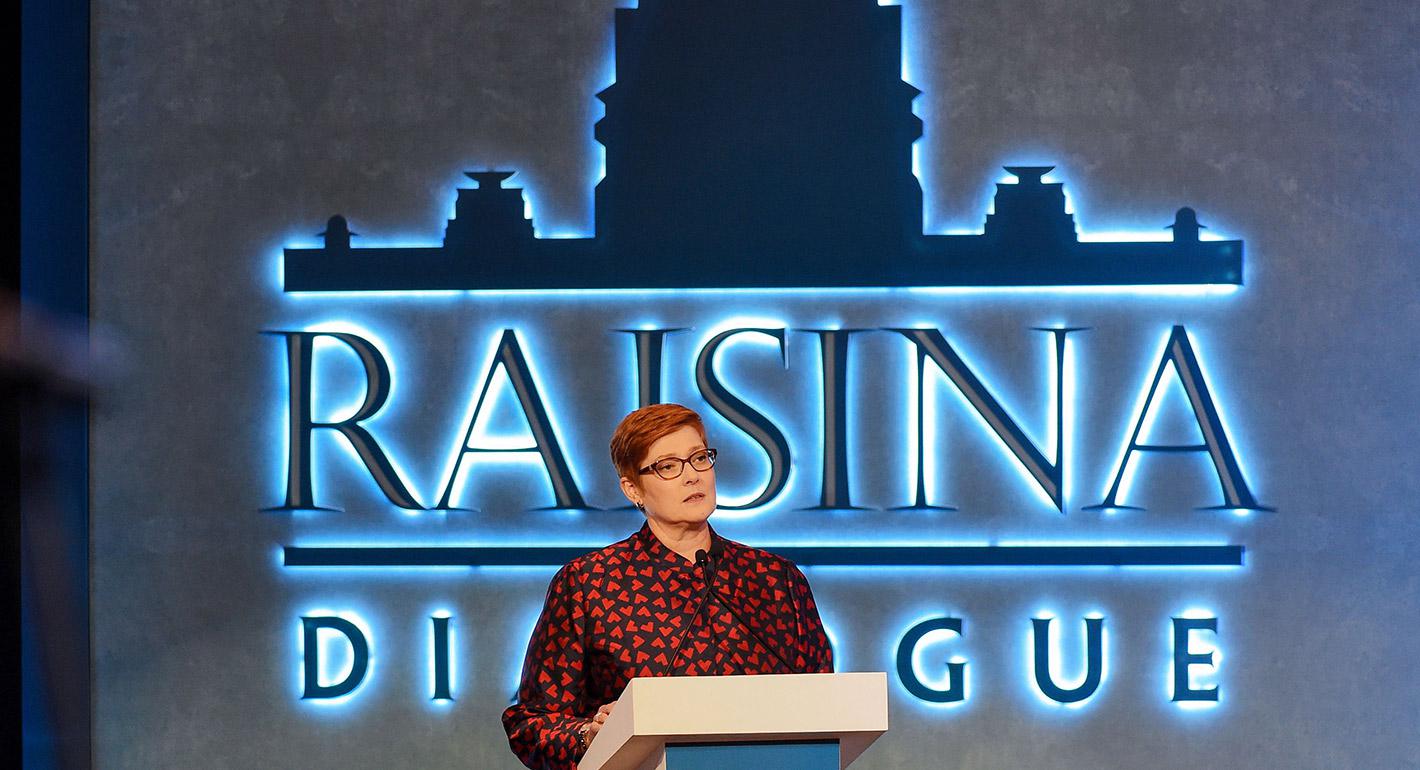
Foreign ministers from India, France, and Australia recently met (virtually) at the Raisina Dialogue, India’s flagship annual conference on geopolitics and geoeconomics. What can they get done if they work together?

Rudra Chaudhuri, Shibani Mehta
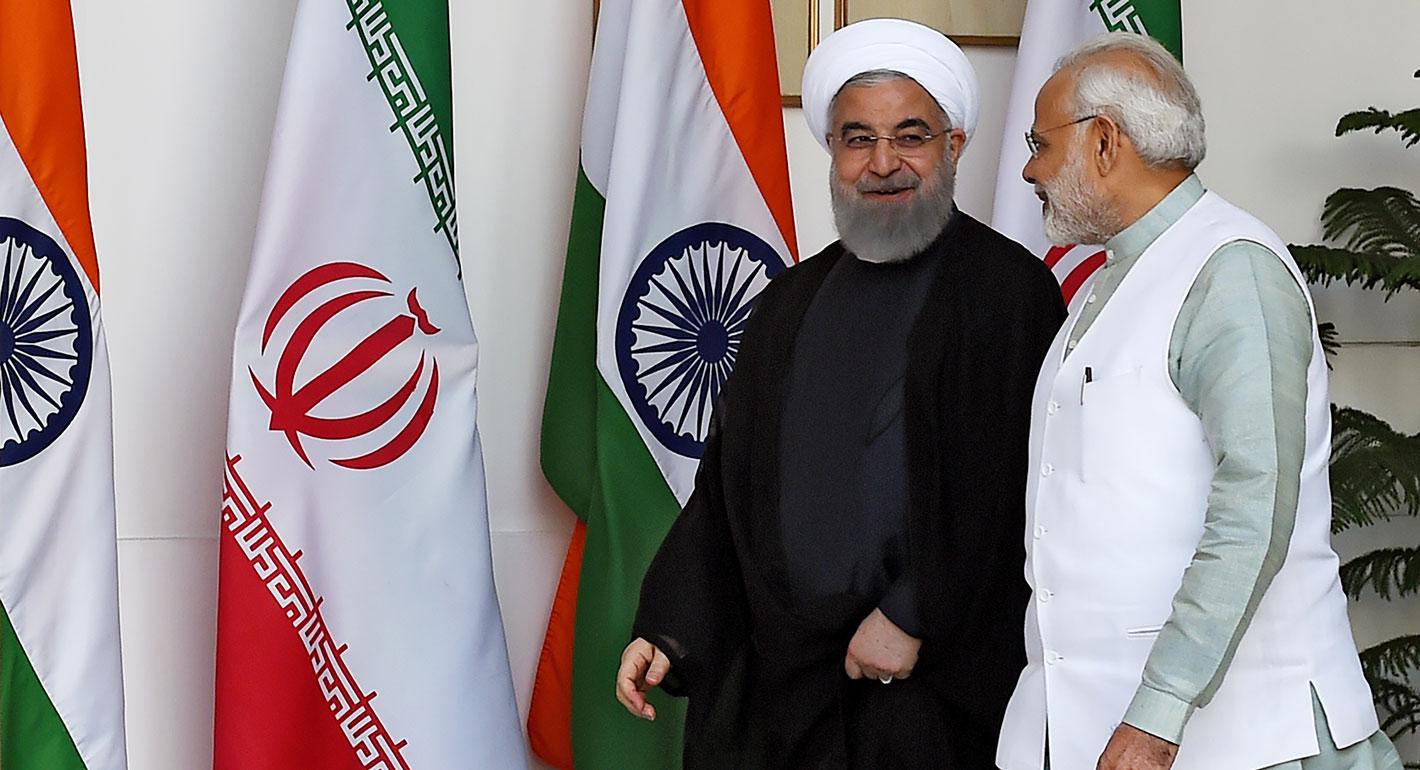
For India, the equation is pretty simple: better diplomatic relations between the United States and Iran would let New Delhi deal more smoothly with both countries. A decline in the relationship adversely affects Indian interests.
Rudra Chaudhuri
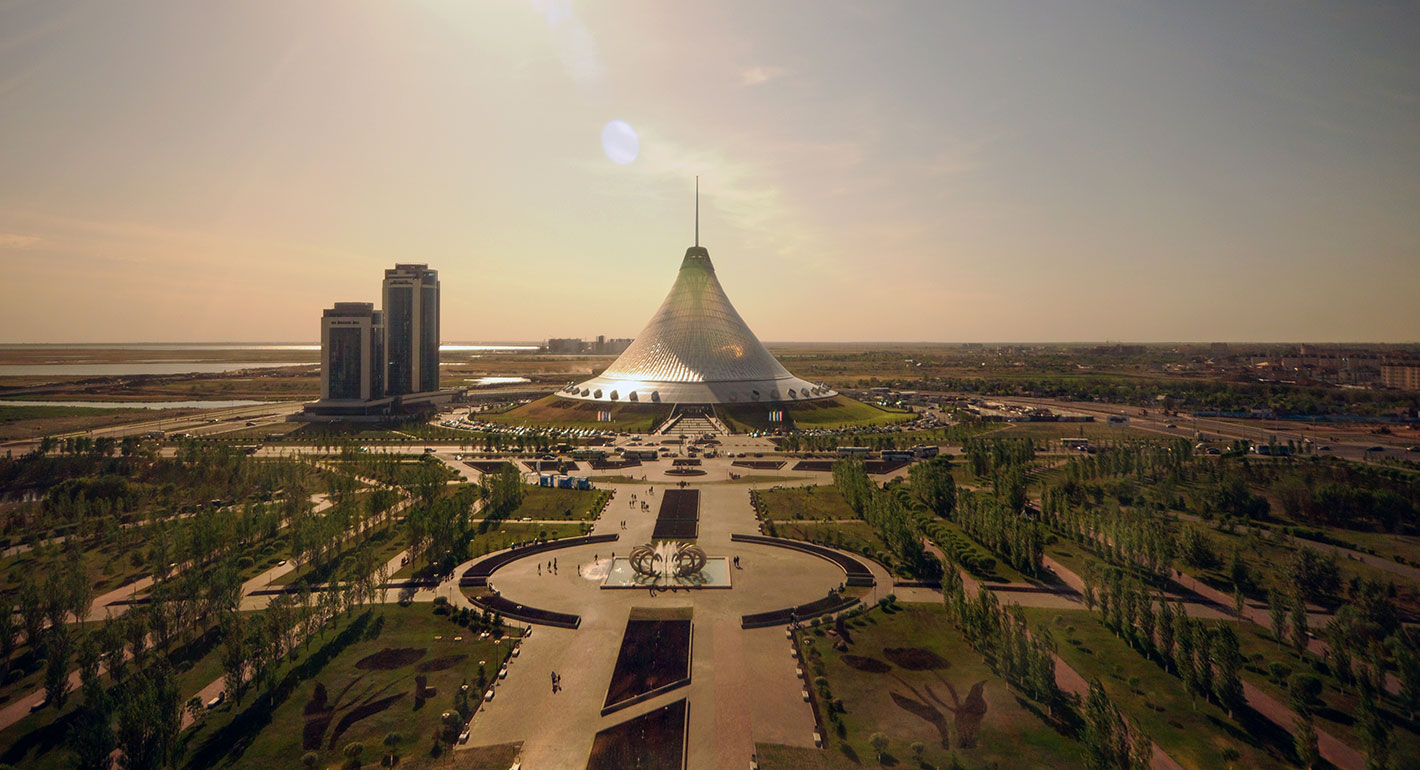
With contributors from various Central Asian nations and beyond, this issue of Seminar provides a selection of perspectives about the past, present, and future trajectory of Central Asia, and the growing role of external actors, particularly India, China, Russia, and the EU in this evolving and dynamic space.
Rhea Menon, Sharanya Rajiv, 64592