

Article
This piece argues that India’s central challenge is not managing a single flashpoint but resolving the underlying tension between expansion and institutional coherency of the BRICS grouping.
Vrinda Sahai
{
  "authors": [
    "Lilia Shevtsova",
    "David J. Kramer"
  ],
  "type": "legacyinthemedia",
  "centerAffiliationAll": "dc",
  "centers": [
    "Carnegie Endowment for International Peace",
    "Carnegie Russia Eurasia Center"
  ],
  "collections": [],
  "englishNewsletterAll": "ctw",
  "nonEnglishNewsletterAll": "",
  "primaryCenter": "Carnegie Russia Eurasia Center",
  "programAffiliation": "russia",
  "programs": [
    "Russia and Eurasia"
  ],
  "projects": [
    "Eurasia in Transition"
  ],
  "regions": [
    "Caucasus",
    "Russia",
    "Eastern Europe"
  ],
  "topics": [
    "Political Reform"
  ]
}
Source: Getty
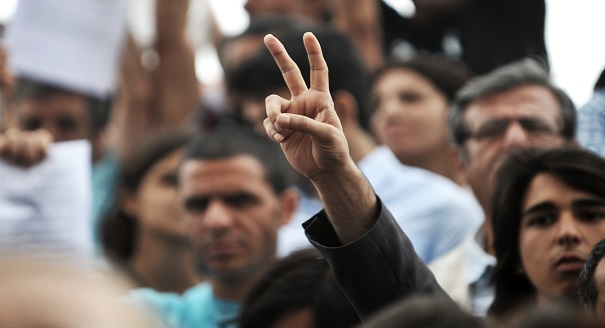
While the world waits for a Fourth Wave of Democracy, it is witnessing a diametrically different phenomenon: a surge of new authoritarianism.
Source: American Interest
The wait for the Fourth Wave of Democracy continues. Several times over the past decade, it seemed that it was about to unfold: in 2003–05, with the “Rose Revolution” in Georgia, the “Orange Revolution” in Ukraine, and the “Tulip Revolution” in Kyrgyzstan; and in 2011 with the “Arab Spring”, which sparked hopes in a part of the world that had shown virtually no movement in democratic development for decades. The turmoil in Egypt, the difficulties experienced by Libya and the daily tragedies in Syria have placed those hopes on hold.
As the wait for the fourth wave continues, we are witnessing a diametrically different phenomenon: the surge of new authoritarianism. It is happening across a culturally and historically diverse set of countries but is particularly noteworthy in the countries of Eurasia and even Central Europe. We see it in Russia, Belarus and Azerbaijan in its harshest forms, and in milder versions in Turkey, Hungary and, some even worry, Georgia. The recent Freedom House report, Nations in Transit, paints the following picture:Several of Russia’s neighbors saw increasing pressure on political opposition and civil society. Five of the 12 countries in the Eurasia region suffered score declines on Nations in Transit’s civil society indicator, including Azerbaijan, Tajikistan, and Belarus, which stepped up their persecution of perceived enemies through legal and extralegal means.
In Central Europe, most states were able to respond to the mounting public backlash against unpopular austerity measures without straying from core democratic norms. However, in Romania, a new center-left government treated public dissatisfaction with President Traian Basescu and the outgoing center-right government as a mandate to entrench its own rule and browbeat critical media outlets. Hungary, which showed dramatic decline in last year’s report, slipped further as the administration of Prime Minister Viktor Orbán continued to defend its controversial reorganization and restaffing of the country’s media, data protection, and judicial oversight bodies, while also pursuing legislation to regulate additional dimensions of political and social activity.
Let us complement this report with trends pointing to the emergence of new electoral authoritarianism in Egypt, with a duly elected President from the Muslim Brotherhood, and the case of Tayyip Erdogan, the democratically-elected Prime Minister of Turkey, seeking to establish a sultanist regime in his country while relying on support from the conservative majority. …
Read the full text of this article in the American Interest.

Former Senior Associate, Russian Domestic Politics and Political Institutions Program, Moscow Center
Shevtsova chaired the Russian Domestic Politics and Political Institutions Program at the Carnegie Moscow Center, dividing her time between Carnegie’s offices in Washington, DC, and Moscow. She had been with Carnegie since 1995.
David J. Kramer
David J. Kramer served as assistant aecretary of state for democracy, human rights and labor in the George W. Bush administration and is director of European & Eurasian Studies at Florida International University’s Steven J. Green School of International and Public Affairs.
Carnegie India does not take institutional positions on public policy issues; the views represented herein are those of the author(s) and do not necessarily reflect the views of Carnegie, its staff, or its trustees.

This piece argues that India’s central challenge is not managing a single flashpoint but resolving the underlying tension between expansion and institutional coherency of the BRICS grouping.

Vrinda Sahai

The war in Ukraine has demonstrated that India needs to establish a strong domestic space economy in order to weather geopolitical storms.

Konark Bhandari
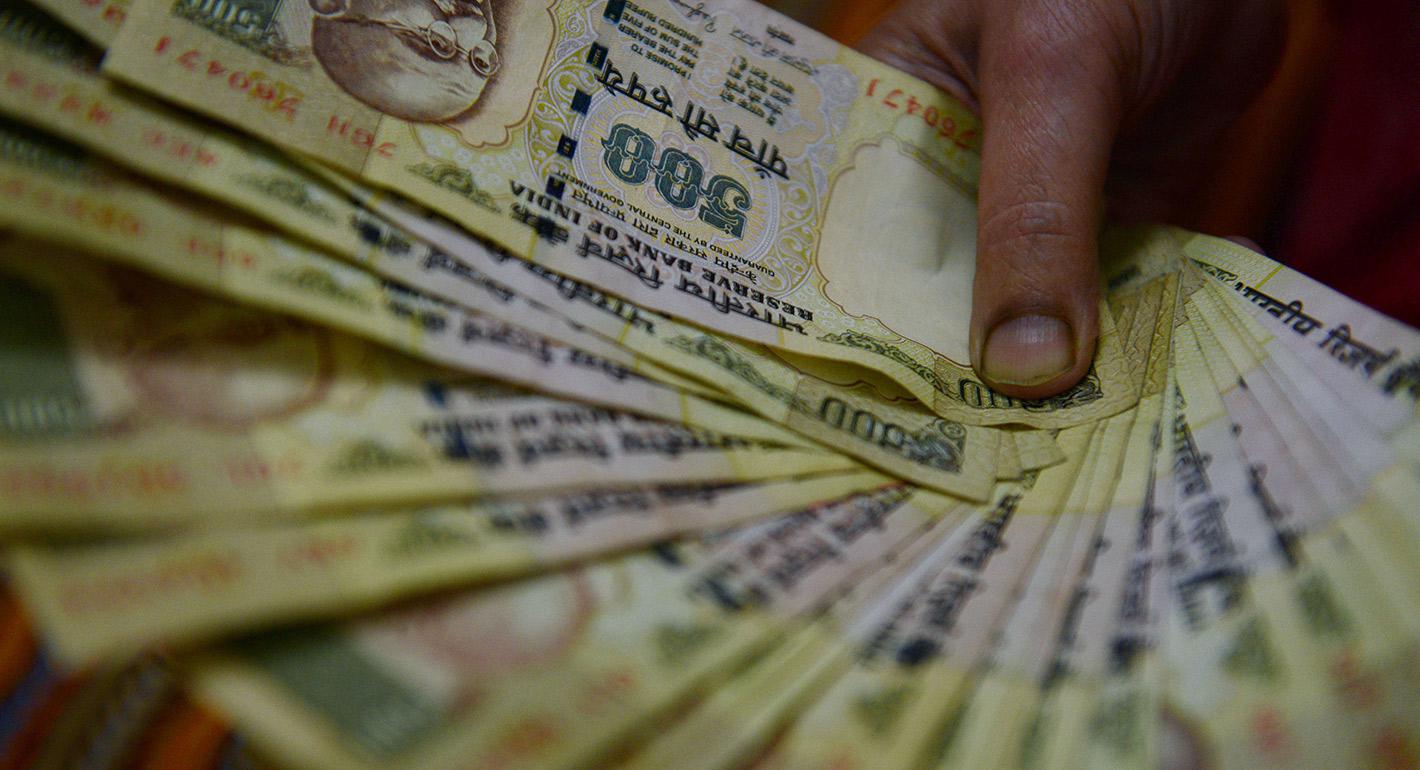
As India’s economy recovers from the coronavirus pandemic, Indian businesses need efficient financial structures to regain their ground. Key reforms to India’s Insolvency and Bankruptcy Code could fill these gaps.

Anirudh Burman

Access to cross-border data is an integral piece of the law enforcement puzzle. India is well placed to lead the discussions on international data agreements subject to undertaking necessary surveillance reforms.

Smriti Parsheera, Prateek Jha
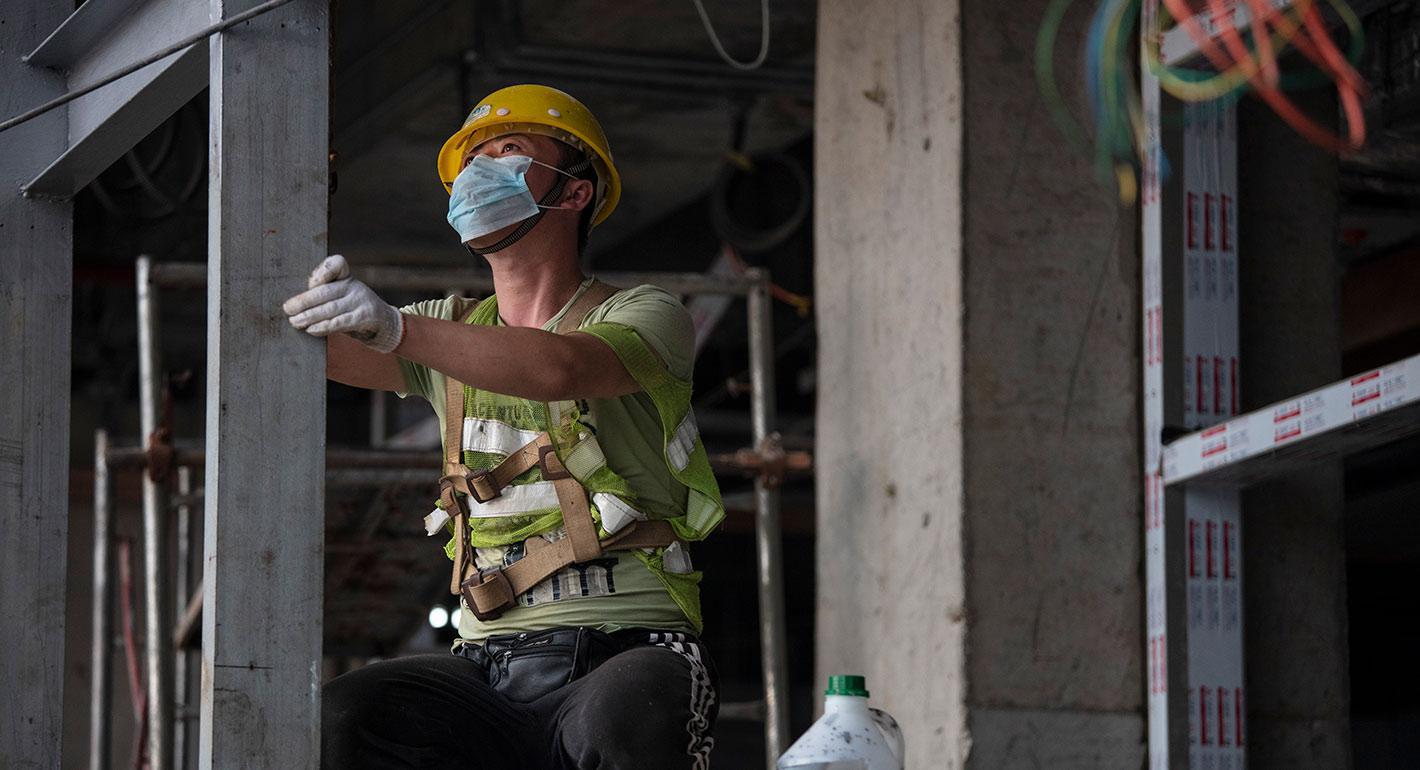
After the coronavirus pandemic wanes, how will China’s reorientation of the Belt and Road Initiative to address global health concerns influence its relationships with South Asian countries?
Deep Pal, Rahul Bhatia