

In The Media
Petr Topychkanov
{
  "authors": [
    "Petr Topychkanov"
  ],
  "type": "commentary",
  "centerAffiliationAll": "",
  "centers": [
    "Carnegie Endowment for International Peace",
    "Carnegie Russia Eurasia Center"
  ],
  "collections": [],
  "englishNewsletterAll": "",
  "nonEnglishNewsletterAll": "",
  "primaryCenter": "Carnegie Russia Eurasia Center",
  "programAffiliation": "",
  "programs": [],
  "projects": [],
  "regions": [
    "North America",
    "United States",
    "East Asia",
    "China",
    "Southeast Asia"
  ],
  "topics": [
    "Security",
    "Military",
    "Global Governance",
    "Foreign Policy"
  ]
}
Source: Getty
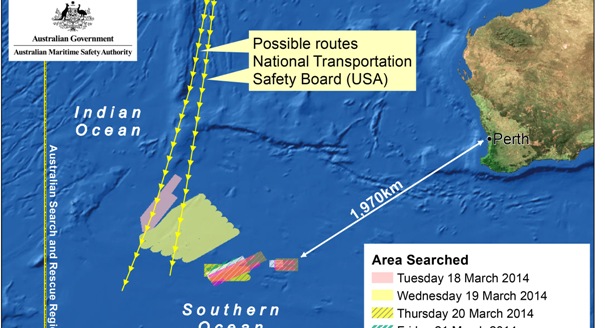
Two weeks search for the missing Malaysia Airlines plane was an example of both impressive regional cooperation and discouraging limits of such cooperation in the Asia-Pacific region.
Two weeks search for the missing Malaysia Airlines plane was an example of both impressive regional cooperation and discouraging limits of such cooperation in the Asia-Pacific region.
On the one hand, it is the largest search operation in the history. On March 20 Malaysian authorities mentioned 29 planes and 6 helicopters, 18 ships, and 21 satellites, involved in the search. During previous days the operations facilities amounted to more than 50 planes and 40 ships of 26 countries. China alone used the data from about 20 satellites. The total area of the operation had reached 7.7 million square kilometers. The search for the missing plane has become a top priority for many countries, including China and the United States.
Two weeks ago it seemed that the Association of Southeast Asian Nations would able to efficiently response to the MH370 challenge. On March 8 Malaysian Foreign Minister Anifah Aman informed the public that his country had asked help from other members of ASEAN. Yet in response 47 years old Association demonstrated a low-level readiness for such kind of events. It’s impossible even to find any information about ASEAN reaction on both the plane disappearance and Malaysian request on the website of the organization.
Ekaterina Koldunova, deputy dean of the School of Political Affairs at the Moscow State Institute of International Relations of the Russian Ministry of Foreign Affairs, explained the unpreparedness of ASEAN: “ASEAN declares that it is not a military alliance. Yet there are regular exercises of military, counter piracy, and counterterrorism forces of ASEAN member states and external powers. These drills demonstrate that ASEAN is hardly to be regarded as a fully independent organization in the abovementioned fields, since external powers play important role in the exercises. However there are successful initiatives such as Eyes-in-the-Sky and Malacca Straits Coordinated Patrol. But regional powers had to start them to protect sea lanes against piracy, since the alternative option was to have navy deployment of the United States. ASEAN security cooperation faces limits, including lack of experience, proper equipment, and trust. Having a bunch of separatist, extremist, and terrorist groups, enjoying external support, regional countries are reluctant to deepen cooperation with each other.”
Headlines reflect public understanding of the ASEAN role in the MH370 search: “Flight MH370 Shows Limits of ASEAN’s Maritime Cooperation,” and “How Can We Trust ASEAN Integration?”
The missing Malaysia Airlines plane demonstrated an urgent need for expanding fields of the ASEAN security cooperation far beyond existing practices. Koldunova believes, that “the MH370 case must boost security cooperation of ASEAN and help them to regionalize security mechanisms of the Association.”
Deepening the ASEAN security cooperation should include following approaches among others:
Former Fellow, Nonproliferation Program, Moscow Center
Topychkanov was a fellow in the Carnegie Moscow Center’s Nonproliferation Program.
Recent Work
Petr Topychkanov
Petr Topychkanov
Carnegie India does not take institutional positions on public policy issues; the views represented herein are those of the author(s) and do not necessarily reflect the views of Carnegie, its staff, or its trustees.

On the last day of the India AI Impact Summit, India signed Pax Silica, a U.S.-led declaration seemingly focused on semiconductors. While India’s accession to the same was not entirely unforeseen, becoming a signatory nation this quickly was not on the cards either.

Konark Bhandari

This piece examines India’s response to U.S. sanctions and tariffs, specifically assessing the immediate market consequences, such as alterations in import costs, and the broader strategic implications for India’s energy security and foreign policy orientation.
Vrinda Sahai
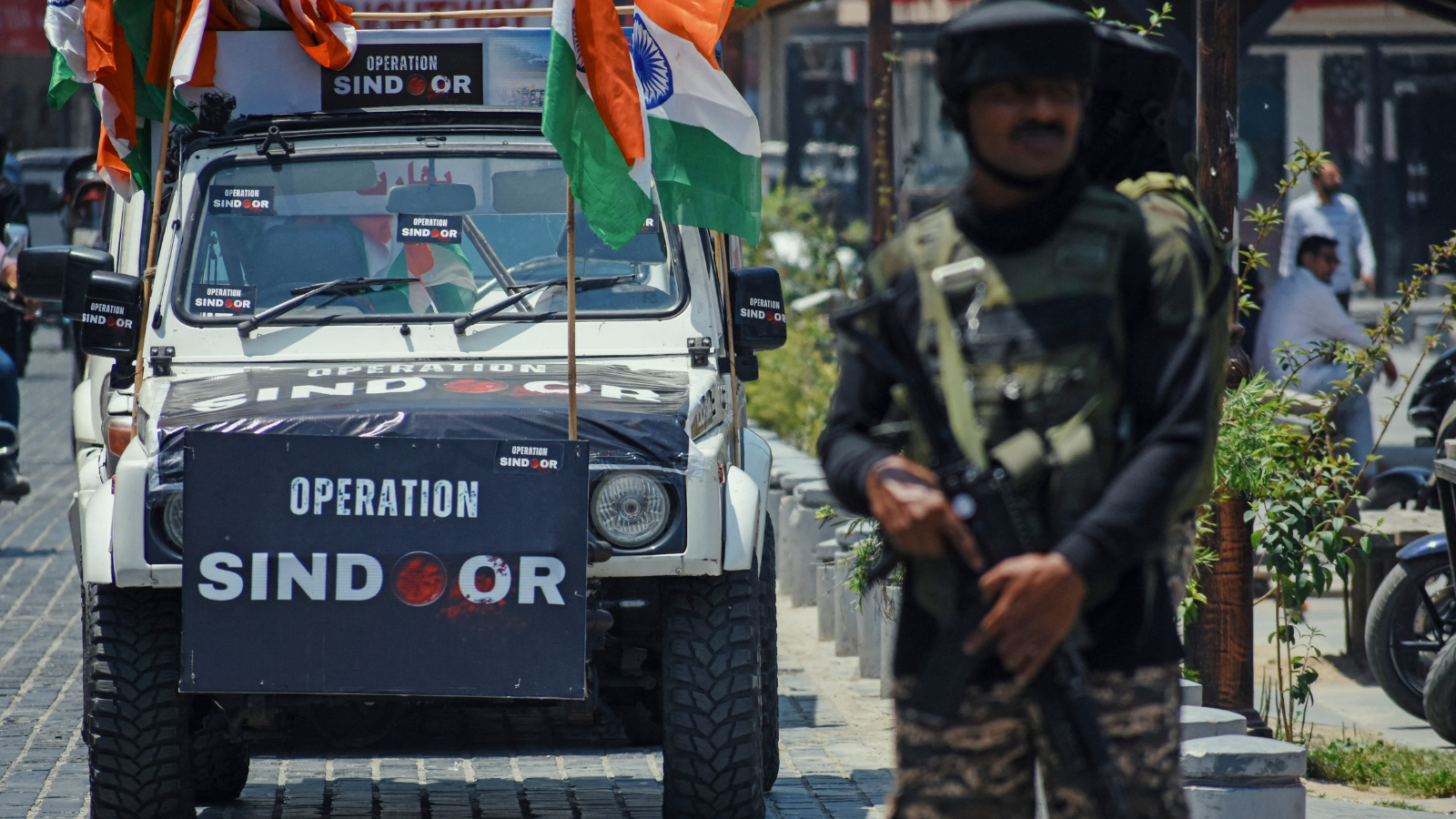
The India-Pakistan conflict that played out between May 6 and May 10, 2025, offers several military lessons. This article presents key takeaways from Operation Sindoor and breaks down how India’s preparations shaped the outcome and what more is needed to strengthen future readiness.

Dinakar Peri
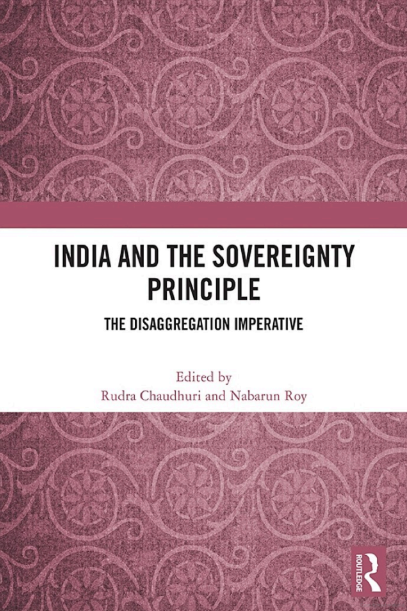
This book offers a comprehensive analysis of India's evolving relationship with sovereignty in a complex global order. Moving beyond conventional narratives, it examines how the sovereignty principle shapes India's behavior across four critical domains—from traditional military power to contemporary data governance.

Rudra Chaudhuri, Nabarun Roy
This paper examines the evolution of India-China economic ties from 2005 to 2025. It explores the impact of global events, bilateral political ties, and domestic policies on distinct spheres of the economic relationship.

Santosh Pai