

Article
Thomas de Waal, Areg Kochinyan, Zaur Shiriyev
{
  "authors": [
    "Thomas de Waal"
  ],
  "type": "commentary",
  "centerAffiliationAll": "",
  "centers": [
    "Carnegie Endowment for International Peace",
    "Carnegie Europe",
    "Carnegie Russia Eurasia Center"
  ],
  "collections": [],
  "englishNewsletterAll": "",
  "nonEnglishNewsletterAll": "",
  "primaryCenter": "Carnegie Europe",
  "programAffiliation": "",
  "programs": [],
  "projects": [],
  "regions": [
    "Russia",
    "Eastern Europe",
    "Ukraine",
    "Moldova"
  ],
  "topics": [
    "Security",
    "Foreign Policy"
  ]
}
Source: Getty
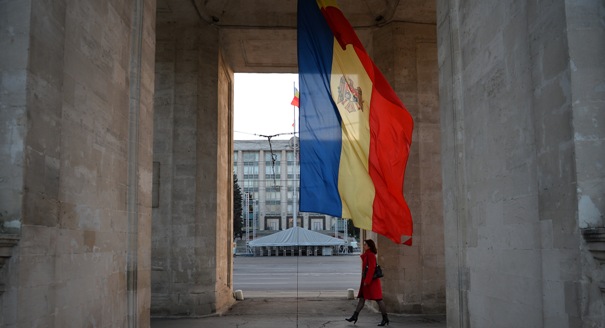
If Vladimir Putin has a new doctrine of intervention, Moldova is vulnerable. But thus far both Chisinau and Transnistria have been quiet, while the crisis rages next door.
As the crisis in Crimea hurtles along, poor Moldova is getting a lot of attention at the moment it would rather do without.
There seem to be two basic narratives to explain President Vladimir Putin’s military intervention in Crimea.
One is that this is only the first move in Putin's new doctrine to re-establish Russian hegemony in the Near Abroad. This view runs the entire intellectual range from Sarah Palin to my colleague Lilia Shevtsova and Ivan Krastev, who argued recently of Putin, “His foreign policy amounts to a deep rejection of modern Western values and an attempt to draw a clear line between Russia’s world and Europe’s. For Putin, Crimea is likely just the beginning.”
In support of this argument is the fact that Putin make a border agreement with Estonia only last month. Why do that if he was planning to destabilize the Baltic States?
Of course the real story may contain elements of both of these versions. But a key test of what happens next is Moldova, the post-Soviet country most vulnerable to a second application of a new “Putin doctrine,” if it exists.
Why Moldova? Georgia is also nervous but is less exposed, as Moscow effectively already burned its last bridges with Tbilisi in the war of 2008.
Moldova has pressed ahead the fastest of the six Eastern Partnership countries toward integration with the European Union. Its citizens are now one step away from visa-free travel to the European Union and are set to get an Association Agreement with Brussels this summer.
But the country also still gets all its gas from Russia—unlike Georgia. It has tens of thousands of migrant workers in Russia. It is politically fragile. The pro-European government is a loose coalition, with the pro-Russian Euro-skeptical Communist Party remaining the largest party in parliament.
Then there is Transnistria, the breakaway territory on the left bank of the Dnestr River that has been de facto separate from Moldova and a Russian military protectorate since the conflict of 1991. Unlike Abkhazia and South Ossetia, Moscow did not recognize the territory as independent in 2008.
Returning from talks in Washington last week, Moldovan Prime Minister Iurie Leanca warned the Crimean situation could be “contagious”—an obvious reference to Transnistria.
Transnistria is a pet project of super-patriotic ideologists in Moscow. Some of these usual suspects, such as Mikhail Leontyev, have been broadcasting on its behalf recently.
All true—but thus far both Moldova and Transnistria have been quiet, while the crisis rages next door. Perhaps this is because the Transnistrians themselves are less interested in trouble than their would-be champions in Moscow. Transnistria's de facto foreign minister Nina Shtanski was excessively cautious last week, saying only, “We hope that the situation [in Ukraine] is stabilizing.”
Transnistria has reasons to want to keep its options open. Ukraine is close and Russia is far away, so it is vulnerable to a repeat of the economic squeeze it last suffered from Ukraine in 2004-2006. Its people also know that the ace of Russian recognition might not be such a winning card after all, as a lot of Moldovans would be prepared to sacrifice Transnistria in return for faster integration with the EU.
Moldova needs watching closely, very closely. There is a danger of over-spill and there are people in Moscow who might want to provoke a crisis in Transnistria anyway. But it looks as though neither party on the ground is looking for trouble. In the case of Moldova's pro-European parties, they also have another challenge coming up later in the year—trying to win a parliamentary election in which Russia is bound to be spending a lot of resources.

Senior Fellow, Carnegie Europe
De Waal is a senior fellow at Carnegie Europe, specializing in Eastern Europe and the Caucasus.
Recent Work
Thomas de Waal, Areg Kochinyan, Zaur Shiriyev
Thomas de Waal
Carnegie India does not take institutional positions on public policy issues; the views represented herein are those of the author(s) and do not necessarily reflect the views of Carnegie, its staff, or its trustees.

This piece argues that the present Indian strategy, based on opportunistic diversification and utilization of limited strategic reserves, remains inadequate when confronting supply disruptions. It evaluates India’s options in the short, medium, and long terms.

Vrinda Sahai

This piece examines India’s response to U.S. sanctions and tariffs, specifically assessing the immediate market consequences, such as alterations in import costs, and the broader strategic implications for India’s energy security and foreign policy orientation.
Vrinda Sahai
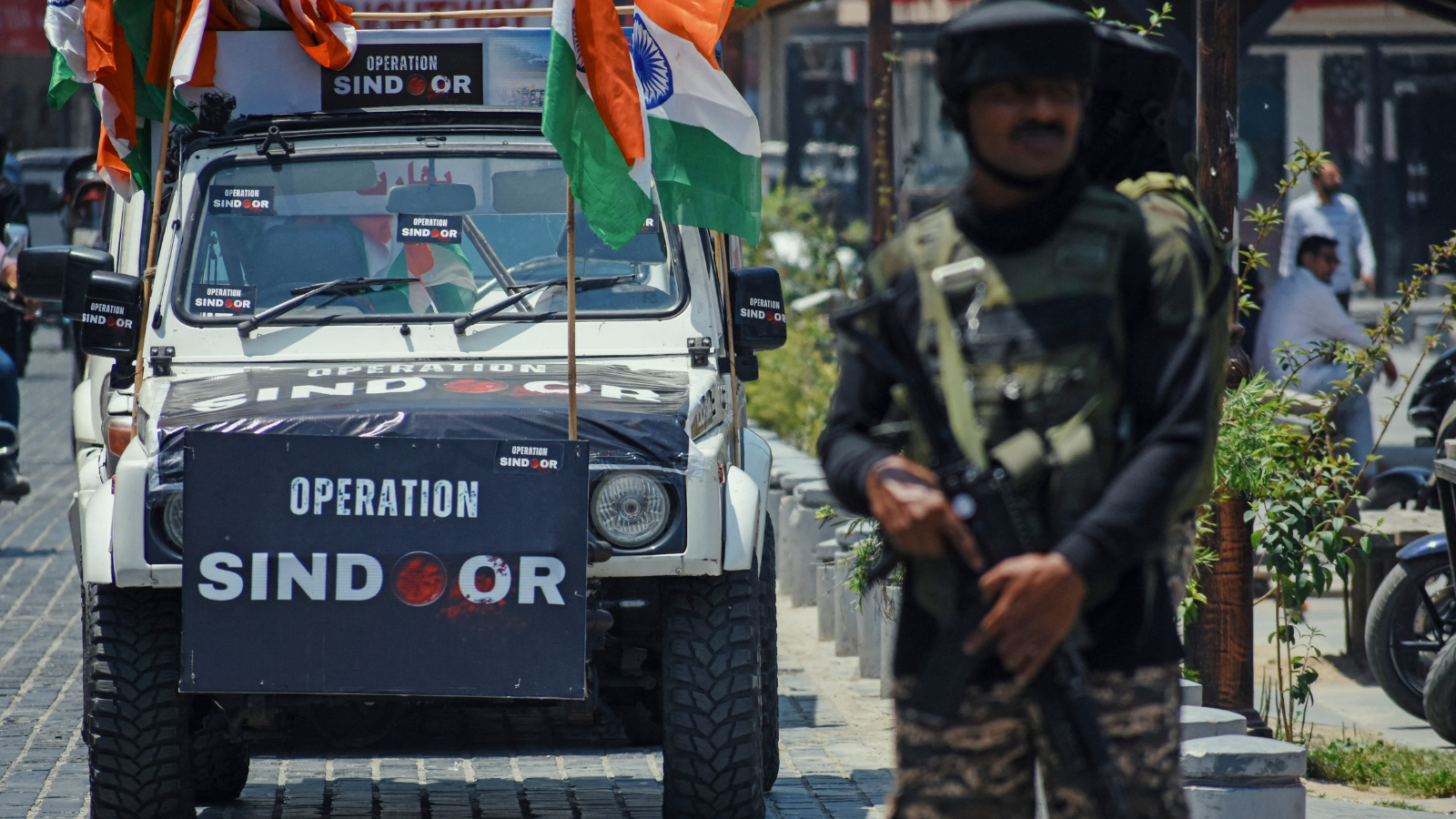
The India-Pakistan conflict that played out between May 6 and May 10, 2025, offers several military lessons. This article presents key takeaways from Operation Sindoor and breaks down how India’s preparations shaped the outcome and what more is needed to strengthen future readiness.

Dinakar Peri
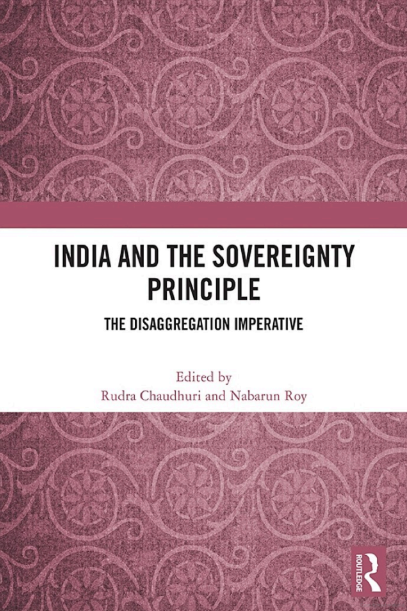
This book offers a comprehensive analysis of India's evolving relationship with sovereignty in a complex global order. Moving beyond conventional narratives, it examines how the sovereignty principle shapes India's behavior across four critical domains—from traditional military power to contemporary data governance.

Rudra Chaudhuri, Nabarun Roy
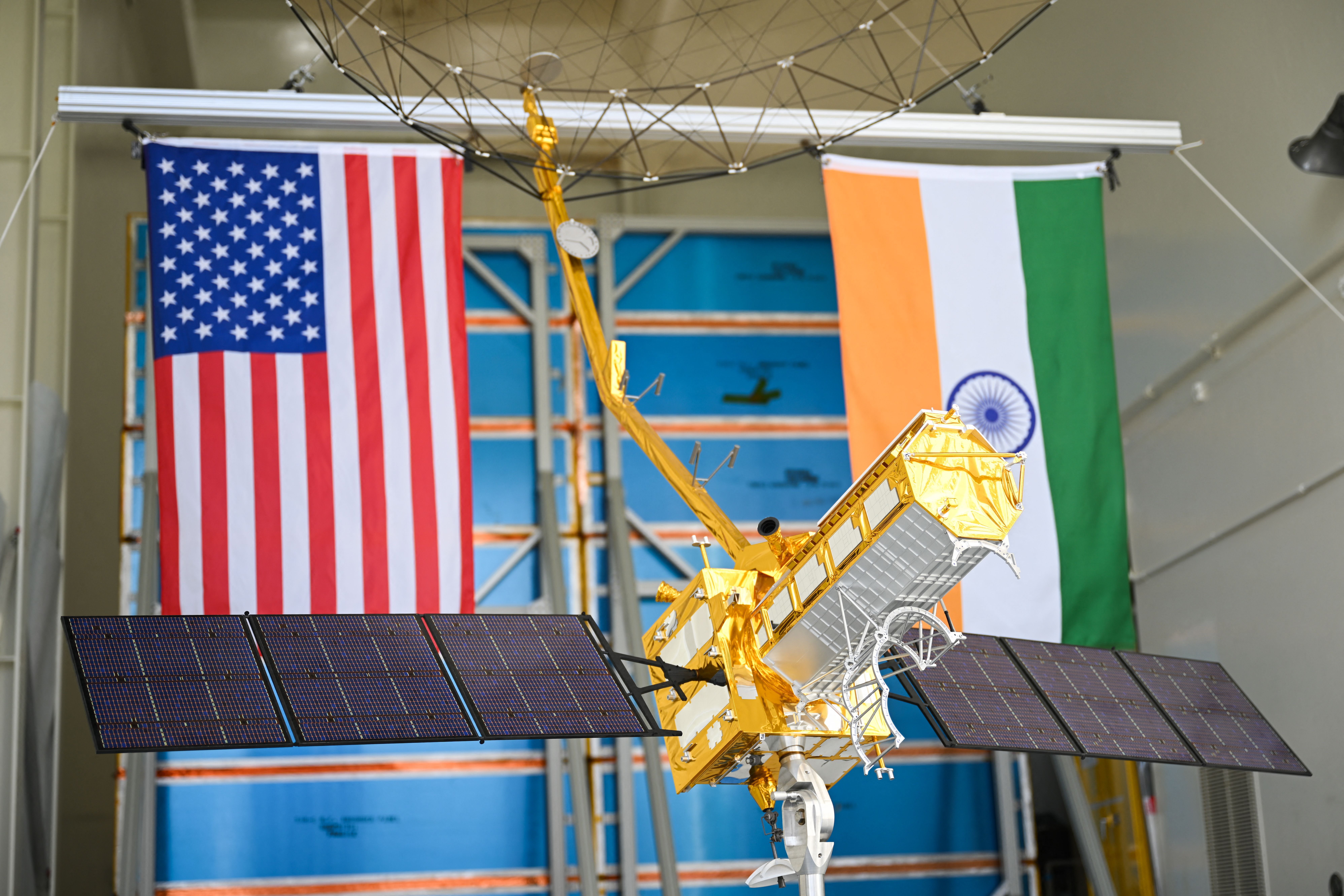
On July 30, 2025, the United States announced 25 percent tariffs on Indian goods. While diplomatic tensions simmered on the trade front, a cosmic calm prevailed at the Sriharikota launch range. Officials from NASA and ISRO were preparing to launch an engineering marvel into space—the NASA-ISRO Synthetic Aperture Radar (NISAR), marking a significant milestone in the India-U.S. bilateral partnership.

Tejas Bharadwaj