

Research
- +6
Yasmine Farouk, Nathan J. Brown, Maysaa Shuja Al-Deen, …
{
  "authors": [
    "Michele Dunne"
  ],
  "type": "legacyinthemedia",
  "centerAffiliationAll": "dc",
  "centers": [
    "Carnegie Endowment for International Peace",
    "Malcolm H. Kerr Carnegie Middle East Center"
  ],
  "collections": [
    "Arab Awakening"
  ],
  "englishNewsletterAll": "menaTransitions",
  "nonEnglishNewsletterAll": "",
  "primaryCenter": "Carnegie Endowment for International Peace",
  "programAffiliation": "MEP",
  "programs": [
    "Middle East"
  ],
  "projects": [],
  "regions": [
    "North Africa",
    "Egypt"
  ],
  "topics": [
    "Political Reform"
  ]
}
Source: Getty
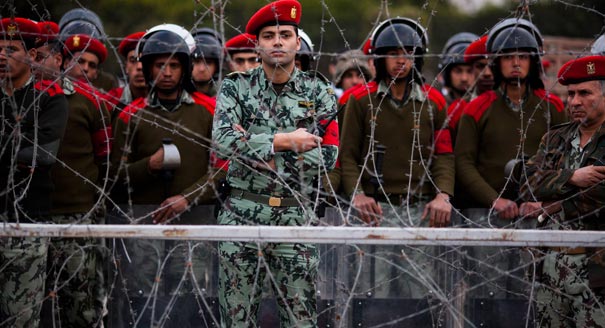
Egyptian officials have objected to the negative stories that have been coming out about the human rights abuses in Egypt as part of a very broad crackdown that’s been going on for almost a year.
Source: PBS Newshour
JEFFREY BROWN: We invited Egypt’s ambassador to Washington to appear on tonight’s program. The embassy declined our request.
Joining me now to discuss what today’s ruling means is Michele Dunne, a senior associate at the Carnegie Endowment for Peace, and Michael Hanna, a Senior Fellow at the Century Foundation.
So, Michael Hanna, how much do you see this as part of a general crackdown on journalists, and how much is aimed specifically at Al-Jazeera?
MICHAEL HANNA, The Century Foundation: Well, this is clearly part of a broader pattern which dissent and protest have been targeted.
And that is a big part of the story. This is the most high-profile case of a whole series of cases, some of which have targeted protest leaders, activists, Egyptian journalists. So this is part of a broader wave of repressive actions that have been taken since the ouster of Morsi last summer.
I think geopolitics is part of this story as well. Al-Jazeera Arabic’s coverage has been quite biased, but, of course, has not risen to any kind of criminality. But that does explain why Al-Jazeera English was targeted by organs in the security establishment. And so it has also made it much more difficult to unwind the case, to try to negotiate some sort of resolution to the imprisonment of these journalists.
JEFFREY BROWN: Michele Dunne, how do you see what has happened, what has caught up these journalists?
MICHELE DUNNE, Carnegie Endowment for International Peace: I agree with what Michael said.
I think another aspect of the case is the attempt by Egyptian officials, led by President Sisi, to control the narrative of what is going on whether it is inside Egypt or for the audience abroad. So, inside Egypt, this trial and this prosecution, which started in January, was accompanied by a demonization campaign.
And the journalists were accused of either being members of the Brotherhood or spying for the Brotherhood. And in terms of the audience abroad, it’s also intended to be a signal to other foreign journalists. Egyptian officials have really objected to the negative stories that have been coming out about the human rights abuses in Egypt as part of this very broad crackdown that’s been going on for almost a year now.
JEFFREY BROWN: Well, let me ask you this first. How much does it, if anything, tell us about the still-developing Egypt and the power of President Sisi? Is he the one controlling a verdict like this, or is this done by the judiciary or others?
MICHELE DUNNE: Well, we really don’t know whether there are any instructions to judges and so forth on how to rule in this case. But we can say a couple of things.
One of them is that these cases come out of the Egyptian government. It came out of Egyptian intelligence, the Interior Ministry and so forth. And they played a very active role. Back at the beginning of this case of the Al-Jazeera journalists, they released a video of the — of their arrest set to kind of scary music and so forth and put it out in order to demonize Al-Jazeera and basically to convince Egyptians not to listen to what Al-Jazeera was saying.
The other thing is that, whether or not there is any direct involvement or instructions by Sisi or others in the Egyptian government to the judiciary, certainly, all the signals that President Sisi has sent, everything he says is in line with this, very, very harsh, anti-dissent, anti-Brotherhood, that the Brotherhood are terrorists and so forth.
So, you know, the judges, if they’re looking for political signals on how to rule in these cases, I think it would be clear.
JEFFREY BROWN: Michael Hanna, what do you think this tells us about the present state of affairs in Egypt?
MICHAEL HANNA: Well, since the overthrow of Mubarak, I think we have seen a state that has fractured. Lots of autonomy has been vested within individual institutions, and it’s created a somewhat chaotic scene, in which red lines have been crossed and the powers of certain institutions are somewhat unclear.
I agree with Michelle that the military-backed political order has created an enabling environment in which repression has flourished. And I do think that it’s very difficult to parse out how things happen and why.
I do know that there was severe disagreements within the Egyptian government, at fairly high levels, when the Al-Jazeera English journalists were arrested. Of course, to try to unwind this kind of case requires the expenditure of a lot of political capital and a very big political fight that no players have as of yet taken up the challenge to accomplish.
JEFFREY BROWN: And, Michele Dunne, you’re saying that the condemnation that came really loud and strong, within the country, they don’t care, or they just — this is still a kind of power-fixing within the country?
MICHELE DUNNE: Well, look, there are — there are — certainly, there are Egyptians who care about this and I’m sure are horrified by it.
JEFFREY BROWN: Yes.
MICHELE DUNNE: But in terms of within the Egyptian government, we have seen, since the military unseated President Morsi last summer, a real return of the deep state, the security apparatus, the Interior Ministry, intelligence and so forth. These parts of the Egyptian government were back on their heels after the 2011 uprising. But they are back and are very powerful. And they are the ones who have been driving this forward.
JEFFREY BROWN: Affecting all kinds of dissent, right?
MICHELE DUNNE: Yes.
JEFFREY BROWN: Yes.
Michael Hanna, what about the — what about all this for the U.S.? As we said, it was just yesterday that Secretary Kerry was there and seeming to sort of reconnect between the two countries, right?
MICHAEL HANNA: Well, the decision on aid had been made weeks prior.
But, clearly, the optics were very bad for the United States. U.S. policy seems to have become more modest and is now more narrowly focused on regional security interests and the strategic relationship with Egypt. But developments in the country have been routinely negative. And the course correction that I think many are hoping for under President Sisi has yet to materialize.
And a decision like today’s coming on the heels of Secretary Kerry’s visit puts the United States in an awkward light and puts a lot of pressure on the kinds of policy shifts that are being made right now.
JEFFREY BROWN: Does it, Michele Dunne, raise enough questions that — to affect U.S. policy towards Egypt?
MICHELE DUNNE: I think, right now, Secretary Kerry’s visit and his attempt to get the aid started again has been just trying to get things back into the same pattern they were in before the coup and to get the arms purchases going again and so forth.
But there is some rethinking, I would say particularly on Capitol Hill. A bill came out in the Senate this week that would cut part of the military aid to Egypt. There is some discussion that perhaps this relationship has become imbalanced. The United States has invested very heavily in the Egyptian military, tens of billions of dollars of assistance, and much less so, at least in recent years, in the Egyptian economy, the Egyptian people.
So, there are starting to be some questions about whether the United States has the right balance going in this relationship.
JEFFREY BROWN: Let me just ask you very briefly, Michele Dunne. There is some talk about the possibility of a pardon from President Sisi. That is possible still, right?
MICHELE DUNNE: It is possible, but it is rare.
Egyptian presidents don’t do this very often, and especially not in high-profile cases.
JEFFREY BROWN: All right. Michele Dunne…
JEFFREY BROWN: Michele Dunne, Michael Hanna, thank you both very much.
MICHELE DUNNE: Thank you, Jeff.
MICHAEL HANNA: Thank you.

Former Nonresident Scholar, Middle East Program
Michele Dunne was a nonresident scholar in Carnegie’s Middle East Program, where her research focuses on political and economic change in Arab countries, particularly Egypt, as well as U.S. policy in the Middle East.
Recent Work



Yasmine Farouk, Nathan J. Brown, Maysaa Shuja Al-Deen, …
Robert Springborg, Emile Hokayem, Becca Wasser, …
Carnegie India does not take institutional positions on public policy issues; the views represented herein are those of the author(s) and do not necessarily reflect the views of Carnegie, its staff, or its trustees.
As India’s economy recovers from the coronavirus pandemic, Indian businesses need efficient financial structures to regain their ground. Key reforms to India’s Insolvency and Bankruptcy Code could fill these gaps.

Anirudh Burman
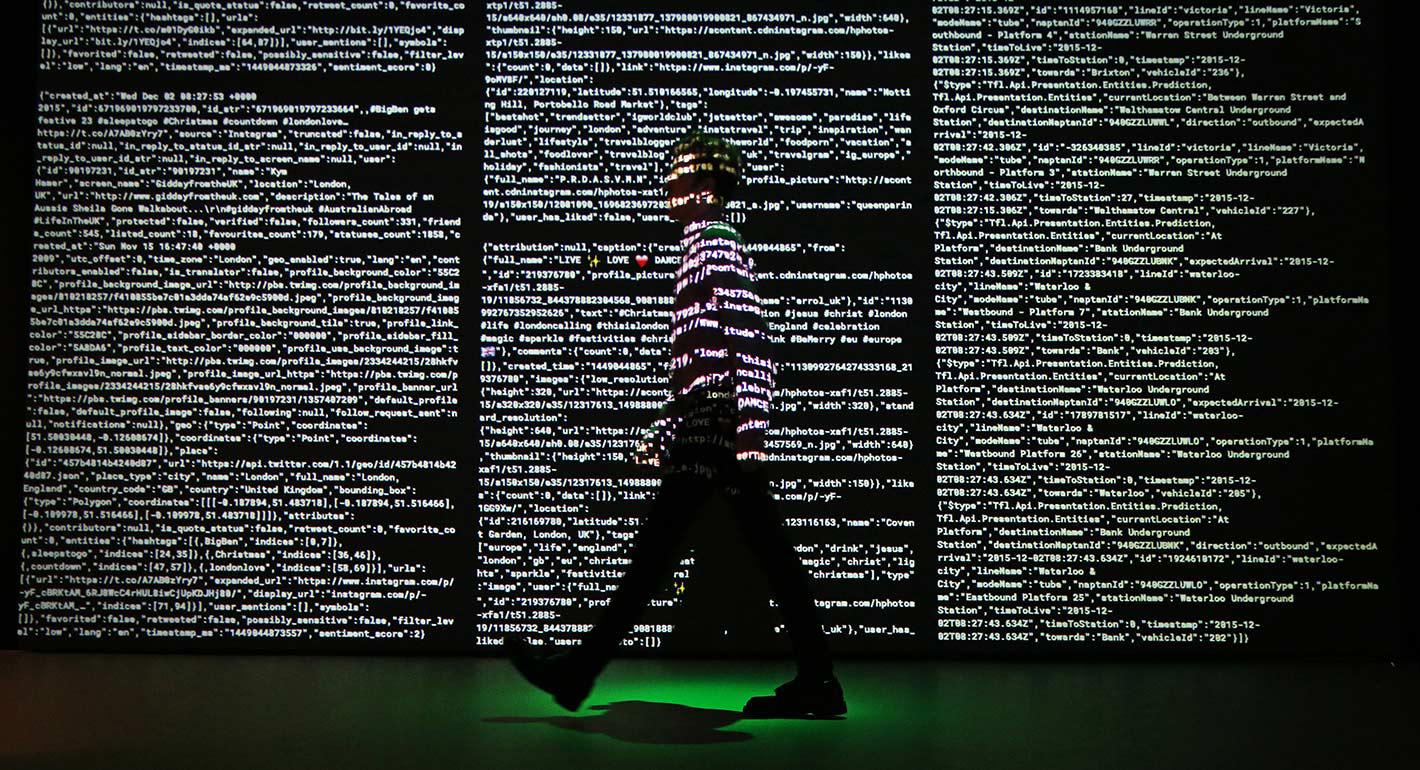
Access to cross-border data is an integral piece of the law enforcement puzzle. India is well placed to lead the discussions on international data agreements subject to undertaking necessary surveillance reforms.
Smriti Parsheera, Prateek Jha
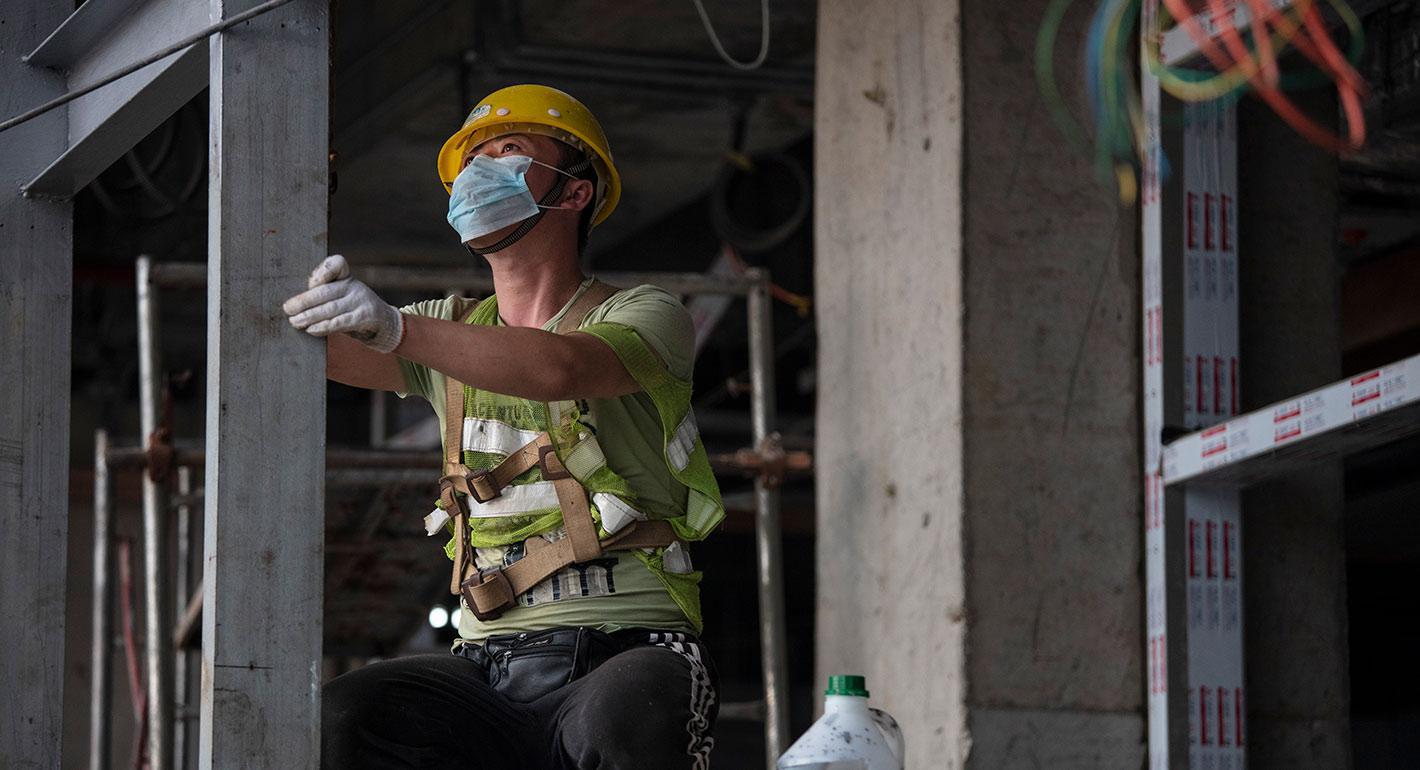
After the coronavirus pandemic wanes, how will China’s reorientation of the Belt and Road Initiative to address global health concerns influence its relationships with South Asian countries?
Deep Pal, Rahul Bhatia
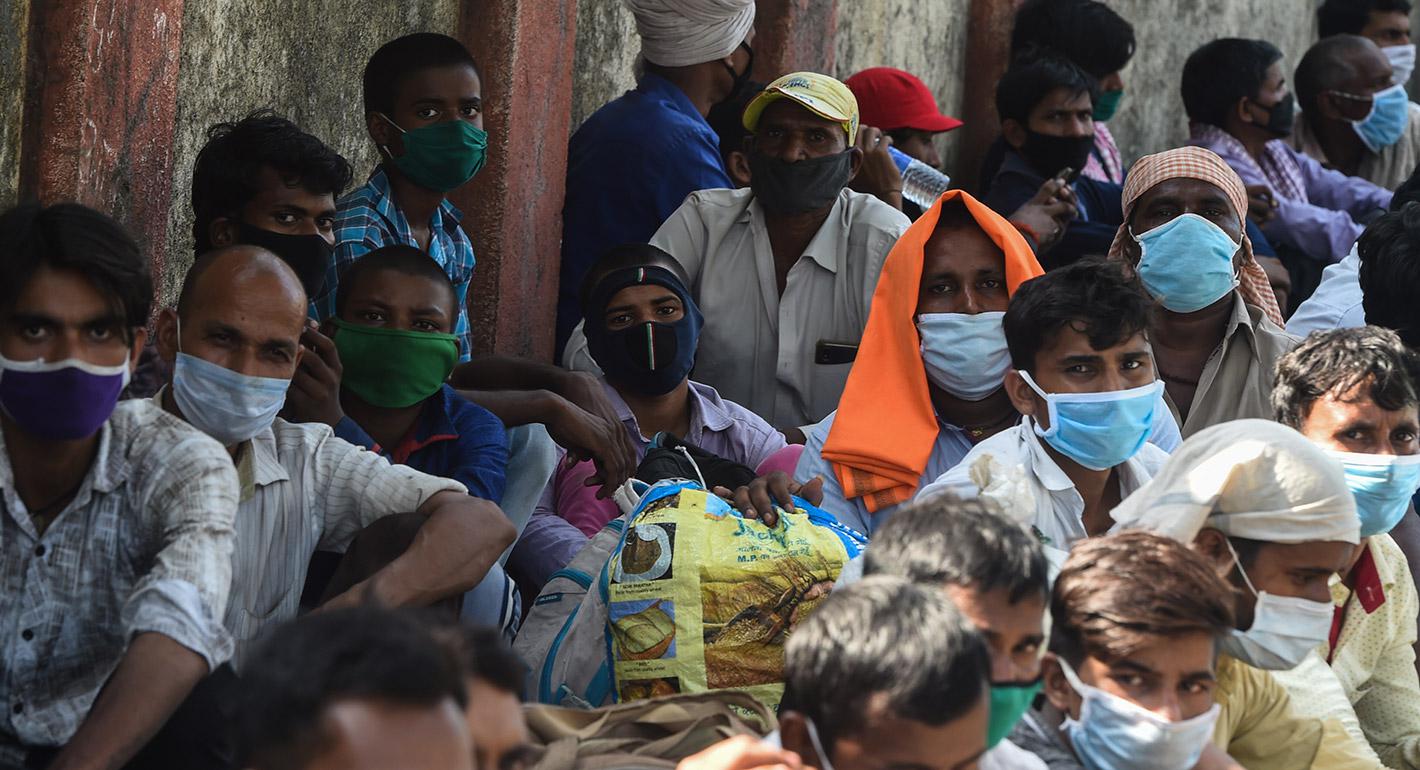
Early in the outbreak, government researchers forecast several high-risk scenarios that were downplayed or ignored in public messaging.
Gautam I. Menon
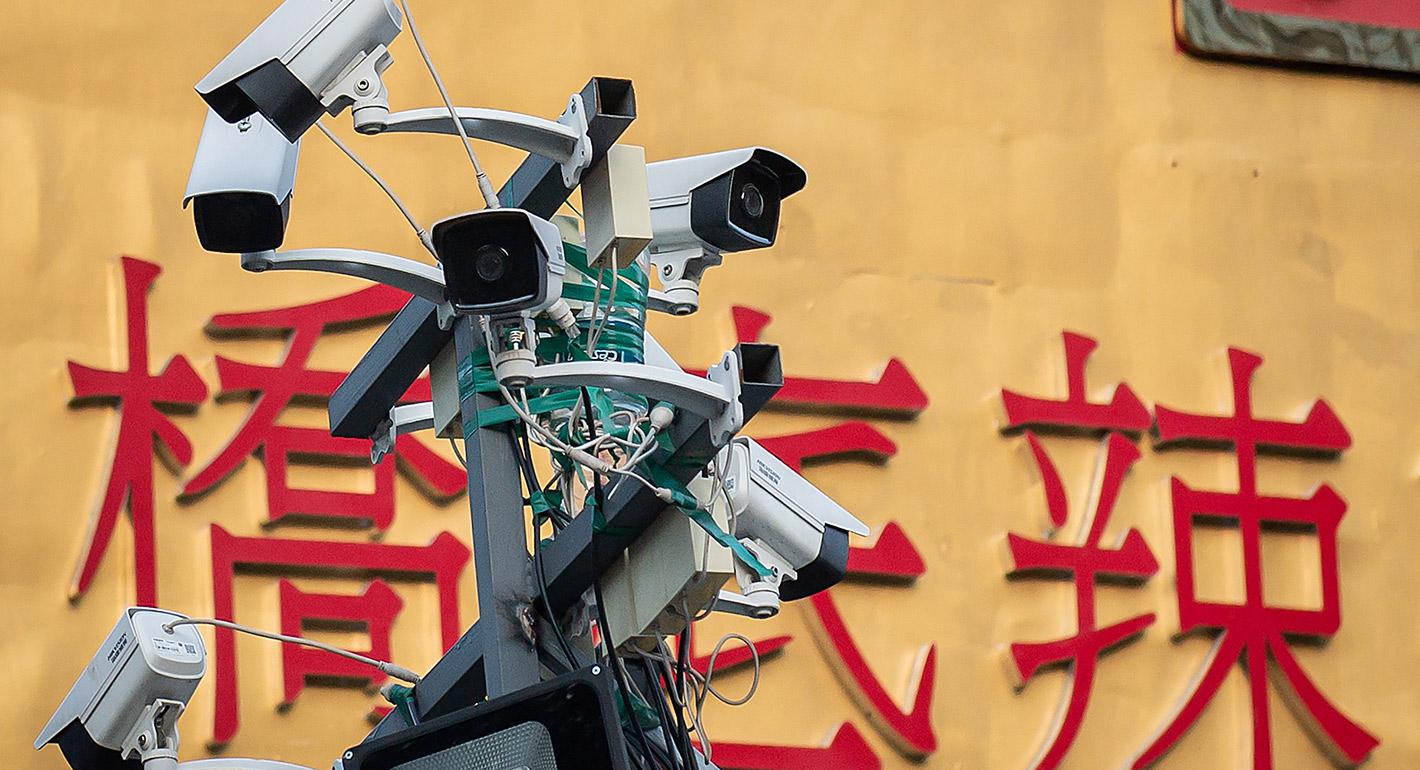
Governments around the world are turning to new forms of digital surveillance to monitor the spread of the coronavirus, though they are mostly using existing laws to do so.
Anirudh Burman