

Commentary
Katherine Wilkens
{
  "authors": [
    "Katherine Wilkens"
  ],
  "type": "legacyinthemedia",
  "centerAffiliationAll": "dc",
  "centers": [
    "Carnegie Endowment for International Peace",
    "Malcolm H. Kerr Carnegie Middle East Center"
  ],
  "collections": [],
  "englishNewsletterAll": "menaTransitions",
  "nonEnglishNewsletterAll": "",
  "primaryCenter": "Carnegie Endowment for International Peace",
  "programAffiliation": "MEP",
  "programs": [
    "Middle East"
  ],
  "projects": [],
  "regions": [
    "Middle East",
    "Iraq",
    "Gulf"
  ],
  "topics": [
    "Political Reform",
    "Security"
  ]
}
Source: Getty
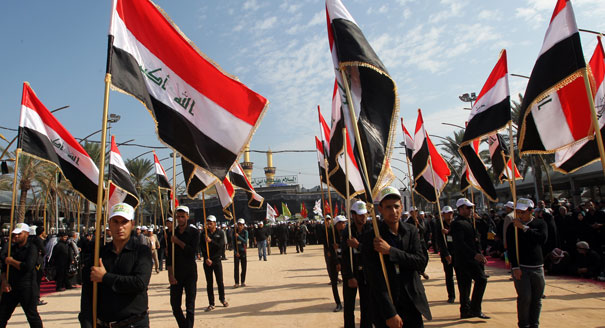
The growing strength and influence of ISIS is rooted in a deep-seated regional disagreement over the nature of the threat posed by jihadist extremists. Until the fight against ISIS is decoupled from the sectarian fires engulfing the region, efforts to make progress against the group will flounder.
Source: Weekly Wonk
The growing strength and influence of the ISIS is rooted in a deep-seated regional disagreement over the nature of the threat posed by jihadist extremists. Until the fight against the ISIS is decoupled from the sectarian fires engulfing the region, efforts to make progress against the group will flounder.
Despite US efforts over the last two years, recruits and resources have continued to make their way to the ISIS across a porous Turkish border and from the Gulf. While this situation is slowly changing, much more needs to be done to get full cooperation from regional allies in this effort.
The ISIS has now become a self-sustaining and well-established force that poses a serious threat to Iraq and the broader region. US assistance alone will not be enough to save Iraq. A broader process towards national unity is needed to give Sunnis and Kurds a greater stake in the country’s future and undermine the sectarian narrative of ISIS and former Baathist forces now occupying large swaths of Iraqi territory.
In Syria the US needs to urgently refocus its efforts on jihadist extremists. We should be open to talks with the Syrian Kurdish PYD, which has been at the center of the battle against ISIS. In addition, we need to recognize that groups combating the Assad regime will be focused first on that priority. US decisions to aid the moderate armed opposition in Syria should be assessed on their own merits, not as a key component of a comprehensive strategy against the jihadist threat in Syria and Iraq.

Nonresident Scholar, Middle East Program
Katherine Wilkens is a nonresident scholar at the Carnegie Endowment for International Peace where she formerly served as deputy director of the Middle East Program.
Recent Work
Katherine Wilkens
Katherine Wilkens
Carnegie India does not take institutional positions on public policy issues; the views represented herein are those of the author(s) and do not necessarily reflect the views of Carnegie, its staff, or its trustees.

After the chill in ties between 2020 and 2024 that brought India–China relations to their lowest point in several decades, the two countries have engaged each other afresh. This paper argues that there are predominantly four imperatives guiding India’s approach to China, and they exist in an order of priority.

Saheb Singh Chadha

This piece argues that the present Indian strategy, based on opportunistic diversification and utilization of limited strategic reserves, remains inadequate when confronting supply disruptions. It evaluates India’s options in the short, medium, and long terms.

Vrinda Sahai

This piece examines India’s response to U.S. sanctions and tariffs, specifically assessing the immediate market consequences, such as alterations in import costs, and the broader strategic implications for India’s energy security and foreign policy orientation.
Vrinda Sahai
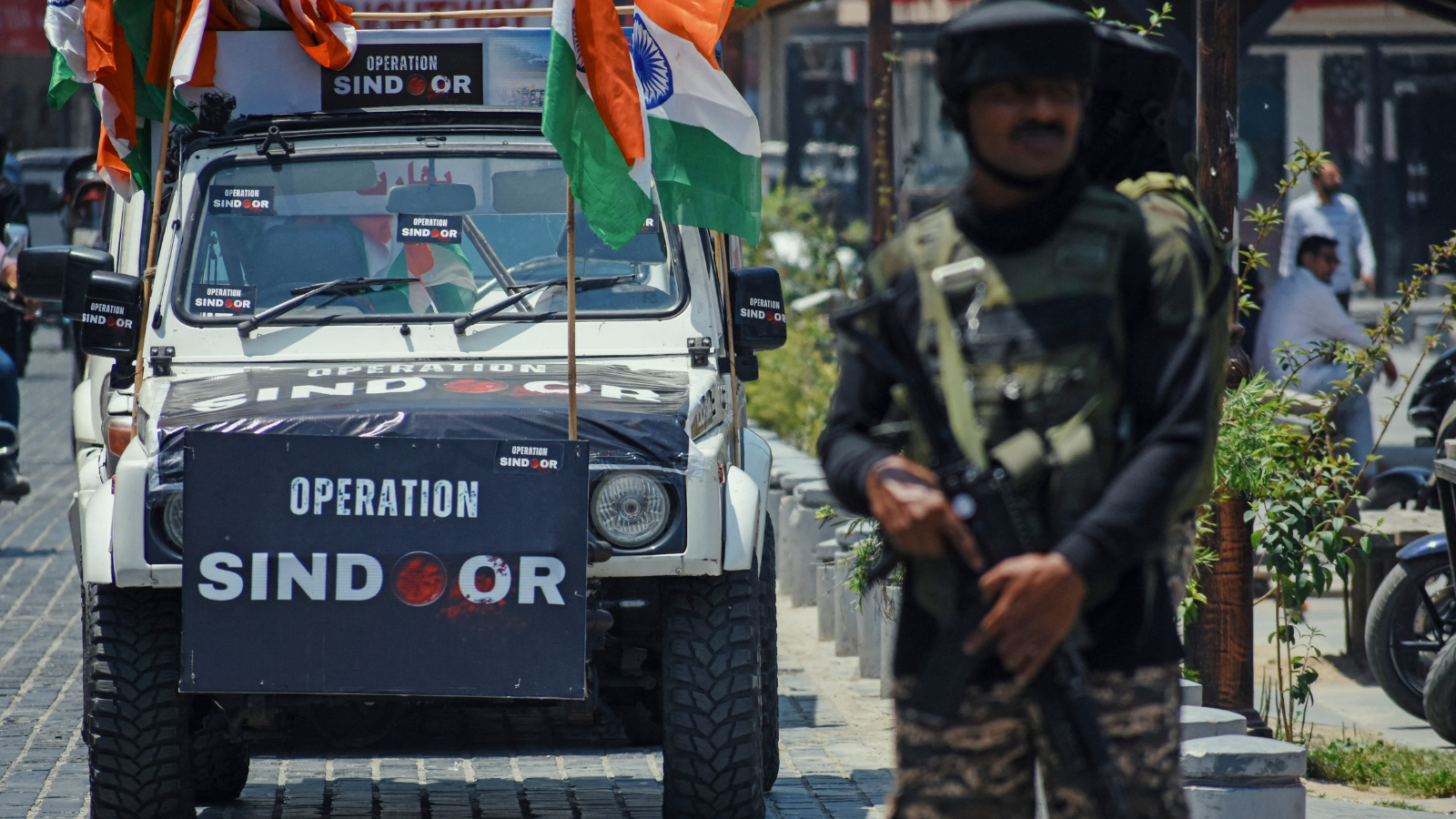
The India-Pakistan conflict that played out between May 6 and May 10, 2025, offers several military lessons. This article presents key takeaways from Operation Sindoor and breaks down how India’s preparations shaped the outcome and what more is needed to strengthen future readiness.

Dinakar Peri
This book offers a comprehensive analysis of India's evolving relationship with sovereignty in a complex global order. Moving beyond conventional narratives, it examines how the sovereignty principle shapes India's behavior across four critical domains—from traditional military power to contemporary data governance.

Rudra Chaudhuri, Nabarun Roy