• Research
  • About
  • Experts
Carnegie India logoCarnegie lettermark logo
AI
{
  "authors": [],
  "type": "pressRelease",
  "centerAffiliationAll": "",
  "centers": [
    "Carnegie Endowment for International Peace"
  ],
  "collections": [
    "Iranian Proliferation"
  ],
  "englishNewsletterAll": "",
  "nonEnglishNewsletterAll": "",
  "primaryCenter": "Carnegie Endowment for International Peace",
  "programAffiliation": "",
  "programs": [],
  "projects": [],
  "regions": [
    "Middle East",
    "Iran"
  ],
  "topics": [
    "Nuclear Policy",
    "Arms Control"
  ]
}
REQUIRED IMAGE

REQUIRED IMAGE

Press Release

Carnegie Experts on Iran Nuclear Deal Extension

Link Copied
Published on Jul 19, 2014

With Iran and the P5+1 powers agreeing to a four-month extension of nuclear talks, Carnegie experts are available to assess the implications of the extension and the challenges that need to be overcome to reach a final deal.

To request an interview, please contact Clara Hogan at chogan@ceip.org.

"Neither the U.S. nor Iran is prepared to accept the other's conditions for a final deal, so extending the talks is better than any alternative action at this point. Iran is upholding an interim agreement that keeps it from accumulating nuclear material. Adding more sanctions on Iran now would prompt the Iranians to resume enriching uranium to higher levels, and would make other countries stop enforcing sanctions. It would weaken the United States' position."
—George Perkovich

"It was not realistic to expect that the U.S. and Iran would be able to bridge four decades of festering mistrust in six months. Extending the negotiations is better than any alternative options. To optimists, the normalization of official dialogue between the U.S. and Iran has been one of the huge achievements of this process. To skeptics, it will remain difficult to find a technical resolution to what is essentially a political conflict. The nuclear issue is the not the underlying cause of U.S.-Iran mistrust—it's merely a symptom of it. The challenge remains finding a way to reconcile Iranian ideological proclivities, U.S. political realities, and Israeli security concerns."
—Karim Sadjadpour

"The limited-term rollover expresses three things: agreement by both sides that not negotiating may make things worse; concern by the powers that Iran hasn't done enough to justify a six-month extension; and negotiators' fear of critics in the U.S. and Iran who demand quick results."
—Mark Hibbs

"An extension is far preferable to collapse of the negotiations. It ensures that significant limits on Iran's nuclear program remain in place. It also ensures that International Atomic Energy Agency inspectors continue to benefit from intrusive access—most importantly to centrifuge manufacturing workshops—that Iran would not otherwise be required to grant."
—James Acton

"The main obstacle to reaching a comprehensive agreement on the Iranian nuclear program is not the technical disagreements, but the widening split between Russia and the West over the Ukrainian crisis. Even though Russia kept formally in line with the rest of the six parties' negotiating position, the fact that nowadays it is Russia itself which is the object of growing Western sanctions implies some schizophrenic flavor in the format of talks with Iran."
—Alexei Arbatov

Nuclear PolicyArms ControlMiddle EastIran

Carnegie India does not take institutional positions on public policy issues; the views represented herein are those of the author(s) and do not necessarily reflect the views of Carnegie, its staff, or its trustees.

More Work from Carnegie India

  • Article
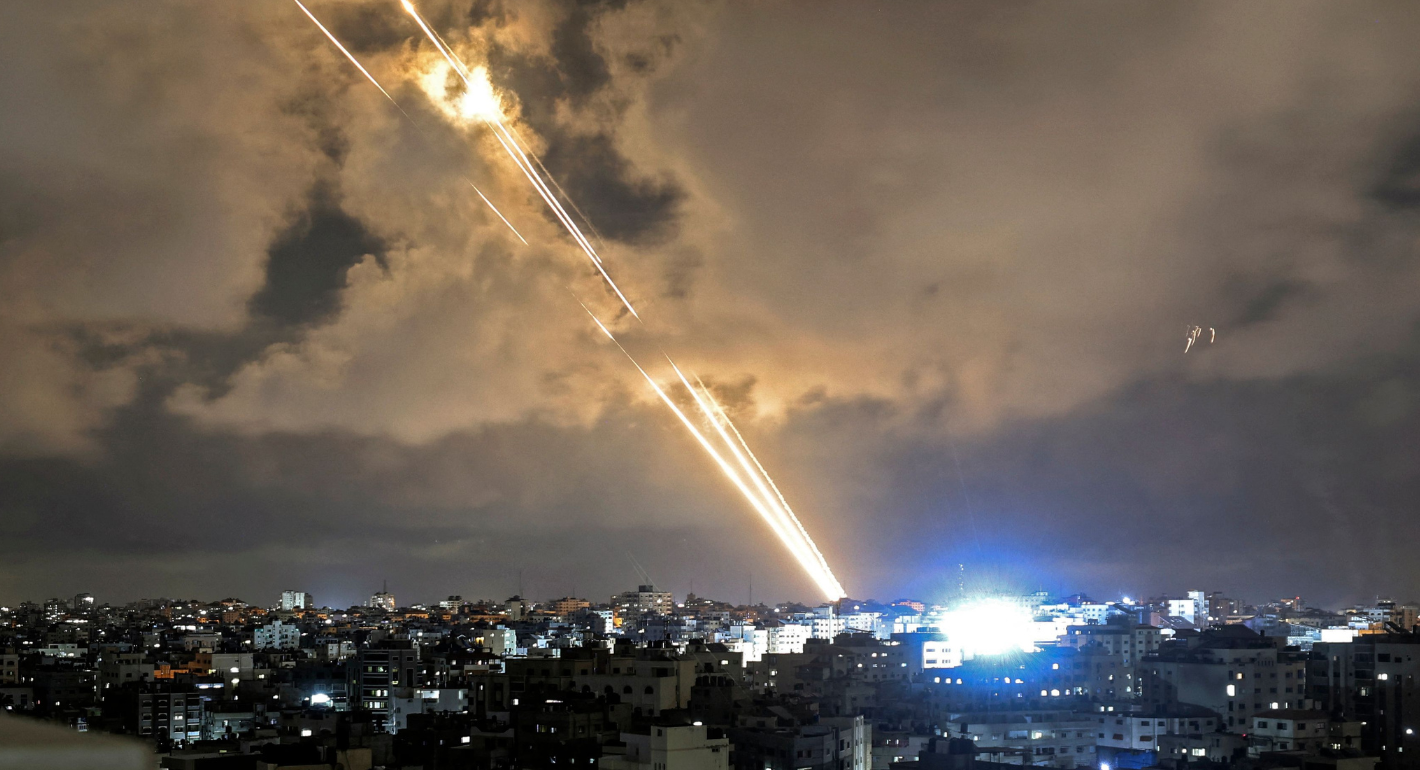
    Risk and Retaliation: Israel, Iran, and the Evolving Situation in West Asia

    An Israeli response to Iran’s October 1 attack is imminent. The key question is of its intensity and potential fallout, both within Iran, in terms of nuclear security policy changes, and across the broader region. The coming days are likely to reshape West Asia irreversibly.

      Gaddam Dharmendra
  • Commentary
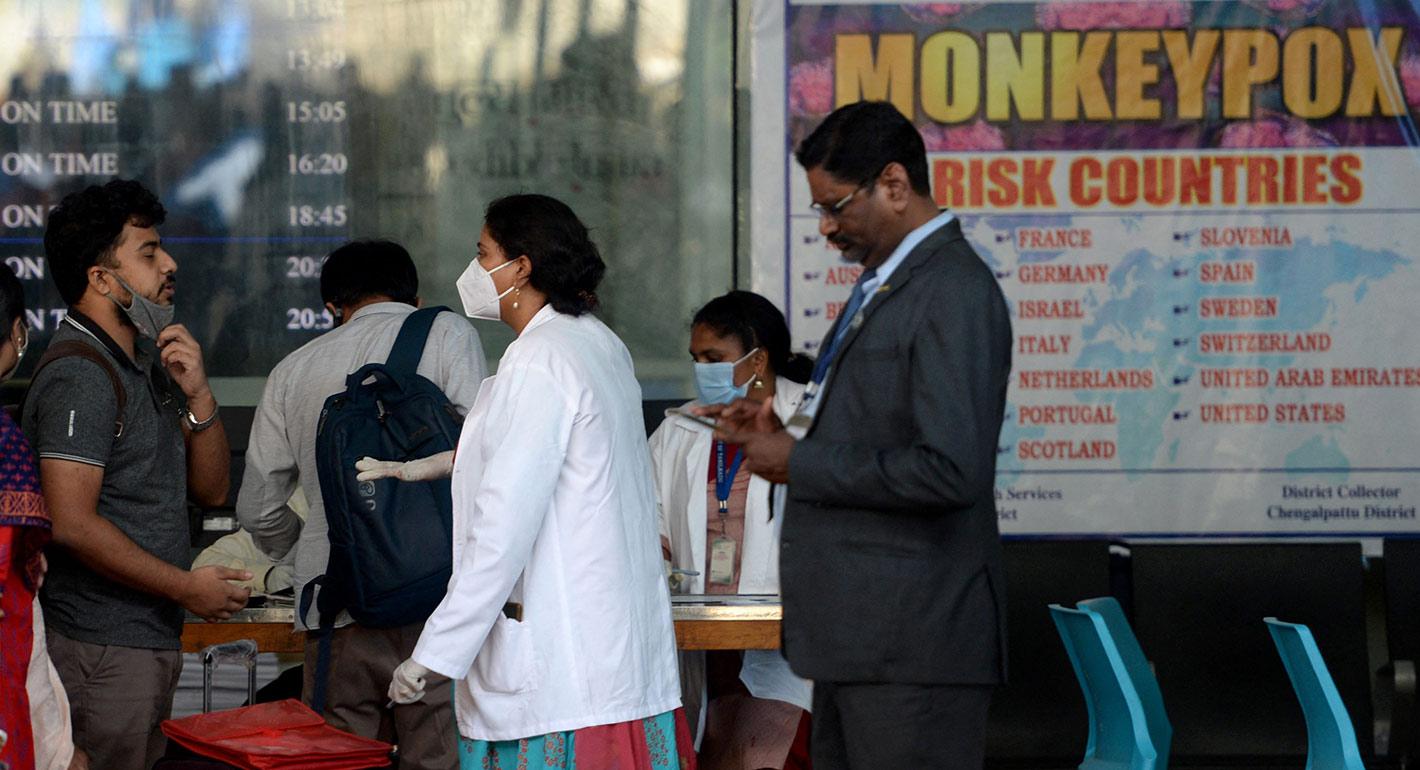
    How WHO’s “One Health” Program Can Help India Tackle Monkeypox

    With monkeypox being declared a global health emergency, the WHO approach is an innovative and effective way to curb outbreaks of zoonotic diseases.

      Shruti Sharma

  • Paper
    Lessons from the Coronavirus Pandemic: Leveraging Biotechnology to Tackle Infectious Diseases in India

    In India, biotechnology has played an important role in helping stakeholders in academia, industry, and government develop new pandemic-related technology, from test kits to respiratory devices. But these biotechnology advancements can go further to strengthen India’s public health capacity.

      Shruti Sharma

  • Commentary
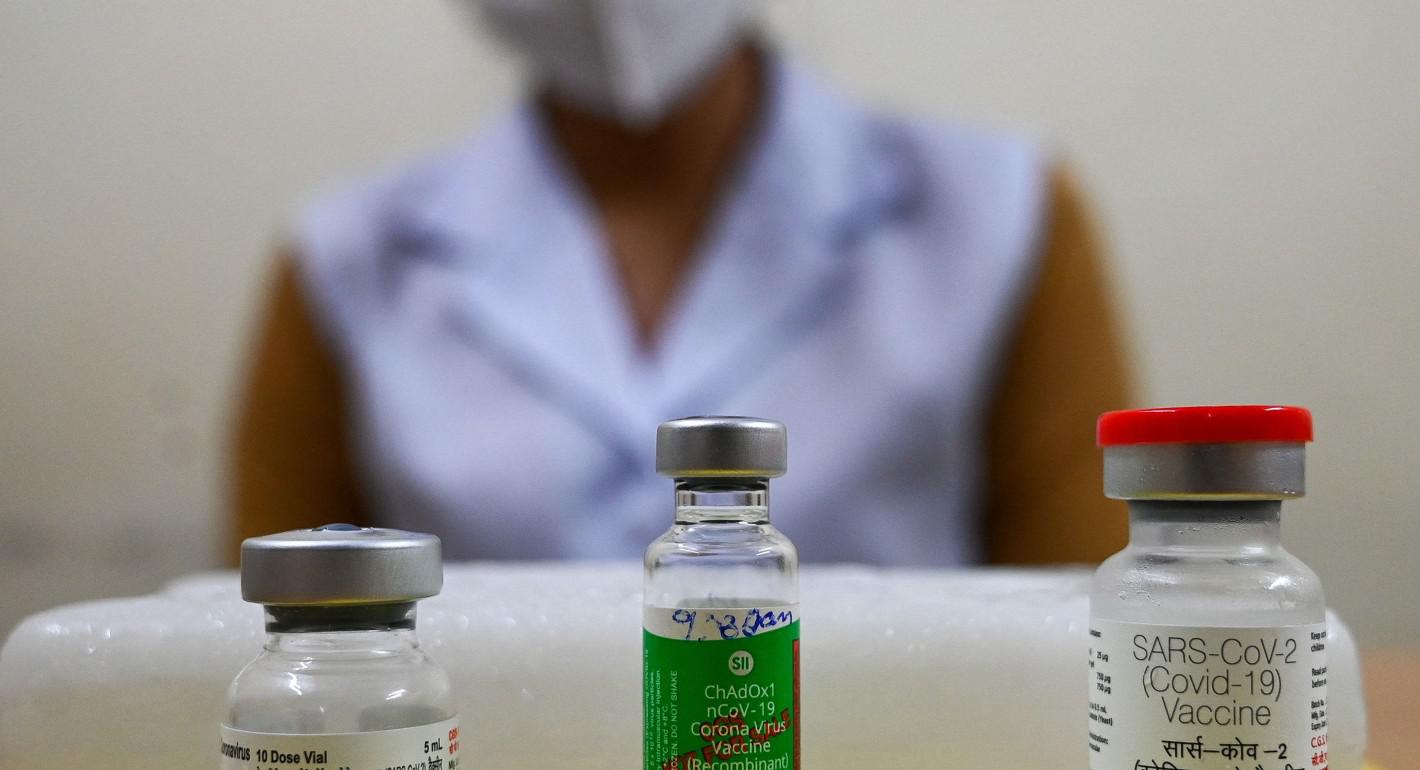
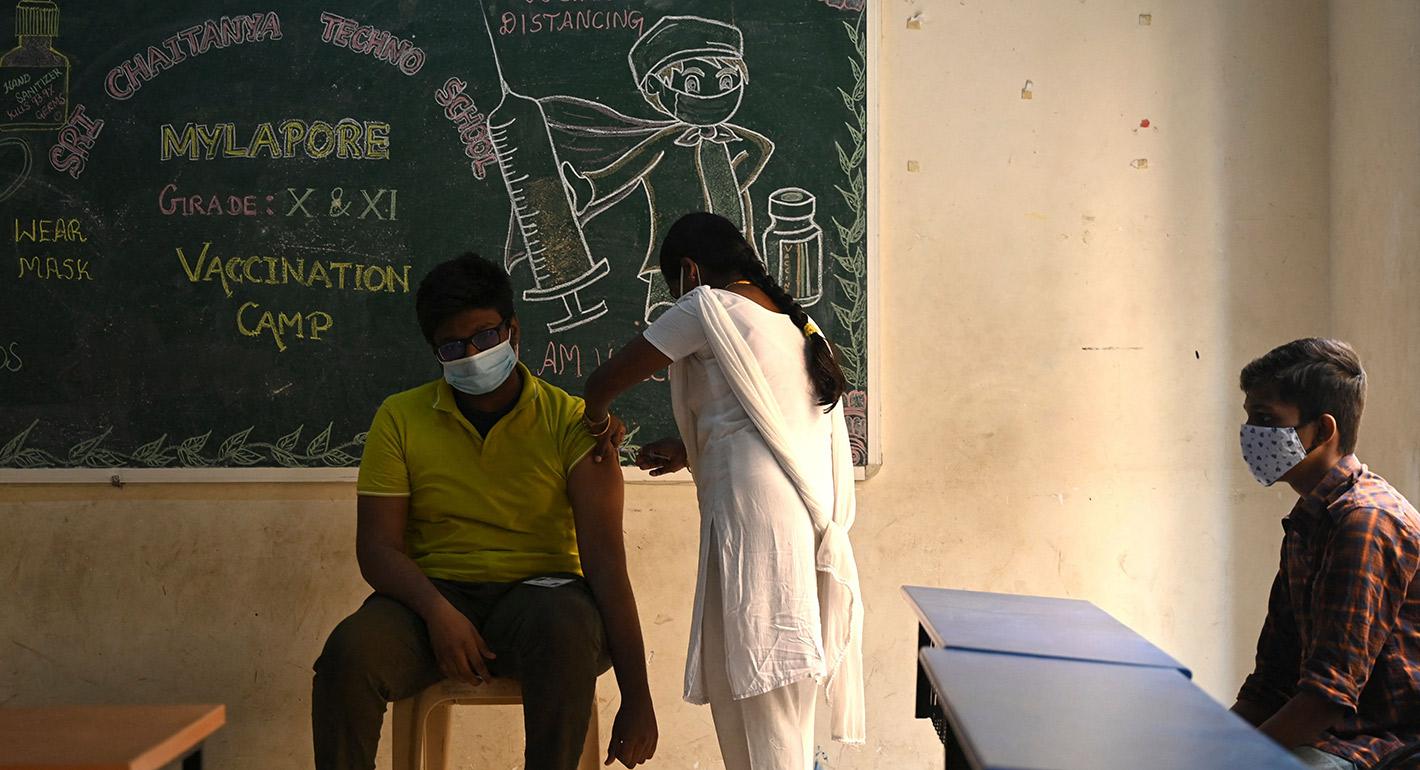
    Combating Vaccine Hesitancy in India

    Unless the government can up its communications game, anti-vax movements could prolong India’s pandemic effects.

      Shruti Sharma

  • Commentary
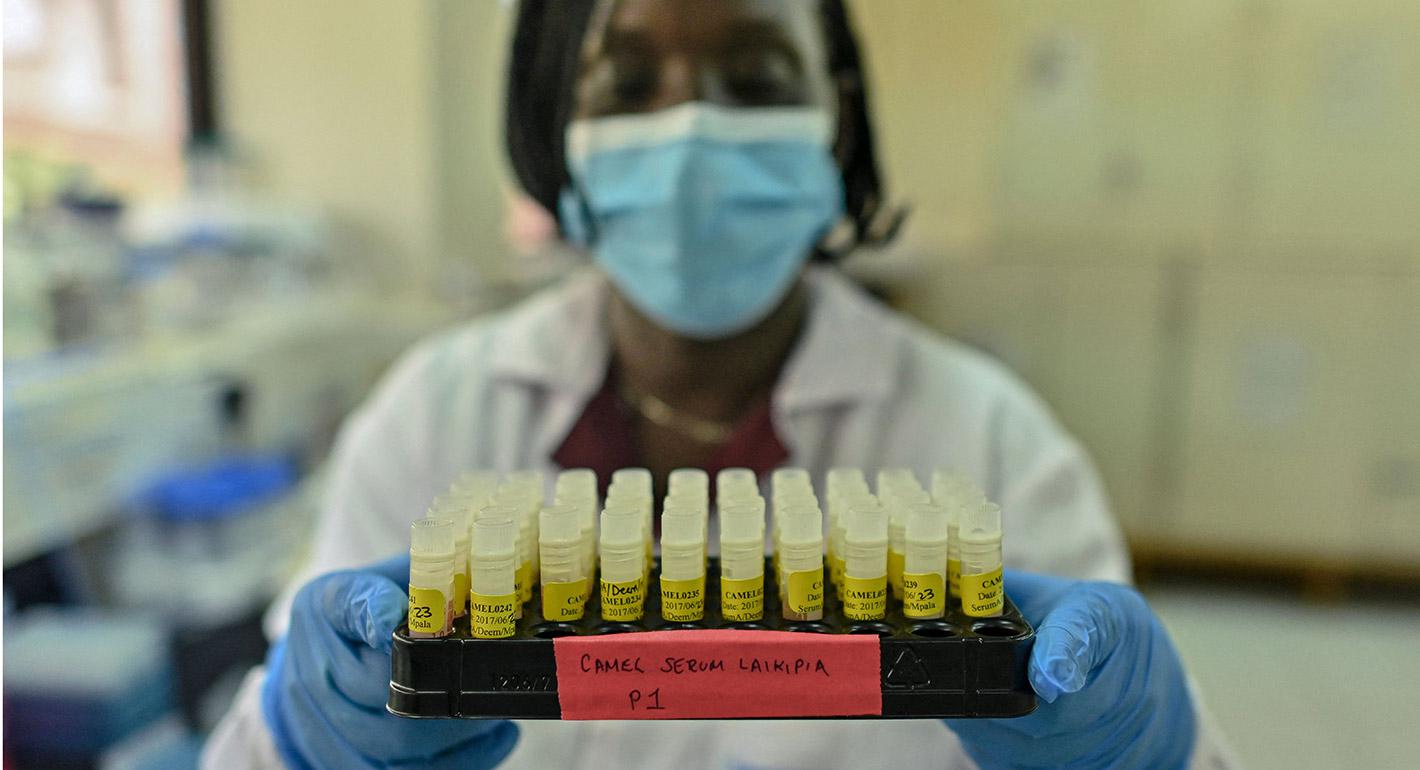
    How Should Countries Study Viruses Safely?

    The uncertain origin of the coronavirus has focused attention on gain-of-function research—studying viruses to learn how they spread. How can countries work together to ensure stringent safety standards?

      Shruti Sharma

Get more news and analysis from
Carnegie India
Carnegie India logo, white
Unit C-4, 5, 6, EdenparkShaheed Jeet Singh MargNew Delhi – 110016, IndiaPhone: 011-40078687
  • Research
  • About
  • Experts
  • Projects
  • Events
  • Contact
  • Careers
  • Privacy
  • For Media
Get more news and analysis from
Carnegie India
© 2026 Carnegie Endowment for International Peace. All rights reserved.