

Commentary
Judy Dempsey
{
  "authors": [
    "Judy Dempsey"
  ],
  "type": "legacyinthemedia",
  "centerAffiliationAll": "dc",
  "centers": [
    "Carnegie Endowment for International Peace",
    "Carnegie Europe"
  ],
  "collections": [
    "Europe’s Eastern Neighborhood"
  ],
  "englishNewsletterAll": "ctw",
  "nonEnglishNewsletterAll": "",
  "primaryCenter": "Carnegie Europe",
  "programAffiliation": "EP",
  "programs": [
    "Europe"
  ],
  "projects": [],
  "regions": [
    "Europe",
    "Eastern Europe",
    "Ukraine",
    "Western Europe",
    "Iran"
  ],
  "topics": [
    "Foreign Policy"
  ]
}
Source: Getty
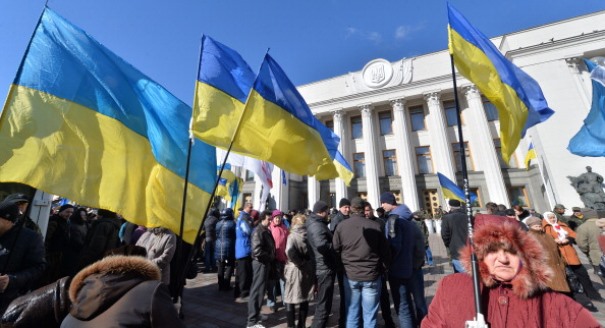
Ukraine has experienced a number of failed revolutions. The hope today is that the October 26 elections will finally bring about the change the country needs.
Source: Moscow Times
Twenty-five years ago this month, young and old East Germans scaled the Berlin Wall, which had divided Europe. I remember that night vividly. I wasn't in Berlin covering events. I was in Sofia. There, after days of protests, demonstrators forced out of power Todor Zhivkov, the region's longest-serving communist leader.
And so continued the extraordinary, and in most cases, peaceful collapse of the communist system throughout Eastern Europe. It was a truly inspiring time.
The collapse was powered by the people's will and by the Soviet Union's then-president, Mikhail Gorbachev. People did not want to live under a corrupt system — they wanted to travel freely, to read what they wanted, to decide their futures and to vote in fair and free elections. Once the Hungarian leadership started allowing East Germans to pass through their country and into the West, there was no stopping the hemorrhaging of the system. There was no way the Berlin Wall would remain intact.Ukraine went through its own revolutions, too.
But each time, Ukraine's leaders failed to bring about the fundamental changes needed to foster democracy, the rule of law and a middle class.
The hope today is that the parliamentary elections that took place on Oct. 26 can finally break this cycle of failed revolutions.
For the first time since Ukraine's independence, the overwhelming majority of parliamentary deputies are pro-European. Now it is the task of the European Union and European governments to help Ukrainians finally begin the long road toward modernizing their country.
For the first time since #Ukraine's independence, the overwhelming majority of parliamentary deputies are pro-European.Tweet This
The pitfalls are huge.
There is no doubt that President Vladimir Putin's continuing meddling in eastern Ukraine and his recognition of the results of elections held on Nov. 2 in the rebel-held regions of Donetsk and Luhansk could easily distract Kiev from introducing reforms.
There is no doubt too that by trying to turn parts of eastern Ukraine into a frozen conflict, akin to Transdnestr in Moldova, Russia could further destabilize Ukraine. That would jeopardize any chance of reforms. That is exactly what the Kremlin would relish. A Ukraine that would be anchored in the rule of law, a functioning market economy and a strong civil society would pose a serious challenge to Putin's power base — even though from a rational point of view, a stable and prosperous Ukraine should be in Russia's interests.
For now, Kiev can boost its defenses, but it cannot betray its burgeoning civil society.Tweet This
The temptation for Ukrainian President Petro Poroshenko and Prime Minister Arseniy Yatsenyuk to restore the territorial integrity of their country is huge. It is understandable, and it is highly risky. There is no reason to believe that Putin will end his military and political support for the pro-Russian rebels in eastern Ukraine. Nor is there any reason to believe that Putin will give up eastern Ukraine. Western sanctions, so far, have not changed his mind. The Kiev government can in the meantime boost its defenses. But what it cannot do is betray its burgeoning civil society, represented by, among others, the political party Self Help, founded by Lviv Mayor Andriy Sadovyi. Self Help won 11 percent of the vote in the recent elections, making it the third largest party in Ukraine's parliament. Its focus is on real change — not fighting a costly war.
In practice, this means trying to rid Ukraine of the endemic corruption that has taken root over the decades. The extent of the corruption is such that Ukraine's new government, if it is committed to tackling the problem, has to build new state institutions from scratch.
This will require huge financial assistance from the EU. As it is, the International Monetary Fund and the EU are in principle willing to provide $16 billion to Ukraine for budget support and help the country pay its debts to Gazprom.
Such assistance, however, should also be channeled into training and building an entirely new civil service. These civil servants must be paid a decent salary in order to prevent briberies so easily dished out by the oligarchs. Indeed, oligarchs still stand behind the main political parties. They will be highly reluctant to alter that status quo.
That shouldn't stop the EU from putting its money where its mouth is. For years, the EU has been talking about the need to reform Ukraine's energy sector — one of the most energy-intensive in Europe and one of the most wasteful. As it is, Naftogaz, the state-owned oil and energy company responsible for importing, distributing and transmitting Russian natural gas to Europe, has become a milk cow for oligarchs, ministers, regional politicians and local energy distributors.
The fact that Naftogaz has during the first half of this year accumulated debts of over $4.4 billion shows how successive Ukrainian governments failed to restructure what is one of the country's most important companies. Now that the EU will be helping pay off Ukraine's debts to Gazprom after the deal agreed upon by Brussels, Kiev and Moscow on Oct. 31, it should allow Brussels to push for and oversee a radical shakeup of Naftogaz. That could at least begin the process of dismantling just a small part of the oligarchic network that runs Ukraine.
But the EU cannot dismantle oligarchic networks, even among EU members.
What it can do, apart from helping finance new and transparent state institutions and restructure Naftogaz, is support civil society.
It is #Ukraine's younger generation of pro-democracy activists who will eventually bring change.Tweet This
It is Ukraine's younger generation of pro-democracy activists who will eventually bring change. Yes, they are few in number. But civil society is on the ascendancy, as the parliamentary elections showed. It is civil society that will have to keep up the pressure on Poroshenko and Yatsenyuk to change Ukraine. They are going to need unqualified support from the EU and European governments to complete Europe's unification.

Nonresident Senior Fellow, Carnegie Europe
Dempsey is a nonresident senior fellow at Carnegie Europe
Recent Work
Judy Dempsey
Judy Dempsey
Carnegie India does not take institutional positions on public policy issues; the views represented herein are those of the author(s) and do not necessarily reflect the views of Carnegie, its staff, or its trustees.

This piece examines India’s response to U.S. sanctions and tariffs, specifically assessing the immediate market consequences, such as alterations in import costs, and the broader strategic implications for India’s energy security and foreign policy orientation.
Vrinda Sahai
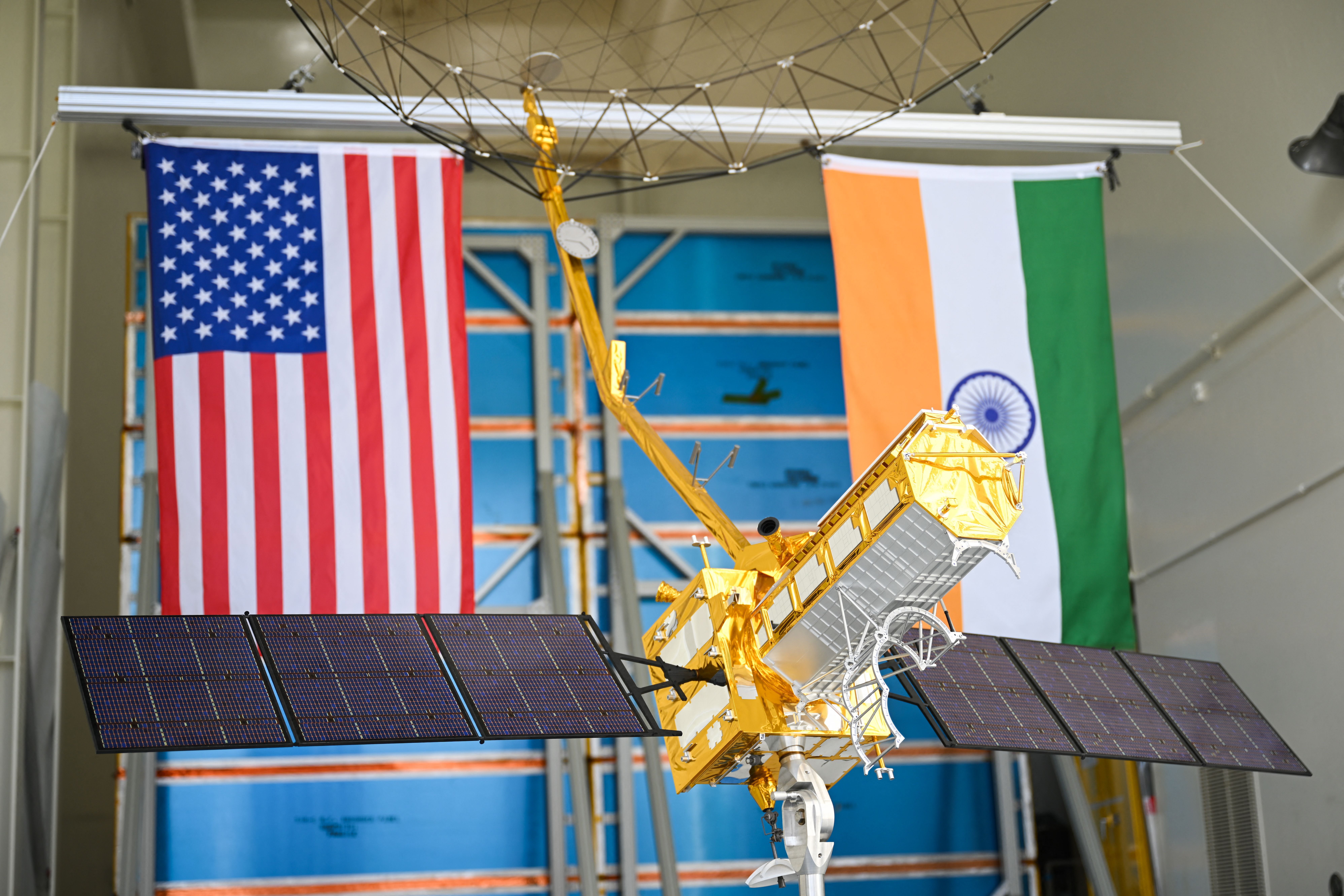
On July 30, 2025, the United States announced 25 percent tariffs on Indian goods. While diplomatic tensions simmered on the trade front, a cosmic calm prevailed at the Sriharikota launch range. Officials from NASA and ISRO were preparing to launch an engineering marvel into space—the NASA-ISRO Synthetic Aperture Radar (NISAR), marking a significant milestone in the India-U.S. bilateral partnership.

Tejas Bharadwaj
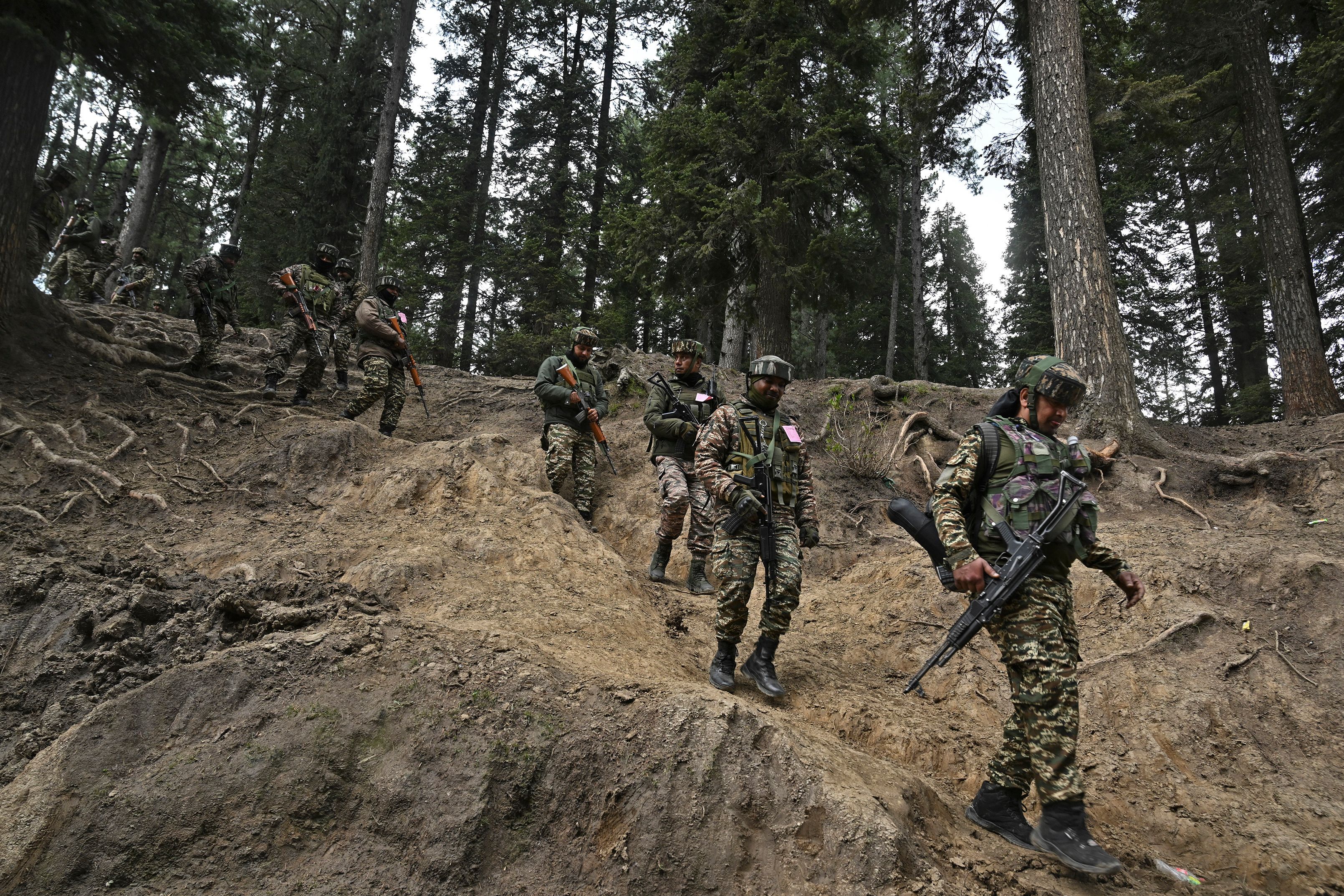
On May 7, 2025, between 1:05 and 1:30 a.m. (IST), airstrikes carried out by the Indian Air Force hit nine locations inside Pakistan and Pakistan occupied Kashmir (PoK). It was codenamed Operation Sindoor.

Rudra Chaudhuri
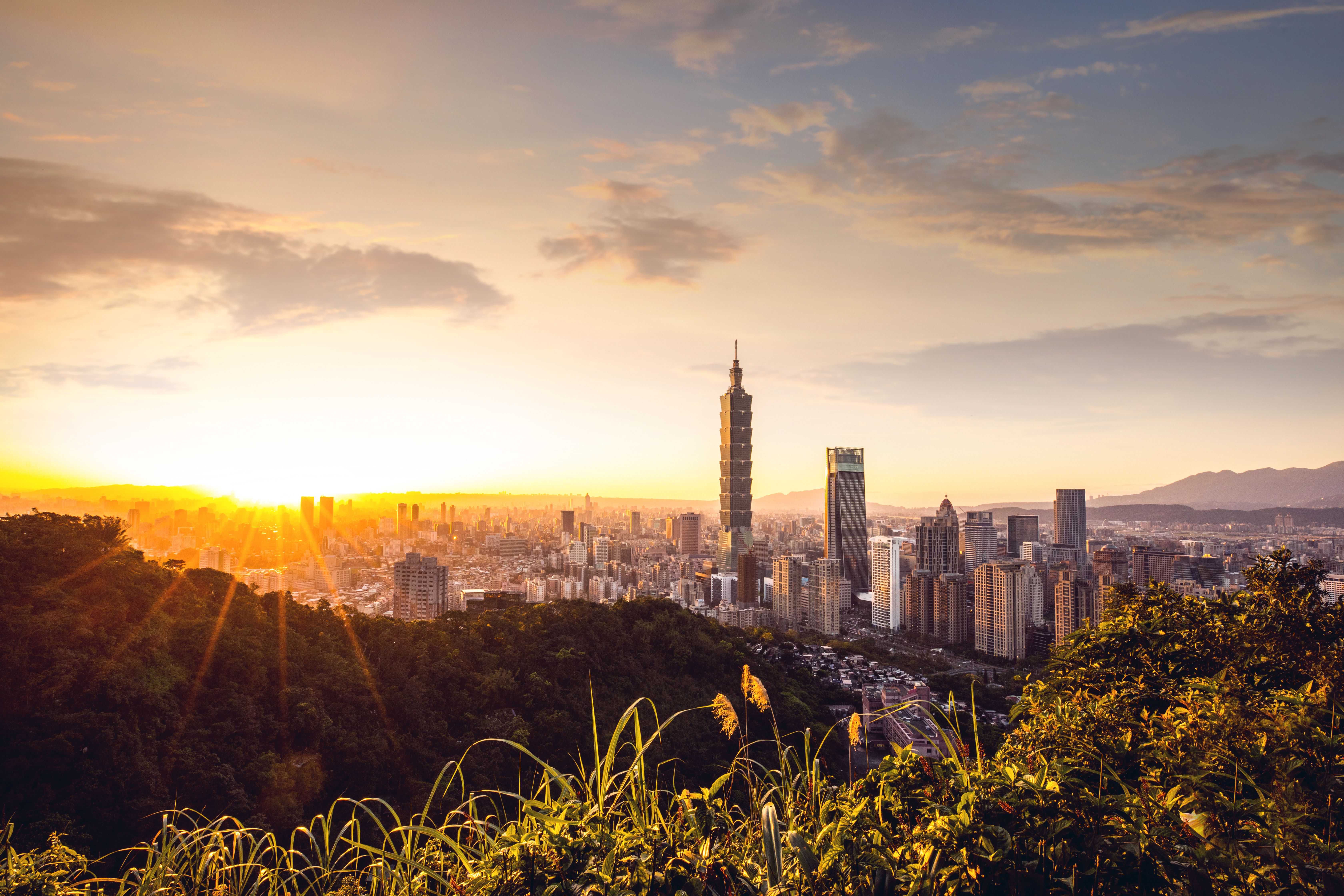
This compendium brings together three essays by scholars who participated in Carnegie India's Security Studies Dialogue in 2024, each examining a different aspect of China’s policies. Drawing on their expertise and research, the authors offer fresh perspectives on key geopolitical challenges.
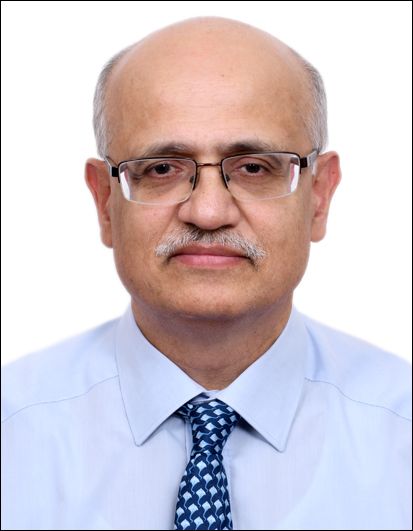
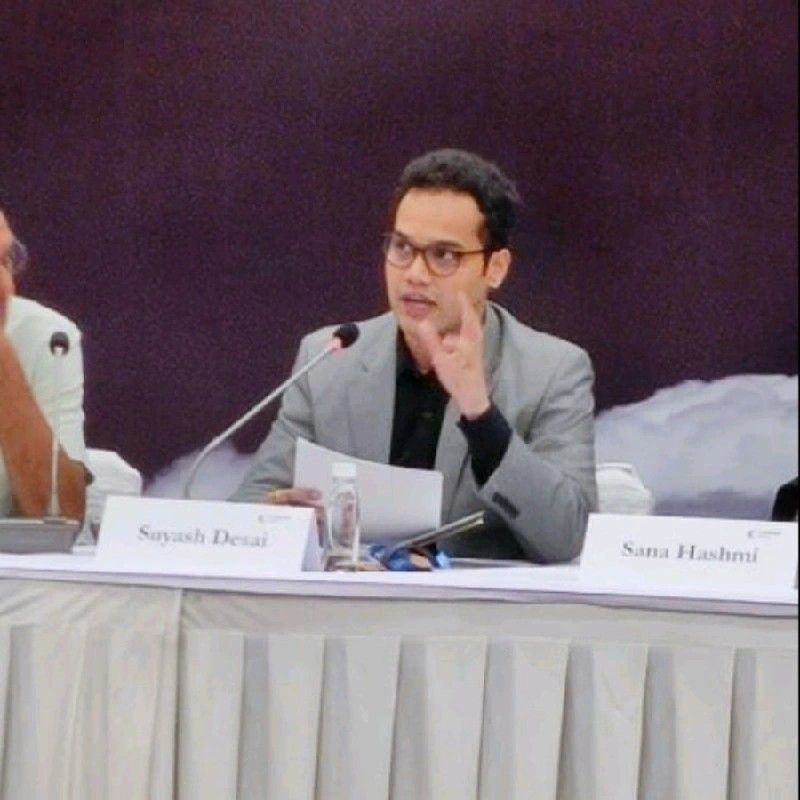
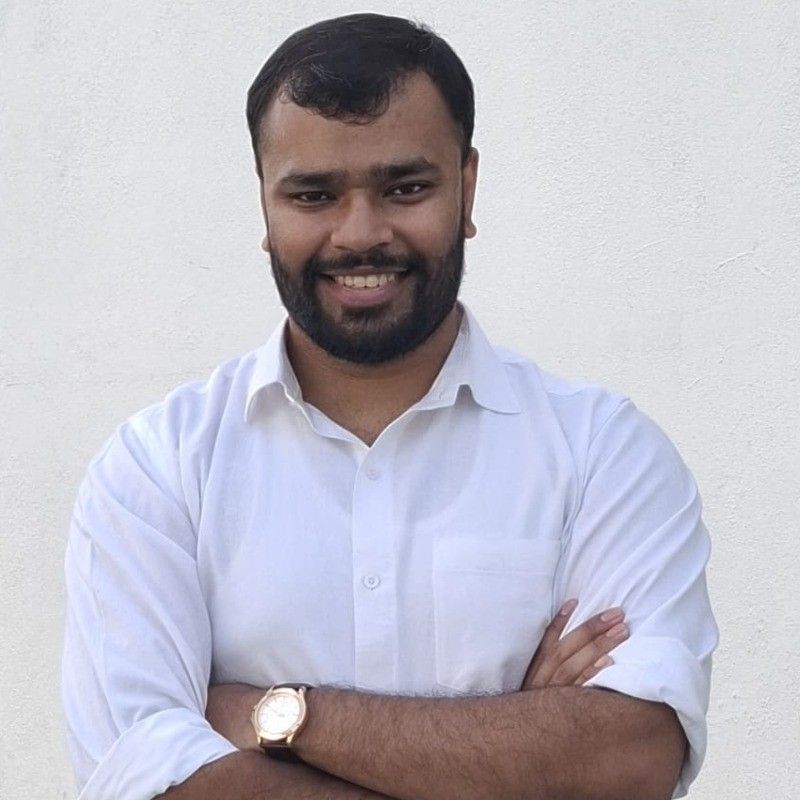
Vijay Gokhale, Suyash Desai, Amit Kumar, …

As part of the TRUST initiative, leaders of the two countries committed to building trusted and resilient supply chains, including for semiconductors and critical minerals. India and the United States have made steady progress in this area over the years. This essay explores the takeaways from discussions on semiconductor supply chains that took place at Carnegie India’s 9th Global Technology Summit.

Konark Bhandari