

In The Media
Lina Khatib
{
  "authors": [
    "Lina Khatib"
  ],
  "type": "legacyinthemedia",
  "centerAffiliationAll": "dc",
  "centers": [
    "Carnegie Endowment for International Peace",
    "Malcolm H. Kerr Carnegie Middle East Center"
  ],
  "collections": [],
  "englishNewsletterAll": "menaTransitions",
  "nonEnglishNewsletterAll": "",
  "primaryCenter": "Malcolm H. Kerr Carnegie Middle East Center",
  "programAffiliation": "MEP",
  "programs": [
    "Middle East"
  ],
  "projects": [],
  "regions": [
    "Gulf",
    "Levant",
    "Jordan",
    "Middle East",
    "Syria"
  ],
  "topics": [
    "Political Reform",
    "Security"
  ]
}
Source: Getty
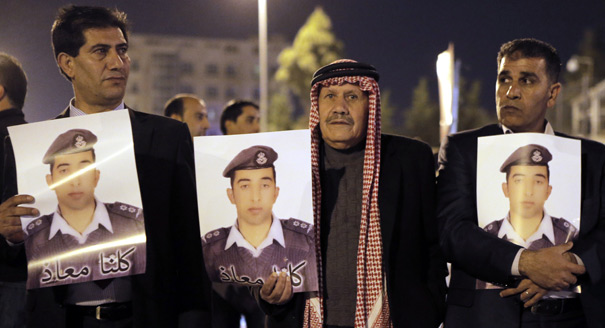
Members of the Jordanian pilot’s tribe have protested in Amman, pressuring the government to agree to an exchange.
Source: Independent
The motivations behind Jordan’s decision to release Sajida al-Rishawi lie in its wish to maintain domestic stability.
The rise of ISIS has put Jordan in a tough position. Its proximity to Syria and Iraq and its close alliances with the U.S., Saudi Arabia, and Israel have led it to host training for the moderate Syrian opposition at the request of Washington and Riyadh as well as joining the anti-ISIS coalition headed by the U.S. in order to protect both itself and its allies.But Jordan is worried that the more entrenched its engagement in fighting ISIS becomes, the more it is exposing itself to instability.
ISIS’s geographical expansion is bringing it closer to the Syrian-Jordanian border. As some Jordanian tribes in border areas like Maan have pledged allegiance to ISIS, Amman is worried that a southern expansion for ISIS would empower those tribes against the Jordanian state.
An extra element is that, following the demands of ISIS to release Rishawi in exchange for Jordanian pilot Lieutenant Mu'ath al-Kaseasbeh, members of the pilot’s tribe have protested in Amman, pressuring the government to agree to exchange him for Rishawi.
Rishawi was never a high-level prisoner. She is reported to be the sister of an Iraqi aide to the late al-Qaeda leader Abu Musab al-Zarqawi, but she is not a military commander. Her importance for ISIS is more symbolic than operational. This is what has made her a low-risk bet for Jordan. But the agreement to release her shows Jordan is as concerned about instability from its own tribes as much as about security threats from ISIS.
Former Director, Middle East Center
Khatib was director of the Carnegie Middle East Center in Beirut. Previously, she was the co-founding head of the Program on Arab Reform and Democracy at Stanford University’s Center on Democracy, Development, and the Rule of Law.
Recent Work
Lina Khatib
Lina Khatib
Carnegie India does not take institutional positions on public policy issues; the views represented herein are those of the author(s) and do not necessarily reflect the views of Carnegie, its staff, or its trustees.

This piece examines India’s response to U.S. sanctions and tariffs, specifically assessing the immediate market consequences, such as alterations in import costs, and the broader strategic implications for India’s energy security and foreign policy orientation.
Vrinda Sahai
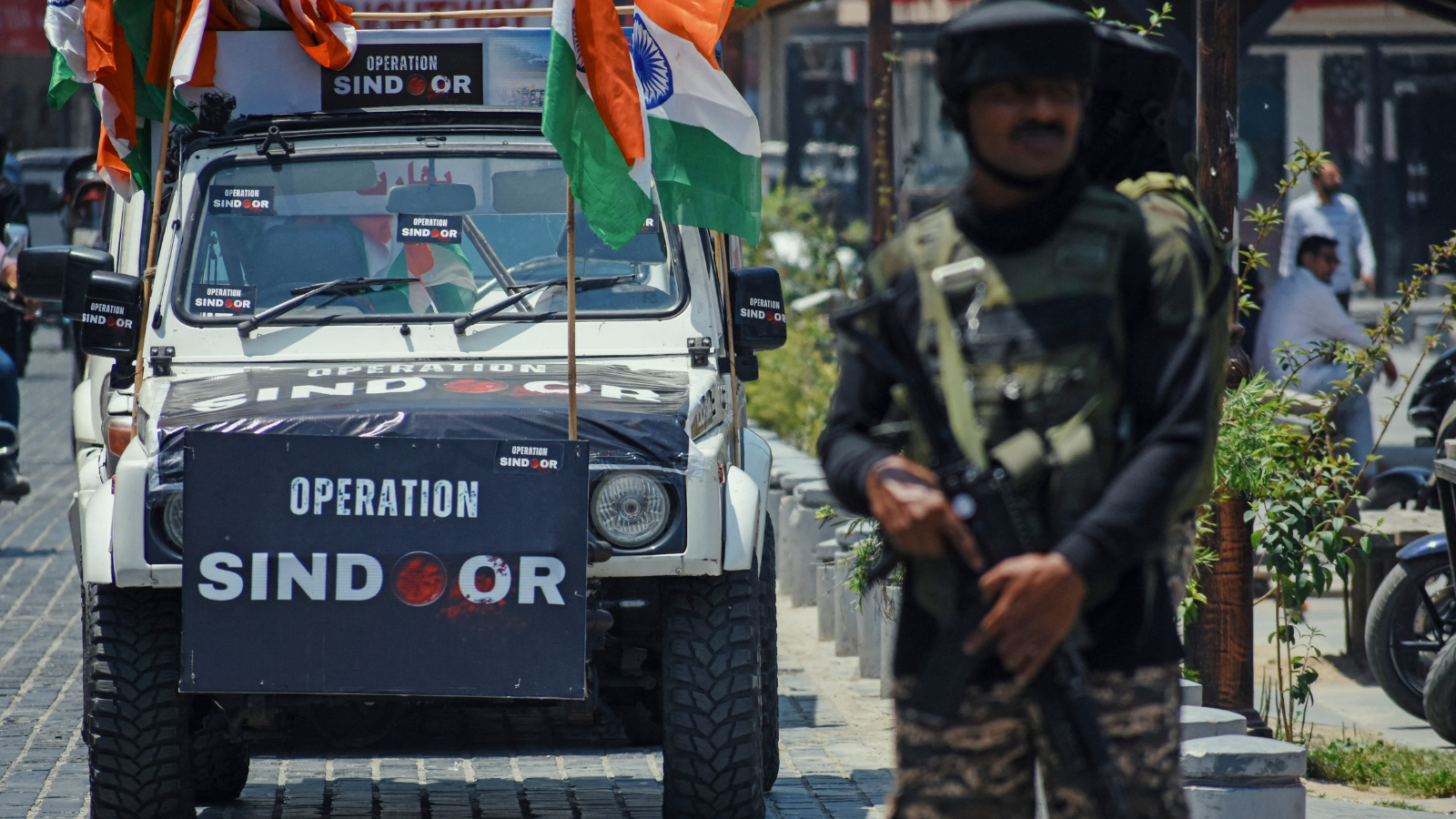
The India-Pakistan conflict that played out between May 6 and May 10, 2025, offers several military lessons. This article presents key takeaways from Operation Sindoor and breaks down how India’s preparations shaped the outcome and what more is needed to strengthen future readiness.

Dinakar Peri
This book offers a comprehensive analysis of India's evolving relationship with sovereignty in a complex global order. Moving beyond conventional narratives, it examines how the sovereignty principle shapes India's behavior across four critical domains—from traditional military power to contemporary data governance.

Rudra Chaudhuri, Nabarun Roy
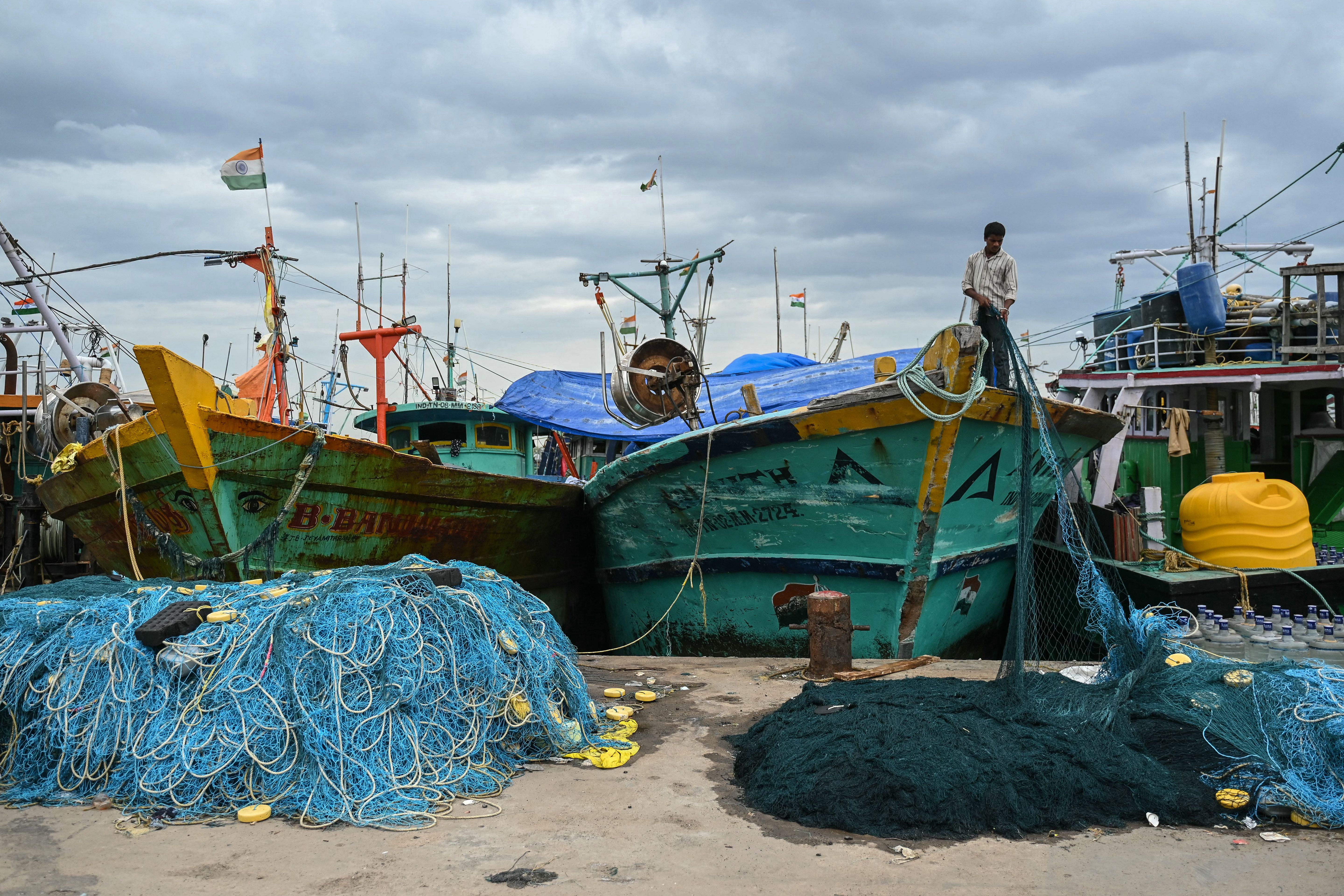
This article examines the scale and impact of Chinese IUU fishing operations globally and identifies the nature of the challenge posed by IUU fishing in the Indian Ocean Region (IOR). It also investigates why existing maritime law and international frameworks have struggled to address this growing threat.


Ajay Kumar, Charukeshi Bhatt
This book examines the impact of cross-border violence on communities living along the Line of Control and the International Border in Jammu and Kashmir, India.



Deep Pal, Surya Valliappan Krishna, Saheb Singh Chadha