

Commentary
Sarah Chayes
{
  "authors": [
    "Sarah Chayes"
  ],
  "type": "legacyinthemedia",
  "centerAffiliationAll": "dc",
  "centers": [
    "Carnegie Endowment for International Peace"
  ],
  "collections": [
    "Anti-Corruption"
  ],
  "englishNewsletterAll": "democracy",
  "nonEnglishNewsletterAll": "",
  "primaryCenter": "Carnegie Endowment for International Peace",
  "programAffiliation": "DCG",
  "programs": [
    "Democracy, Conflict, and Governance"
  ],
  "projects": [],
  "regions": [
    "North America",
    "Middle East",
    "Iraq",
    "South Asia",
    "Afghanistan",
    "Central Asia",
    "Uzbekistan"
  ],
  "topics": [
    "Democracy"
  ]
}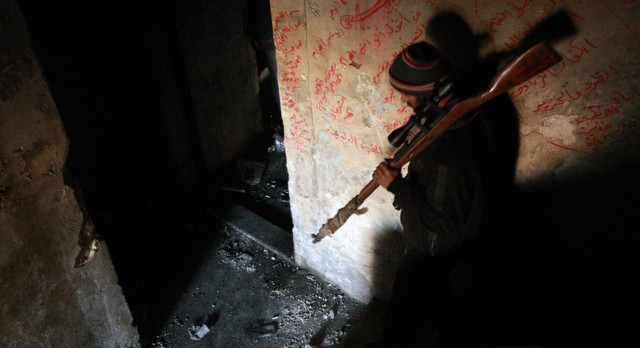
Source: Getty
Governmental corruption often sparks outrage and creates support for dangerous ideologies.
Source: KCRW’s To the Point
Sarah Chayes explains why many of the world's conflicts raging today do not stem from religious extremism. There's another side to that story: government corruption.
Former Senior Fellow, Democracy, Conflict, and Governance Program
Sarah Chayes is internationally recognized for her innovative thinking on corruption and its implications. Her work explores how severe corruption can help prompt such crises as terrorism, revolutions and their violent aftermaths, and environmental degradation.
Recent Work
Sarah Chayes
Carnegie India does not take institutional positions on public policy issues; the views represented herein are those of the author(s) and do not necessarily reflect the views of Carnegie, its staff, or its trustees.
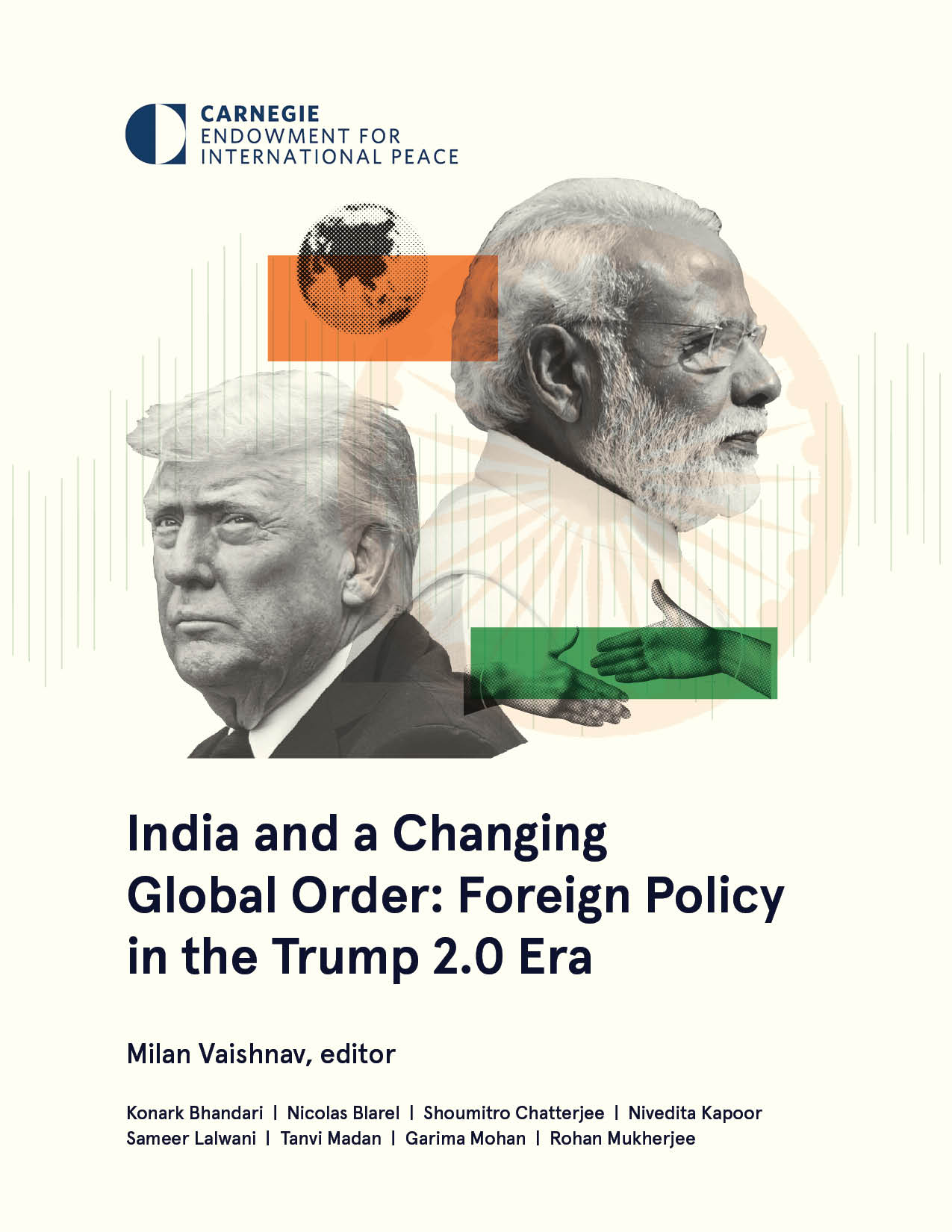
Trump 2.0 has unsettled India’s external environment—but has not overturned its foreign policy strategy, which continues to rely on diversification, hedging, and calibrated partnerships across a fractured order.



Milan Vaishnav, ed., Sameer Lalwani, Tanvi Madan, …

This commentary explores the likely actions of the Trump administration and driving forces on issues of deregulation, the United States’ leadership in AI, national security, and global engagements on AI safety.

Shatakratu Sahu, Amlan Mohanty
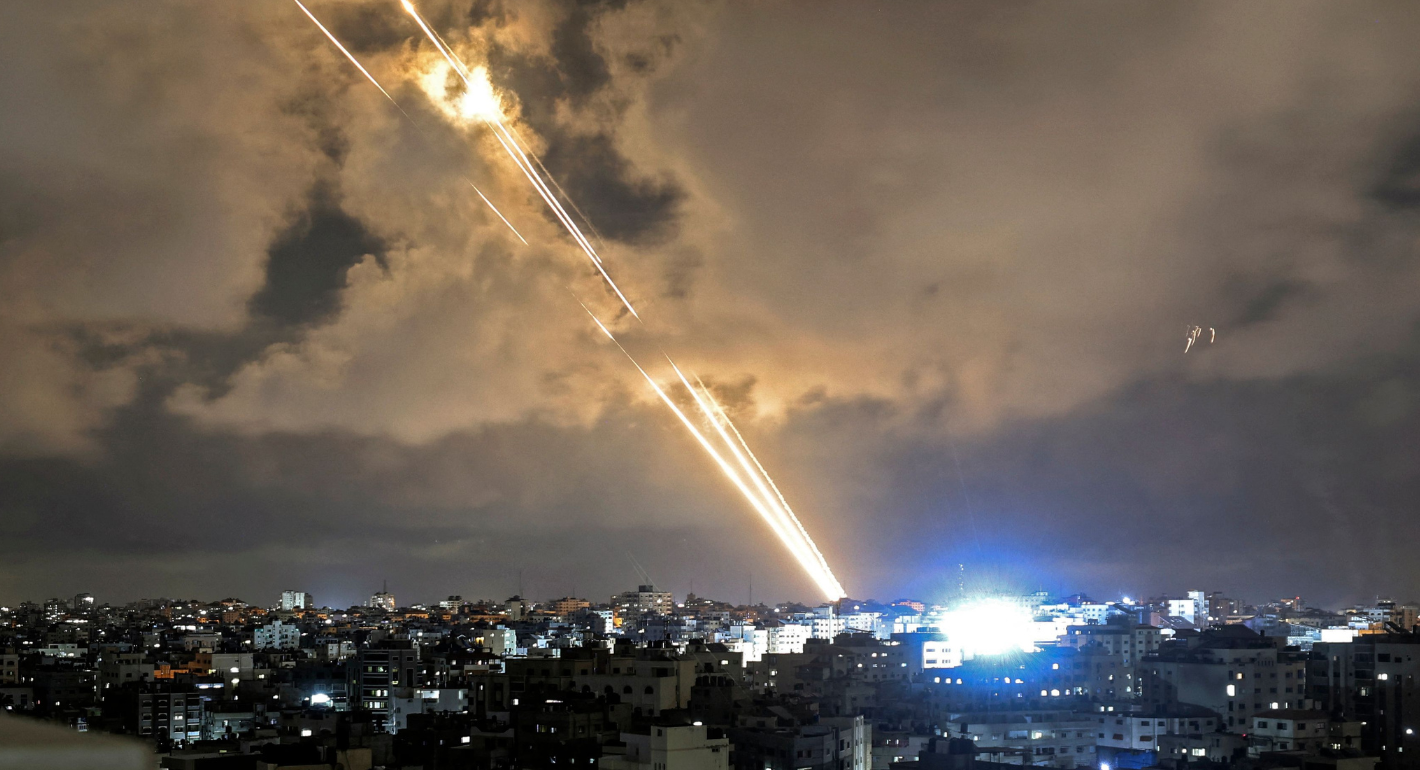
An Israeli response to Iran’s October 1 attack is imminent. The key question is of its intensity and potential fallout, both within Iran, in terms of nuclear security policy changes, and across the broader region. The coming days are likely to reshape West Asia irreversibly.
Gaddam Dharmendra
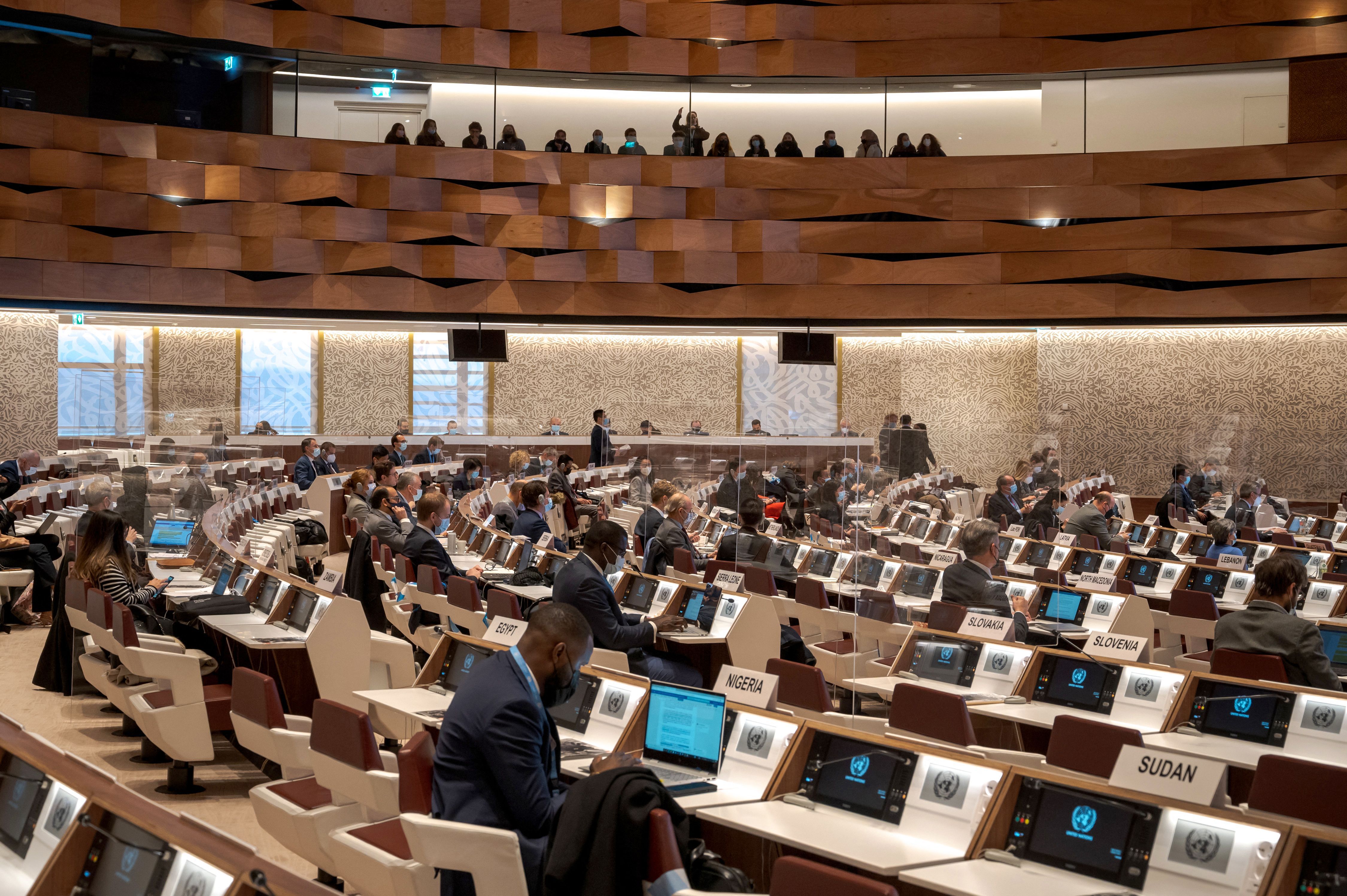
This article explores the global debate on lethal autonomous weapons systems (LAWS), highlighting the convergences, complexities, and differences within and beyond the UN Group of Governmental Experts (GGE) on LAWS. It further examines India’s key position at the GGE and the probable reasons behind them.


Charukeshi Bhatt, Tejas Bharadwaj
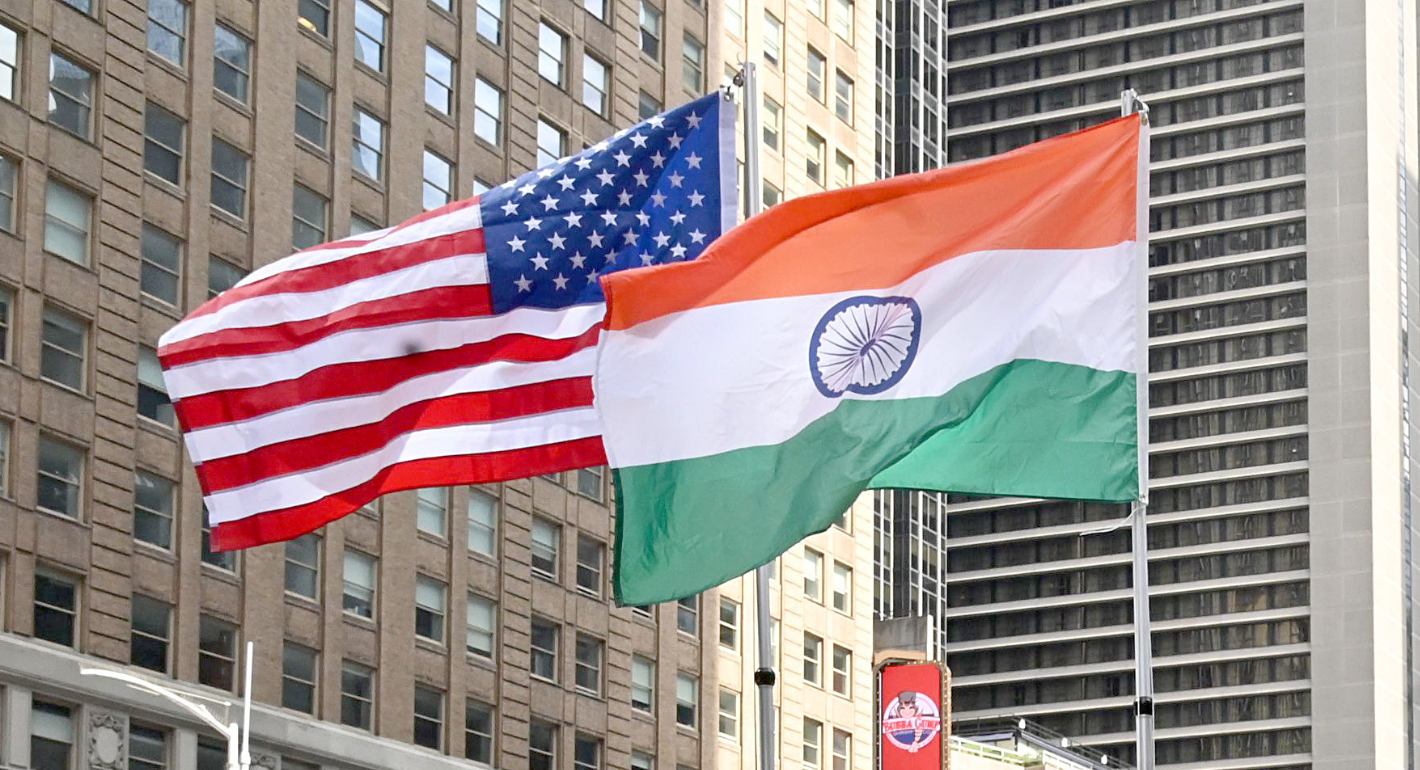
Since its launch nearly a year ago, the INDUS-X has marked many milestones in the India-U.S. relationship. Much has been achieved, but there is room to further enhance defense cooperation between the two countries in the coming years.
Ajay Kumar, Tejas Bharadwaj