

Commentary
Thomas de Waal
{
  "authors": [
    "Thomas de Waal"
  ],
  "type": "legacyinthemedia",
  "centerAffiliationAll": "dc",
  "centers": [
    "Carnegie Endowment for International Peace",
    "Carnegie Europe"
  ],
  "collections": [],
  "englishNewsletterAll": "ctw",
  "nonEnglishNewsletterAll": "",
  "primaryCenter": "Carnegie Europe",
  "programAffiliation": "russia",
  "programs": [
    "Russia and Eurasia"
  ],
  "projects": [],
  "regions": [
    "Middle East",
    "Türkiye",
    "Caucasus",
    "Armenia"
  ],
  "topics": []
}
Source: Getty
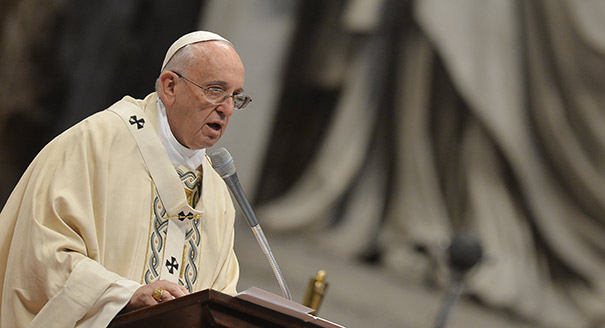
Pope Francis reignited a debate that has smoldered for a hundred years: Whether the deaths of more than a million Armenians were caused by a policy of genocide by the Turks.
Source: WAMU’s Diane Rehm Show
Pope Francis reignited a debate that has smoldered for a hundred years: Whether the deaths of more than a million Armenians were caused by a policy of genocide by the Turks. In a mass on Sunday, the Pope called the massacre “the first genocide of the 20th century.” The Turkish government responded quickly, labeling the pope’s comments unacceptable. Turkey maintains that the death toll was exaggerated, and that many of the Christian Armenians who died in 1915 were the victims of civil war.
Carnegie Endowment Senior Associate Thomas de Waal joined the Diane Rehm Show to discuss why the fate of Armenians in Turkey a century ago remains a passionate issue today.
This interview was originally broadcast on WAMU’s Diane Rehm Show.

Senior Fellow, Carnegie Europe
Thomas de Waal is a senior fellow at Carnegie Europe, specializing in Eastern Europe and the Caucasus.
Recent Work
Thomas de Waal
Thomas de Waal
Carnegie India does not take institutional positions on public policy issues; the views represented herein are those of the author(s) and do not necessarily reflect the views of Carnegie, its staff, or its trustees.
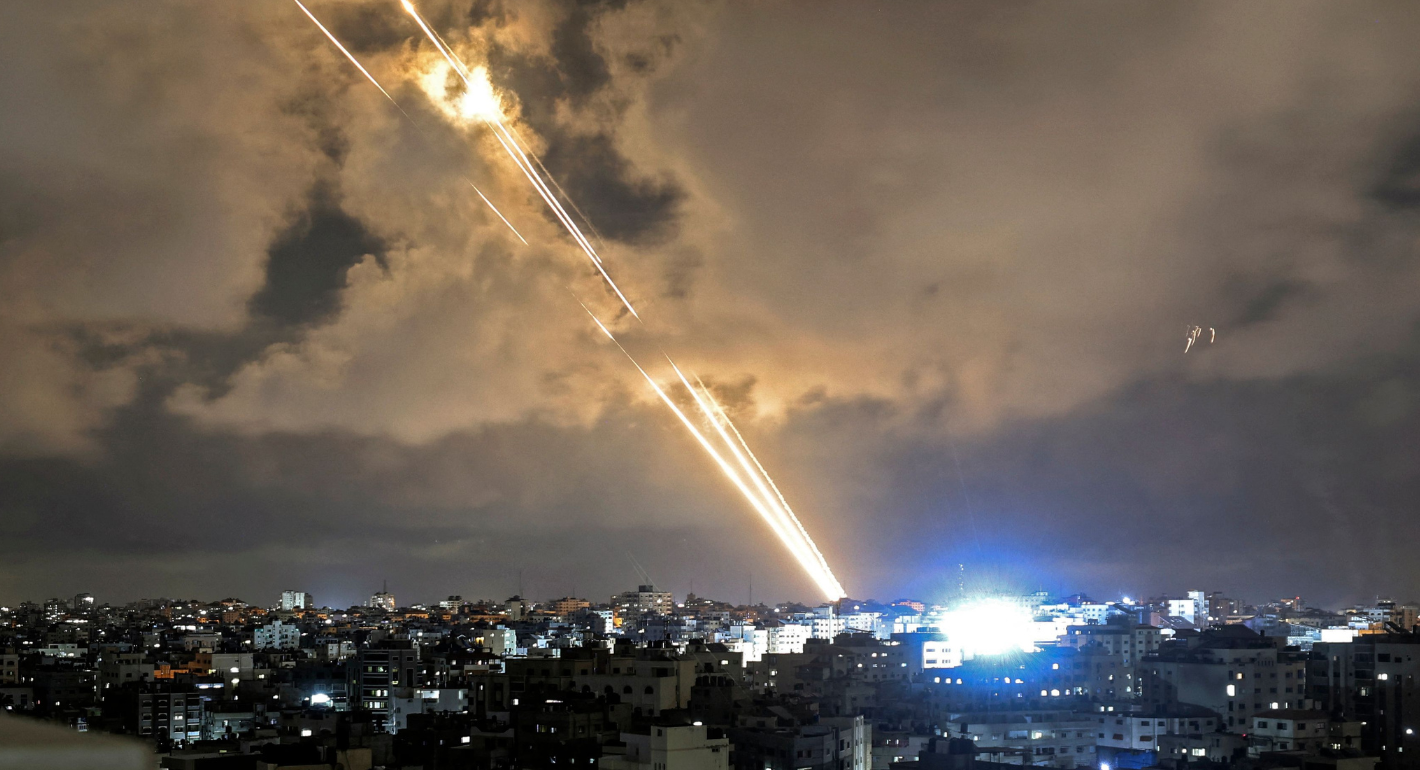
An Israeli response to Iran’s October 1 attack is imminent. The key question is of its intensity and potential fallout, both within Iran, in terms of nuclear security policy changes, and across the broader region. The coming days are likely to reshape West Asia irreversibly.
Gaddam Dharmendra
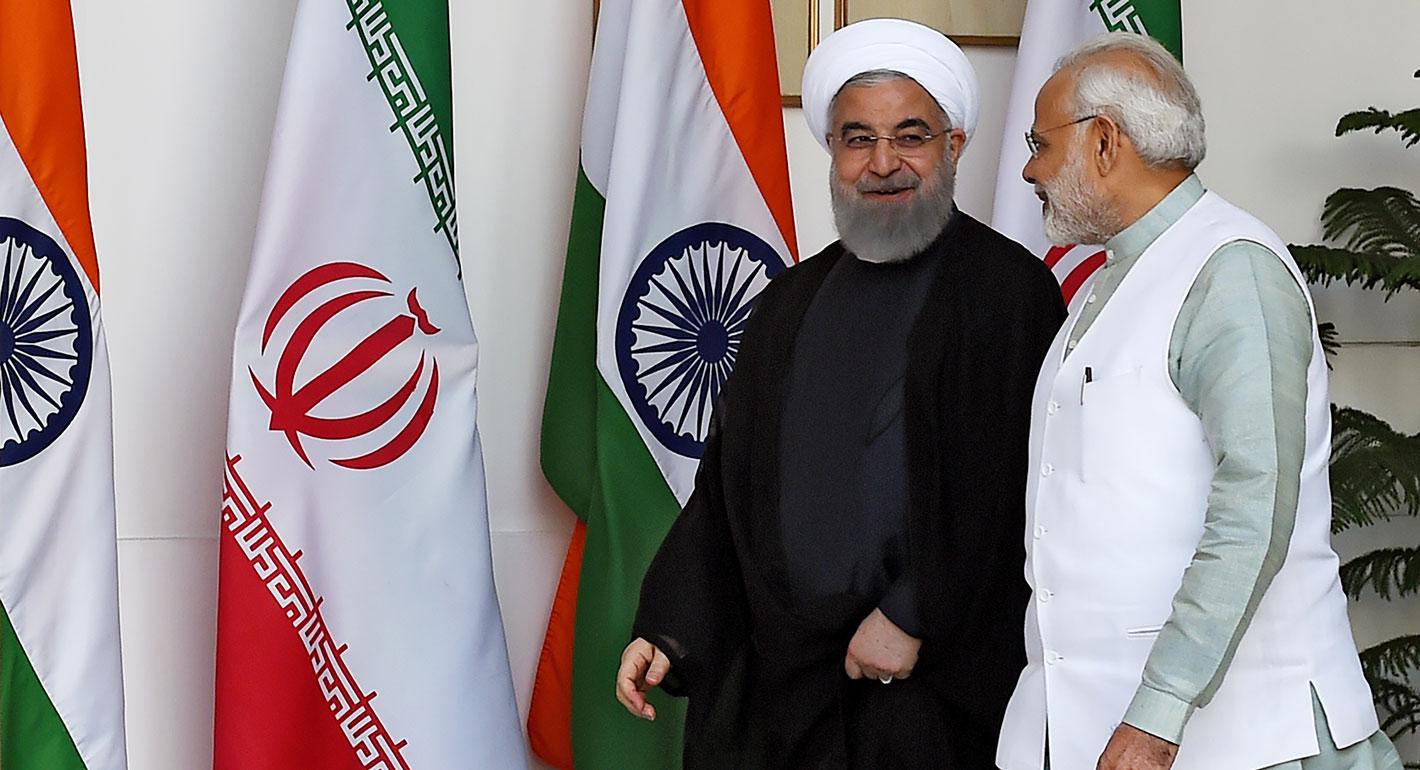
For India, the equation is pretty simple: better diplomatic relations between the United States and Iran would let New Delhi deal more smoothly with both countries. A decline in the relationship adversely affects Indian interests.
Rudra Chaudhuri
The recent developments around the Strait of Hormuz have once again highlighted the importance of maritime chokepoints and their connection to regional geopolitics.

Darshana M. Baruah
Last week, Britain impounded an Iranian oil tanker in Gibraltar, claiming that the vessel was carrying oil to Syria in violation of the European Union’s sanctions.

Srinath Raghavan
Pitched as a new Silk Road sweeping from Asia to Europe, China’s enormous Belt and Road Initiative is an ambitious, multinational infrastructure project. Experts from four Carnegie global centers explain other countries’ perspectives.


Paul Haenle, Dmitri Trenin, Alexander Gabuev, …