

• Research
  • About
  • Experts
Carnegie India logoCarnegie lettermark logo
{
  "authors": [
    "Maha Yahya",
    "Rod Nordland",
    "Christopher Gunness",
    "Aymenn Jawad Al-Tamimi",
    "Wayne White"
  ],
  "type": "legacyinthemedia",
  "centerAffiliationAll": "dc",
  "centers": [
    "Carnegie Endowment for International Peace",
    "Malcolm H. Kerr Carnegie Middle East Center"
  ],
  "collections": [],
  "englishNewsletterAll": "menaTransitions",
  "nonEnglishNewsletterAll": "",
  "primaryCenter": "Malcolm H. Kerr Carnegie Middle East Center",
  "programAffiliation": "MEP",
  "programs": [
    "Middle East"
  ],
  "projects": [],
  "regions": [
    "Gulf",
    "Levant",
    "Iraq",
    "Middle East"
  ],
  "topics": [
    "Political Reform",
    "Security"
  ]
}

Source: Getty

In The Media
Malcolm H. Kerr Carnegie Middle East Center

ISIS: Is the Caliphate Cracking?

There are signs of internal dissension within the self-proclaimed Islamic State. But even if it is in partial retreat, it is a likely threat in the Middle East—and to Western interests—for years to come.

Link Copied
By Maha Yahya, Rod Nordland, Christopher Gunness, Aymenn Jawad Al-Tamimi, Wayne White
Published on Apr 9, 2015

Source: KCRW’s To the Point

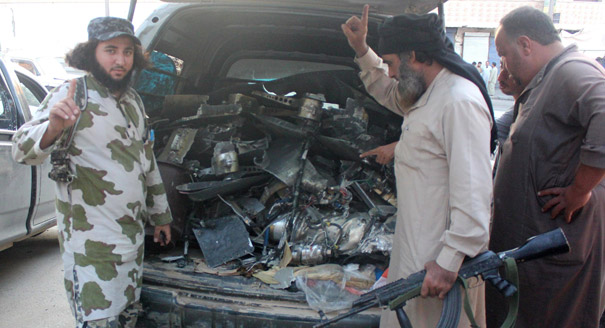
The losses of Kobani in Syria and Tikrit in Iraq are being taken as evidence that the so-called Islamic State is in trouble. Its revenue is reportedly drying up, and untrained recruits are replacing experienced soldiers. But ISIS still is spreading terror.

Iraq’s Prime Minister Haider Al-Abadi is due at the White House on Tuesday, and it’s all about the war against ISIS, the so-called Islamic State. Last year, ISIS looked like the world’s most dangerous terrorist group—intent on restoring the Caliphate that once ruled all Muslims. Unique for extreme brutality and brilliant Internet propaganda, ISIS forced the United States and Iran into an unlikely coalition against it. Now, ISIS is losing captured territory, its sources of money and even competent soldiers. There are signs of internal dissension. But even if it's in partial retreat, it’s a likely threat in the Middle East—and to Western interests—for years to come.

Guests:
Rod Nordland, New York Times (@rodnordland)
Christopher Gunness, United Nations Relief and Works Agency (@ChrisGunness)
Aymenn Jawad Al-Tamimi, Middle East Forum (@ajaltamimi)
Wayne White, Middle East Policy Council (@middleeastinst)
Maha Yahya, Carnegie Middle East Center (@CarnegieMEC)

This apperance was originally broadcast on KCRW’s To the Point.

About the Authors

Maha Yahya

Director, Malcolm H. Kerr Carnegie Middle East Center

Maha Yahya is director of the Malcolm H. Kerr Carnegie Middle East Center, where her research focuses on citizenship, pluralism, and social justice in the aftermath of the Arab uprisings.

Rod Nordland

Christopher Gunness

Aymenn Jawad Al-Tamimi

Wayne White

Authors

Maha Yahya
Director, Malcolm H. Kerr Carnegie Middle East Center
Maha Yahya
Rod Nordland
Christopher Gunness
Aymenn Jawad Al-Tamimi
Wayne White
Political ReformSecurityGulfLevantIraqMiddle East

Carnegie India does not take institutional positions on public policy issues; the views represented herein are those of the author(s) and do not necessarily reflect the views of Carnegie, its staff, or its trustees.

More Work from Carnegie India

  • Commentary
    The Impact of U.S. Sanctions and Tariffs on India’s Russian Oil Imports

    This piece examines India’s response to U.S. sanctions and tariffs, specifically assessing the immediate market consequences, such as alterations in import costs, and the broader strategic implications for India’s energy security and foreign policy orientation.

      Vrinda Sahai

  • Article
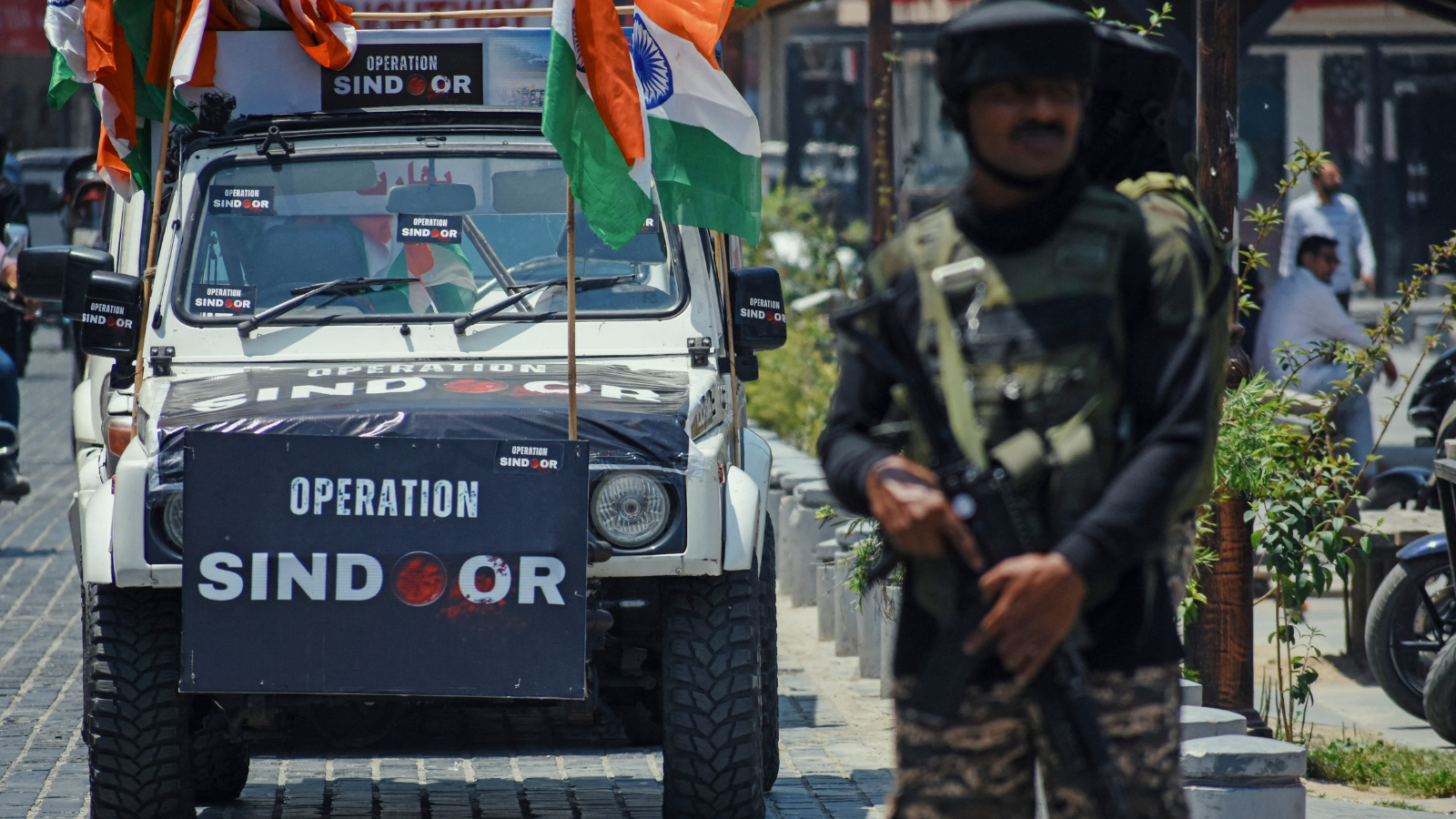
    Military Lessons from Operation Sindoor

    The India-Pakistan conflict that played out between May 6 and May 10, 2025, offers several military lessons. This article presents key takeaways from Operation Sindoor and breaks down how India’s preparations shaped the outcome and what more is needed to strengthen future readiness.

      Dinakar Peri

  • Book
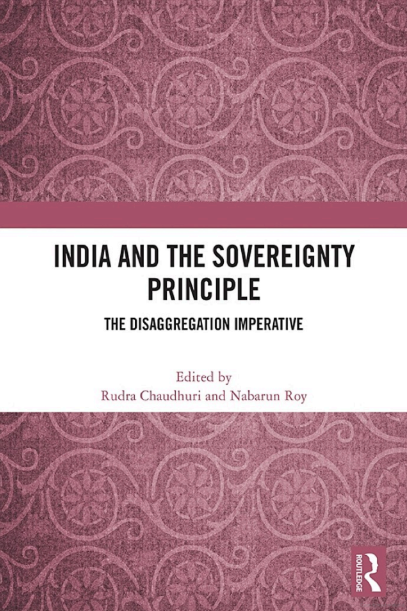
    India and the Sovereignty Principle: The Disaggregation Imperative

    This book offers a comprehensive analysis of India's evolving relationship with sovereignty in a complex global order. Moving beyond conventional narratives, it examines how the sovereignty principle shapes India's behavior across four critical domains—from traditional military power to contemporary data governance.

      Rudra Chaudhuri, Nabarun Roy

  • Article
    Hidden Tides: IUU Fishing and Regional Security Dynamics for India

    This article examines the scale and impact of Chinese IUU fishing operations globally and identifies the nature of the challenge posed by IUU fishing in the Indian Ocean Region (IOR). It also investigates why existing maritime law and international frameworks have struggled to address this growing threat.

      Ajay Kumar, Charukeshi Bhatt

  • Book
    Violence and Development Along the India-Pakistan Border in Jammu and Kashmir

    This book examines the impact of cross-border violence on communities living along the Line of Control and the International Border in Jammu and Kashmir, India.

      Deep Pal, Surya Valliappan Krishna, Saheb Singh Chadha

Get more news and analysis from
Carnegie India
Carnegie India logo, white
Unit C-4, 5, 6, EdenparkShaheed Jeet Singh MargNew Delhi – 110016, IndiaPhone: 011-40078687
  • Research
  • About
  • Experts
  • Projects
  • Events
  • Contact
  • Careers
  • Privacy
  • For Media
Get more news and analysis from
Carnegie India
© 2026 Carnegie Endowment for International Peace. All rights reserved.