

Paper
Ariel (Eli) Levite, Toby Dalton
{
  "authors": [
    "Ariel (Eli) Levite"
  ],
  "type": "legacyinthemedia",
  "centerAffiliationAll": "dc",
  "centers": [
    "Carnegie Endowment for International Peace",
    "Malcolm H. Kerr Carnegie Middle East Center"
  ],
  "collections": [
    "Iranian Proliferation",
    "U.S. Nuclear Policy"
  ],
  "englishNewsletterAll": "ctw",
  "nonEnglishNewsletterAll": "",
  "primaryCenter": "Carnegie Endowment for International Peace",
  "programAffiliation": "NPP",
  "programs": [
    "Nuclear Policy"
  ],
  "projects": [],
  "regions": [
    "North America",
    "United States",
    "Middle East",
    "Iran"
  ],
  "topics": [
    "Political Reform",
    "Nuclear Policy",
    "Arms Control"
  ]
}
Source: Getty
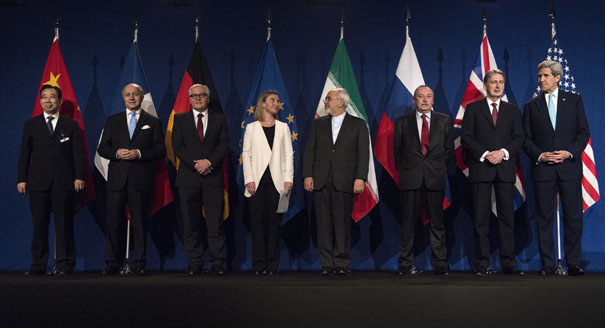
If the parties’ opening positions are used as benchmarks, the parameters of the Joint Comprehensive Plan of Action favor Iran. If the deal is seen through the lenses of their strategic objectives, the picture is far more nuanced.
Source: Norwegian Institute of International Affairs
The ink has barely dried on the recent “Parameters” for a “Joint Comprehensive Plan of Action” (JCPOA), which itself is merely another interim step en route to a fully-fledged comprehensive agreement that may or may not be reached by the end of June and which, furthermore, even if concluded could (certainly if judged in light of the previous agreements with Iran) significantly deviate from its current composition. Already, predictably conflicting narratives between Iran and the US have emerged on what was agreed upon in Lausanne, raising serious questions whether the parameters of the deal as described will survive the ongoing negotiations. Under these circumstances it is challenging to provide a definitive assessment of the agreement in hand.
Nevertheless, how does it look? In our judgment a great deal depends on one’s vantage point. If one is persuaded that the agreement averted imminent Iranian nuclearization and that such prospect would have inevitably unleashed war with Iran, then almost any deal seems preferable. If on the other hand you believe that Iran was not about to resume its pre-2003 Manhattan -type nuclear weapons program and war was a remote prospect, then time need not have been of the essence for the P-5, which in turn casts the achieved outcome in much less favorable light the outcome achieved.This article was published in full in the Norwegian Institute of International Affairs.

Senior Fellow, Nuclear Policy Program, Technology and International Affairs Program
Levite was the principal deputy director general for policy at the Israeli Atomic Energy Commission from 2002 to 2007.
Recent Work

Ariel (Eli) Levite, Toby Dalton
Ariel (Eli) Levite, Toby Dalton
Carnegie India does not take institutional positions on public policy issues; the views represented herein are those of the author(s) and do not necessarily reflect the views of Carnegie, its staff, or its trustees.

How is AI reshaping space security, creating governance challenges, and where does international diplomacy stand today?


Tejas Bharadwaj, Almudena Azcárate Ortega

The U.S.–India semiconductor cooperation story is well-stocked with top-level strategic intent. What remains unresolved, however, are some underlying challenges that will determine whether the cooperation actually functions. Three such friction points stand out.

Shruti Mittal
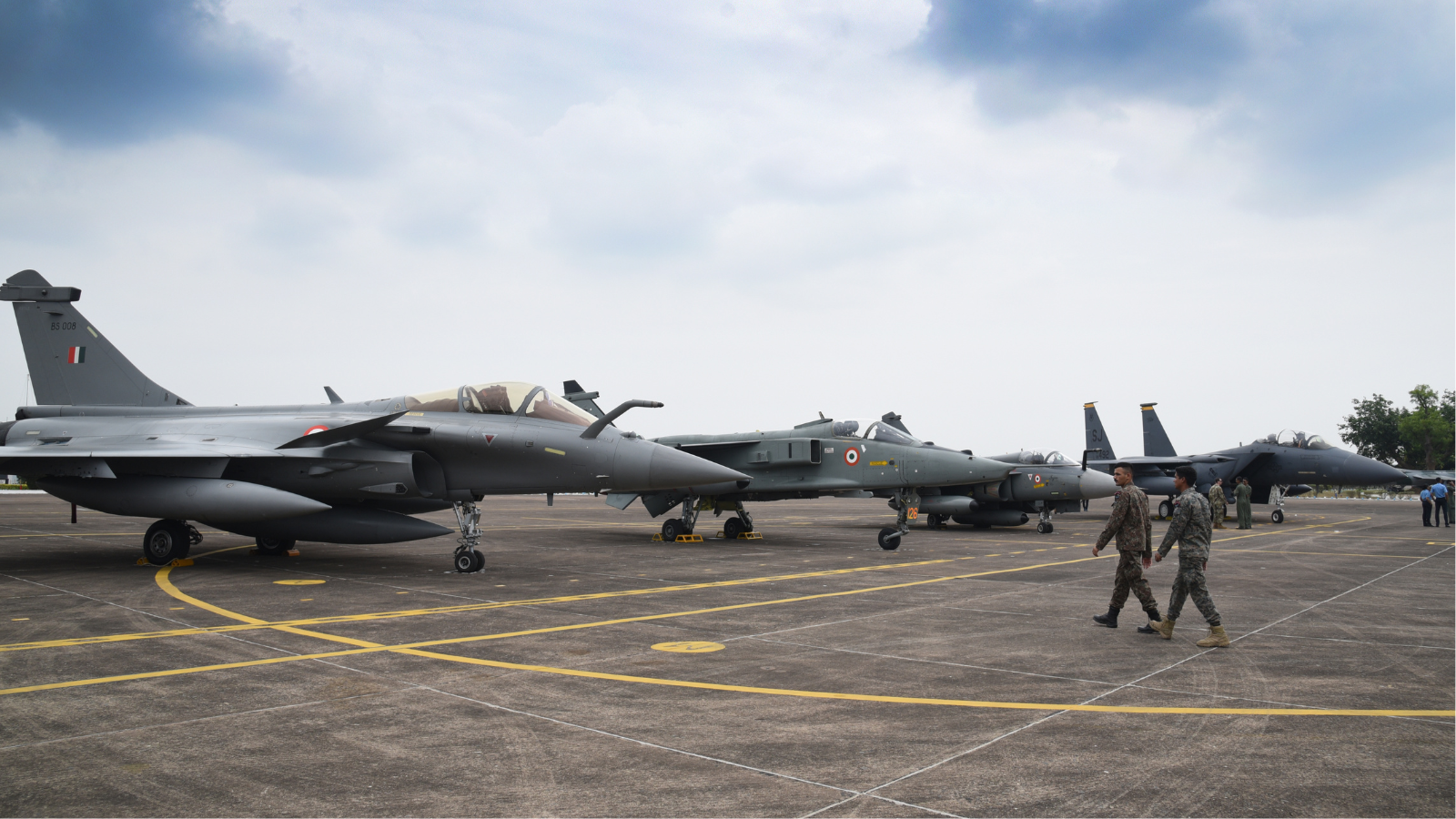
India and the United States are close to concluding a Reciprocal Defense Procurement Agreement (RDPA) that will allow firms from the two countries to sell to each other’s defense establishments more easily. While this may not remedy the specific grievances both sides may have regarding larger bilateral issues, an RDPA could restore some momentum, following the trade deal announcement.

Konark Bhandari

On the last day of the India AI Impact Summit, India signed Pax Silica, a U.S.-led declaration seemingly focused on semiconductors. While India’s accession to the same was not entirely unforeseen, becoming a signatory nation this quickly was not on the cards either.
Konark Bhandari

This piece examines India’s response to U.S. sanctions and tariffs, specifically assessing the immediate market consequences, such as alterations in import costs, and the broader strategic implications for India’s energy security and foreign policy orientation.

Vrinda Sahai