

Research
- +5
Alper Coşkun, Fatih Ceylan, Tacan İldem, …
{
  "authors": [
    "Sinan Ülgen"
  ],
  "type": "legacyinthemedia",
  "centerAffiliationAll": "dc",
  "centers": [
    "Carnegie Endowment for International Peace",
    "Carnegie Europe"
  ],
  "collections": [
    "Turkey’s Transformation"
  ],
  "englishNewsletterAll": "ctw",
  "nonEnglishNewsletterAll": "",
  "primaryCenter": "Carnegie Europe",
  "programAffiliation": "EP",
  "programs": [
    "Europe"
  ],
  "projects": [],
  "regions": [
    "Europe",
    "Türkiye",
    "Middle East",
    "Iran"
  ],
  "topics": [
    "Security"
  ]
}
Source: Getty
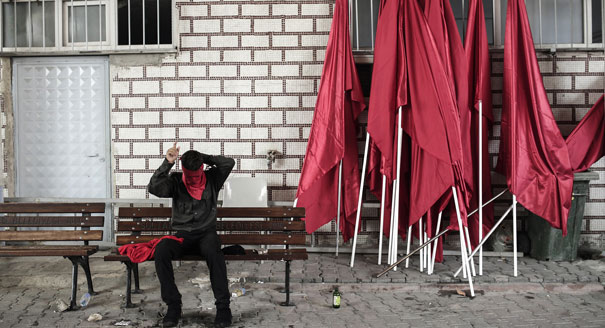
Terrorist attacks in Turkey continue to exacerbate the fracture between the Turkish government and the Kurds. As radicalization increases, is there hope for a political settlement?
Source: Australian Broadcasting Corporation
Carnegie Europe’s Sinan Ülgen joined ABC’s Beverley O’Connor to discuss the increasing occurrence of terrorist attacks in Turkey. Ülgen argued that the increased frequency of attacks was a direct consequence of the breakdown in peace talks between the insurgent Kurdistan Workers’ Party (PKK) and government forces in 2015. Now locked in a bitter struggle, the Kurdish movement is exporting ever more violence to metropolitan areas, such as Ankara and Istanbul.
Despite increased military action in Turkey’s southeast, Ülgen reaffirmed that a political settlement is the only way to bring an end to the conflict. Ülgen stated that any opportunity to return to peace was further undermined following the decision of President Recep Tayyip Erdoğan to lift Turkish parliamentarians’ immunity from prosecution, which would effectively remove any pro-Kurdish opposition party in the parliament.

Senior Fellow, Carnegie Europe
Sinan Ülgen is a senior fellow at Carnegie Europe in Brussels, where his research focuses on Turkish foreign policy, transatlantic relations, international trade, economic security, and digital policy.
Recent Work

Alper Coşkun, Fatih Ceylan, Tacan İldem, …
Carnegie India does not take institutional positions on public policy issues; the views represented herein are those of the author(s) and do not necessarily reflect the views of Carnegie, its staff, or its trustees.

In any defense establishment, change is an ongoing process. However, despite the best of intentions, existing bureaucracies, bound by habit and years of socialization, have their limits in implementing transformative change.

Anit Mukherjee

After the chill in ties between 2020 and 2024 that brought India–China relations to their lowest point in several decades, the two countries have engaged each other afresh. This paper argues that there are predominantly four imperatives guiding India’s approach to China, and they exist in an order of priority.

Saheb Singh Chadha
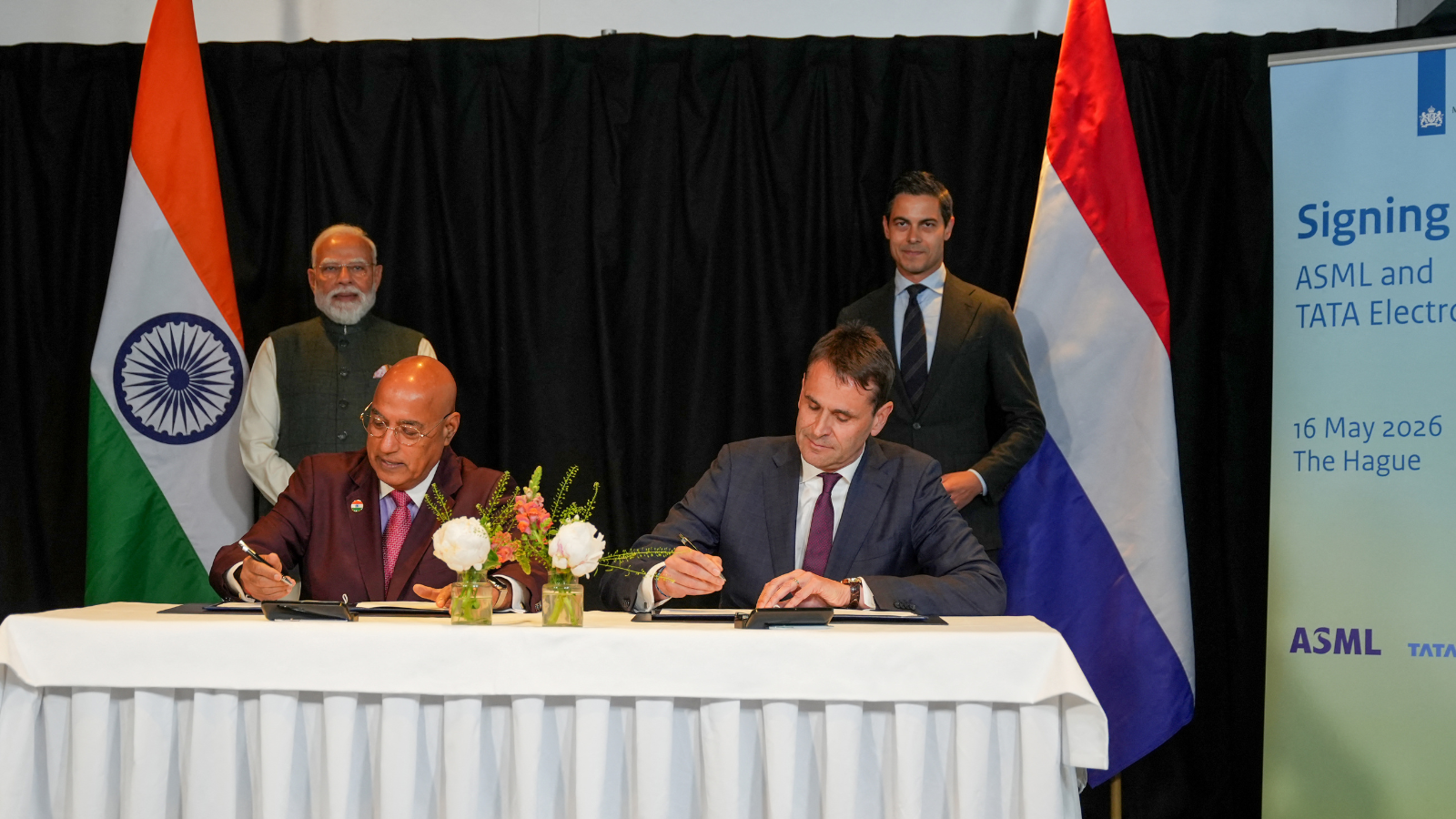
The ASML MoU with Tata Electronics is an indicator of how far the Indian semiconductor ecosystem has come. This ecosystem has been years in the making and represents real commercial logic.

Konark Bhandari

The India–EU Free Trade Agreement (FTA) is shaping up to be one of the most consequential trade negotiations, both economically and strategically. But, what’s in the agreement, what’s missing, and what will determine its success in the years ahead

Vrinda Sahai, Nicolas Köhler-Suzuki

This piece argues that the present Indian strategy, based on opportunistic diversification and utilization of limited strategic reserves, remains inadequate when confronting supply disruptions. It evaluates India’s options in the short, medium, and long terms.
Vrinda Sahai