

Paper
Renad Mansour, Faleh A. Jabar
{
  "authors": [
    "Renad Mansour"
  ],
  "type": "legacyinthemedia",
  "centerAffiliationAll": "dc",
  "centers": [
    "Carnegie Endowment for International Peace",
    "Malcolm H. Kerr Carnegie Middle East Center"
  ],
  "collections": [],
  "englishNewsletterAll": "menaTransitions",
  "nonEnglishNewsletterAll": "",
  "primaryCenter": "Malcolm H. Kerr Carnegie Middle East Center",
  "programAffiliation": "MEP",
  "programs": [
    "Middle East"
  ],
  "projects": [],
  "regions": [
    "Levant",
    "Iraq",
    "Middle East"
  ],
  "topics": [
    "Political Reform"
  ]
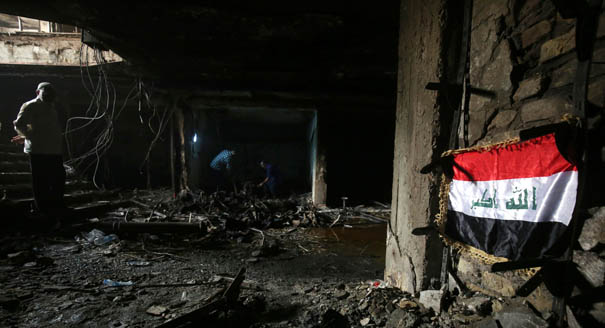
}
Source: Getty
The tragic Baghdad bombings are a consequence of the Islamic State's changing tactics and divisions within Iraq's political and security establishment.
Source: Radio Sputnik
Carnegie’s Renad Mansour spoke with Radio Sputnik on the tragic bombings that took place in Baghdad on Sunday. Mansour argued that the bombings were a consquence of divisions within Iraq's security establishment as it is divided between the central government, the Popular Mobilization Forces, and neighborhood patrols. Mansour stated that due to these divisions, the government is incapable of preventing such bombings. Mansour noted that the Islamic State has begun to change its tactics in Iraq, switching from attemping to conquer cities to asymmetric warfare in order to cause chaos. Mansour also discussed how Iraqi citizens want change on the political level and that they believe the government is not capable to provide for them. Mansour then discussed Prime Minister Haidar Abadi's political future as he is facing opposition from within his own party and ordinary citizens. Mansour argued that it is still unlear whether Abadi will leave or use this as an opportunity to enact reforms. He also stated that there is a general fear of who would be able to succeed Abadi.

Former El-Erian Fellow, Middle East Center
Mansour was an El-Erian fellow at the Carnegie Middle East Center, where his research focuses on Iraq, Iran, and Kurdish affairs.
Recent Work
Renad Mansour, Faleh A. Jabar
Renad Mansour
Carnegie India does not take institutional positions on public policy issues; the views represented herein are those of the author(s) and do not necessarily reflect the views of Carnegie, its staff, or its trustees.
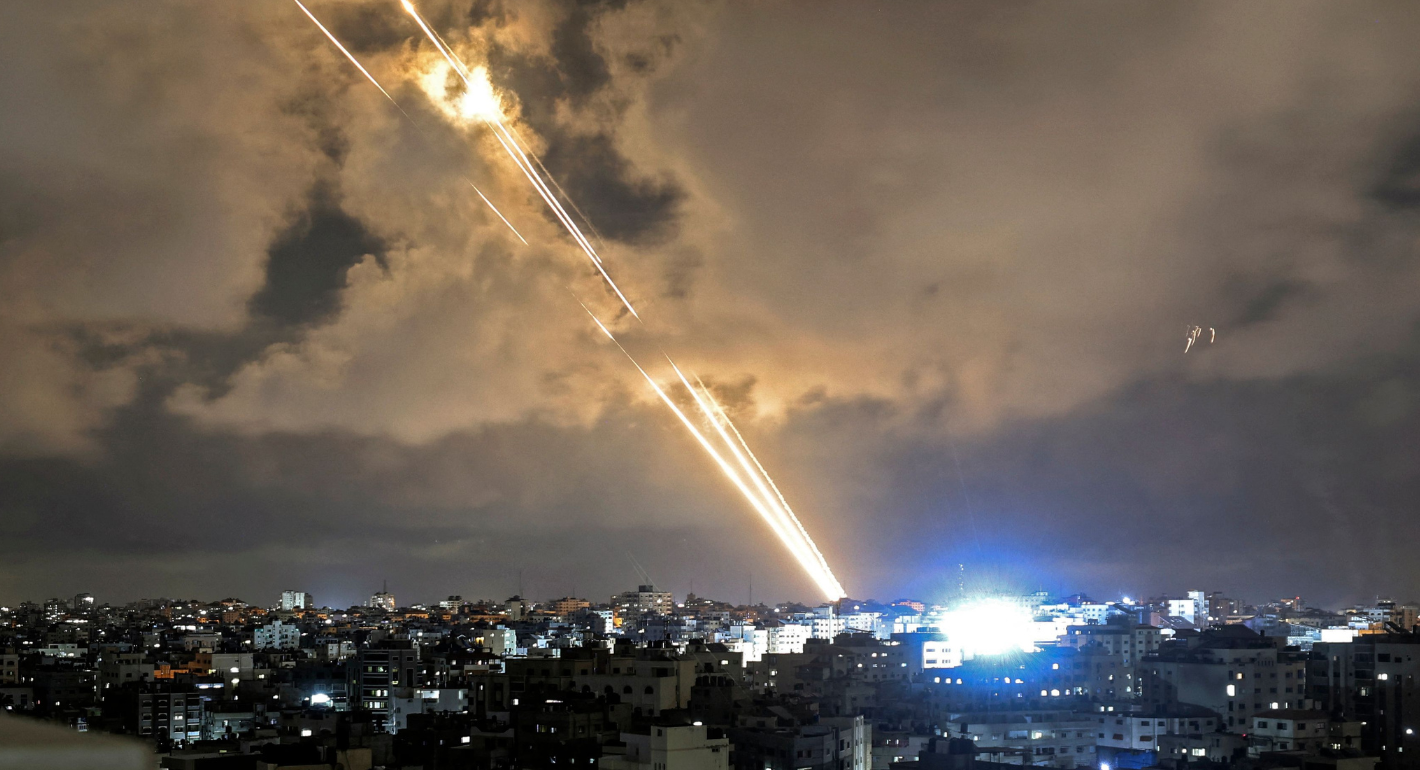
An Israeli response to Iran’s October 1 attack is imminent. The key question is of its intensity and potential fallout, both within Iran, in terms of nuclear security policy changes, and across the broader region. The coming days are likely to reshape West Asia irreversibly.
Gaddam Dharmendra
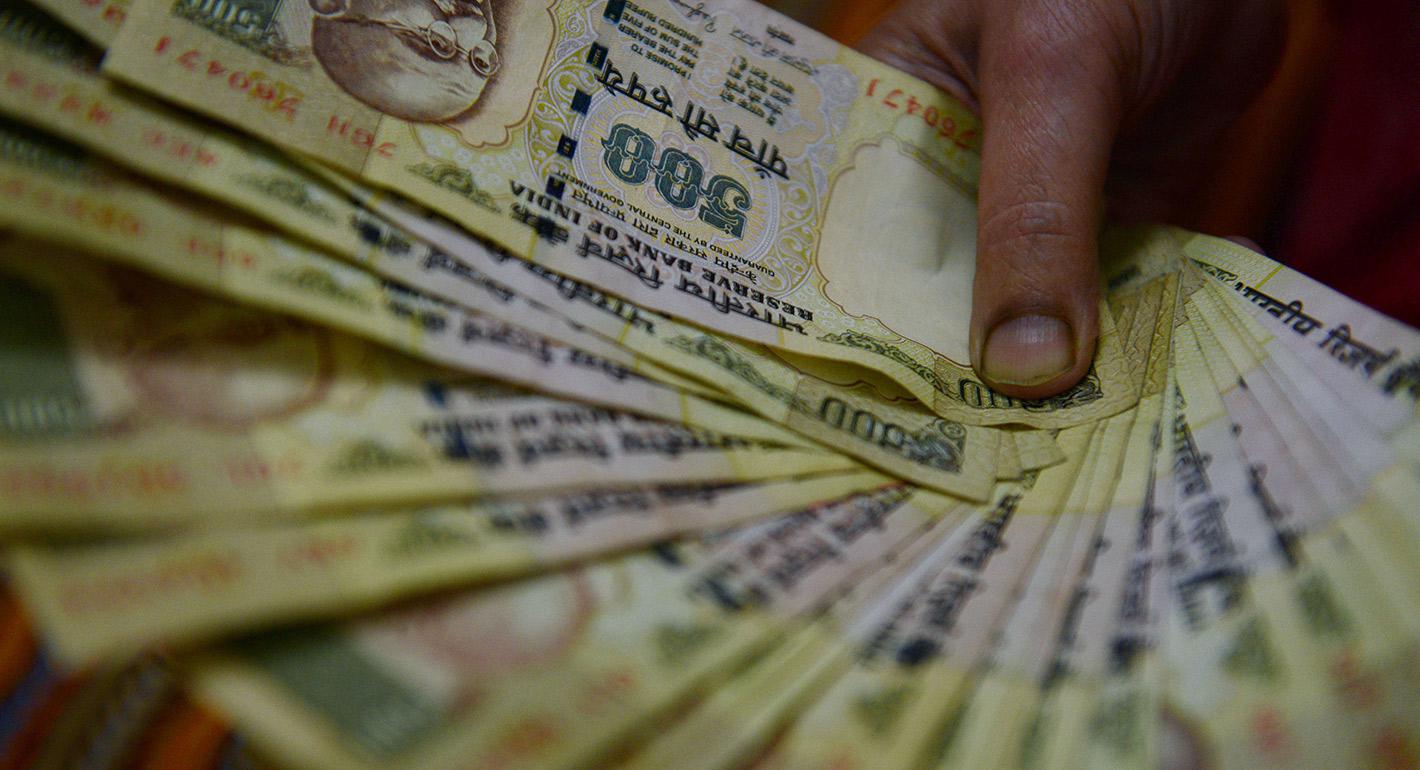
As India’s economy recovers from the coronavirus pandemic, Indian businesses need efficient financial structures to regain their ground. Key reforms to India’s Insolvency and Bankruptcy Code could fill these gaps.

Anirudh Burman

Access to cross-border data is an integral piece of the law enforcement puzzle. India is well placed to lead the discussions on international data agreements subject to undertaking necessary surveillance reforms.

Smriti Parsheera, Prateek Jha
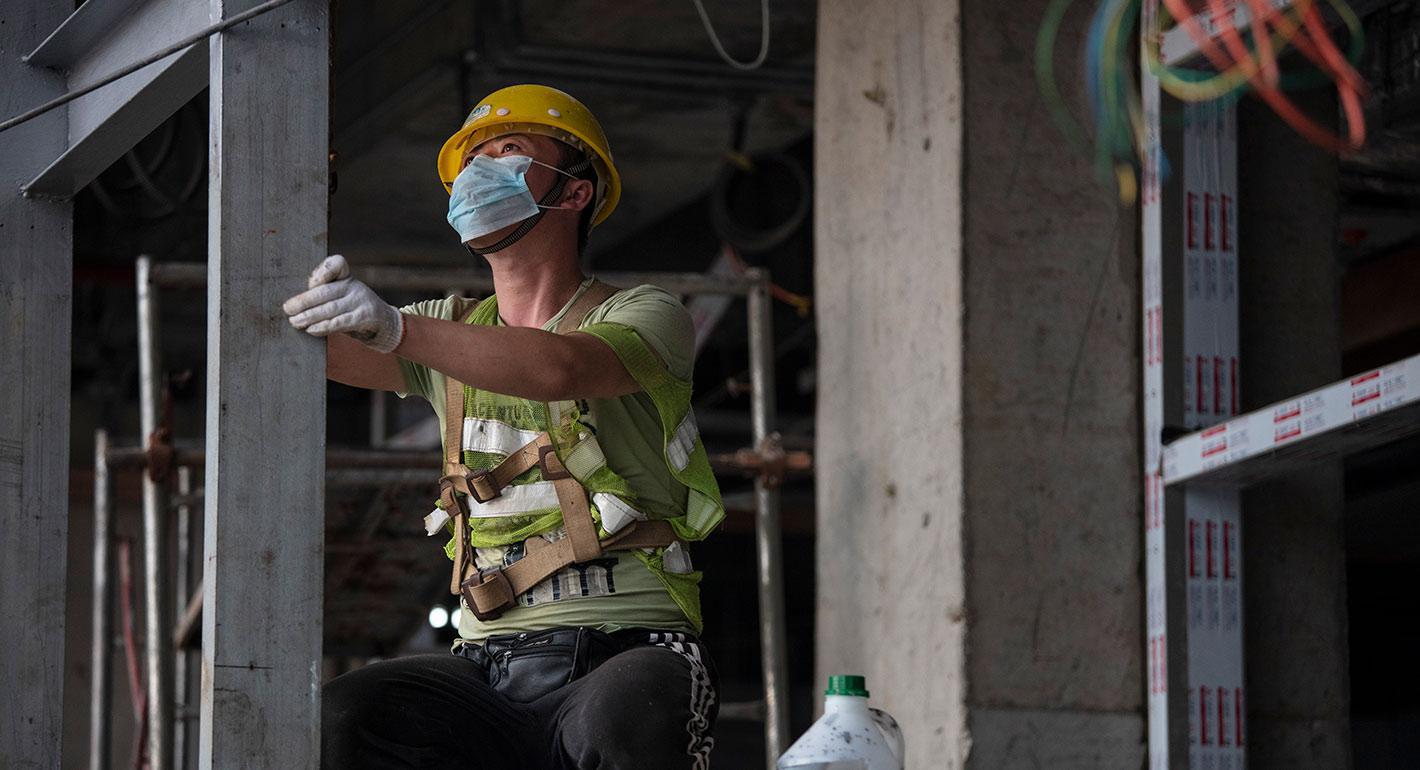
After the coronavirus pandemic wanes, how will China’s reorientation of the Belt and Road Initiative to address global health concerns influence its relationships with South Asian countries?
Deep Pal, Rahul Bhatia
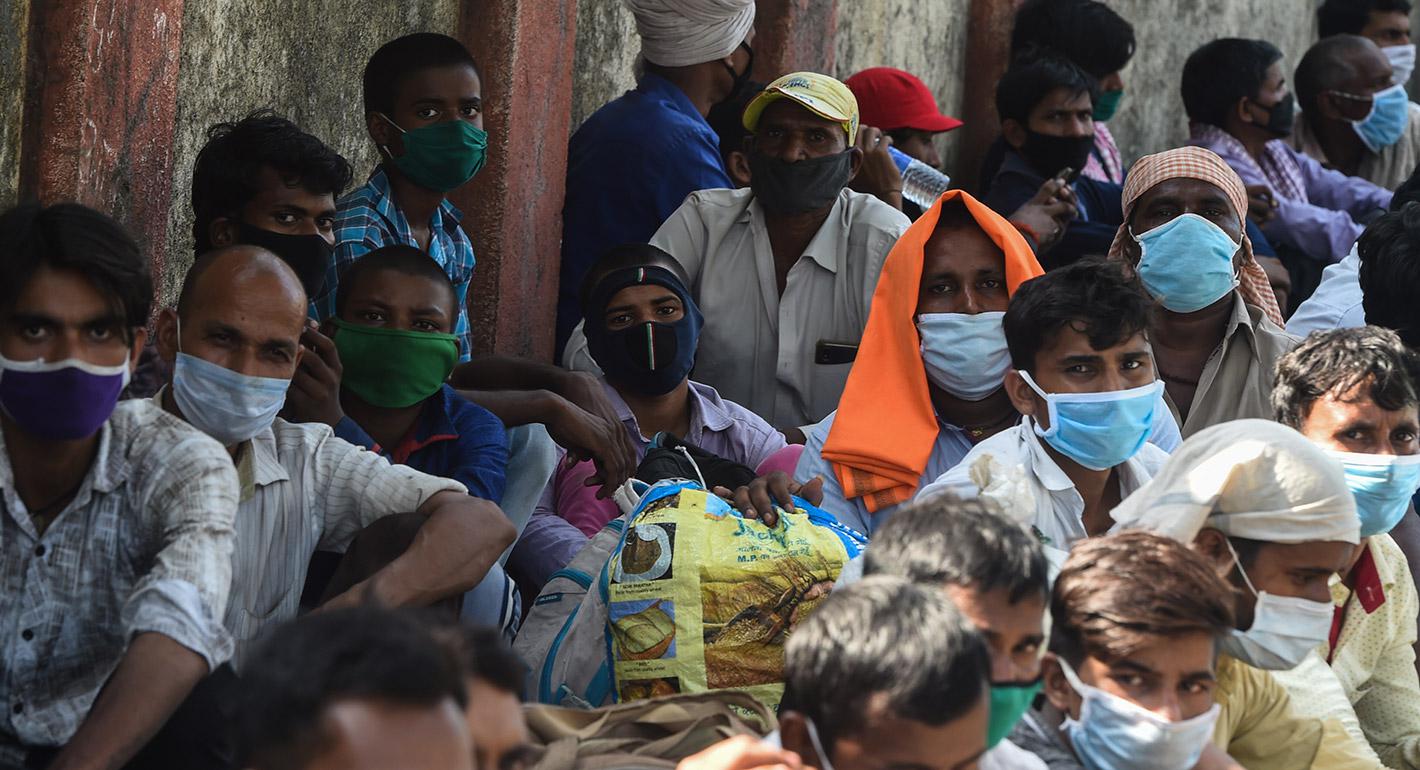
Early in the outbreak, government researchers forecast several high-risk scenarios that were downplayed or ignored in public messaging.
Gautam I. Menon