

Q&A
Suzanne Maloney, Aaron David Miller, Karim Sadjadpour
{
  "authors": [
    "Karim Sadjadpour"
  ],
  "type": "legacyinthemedia",
  "centerAffiliationAll": "dc",
  "centers": [
    "Carnegie Endowment for International Peace",
    "Malcolm H. Kerr Carnegie Middle East Center"
  ],
  "collections": [
    "Iranian Proliferation"
  ],
  "englishNewsletterAll": "menaTransitions",
  "nonEnglishNewsletterAll": "",
  "primaryCenter": "Carnegie Endowment for International Peace",
  "programAffiliation": "MEP",
  "programs": [
    "Middle East"
  ],
  "projects": [],
  "regions": [
    "Middle East",
    "Iran"
  ],
  "topics": [
    "Political Reform",
    "Nuclear Policy"
  ]
}
Source: Getty
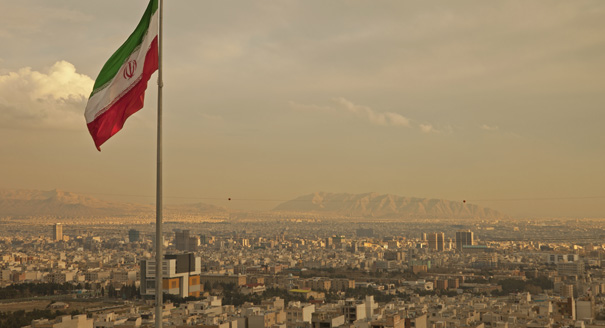
The death of Iranian ex-President Ali Akbar Hashemi Rafsanjani, one of the original pillars of the 1979 Revolution, could have broad effects on Iran’s reformist movement.
Source: NPR’s Morning Edition
STEVE INSKEEP, HOST:
In the tangled web of power that is the ruling establishment of Iran, few were as prominent for so many years as Ayatollah Ali Akbar Hashemi Rafsanjani. This week, Iran will lay to rest its former president and power broker who died Sunday at the age of 82. We're going to talk about him with Karim Sadjadpour of the Carnegie Endowment for International Peace. Welcome back to the program, Karim.
KARIM SADJADPOUR: Thank you, Steve.
INSKEEP: This is a name that's very familiar to Iran specialists, not so familiar to other Americans. What was he? What was he about?
SADJADPOUR: Rafsanjani was one of the original pillars of the 1979 Revolution. And after the leader of the revolution, Ayatollah Khomeini, died in 1989, Rafsanjani became one of the two remaining pillars, the other being the current Supreme Leader Ayatollah Khamenei. And whereas Ayatollah Khamenei is someone who's deeply ideological and faithful to the kind of ideological pillars of the revolution, Rafsanjani was always seen as someone who was more pragmatic, who was interested in putting the country's interests, especially economic interests, before revolutionary ideology.
INSKEEP: Meaning that outsiders might have a chance to deal with him in some fashion? He might be favoring something like the nuclear deal with the United States and other powers?
SADJADPOUR: Exactly. He actually favored relations with the United States in contrast to Khamenei. He sought better relations with Iran's Arab neighbors, namely Saudi Arabia. And Rafsanjani was an important mentor to many younger generation pragmatic officials like the current president Hassan Rouhani and the current foreign minister Javad Zarif.
INSKEEP: Who are seen as somewhat reform-minded, have been trying to change the country. Now that makes him sound kind of positive, but I want to ask one thing. Iran's foreign minister - this is a Twitter exchange I want to describe - Iran's foreign minister sends out a tweet - the republic has lost a towering giant. To which Bret Stephens, a columnist for The Wall Street Journal, responds - and you're celebrating a despicable killer. Was he a despicable killer?
SADJADPOUR: Well, in the context of the Islamic Republic of Iran, he was more moderate than many of his political peers, but he is someone absolutely who had blood on his hands. In 1965, he was implicated in the assassination of an Iranian prime minister during the time of the shah. After he came into political power, he was directly implicated in the assassinations of Iranian dissidents and writers, and he was implicated in terrorist attacks abroad.
So both of those things can be true in that he was someone who in a Western context could not be considered to be a liberal or a moderate, but in the context of the Islamic Republic of Iran he was more moderate than his peers.
INSKEEP: What does it mean that he's off the scene now just as a new president takes office in the United States?
SADJADPOUR: Well, I do think it's a blow to President Rouhani because Rafsanjani represented a counterweight, kind of a weak counterweight to the supreme leader, and he was an important mentor for Rouhani. So I kind of see it like, you know, what happened when the Soviet Union collapsed, the United States became the unipolar world power. And now Ayatollah Khomeini really has...
INSKEEP: The hard line supreme leader is the guy who's even more supreme...
SADJADPOUR: Yeah, he's kind of the unipolar power in Iran now.
INSKEEP: So does that mean that Iran could be more intransigent just as the United States tries to re-evaluate its approach to Iran?
SADJADPOUR: It is certainly a risk because there's no one like Rafsanjani who was putting - trying to put the brakes on the country and tilt it in a more pragmatic direction.
INSKEEP: In just a few seconds, Karim, is Iran broadly speaking seen as following the nuclear deal up to now?
SADJADPOUR: They are. They are. What they're not seen as following is the spirit of the deal to try to, you know, play a more positive role in the Middle East.
INSKEEP: OK. Karim, thanks for coming by as always.
SADJADPOUR: Thank you, Steve.
INSKEEP: That's Karim Sadjadpour of the Carnegie Endowment for International Peace.
This interview was originally aired on NPR's Morning Edition.

Senior Fellow, Middle East Program
Karim Sadjadpour is a senior fellow at the Carnegie Endowment for International Peace, where he focuses on Iran and U.S. foreign policy toward the Middle East.
Recent Work


Suzanne Maloney, Aaron David Miller, Karim Sadjadpour

Aaron David Miller, Karim Sadjadpour, Robin Wright
Carnegie India does not take institutional positions on public policy issues; the views represented herein are those of the author(s) and do not necessarily reflect the views of Carnegie, its staff, or its trustees.
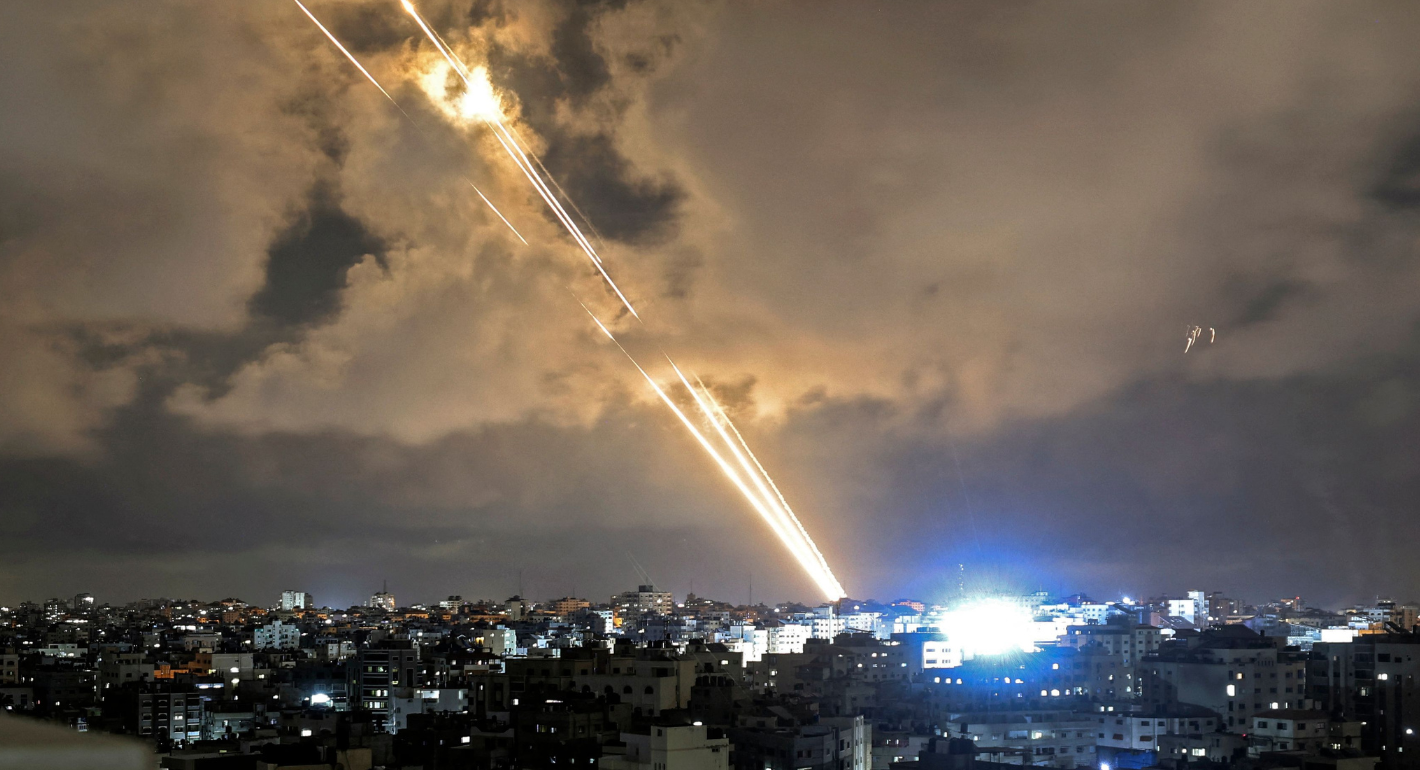
An Israeli response to Iran’s October 1 attack is imminent. The key question is of its intensity and potential fallout, both within Iran, in terms of nuclear security policy changes, and across the broader region. The coming days are likely to reshape West Asia irreversibly.

Gaddam Dharmendra
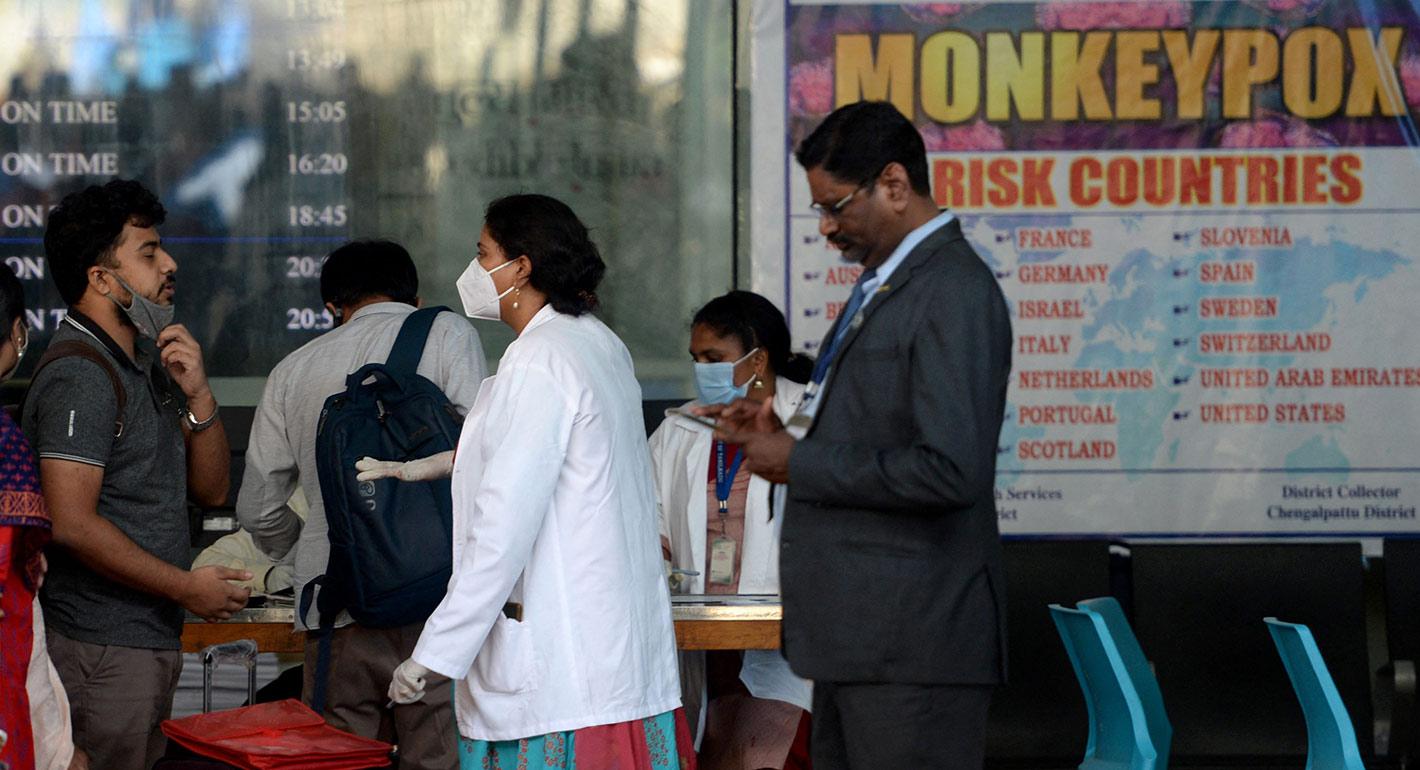
With monkeypox being declared a global health emergency, the WHO approach is an innovative and effective way to curb outbreaks of zoonotic diseases.

Shruti Sharma
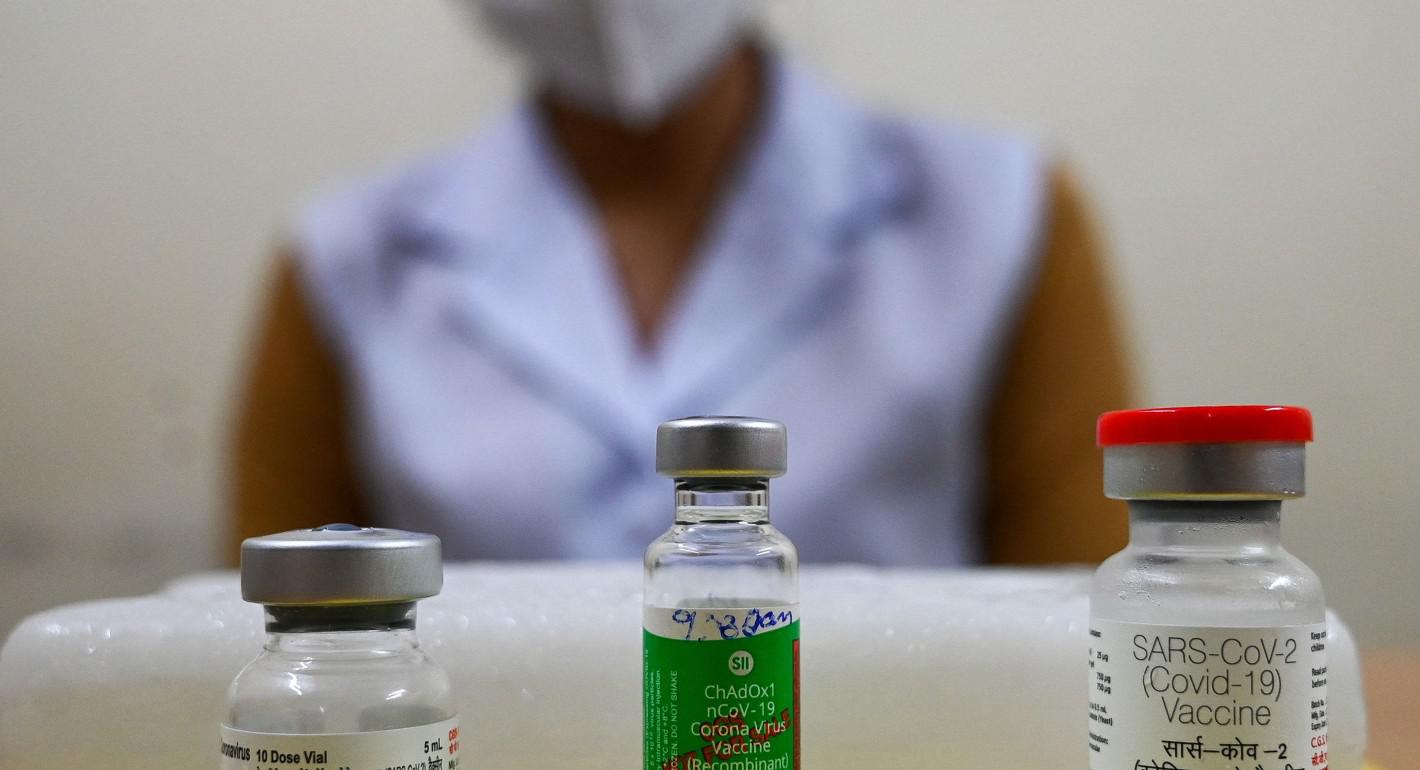
In India, biotechnology has played an important role in helping stakeholders in academia, industry, and government develop new pandemic-related technology, from test kits to respiratory devices. But these biotechnology advancements can go further to strengthen India’s public health capacity.
Shruti Sharma
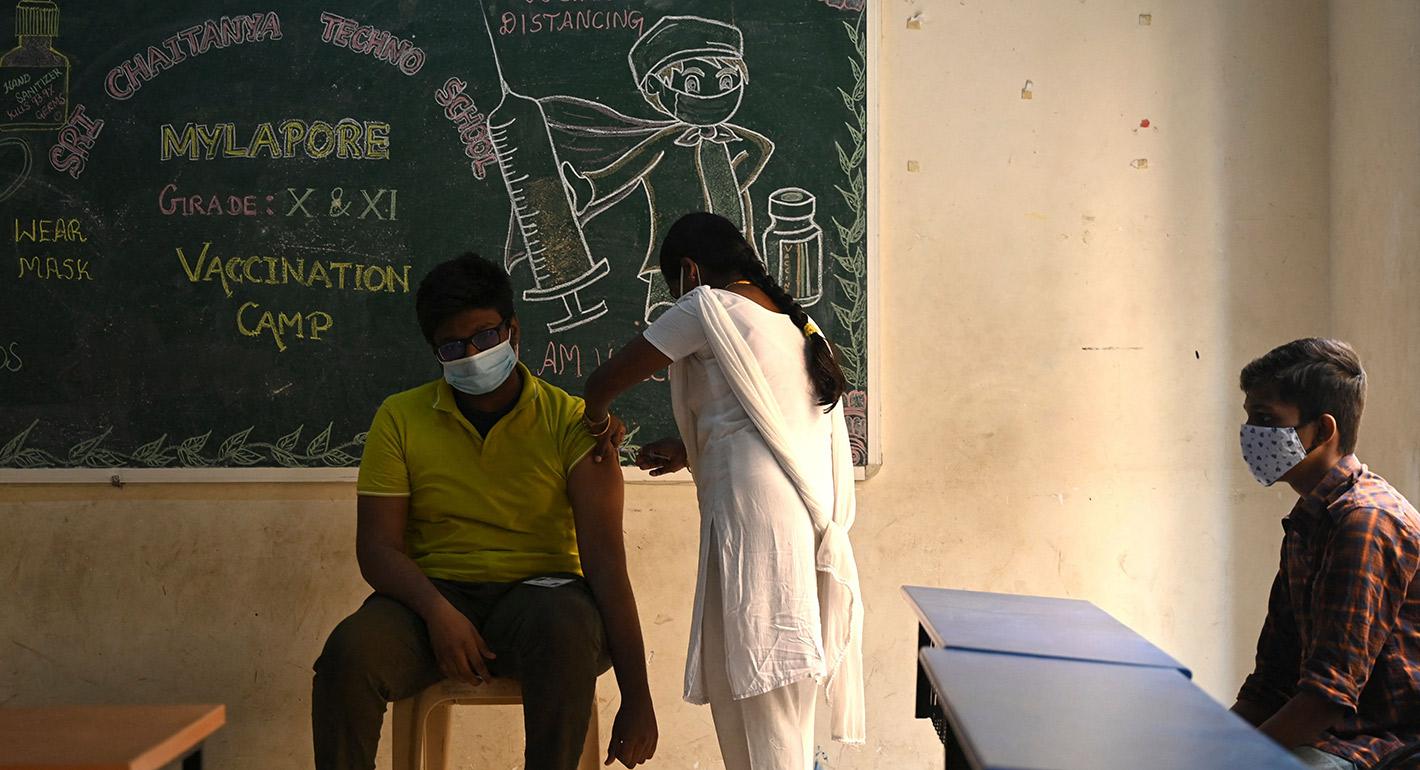
Unless the government can up its communications game, anti-vax movements could prolong India’s pandemic effects.
Shruti Sharma
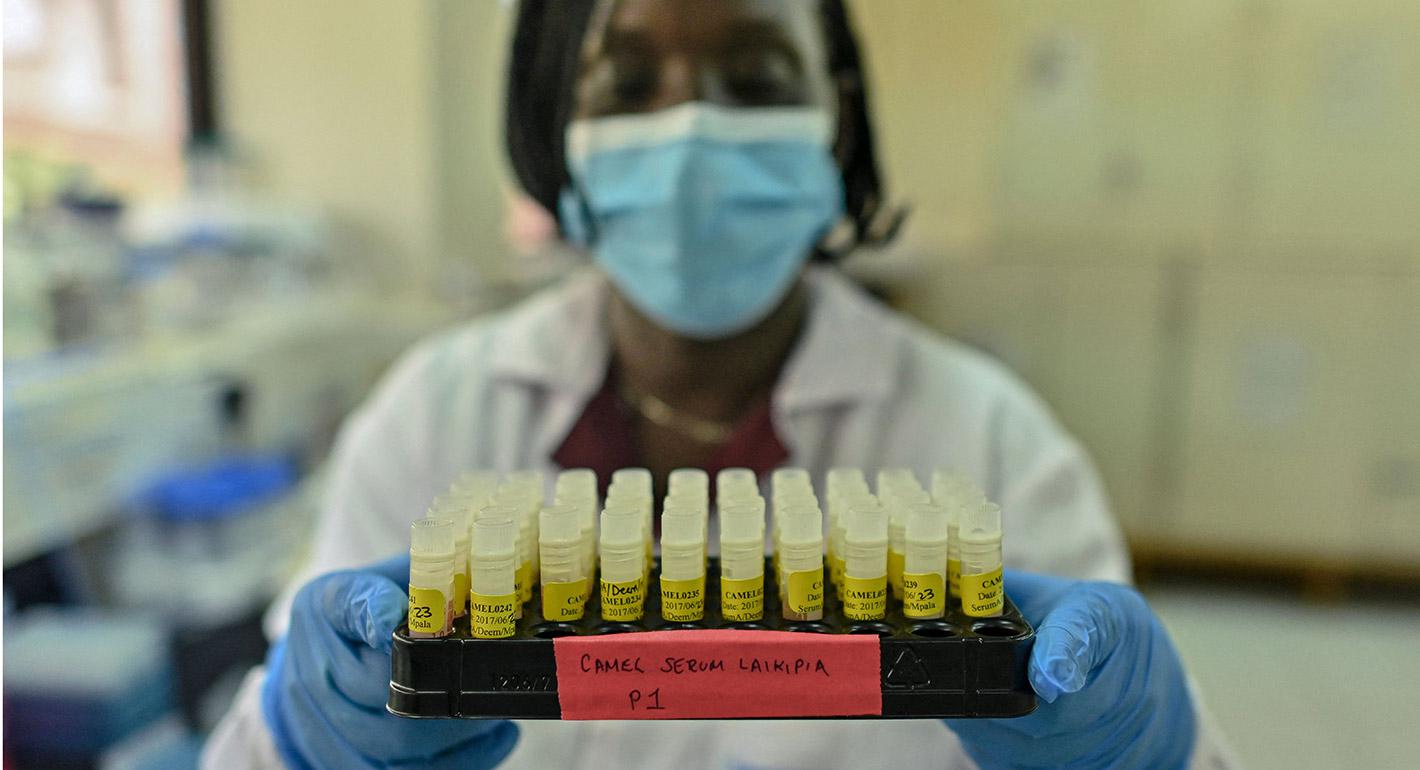
The uncertain origin of the coronavirus has focused attention on gain-of-function research—studying viruses to learn how they spread. How can countries work together to ensure stringent safety standards?
Shruti Sharma