

Paper
Sarah Yerkes, Natalie Triche, Amr Hamzawy
{
  "authors": [
    "Amr Hamzawy"
  ],
  "type": "legacyinthemedia",
  "centerAffiliationAll": "dc",
  "centers": [
    "Carnegie Endowment for International Peace",
    "Malcolm H. Kerr Carnegie Middle East Center"
  ],
  "collections": [],
  "englishNewsletterAll": "menaTransitions",
  "nonEnglishNewsletterAll": "",
  "primaryCenter": "Carnegie Endowment for International Peace",
  "programAffiliation": "MEP",
  "programs": [
    "Middle East"
  ],
  "projects": [],
  "regions": [
    "North Africa",
    "Egypt"
  ],
  "topics": [
    "Political Reform"
  ]
}
Source: Getty
The younger generation of Arab citizens has withdrawn from the public space.
Source: TEDx Talks
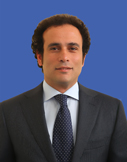
Carnegie's Amr Hamzawy took part of the TEDx Talks during TEDxMidAtlantic. Hamzawy states that in order to provide freedom of speech for all citizens, governments needto have stable institutions and ruling elites that govern based on a democratic mandate. He remarks that these factors were missing during the Arab uprisings. Hamzawy continues to say that in 2011, Egyptians were trying to get their government to listen.
Hamzawy notes that unless a government has popular acceptance it will end up in a relationship of based on fear with its citizens. And when the government puts forward repressive measures the citizens will eventually resist and take to the streets instead of the election booths. Hamzawy points out that during the Arab uprisings, citizens tried to keep their protests non-violent in 2011 and 2012; but in the last 3 years, there was an increase in violence in the Arab world.
He also discusses the younger generation of Arab citizens' use of social media to generate information, express their opinions, and demand change peacefully. He concludes that there is more vibrant dynamism taking place outside of the political sphere as young citizens have realized that change through institutions is not possible.

Director, Middle East Program
Amr Hamzawy is a senior fellow and the director of the Carnegie Middle East Program. His research and writings focus on Egypt’s and other middle powers’ involvement in regional security in the Middle East, particularly through collective diplomacy and multilateral conflict resolution
Recent Work

Sarah Yerkes, Natalie Triche, Amr Hamzawy
Amr Hamzawy
Carnegie India does not take institutional positions on public policy issues; the views represented herein are those of the author(s) and do not necessarily reflect the views of Carnegie, its staff, or its trustees.

A partnership between India, a country of subcontinental size, and Africa, a continent of fifty-four countries, may seem asymmetric until one notes that both are home to nearly the same number of people—1.4 billion. This essay spells out the existing challenges to the partnership, its optimal potential, and the possible pathways to realize it over the next quarter-century.

Rajiv Bhatia
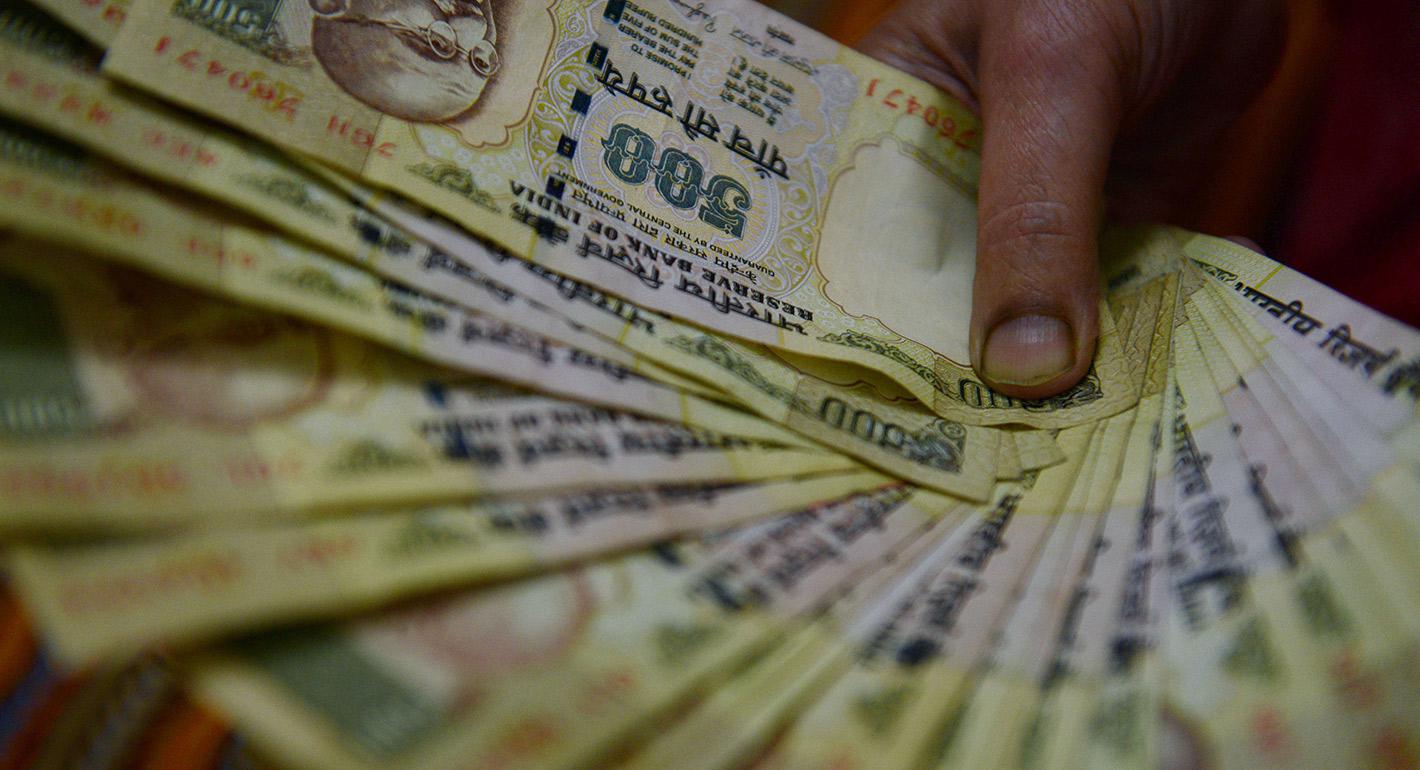
As India’s economy recovers from the coronavirus pandemic, Indian businesses need efficient financial structures to regain their ground. Key reforms to India’s Insolvency and Bankruptcy Code could fill these gaps.

Anirudh Burman

Access to cross-border data is an integral piece of the law enforcement puzzle. India is well placed to lead the discussions on international data agreements subject to undertaking necessary surveillance reforms.
Smriti Parsheera, Prateek Jha
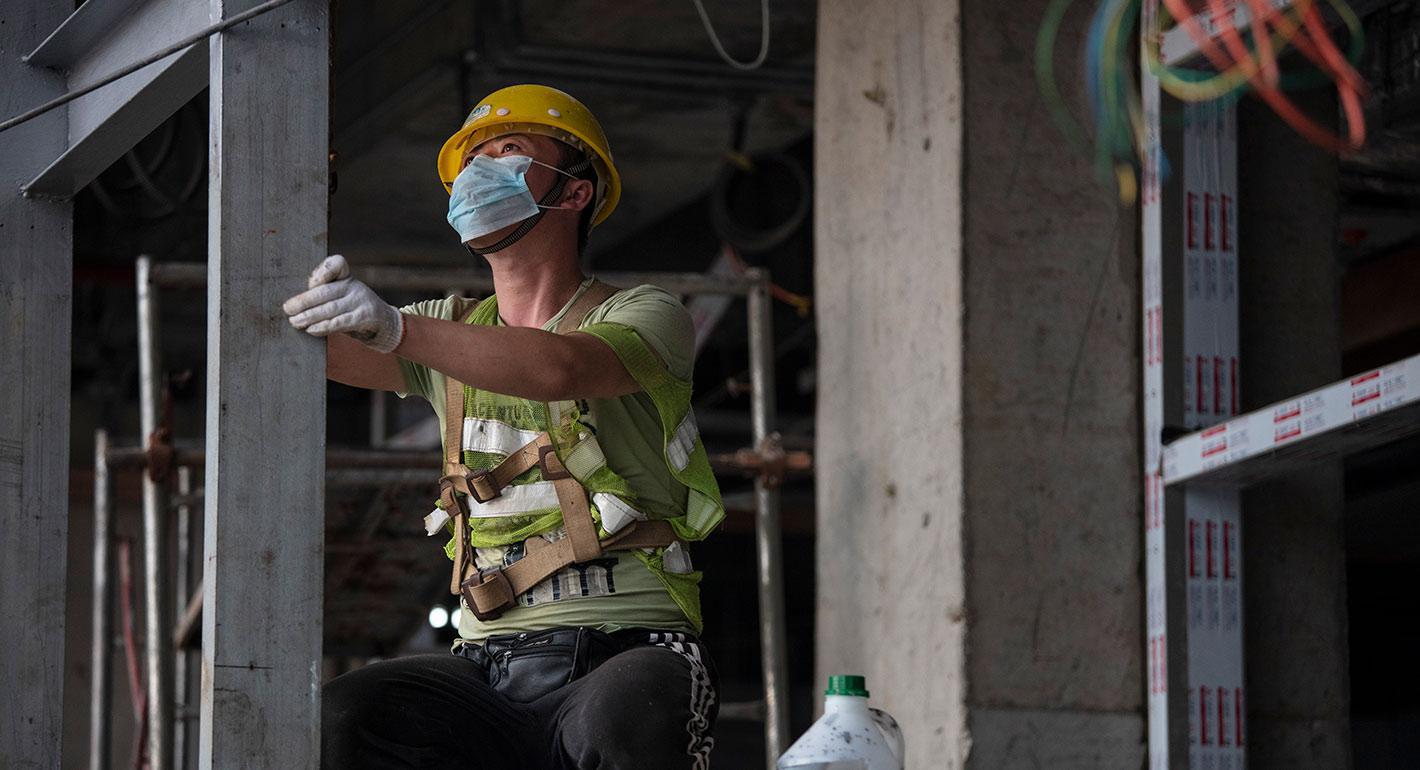
After the coronavirus pandemic wanes, how will China’s reorientation of the Belt and Road Initiative to address global health concerns influence its relationships with South Asian countries?
Deep Pal, Rahul Bhatia
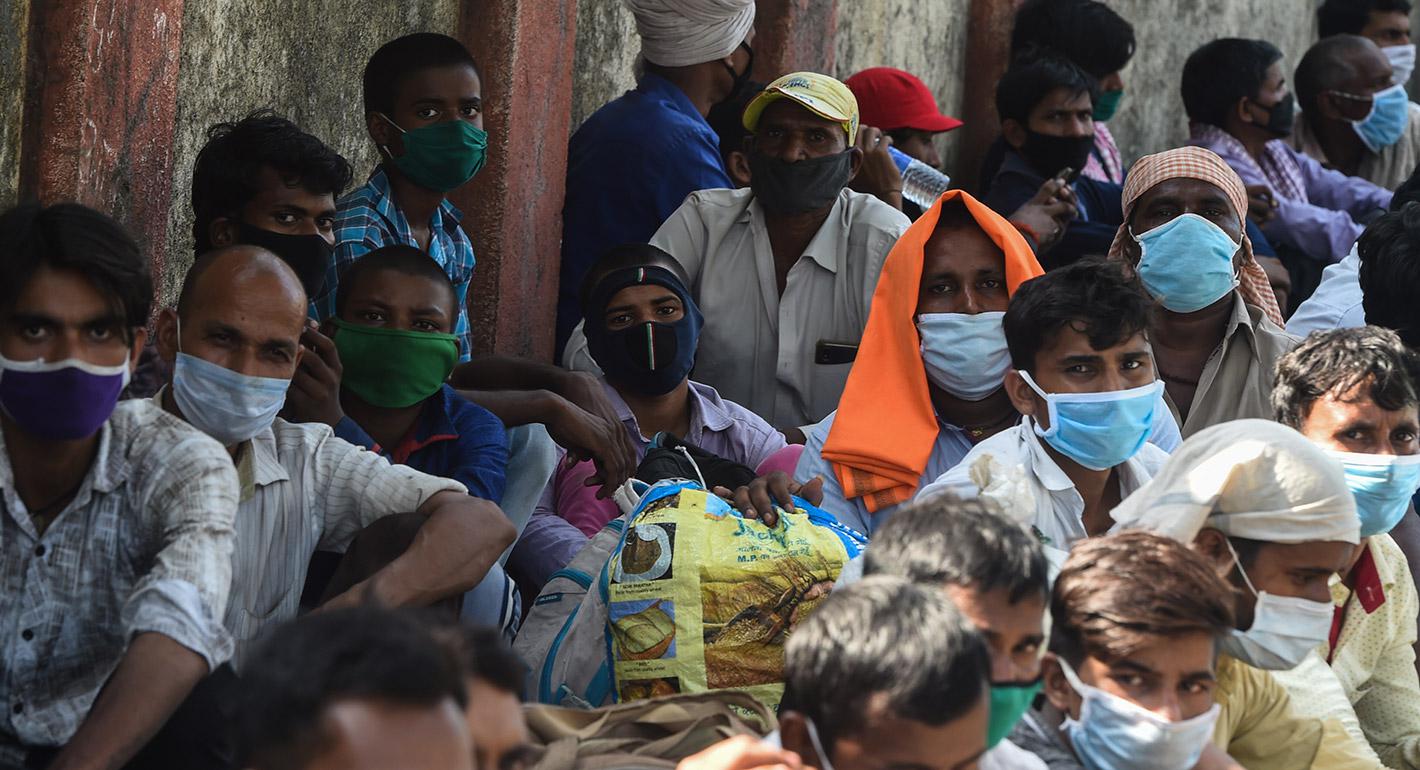
Early in the outbreak, government researchers forecast several high-risk scenarios that were downplayed or ignored in public messaging.
Gautam I. Menon