

Research
- +8
William J. Burns, Michael Chertoff, Catherine Ashton, …
{
  "authors": [
    "William J. Burns"
  ],
  "type": "other",
  "centerAffiliationAll": "",
  "centers": [
    "Carnegie Endowment for International Peace"
  ],
  "collections": [],
  "englishNewsletterAll": "",
  "nonEnglishNewsletterAll": "",
  "primaryCenter": "Carnegie Endowment for International Peace",
  "programAffiliation": "",
  "programs": [],
  "projects": [],
  "regions": [
    "North America",
    "United States",
    "South Asia",
    "India"
  ],
  "topics": [
    "Foreign Policy"
  ]
}
Source: Getty
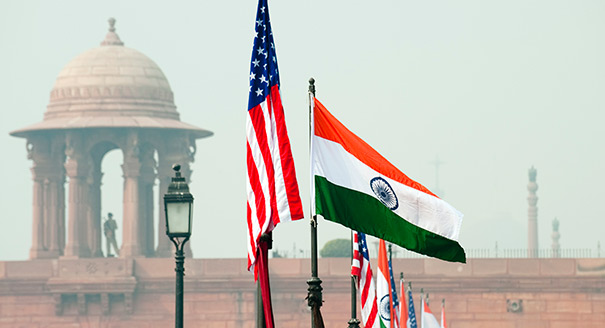
When it comes to India, the Trump administration should look to sustain and deepen the efforts of its Democratic and Republican predecessors to further strengthen the bilateral partnership and put it to work to address shared global challenges.
Source: Times of India
With the White House having announced that US President Donald Trump will be hosting Prime Minister Narendra Modi later this year in Washington, Ambassador William J. Burns, President of Carnegie Endowment for International Peace and former US Deputy Secretary of State, spoke to Nalin Mehta on what New Delhi can expect from the first bilateral Modi-Trump meeting, Indo-US relations and the shifts in US diplomacy:
My strong hope is that when it comes to India, the Trump administration will look to sustain and deepen the efforts of its Democratic and Republican predecessors to further strengthen the bilateral partnership and put it to work to address shared global challenges.
I hope this visit will be used as an action-forcing mechanism to check off a number of important items from our shared to-do list.This includes the purchase of a US fighter for India’s armed forces and other defence cooperation items.
It includes continued progress in the economic sphere, where I believe we still have a long way to go to fully realise the promise of our strategic partnership.
Concluding the Bilateral Investment Treaty would be a significant milestone worthy of a significant effort by both governments.
You are right that beneath the surface, this Trump administration presents a fundamentally different approach to foreign affairs – a profound, and in my view troubling, deviation from the core elements on which American leadership and international order rest.
The United States, for all its imperfections, has stood for political and economic openness, respect for human dignity, and a sense of possibility. We have demonstrated a willingness to mobilise others to deal with shared problems. And we have invested in the institutions at home and abroad that can get ahead of crises and prevent conflict through wise, long-term investments.
To the extent that we walk away from these ideas, initiatives and institutions at the core of American leadership, I fear that we will see serious and long-term damage to America’s standing in the world, and in turn, to the potential for US-India relations.
Much of President Trump’s foreign policy seems to be reverting to the mainstream on first contact with reality, and that includes his approach to the Asia-Pacific.
But it’s clear that the Trump administration believes the United States is being held hostage in many respects by the very international order it created. It seems to see multilateral trade agreements like the Trans-Pacific Partnership as constraints rather than opportunities, and international and regional organisations as distracting, if not irrelevant.
That attitude could undermine our capacity and credibility to work together with India to shape a Pacific Century that reflects our shared interests and values.
I have been deeply impressed by what my colleagues in Delhi have accomplished in such a short time. That is not a result of any imports from Washington or any of our global centres in Beijing, Beirut, Brussels or Moscow. It is a consequence of the fact that Carnegie India is led and staffed by extraordinary Indian experts who have a deep stake and commitment to India’s own domestic and international evolution.
This interview was originally published in the Times of India.
Former Career Diplomat
A former career diplomat, William J. Burns served as director of the CIA, deputy secretary of State, and ambassador to Russia and Jordan. Burns was also president of the Carnegie Endowment for International Peace from 2015 to 2021.
Recent Work
William J. Burns, Michael Chertoff, Catherine Ashton, …
William J. Burns
Carnegie India does not take institutional positions on public policy issues; the views represented herein are those of the author(s) and do not necessarily reflect the views of Carnegie, its staff, or its trustees.

This piece argues that India’s central challenge is not managing a single flashpoint but resolving the underlying tension between expansion and institutional coherency of the BRICS grouping.

Vrinda Sahai
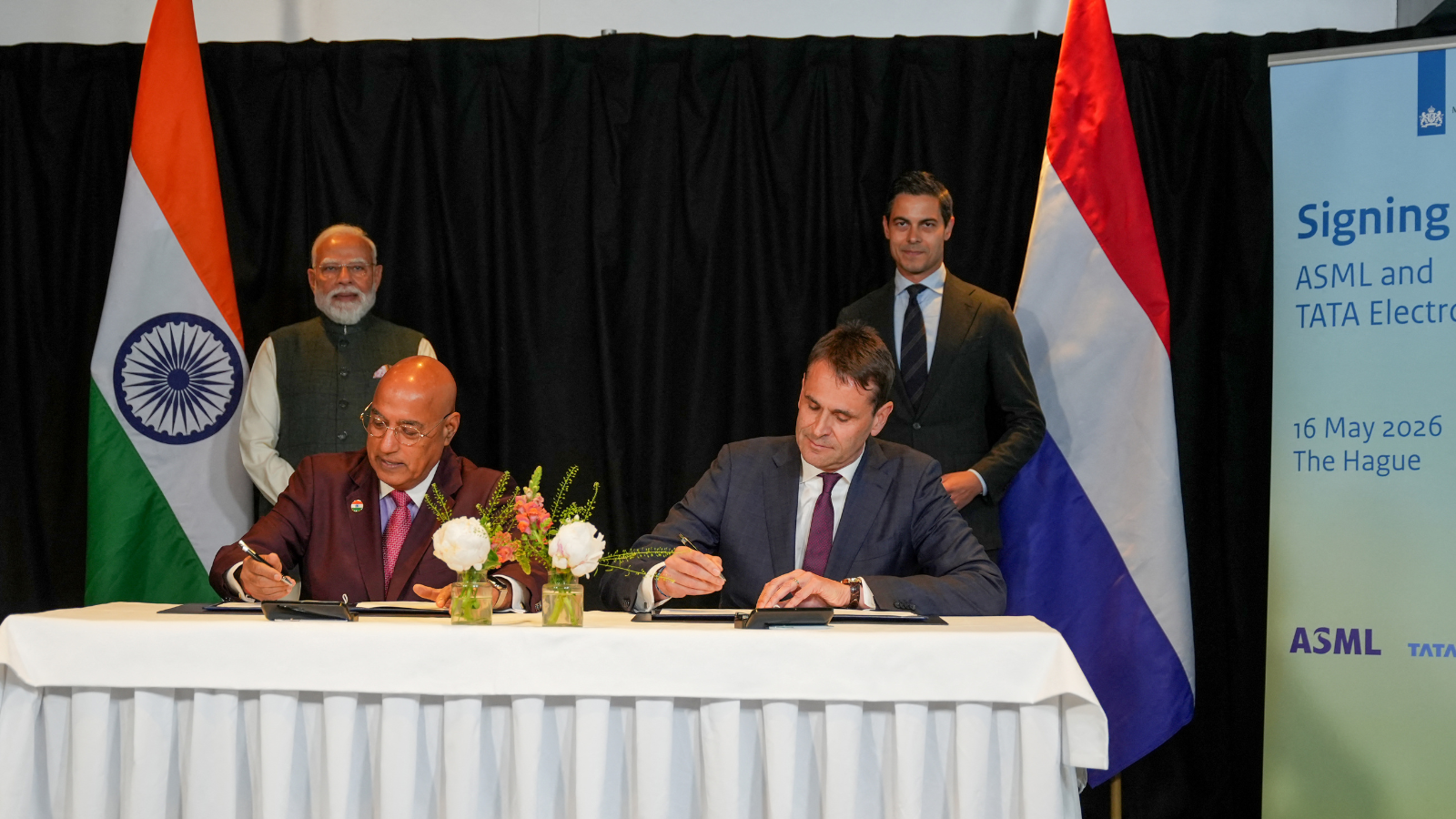
The ASML MoU with Tata Electronics is an indicator of how far the Indian semiconductor ecosystem has come. This ecosystem has been years in the making and represents real commercial logic.

Konark Bhandari
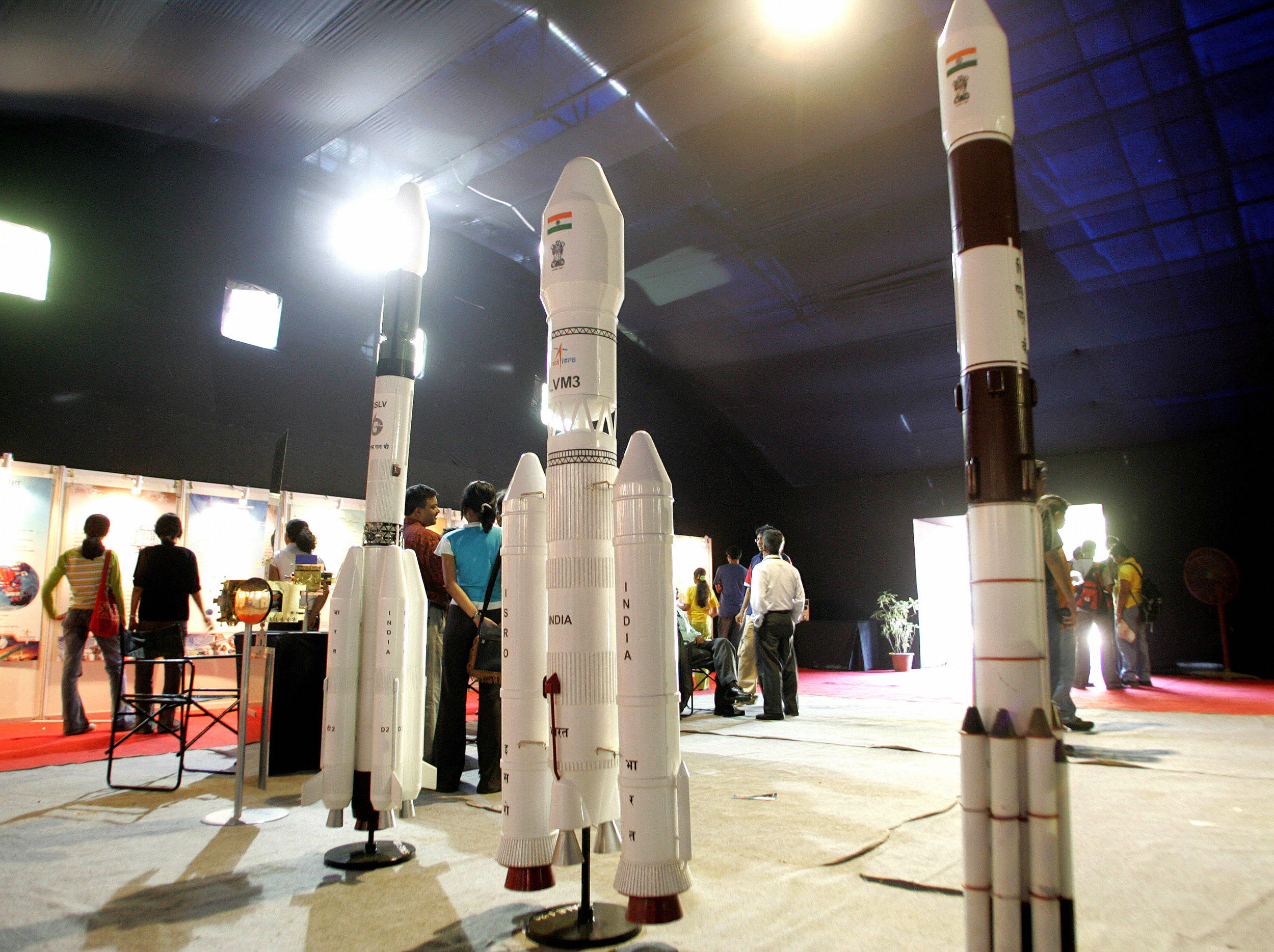
This paper examines the relationship between India’s evolving space policy and the corresponding growth in private space ventures. It analyzes both the enabling factors created by recent regulatory changes and the persistent challenges facing entrepreneurs in this capital-intensive, highly regulated industry.
Harshan Vazhakunnam

A partnership between India, a country of subcontinental size, and Africa, a continent of fifty-four countries, may seem asymmetric until one notes that both are home to nearly the same number of people—1.4 billion. This essay spells out the existing challenges to the partnership, its optimal potential, and the possible pathways to realize it over the next quarter-century.

Rajiv Bhatia

The U.S.–India semiconductor cooperation story is well-stocked with top-level strategic intent. What remains unresolved, however, are some underlying challenges that will determine whether the cooperation actually functions. Three such friction points stand out.

Shruti Mittal