

Research
- +5
Alper Coşkun, Fatih Ceylan, Tacan İldem, …
{
  "authors": [
    "Sinan Ülgen"
  ],
  "type": "legacyinthemedia",
  "centerAffiliationAll": "dc",
  "centers": [
    "Carnegie Endowment for International Peace",
    "Carnegie Europe"
  ],
  "collections": [
    "Turkey’s Transformation"
  ],
  "englishNewsletterAll": "ctw",
  "nonEnglishNewsletterAll": "",
  "primaryCenter": "Carnegie Europe",
  "programAffiliation": "EP",
  "programs": [
    "Europe"
  ],
  "projects": [],
  "regions": [
    "Europe",
    "Türkiye",
    "Middle East",
    "Iran"
  ],
  "topics": [
    "Political Reform"
  ]
}
Source: Getty
Can Turkey’s divided political opposition mount a meaningful, unified challenge to President Recep Tayyip Erdogan’s political hegemony?
Source: Project Syndicate
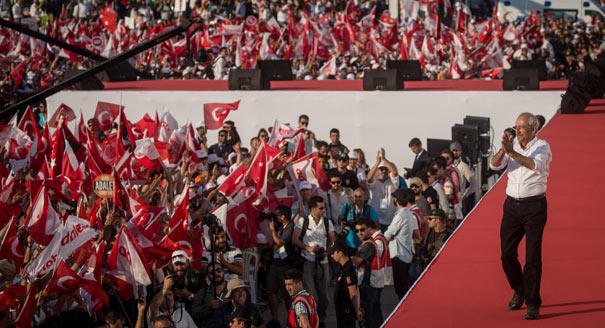
In Turkey, where President Recep Tayyip Erdoğan’s government has been working to centralize political power, opposition parties have lately had few reasons to be optimistic. This month’s massive rally in Istanbul was a rare exception.
On July 9, after walking for 25 days from the capital, Ankara, Turkey’s main opposition leader, Kemal Kiliçdaroğlu, urged supporters to resist the decline in democratic freedoms. “We will be breaking down the walls of fear,” Kiliçdaroğlu told a crowd of hundreds of thousands. “The last day of our justice march is a new beginning, a new step.” The question now is whether Turkey’s divided political opposition can move beyond rhetoric, and mount a meaningful, unified challenge to Erdoğan’s political hegemony.
The party that Kiliçdaroğlu leads, the Republican People’s Party (CHP), commands a high level of support from Turks frustrated by Erdoğan’s majority rule. But in Turkey’s constrained political environment, and with a popular if polarizing president still at the helm, opposition leaders will face a difficult struggle to maintain the momentum they have established.
When I spoke with Kiliçdaroğlu a few days before his arrival in Istanbul, as he approached the city limits, he sounded as surprised as anyone by the protest’s size, and was keenly aware of the difficulties that loomed. The march was an unplanned reaction to the arrest of Enis Berberoğlu, a former editor-in-chief of the mainstream Hürriyet newspaper, and a CHP member of parliament.
But the march’s more concrete objectives, like its route, became known only after the 450-kilometer (280-mile) protest got underway. By the time Kiliçdaroğlu arrived in Istanbul, marchers were calling for economic equity, educational opportunity, gender equality, and a guarantee of non-discrimination on the basis of ethnicity, religion, or cultural identity. Kiliçdaroğlu, meanwhile, said his goal was the complete remodeling of the Turkish state, with clear limits on executive authority by a re-empowered parliament, an impartial judiciary, and a free media. Forging a coherent political platform from such a diverse array of objectives will test the CHP leadership.
In recent years, spontaneous demonstrations like the one just completed have not delivered the reforms participants have sought. In May 2013, for example, huge crowds gathered to challenge the government’s plans to develop Istanbul’s Gezi Park; the demonstrations ended with no real political impact. A similar outcome is possible this time.
Nonetheless, polling numbers seem to suggest that the public is increasingly behind Kiliçdaroğlu. According to a survey published by Research Istanbul on the day of the rally, support for the march was 43%, which is about 17 percentage points higher than the CHP’s approval ratings. In other words, CHP marchers drew support from outside their base, a sign of Turkey’s deepening disillusionment with the status quo.
Supporters included members of the pro-Kurdish People’s Democratic Party (HDP), 83% of whom approved of the protest. It even resonated with members of Erdoğan’s own Justice and Development Party (AKP); 10% of AKP members surveyed said they supported the march’s objectives.
With his unexpected, unplanned civil disobedience, Kiliçdaroğlu seems to have consolidated his role as the leader of a larger, somewhat fragmented, opposition. In the year since last July’s failed coup, the government’s inevitable but overly heavy-handed response has alienated many Turks. With emergency rule still in effect, a growing segment of the public, it seems, is receptive to the opposition’s calls to strengthen the rule of law.
Erdoğan’s narrow victory in April’s constitutional referendum, which granted the president sweeping new powers to dissolve Parliament, issue decrees, and unilaterally appoint judges, deepened the opposition’s resolve. But it also helped push more Turks into the opposition’s embrace. According to a Research Istanbul survey, among those who voted “no” to the referendum, 85% stood with Kiliçdaroğlu marchers. Tellingly, 7% of those who voted “yes” did as well.
It is too early to speculate whether Kiliçdaroğlu’s march will have a lasting impact on Turkey’s political direction. But, at the very least, it has reframed expectations for the country’s next presidential election, now scheduled for November 2019. But even with the modest gains made earlier this month, Erdoğan remains a formidable opponent, and there is still a long road to walk if Kiliçdaroğlu’s “new beginning” for Turkey is to be realized.

Senior Fellow, Carnegie Europe
Sinan Ülgen is a senior fellow at Carnegie Europe in Brussels, where his research focuses on Turkish foreign policy, transatlantic relations, international trade, economic security, and digital policy.
Recent Work

Alper Coşkun, Fatih Ceylan, Tacan İldem, …
Carnegie India does not take institutional positions on public policy issues; the views represented herein are those of the author(s) and do not necessarily reflect the views of Carnegie, its staff, or its trustees.
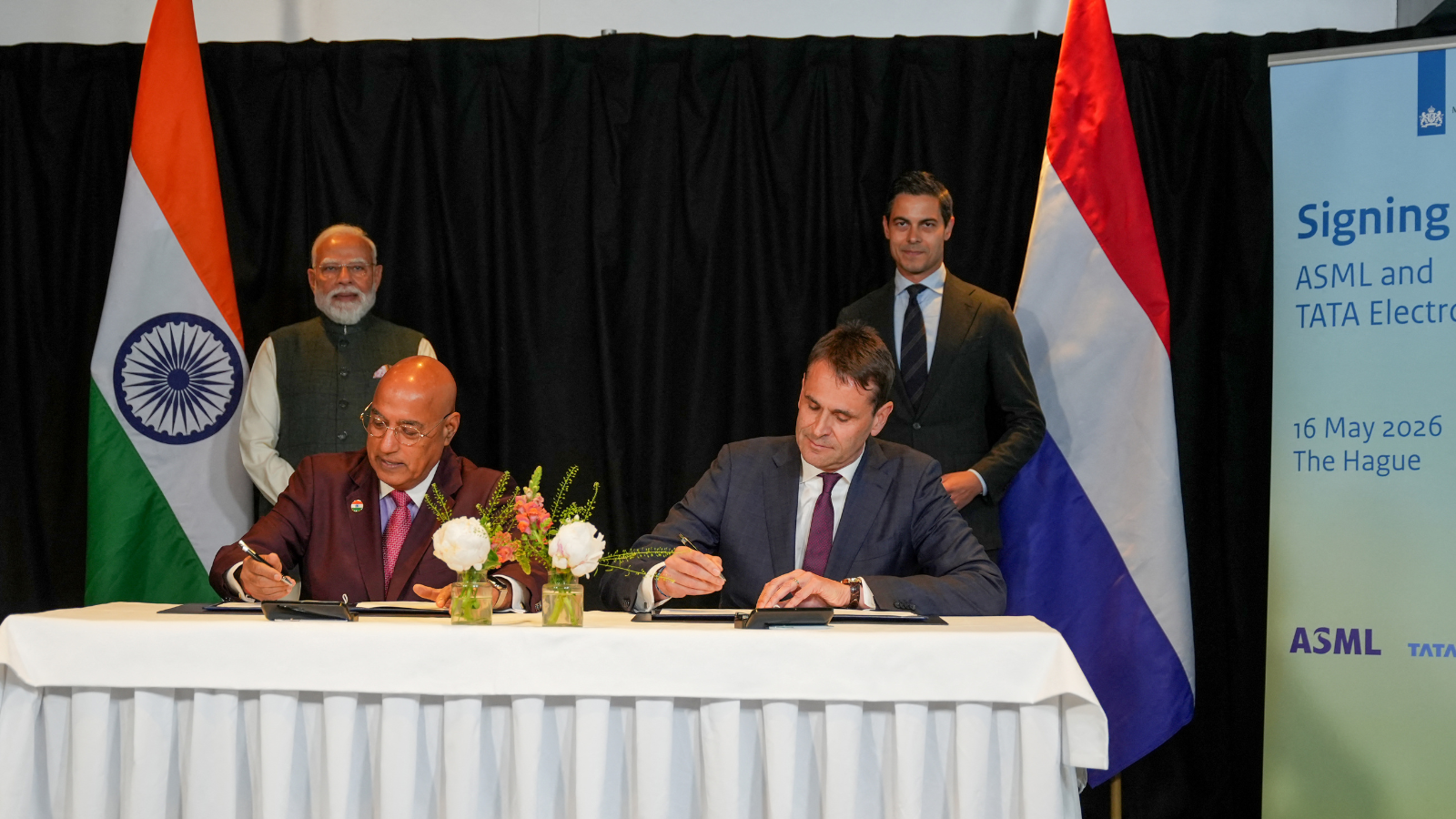
The ASML MoU with Tata Electronics is an indicator of how far the Indian semiconductor ecosystem has come. This ecosystem has been years in the making and represents real commercial logic.

Konark Bhandari

The India–EU Free Trade Agreement (FTA) is shaping up to be one of the most consequential trade negotiations, both economically and strategically. But, what’s in the agreement, what’s missing, and what will determine its success in the years ahead

Vrinda Sahai, Nicolas Köhler-Suzuki
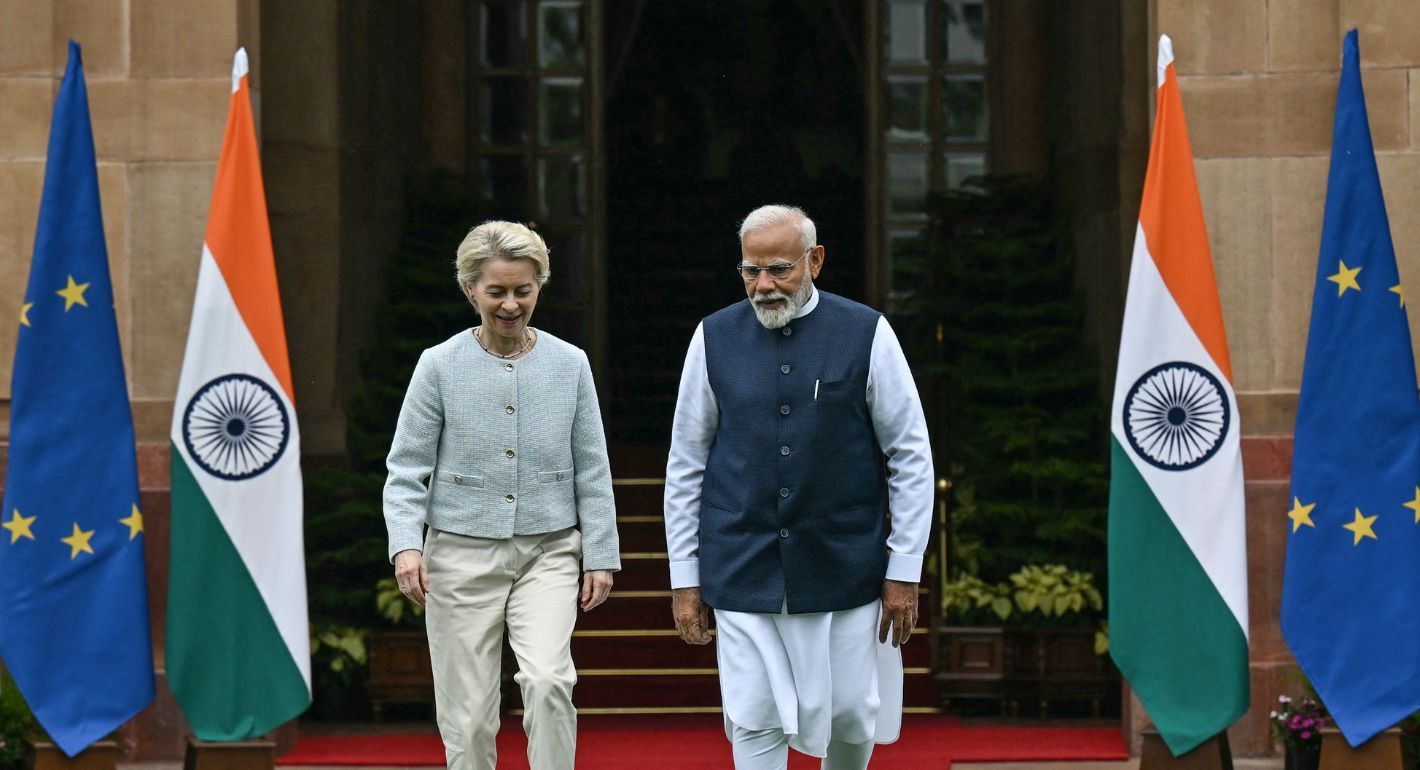
This article argues that the geopolitical circumstances have never been more conducive, not merely for the early conclusion of the free trade agreement (FTA) between India and the EU, but also for crafting a substantive and comprehensive strategic partnership.
Mohan Kumar
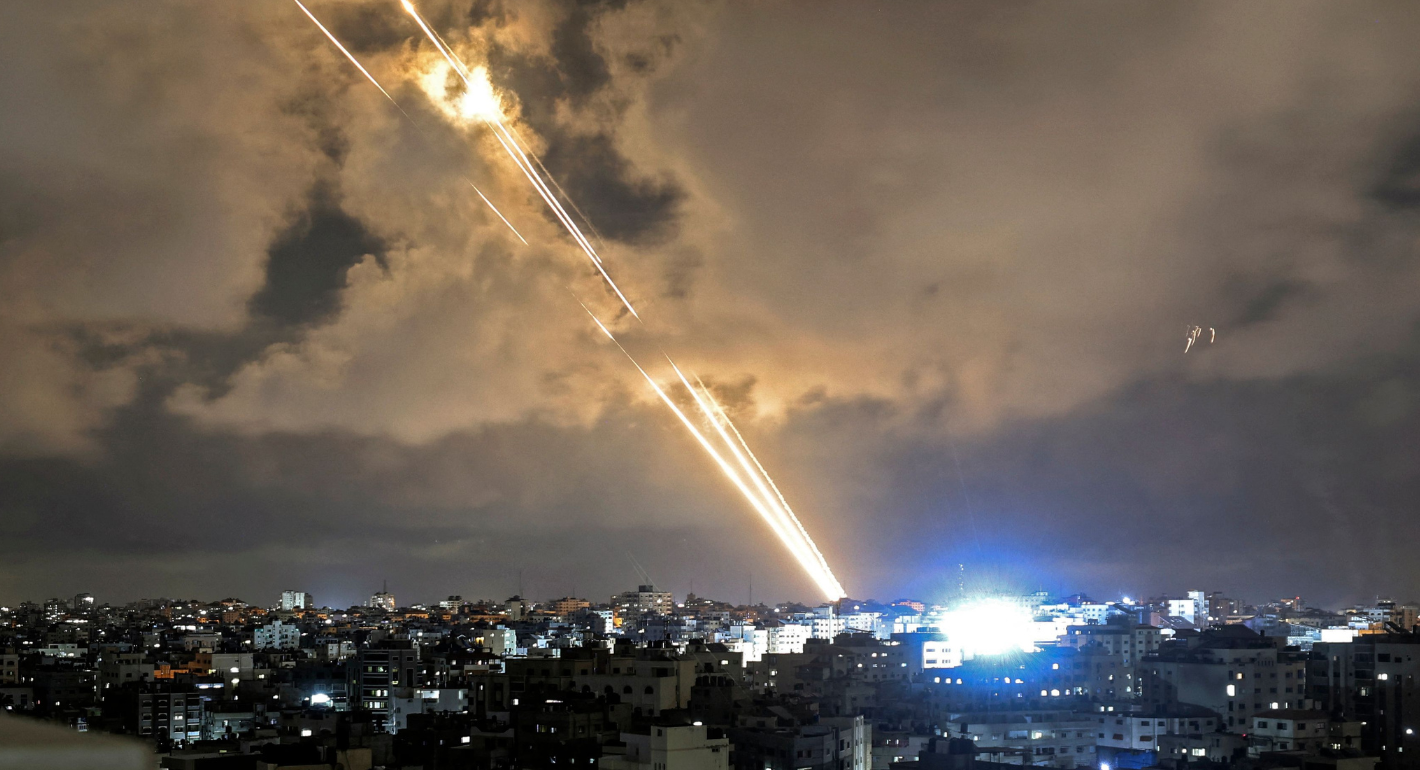
An Israeli response to Iran’s October 1 attack is imminent. The key question is of its intensity and potential fallout, both within Iran, in terms of nuclear security policy changes, and across the broader region. The coming days are likely to reshape West Asia irreversibly.
Gaddam Dharmendra
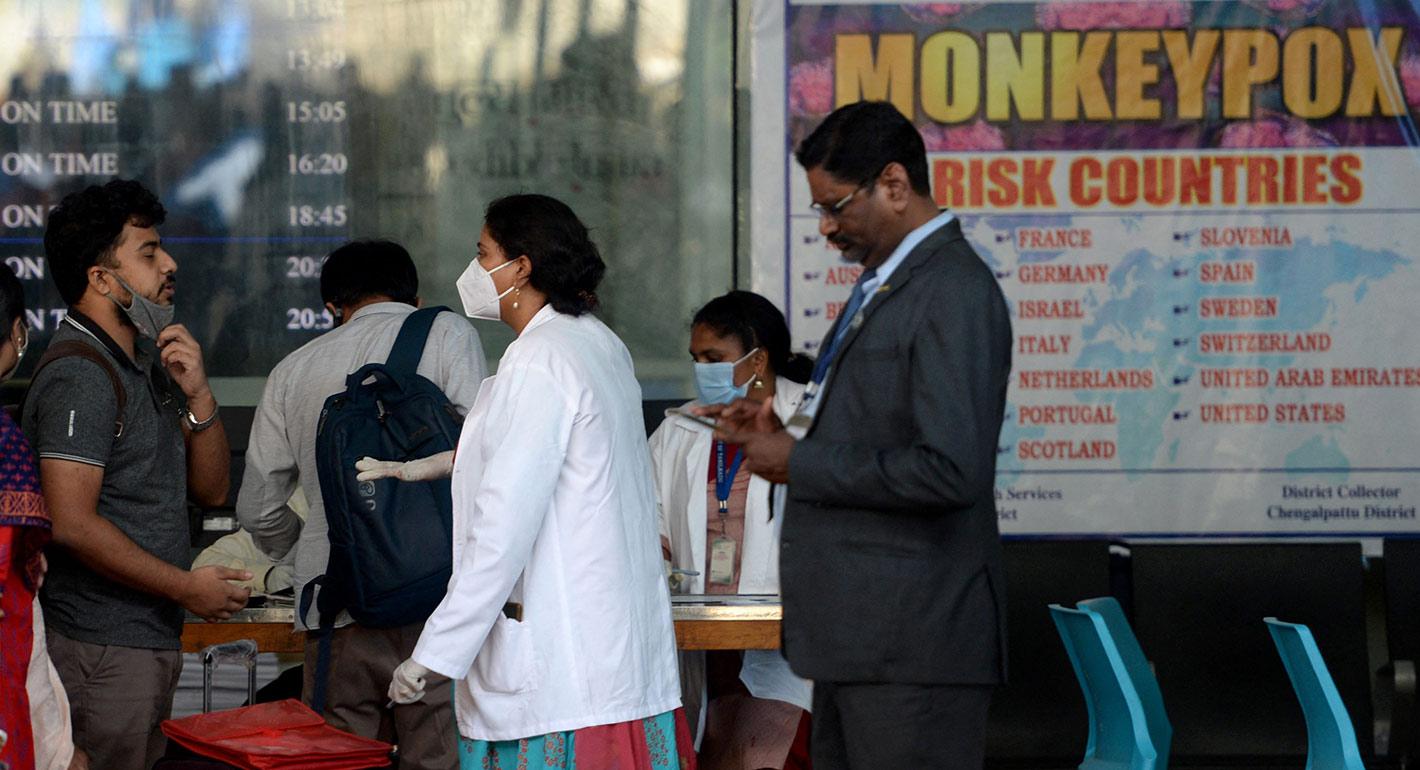
With monkeypox being declared a global health emergency, the WHO approach is an innovative and effective way to curb outbreaks of zoonotic diseases.

Shruti Sharma