

Q&A
Suzanne Maloney, Aaron David Miller, Karim Sadjadpour
{
  "authors": [
    "Karim Sadjadpour"
  ],
  "type": "legacyinthemedia",
  "centerAffiliationAll": "dc",
  "centers": [
    "Carnegie Endowment for International Peace",
    "Malcolm H. Kerr Carnegie Middle East Center"
  ],
  "collections": [],
  "englishNewsletterAll": "menaTransitions",
  "nonEnglishNewsletterAll": "",
  "primaryCenter": "Carnegie Endowment for International Peace",
  "programAffiliation": "MEP",
  "programs": [
    "Middle East"
  ],
  "projects": [],
  "regions": [
    "Middle East",
    "Iran",
    "Saudi Arabia",
    "Gulf"
  ],
  "topics": [
    "Political Reform",
    "Democracy",
    "Security"
  ]
}
Source: Getty
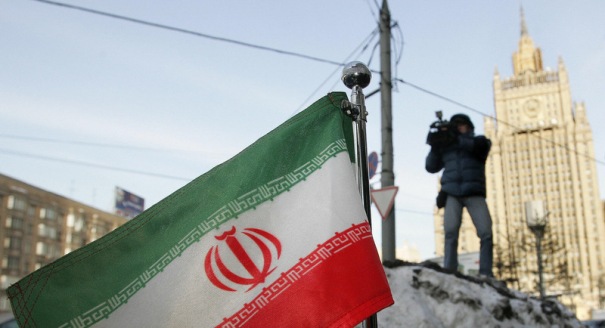
The Saudi-Iran rivalry for preeminence in the Middle East is more likely to escalate rather than deescalate in the coming years.
Source: Axios
The Saudi-Iran rivalry is less an ancient religious conflict and more a modern geopolitical proxy war cloaked in ethnic (Arab vs. Persian) and sectarian (Sunni vs. Shia) garb. The two countries are on opposing sides of horrific conflicts—in Syria, Yemen, and Iraq—that have caused over a million civilian casualties, the greatest refugee crisis since WWII, and the proliferation of Sunni Jihadist groups such as ISIS and Shiite militias to counter them.
The most powerful man in each country—78-year-old Iranian Supreme Leader Ayatollah Ali Khamenei and 31-year-Saudi Crown Prince Mohammed bin Salman (MBS)—are a study in contrasts. Khamenei is a deeply traditional cleric who cautiously rules a predominantly modern society; MBS has a modern outlook and bold ambitions but presides over a deeply traditional society.
The bottom line: Khamenei's death has been anticipated for over a decade, but it's equally plausible he and MBS will spend the next decade vying for preeminence in the Middle East. The cynicism of an autocrat who has ruled for 28-years, coupled with the assertiveness of a young leader eager to prove himself, means their rivalry is more likely to escalate rather than deescalate.

Senior Fellow, Middle East Program
Karim Sadjadpour is a senior fellow at the Carnegie Endowment for International Peace, where he focuses on Iran and U.S. foreign policy toward the Middle East.
Recent Work


Suzanne Maloney, Aaron David Miller, Karim Sadjadpour

Aaron David Miller, Karim Sadjadpour, Robin Wright
Carnegie India does not take institutional positions on public policy issues; the views represented herein are those of the author(s) and do not necessarily reflect the views of Carnegie, its staff, or its trustees.

In any defense establishment, change is an ongoing process. However, despite the best of intentions, existing bureaucracies, bound by habit and years of socialization, have their limits in implementing transformative change.

Anit Mukherjee

After the chill in ties between 2020 and 2024 that brought India–China relations to their lowest point in several decades, the two countries have engaged each other afresh. This paper argues that there are predominantly four imperatives guiding India’s approach to China, and they exist in an order of priority.

Saheb Singh Chadha

This piece argues that the present Indian strategy, based on opportunistic diversification and utilization of limited strategic reserves, remains inadequate when confronting supply disruptions. It evaluates India’s options in the short, medium, and long terms.

Vrinda Sahai

This piece examines India’s response to U.S. sanctions and tariffs, specifically assessing the immediate market consequences, such as alterations in import costs, and the broader strategic implications for India’s energy security and foreign policy orientation.
Vrinda Sahai
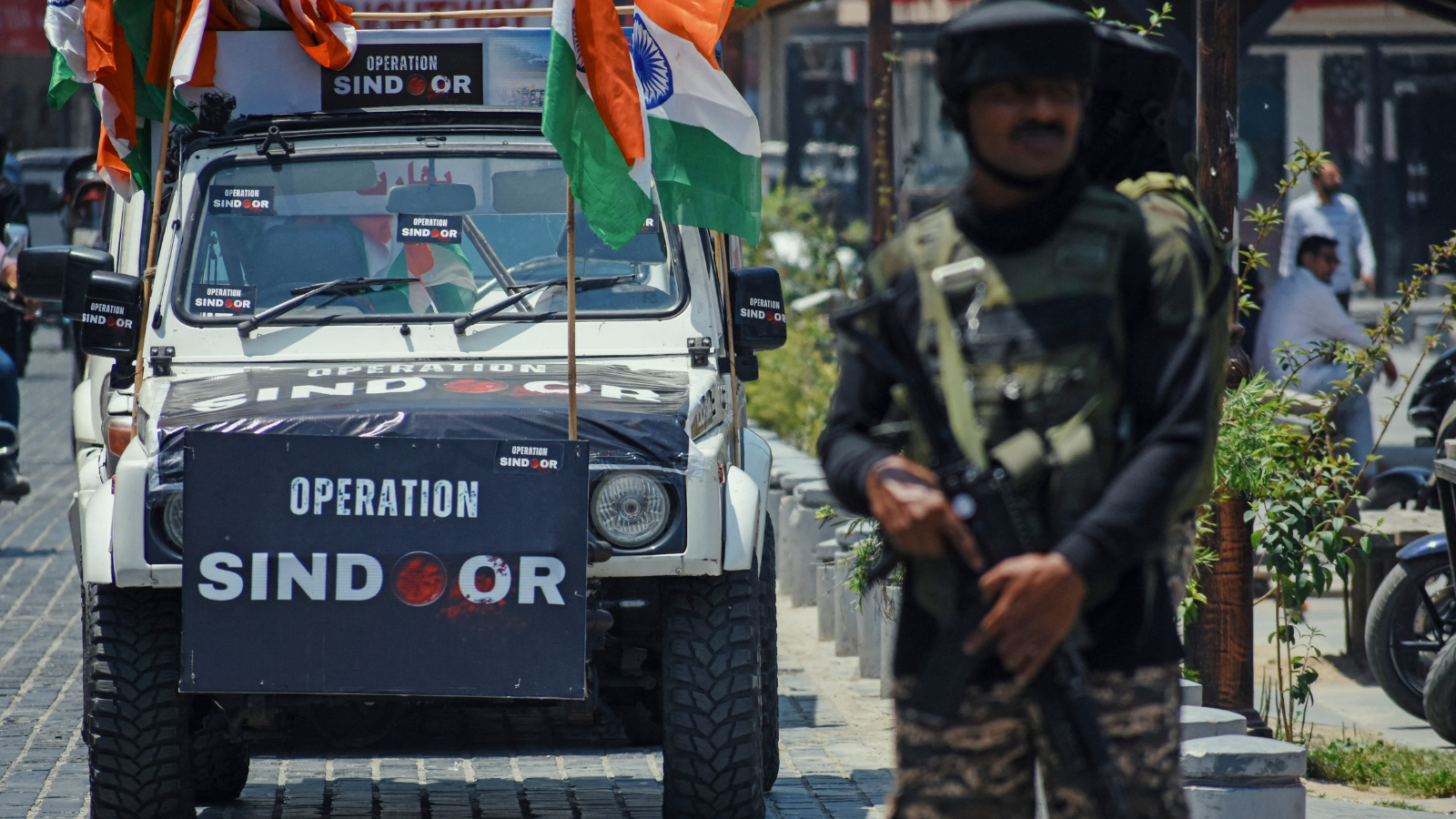
The India-Pakistan conflict that played out between May 6 and May 10, 2025, offers several military lessons. This article presents key takeaways from Operation Sindoor and breaks down how India’s preparations shaped the outcome and what more is needed to strengthen future readiness.
Dinakar Peri