

Report
- +2
George Perkovich, Jessica Tuchman Mathews, Joseph Cirincione, …
{
  "authors": [
    "Jon Wolfsthal"
  ],
  "type": "other",
  "centerAffiliationAll": "dc",
  "centers": [
    "Carnegie Endowment for International Peace"
  ],
  "collections": [
    "Korean Peninsula"
  ],
  "englishNewsletterAll": "ctw",
  "nonEnglishNewsletterAll": "",
  "primaryCenter": "Carnegie Endowment for International Peace",
  "programAffiliation": "NPP",
  "programs": [
    "Nuclear Policy"
  ],
  "projects": [],
  "regions": [
    "East Asia",
    "North Korea"
  ],
  "topics": [
    "Nuclear Policy",
    "Arms Control"
  ]
}
Source: Getty
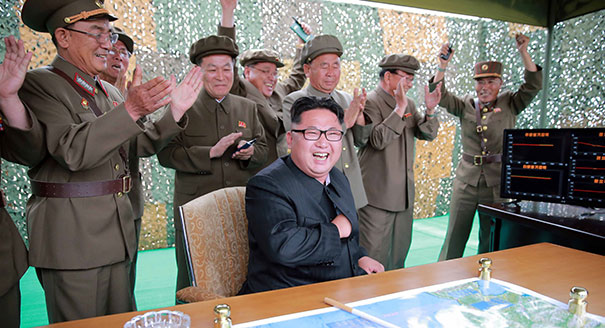
Kim Jong Un is likely to view President Trump much like his predecessors—as a president who doesn’t like North Korea’s nuclear capabilities but with few realistic options for stopping it.
Source: Politico
Most Americans think North Korea is a crazy place, led by a crazy man bent on global destruction. This view, of course, is almost completely wrong and explains in part why the current public discussion about what to do with a nuclear North Korea is so unsatisfying. Far from crazy, Kim Jong Un has been methodical and careful enough in advancing his nuclear and missile programs to suggest that he is deterred by America’s overwhelming military capabilities, and at the very least is not eager to spark a military conflict—at least not yet.
But what does Kim think of us? If we are going to continue to rely, as we have for decades, on deterrence to prevent a major conflict on the Korean Peninsula, it helps to know both a little about who we are trying to deter and what our deterrence partner thinks about America. As a senior director in the Obama White House charged with coordinating nonproliferation policy, I thought about this question a lot as we tried to ensure our actions and words intended to influence North Korea would send the right deterrent and diplomatic messages to Pyongyang.
This article was originally published in Politico
Former Nonresident Scholar, Nuclear Policy Program
Jon Wolfsthal was a nonresident scholar with the Nuclear Policy Program.
Recent Work


George Perkovich, Jessica Tuchman Mathews, Joseph Cirincione, …
Jon Wolfsthal
Carnegie India does not take institutional positions on public policy issues; the views represented herein are those of the author(s) and do not necessarily reflect the views of Carnegie, its staff, or its trustees.

This piece examines the strategic implications of Bhutan’s diplomatic efforts amid its border dispute with China, highlighting the thin ice it walks on to achieve a resolution without compromising its vital relationships.

Shibani Mehta
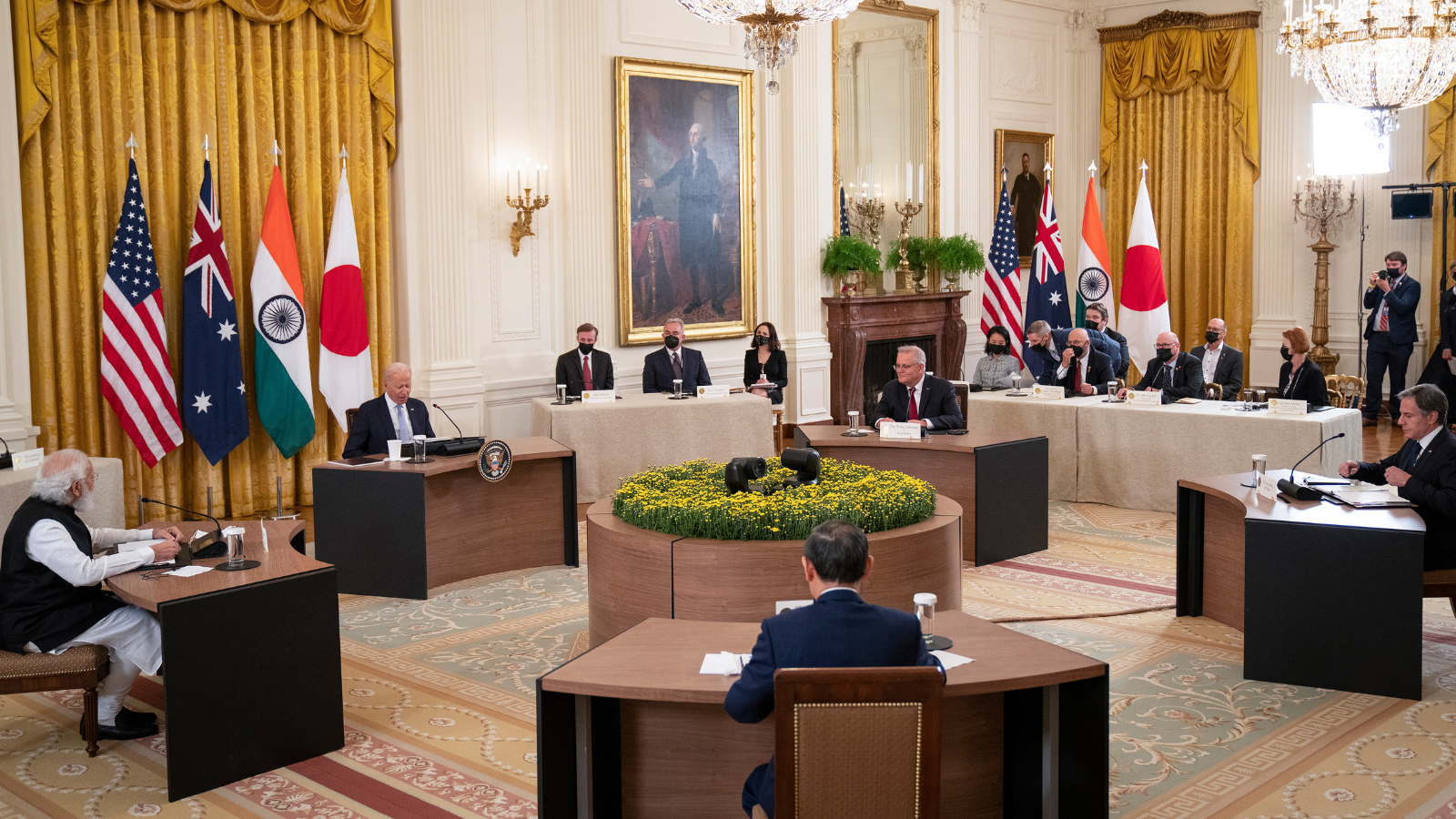
With India set to host the sixth Quad Leaders' Summit in 2024, there is every opportunity for this minilateral to not only develop a DPI initiative but also execute pilots in the Indo-Pacific. This essay shares a rationale for how the four Quad countries could achieve this goal.


Rudra Chaudhuri, Aadya Gupta
How can India navigate export control measures at a time when it is also entering into technology-centric partnerships with other nations to secure enhanced access to advanced technology?

Konark Bhandari
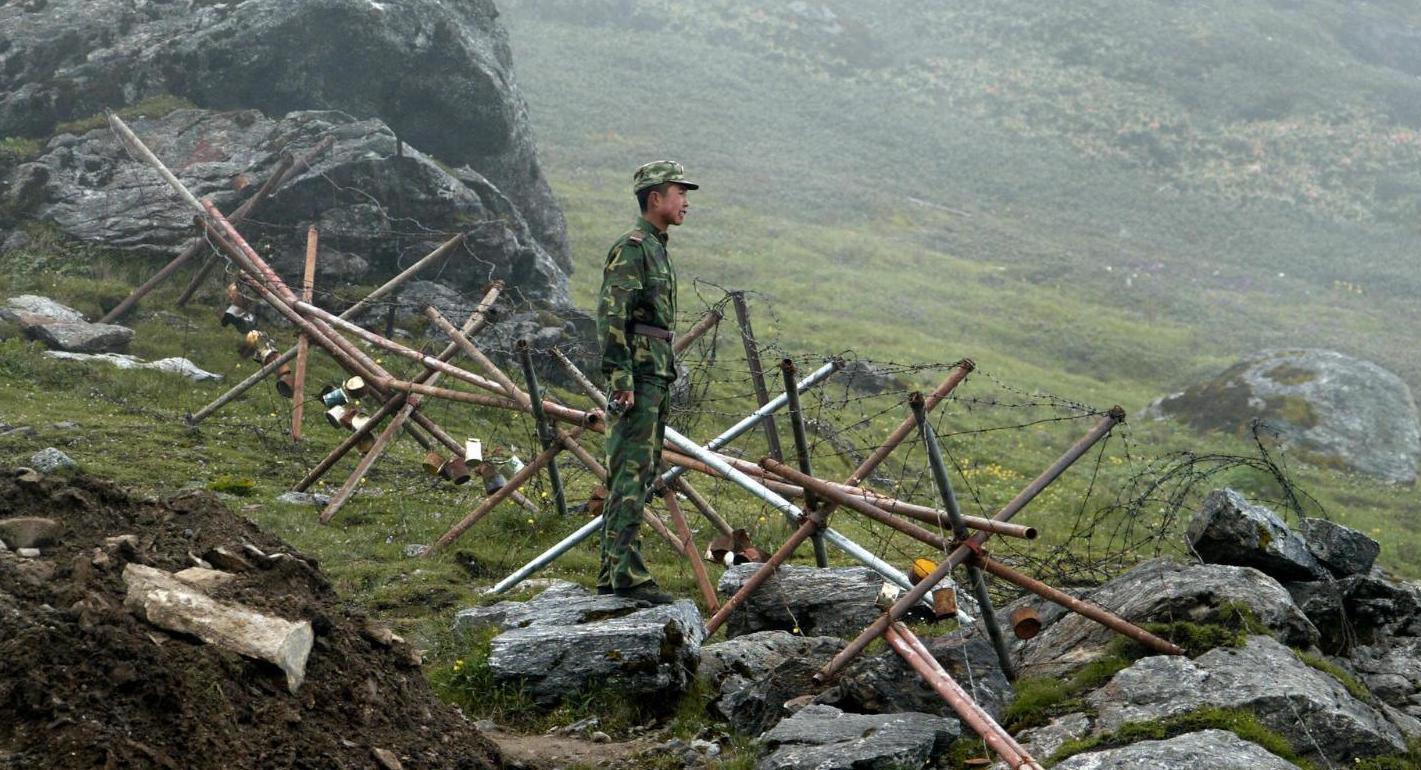
This article examines the significance of the 2013, 2014, and 2015 border standoffs between India and China. It presents a detailed account of the border crises and how the two countries tried to manage them.
Shibani Mehta
Contrary to some recent analyses, this commentary explains why a strategic détente between India and China is unlikely.

Saheb Singh Chadha