

Article
The final report by the Group of Governmental Experts is a key milestone toward a potential instrument regulating Lethal Autonomous Weapons Systems and has garnered both accolades and criticism.
Charukeshi Bhatt
{
  "authors": [
    "Neil Noronha"
  ],
  "type": "legacyinthemedia",
  "centerAffiliationAll": "",
  "centers": [
    "Carnegie Endowment for International Peace",
    "Carnegie India"
  ],
  "collections": [],
  "englishNewsletterAll": "",
  "nonEnglishNewsletterAll": "",
  "primaryCenter": "Carnegie India",
  "programAffiliation": "",
  "programs": [],
  "projects": [],
  "regions": [
    "India"
  ],
  "topics": [
    "Domestic Politics",
    "Economy"
  ]
}
Source: Getty
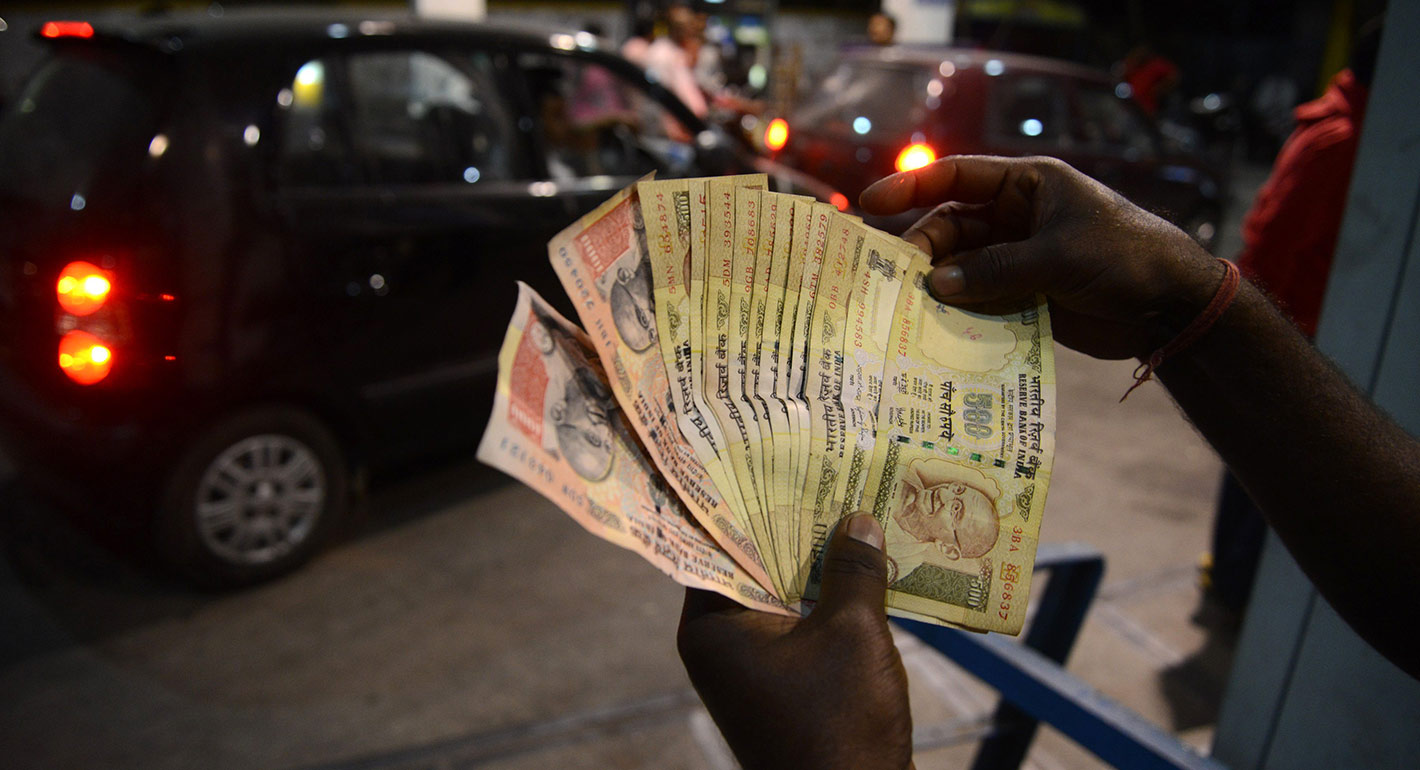
There is now an opportunity for India to take the lead on a global platform to combat money laundering and tax evasion–and for Modi to take his campaign promise forward.
Source: Print
Cracking down on black money has been the centerpiece of Prime Minister Narendra Modi’s campaign. There is now an opportunity for India to take the lead on a global platform to combat money laundering and tax evasion – and for Modi to take his campaign promise forward.
Neil Noronha
Neil Noronha is a Henry Luce scholar, and a visiting scholar with Carnegie India.
Carnegie India does not take institutional positions on public policy issues; the views represented herein are those of the author(s) and do not necessarily reflect the views of Carnegie, its staff, or its trustees.
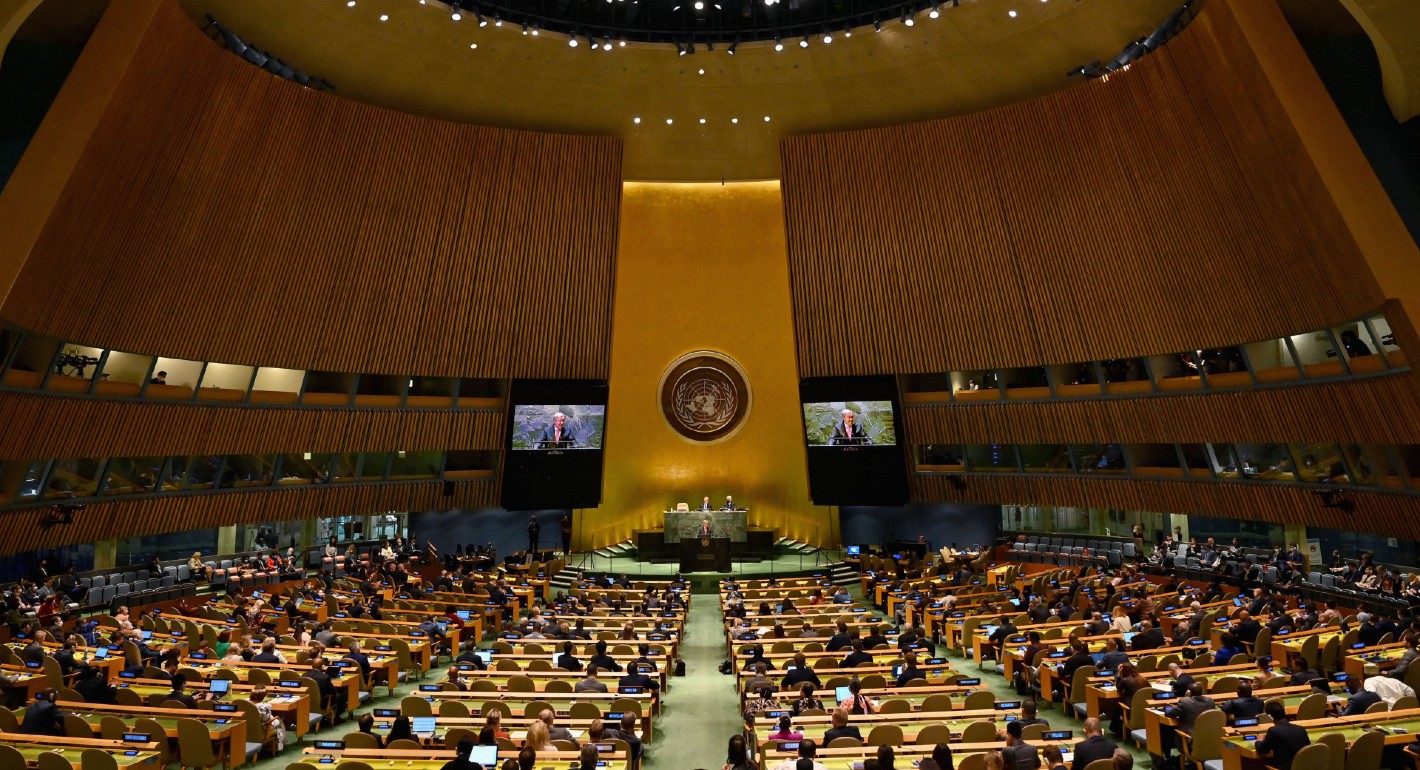
The final report by the Group of Governmental Experts is a key milestone toward a potential instrument regulating Lethal Autonomous Weapons Systems and has garnered both accolades and criticism.

Charukeshi Bhatt
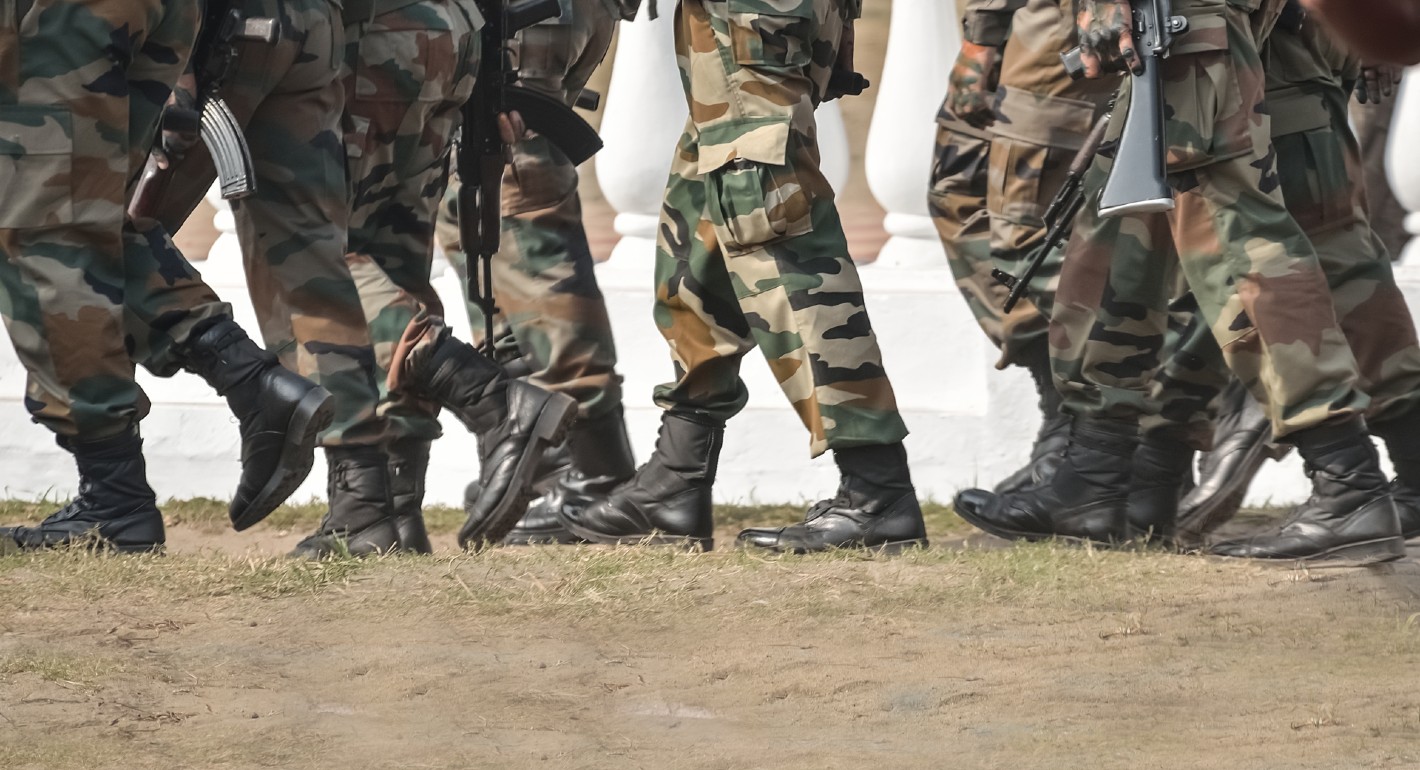
In any defense establishment, change is an ongoing process. However, despite the best of intentions, existing bureaucracies, bound by habit and years of socialization, have their limits in implementing transformative change.
Anit Mukherjee
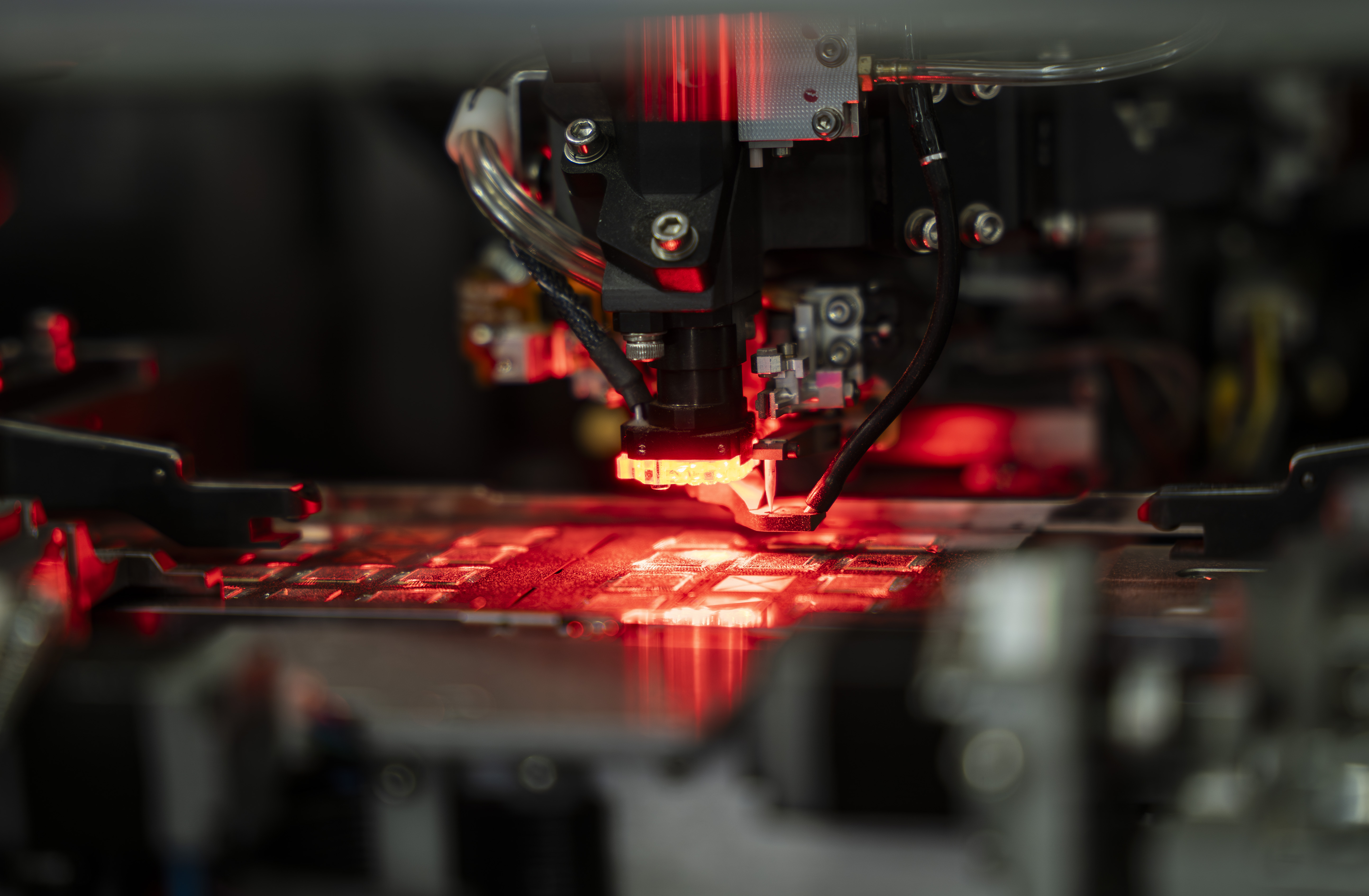
As AI grows more sophisticated, as the supply chains that power it become more contested, and as access to frontier models becomes geopolitically charged, India must begin to ask a different set of questions. Not what applications it can build on someone else’s infrastructure but what the world needs.
Konark Bhandari

The Indian Ocean Region hosts one of the densest concentrations of subsea cables in the world. Yet, despite accounting for a significant share of global internet traffic, India’s participation remains limited.
Charukeshi Bhatt

How is AI reshaping space security, creating governance challenges, and where does international diplomacy stand today?
Tejas Bharadwaj, Almudena Azcárate Ortega