
• Research
  • About
  • Experts
Carnegie India logoCarnegie lettermark logo
{
  "authors": [
    "Matthew T. Page",
    "Sola Tayo"
  ],
  "type": "other",
  "centerAffiliationAll": "dc",
  "centers": [
    "Carnegie Endowment for International Peace"
  ],
  "collections": [
    "Democracy and Governance"
  ],
  "englishNewsletterAll": "democracy",
  "nonEnglishNewsletterAll": "",
  "primaryCenter": "Carnegie Endowment for International Peace",
  "programAffiliation": "DCG",
  "programs": [
    "Democracy, Conflict, and Governance"
  ],
  "projects": [],
  "regions": [
    "Southern, Eastern, and Western Africa"
  ],
  "topics": [
    "Political Reform",
    "Democracy",
    "Security"
  ]
}

Source: Getty

Other

Countdown to February 2019: A Look Ahead at Nigeria’s Elections

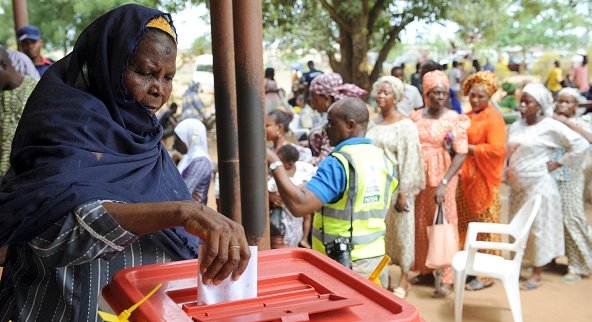
International engagement will be critical to the success of Nigeria’s February elections, but its international partners—in particular the United States—appear less engaged than they were four years ago.

Link Copied
By Matthew T. Page and Sola Tayo
Published on Jul 25, 2018

Source: Chatham House

Summary

  • In February 2019 Nigerians will vote for their next president, deciding who will lead Africa’s largest economy and most populous country into the next decade. They will also elect the governors of 29 of Nigeria’s 36 states, and all federal and state legislators. The elections will pit the governing All Progressives Congress (APC) against the opposition People’s Democratic Party (PDP) and many smaller parties.
  • The presidency and the Senate are currently jockeying over the sequence of elections, which is proving to be very disruptive to the process. The Independent National Electoral Commission (INEC) released its election timetable (providing for a two-stage election process) in January 2018, but a controversial bill to enable the reordering of the electoral sequence was subsequently approved by the National Assembly. Buhari refused to sign the bill into law, warning that it might undermine INEC’s ability to organize, undertake and supervise elections.
  • Security conditions during the pre- and post-election period will greatly impact INEC’s ability to ensure credible and well-executed polls. A number of security crises have intensified across the country: these could be exploited by unscrupulous politicians and their supporters to disrupt pre-election logistics or the voting process itself.
  • A few key factors will determine whether the APC will repeat its 2015 victory or risk defeat. The first is the degree to which the party either remains united behind Buhari’s candidacy or sees additional high-level defections and a widening of existing factional divisions. The second is the president’s performance in the last six months of his term, and his party’s performance in off-cycle governorship elections.
  • The opposition PDP currently controls 12 state governorships and the office of deputy president of the Senate, as well as – following large-scale defections from the APC in July 2018 – an apparent majority in both the Senate and the House of Representatives. Looking ahead, the PDP’s competitiveness will depend on two main factors: the political pedigree and popular appeal of the party’s presidential nominee, and its ability to unify against a well-financed incumbent who retains a strong support base across much of the north.
  • A number of political groupings are now emerging that are keen to exploit popular disillusionment with the APC and PDP. They are raising awareness of the power that citizens hold, and calling for an end to political impunity by encouraging the electorate to hold political leaders to account.
  • Nigeria’s international partners appear to be somewhat less engaged ahead of the 2019 elections than they were four years ago. US policy towards Nigeria, in particular, has been weakened by a shift in emphasis away from democracy and governance toward counterterrorism and trade. To make up for the lack of interest in Washington, the UK, the EU and their Nigerian civil society partners will need to redouble their efforts to support – but also closely and objectively scrutinize – INEC’s performance in the run-up to and during the elections.

Read Full Text

This report was originally published by Chatham House.

About the Authors

Matthew T. Page

Former Nonresident Scholar, Democracy, Conflict, and Governance Program

Matthew T. Page was a nonresident scholar at the Carnegie Endowment for International Peace.

Sola Tayo

Chatham House

Sola Tayo is an Associate Fellow in the Africa Programme at Chatham House and a London-based broadcast journalist at the BBC.

Authors

Matthew T. Page
Former Nonresident Scholar, Democracy, Conflict, and Governance Program
Matthew T. Page
Sola Tayo
Chatham House
Political ReformDemocracySecuritySouthern, Eastern, and Western Africa

Carnegie India does not take institutional positions on public policy issues; the views represented herein are those of the author(s) and do not necessarily reflect the views of Carnegie, its staff, or its trustees.

More Work from Carnegie India

  • Commentary
    The Impact of U.S. Sanctions and Tariffs on India’s Russian Oil Imports

    This piece examines India’s response to U.S. sanctions and tariffs, specifically assessing the immediate market consequences, such as alterations in import costs, and the broader strategic implications for India’s energy security and foreign policy orientation.

      Vrinda Sahai

  • Article
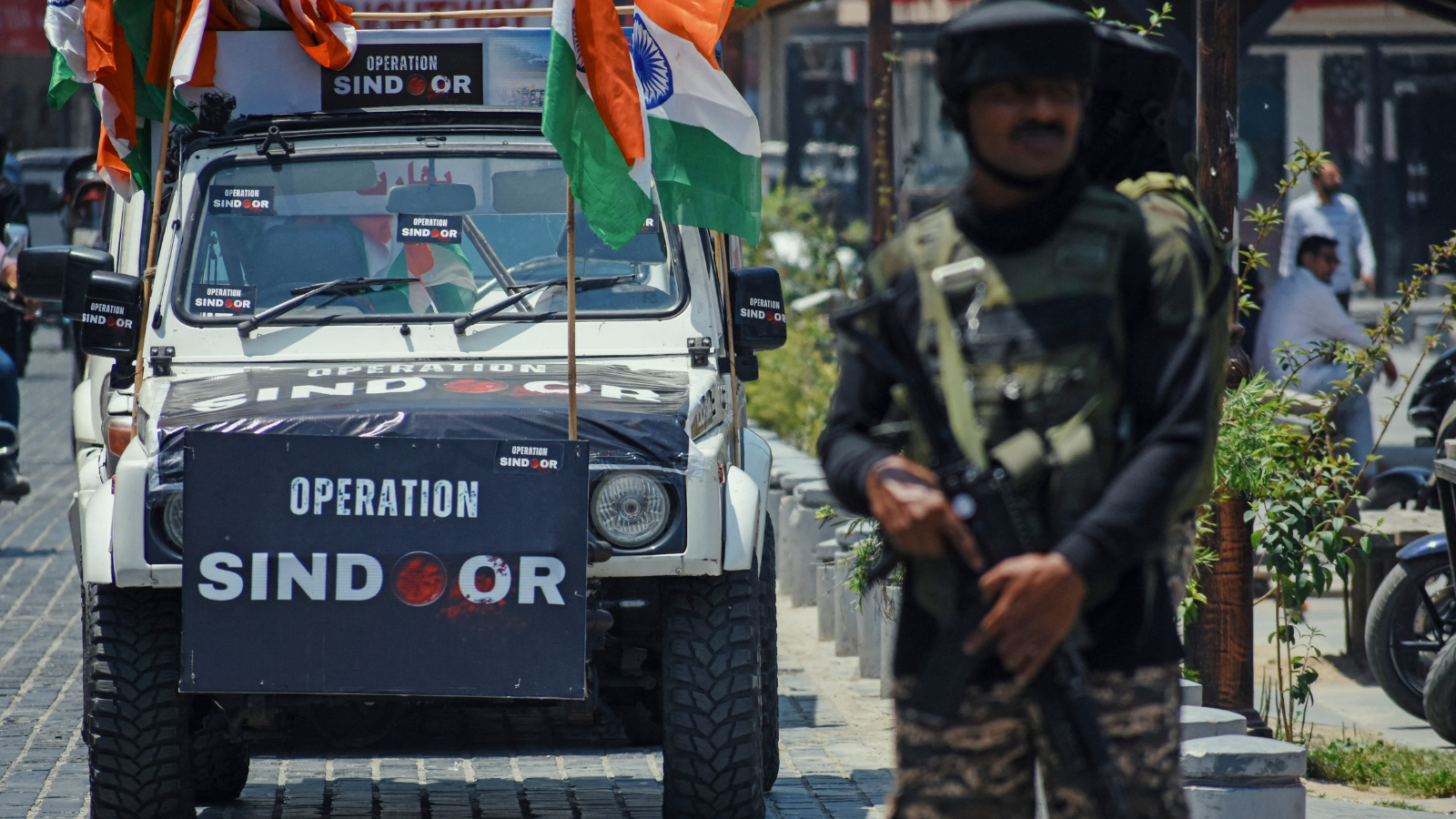
    Military Lessons from Operation Sindoor

    The India-Pakistan conflict that played out between May 6 and May 10, 2025, offers several military lessons. This article presents key takeaways from Operation Sindoor and breaks down how India’s preparations shaped the outcome and what more is needed to strengthen future readiness.

      Dinakar Peri

  • Book
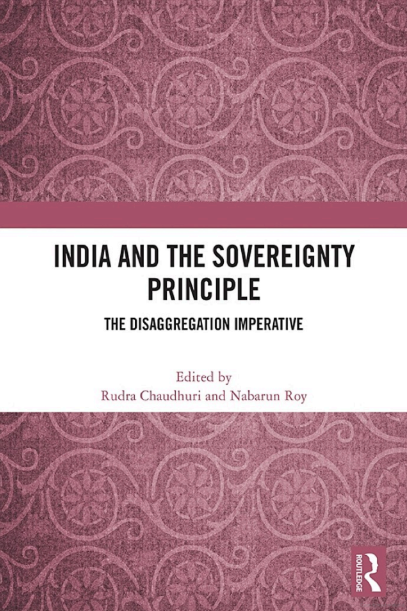
    India and the Sovereignty Principle: The Disaggregation Imperative

    This book offers a comprehensive analysis of India's evolving relationship with sovereignty in a complex global order. Moving beyond conventional narratives, it examines how the sovereignty principle shapes India's behavior across four critical domains—from traditional military power to contemporary data governance.

      Rudra Chaudhuri, Nabarun Roy

  • Article
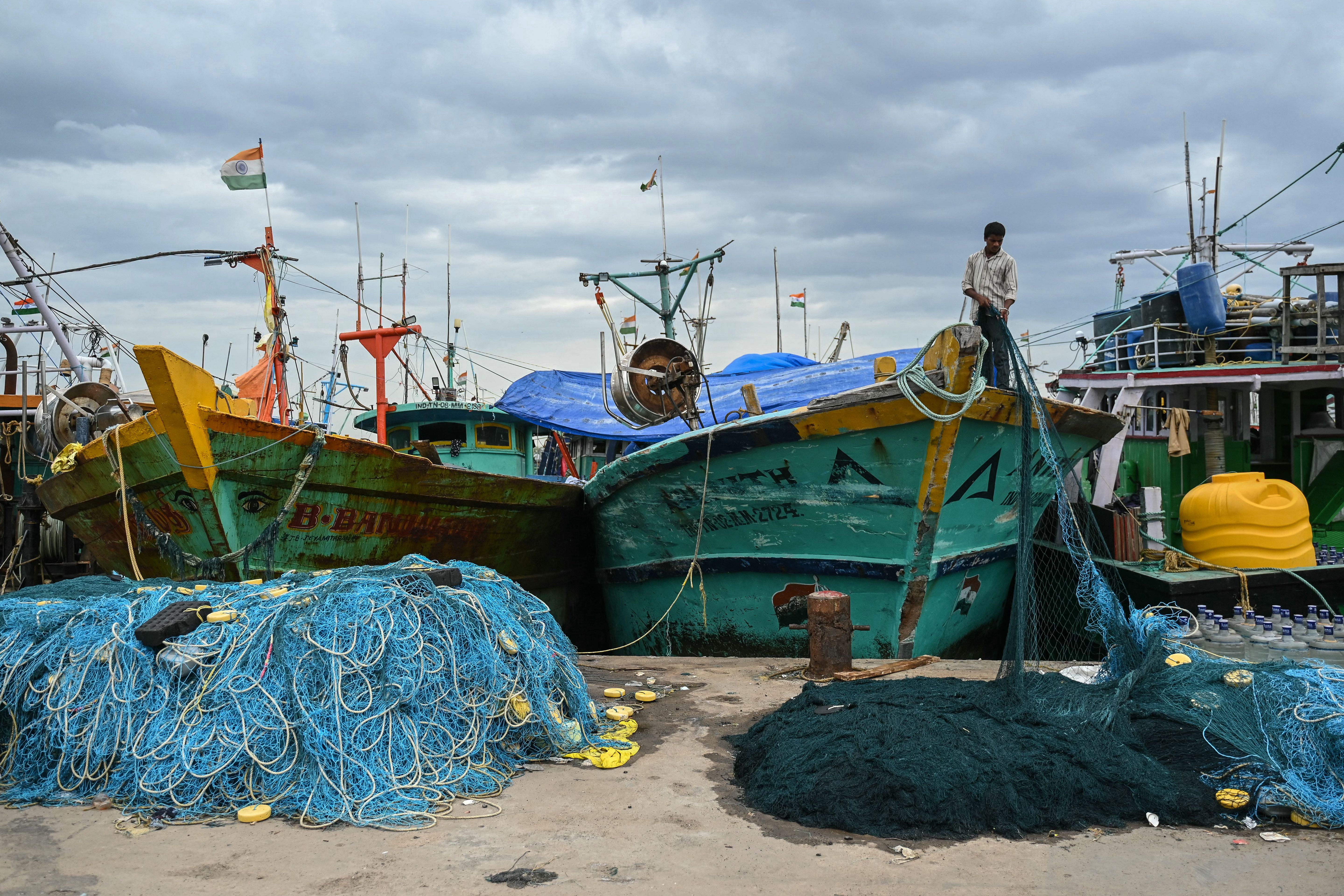
    Hidden Tides: IUU Fishing and Regional Security Dynamics for India

    This article examines the scale and impact of Chinese IUU fishing operations globally and identifies the nature of the challenge posed by IUU fishing in the Indian Ocean Region (IOR). It also investigates why existing maritime law and international frameworks have struggled to address this growing threat.

      Ajay Kumar, Charukeshi Bhatt

  • Book
    Violence and Development Along the India-Pakistan Border in Jammu and Kashmir

    This book examines the impact of cross-border violence on communities living along the Line of Control and the International Border in Jammu and Kashmir, India.

      Deep Pal, Surya Valliappan Krishna, Saheb Singh Chadha

Get more news and analysis from
Carnegie India
Carnegie India logo, white
Unit C-4, 5, 6, EdenparkShaheed Jeet Singh MargNew Delhi – 110016, IndiaPhone: 011-40078687
  • Research
  • About
  • Experts
  • Projects
  • Events
  • Contact
  • Careers
  • Privacy
  • For Media
Get more news and analysis from
Carnegie India
© 2026 Carnegie Endowment for International Peace. All rights reserved.