

Report
- +9
Richard Youngs, Erik Jones, Dan Baer, …
{
  "authors": [
    "Richard Youngs"
  ],
  "type": "legacyinthemedia",
  "centerAffiliationAll": "dc",
  "centers": [
    "Carnegie Endowment for International Peace",
    "Carnegie Europe",
    "Malcolm H. Kerr Carnegie Middle East Center"
  ],
  "collections": [
    "Europe’s Southern Neighborhood",
    "Violence and Conflict"
  ],
  "englishNewsletterAll": "ctw",
  "nonEnglishNewsletterAll": "",
  "primaryCenter": "Carnegie Europe",
  "programAffiliation": "EP",
  "programs": [
    "Europe"
  ],
  "projects": [],
  "regions": [
    "Middle East",
    "Europe",
    "Levant",
    "Syria",
    "Eastern Europe",
    "Western Europe",
    "Iran"
  ],
  "topics": [
    "Foreign Policy",
    "EU",
    "Political Reform",
    "Security"
  ]
}
Source: Getty
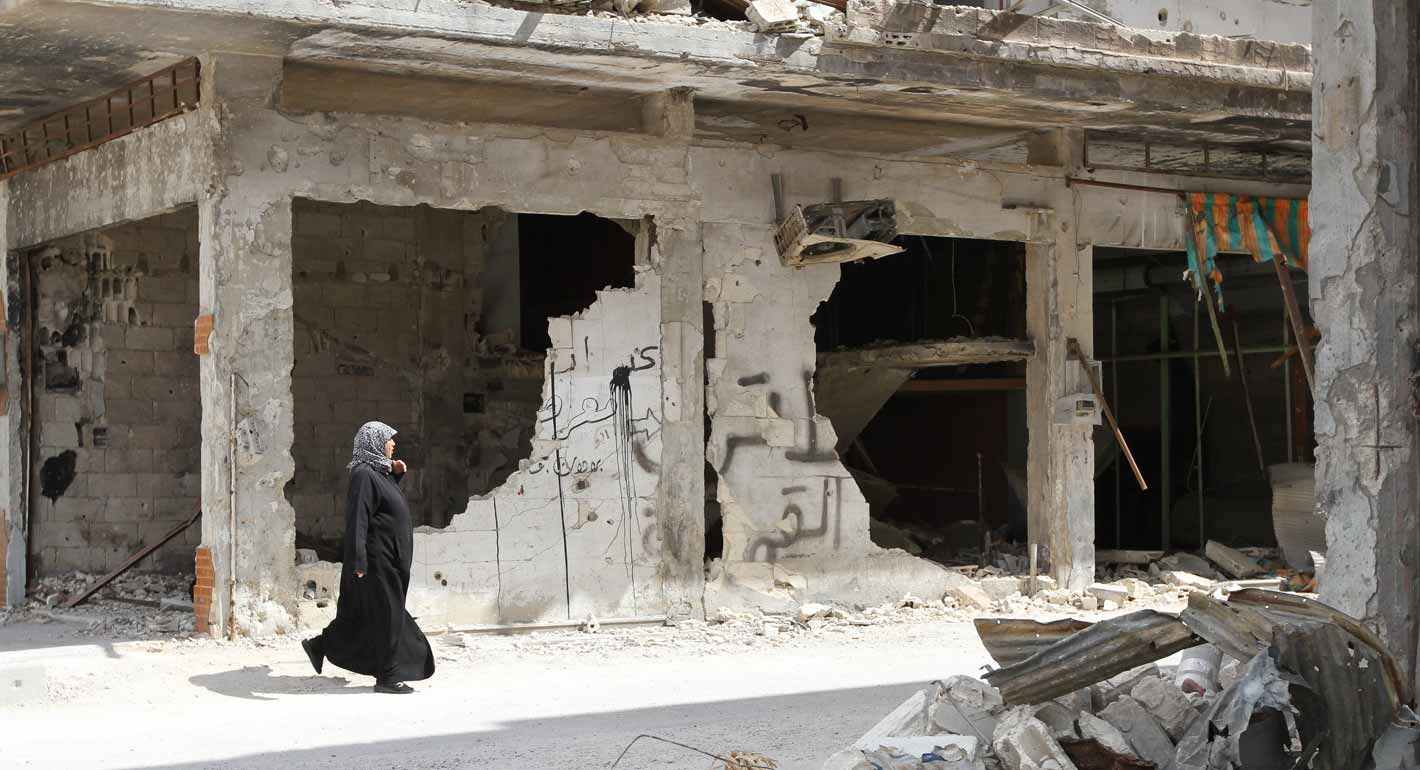
The Assad regime’s ascendancy has pushed the EU and European governments onto the back foot. Europe needs to rethink its foreign policy priorities—and fast.
Source: The Conversation
The Assad regime has inched closer to winning the Syrian conflict during 2018. With Russian and Iranian support, the regime has reestablished strong and authoritarian rule, at least outside the deescalation zones where its remit is still curtailed.
With a new UN envoy to Syria now taking office and the EU confirming it will host another donor conference for the country early in 2019 – designed to mobilise humanitarian aid and other assistance from the international community – there is currently much debate about a new phase of European strategy. But at best, European influence in Syria will in future be modest and indirect.
The Assad regime’s ascendancy has certainly pushed the EU and European governments onto the back foot. The formal EU line is that the removal of its sanctions against Syria and any offer of so-called reconstruction aid will depend on the Assad regime agreeing to an inclusive political process. And so, as the regime for now refuses to contemplate any such process and has in fact moved to ensure that only regime supporters get access to external funding, the EU has not offered reconstruction aid.

Senior Fellow, Democracy, Conflict, and Governance Program
Richard Youngs is a senior fellow in the Democracy, Conflict, and Governance Program, based at Carnegie Europe. He works on EU foreign policy and on issues of international democracy.
Recent Work

Richard Youngs, Erik Jones, Dan Baer, …

Richard Youngs, Thomas Carothers
Carnegie India does not take institutional positions on public policy issues; the views represented herein are those of the author(s) and do not necessarily reflect the views of Carnegie, its staff, or its trustees.

After the chill in ties between 2020 and 2024 that brought India–China relations to their lowest point in several decades, the two countries have engaged each other afresh. This paper argues that there are predominantly four imperatives guiding India’s approach to China, and they exist in an order of priority.

Saheb Singh Chadha

This piece argues that India’s central challenge is not managing a single flashpoint but resolving the underlying tension between expansion and institutional coherency of the BRICS grouping.

Vrinda Sahai
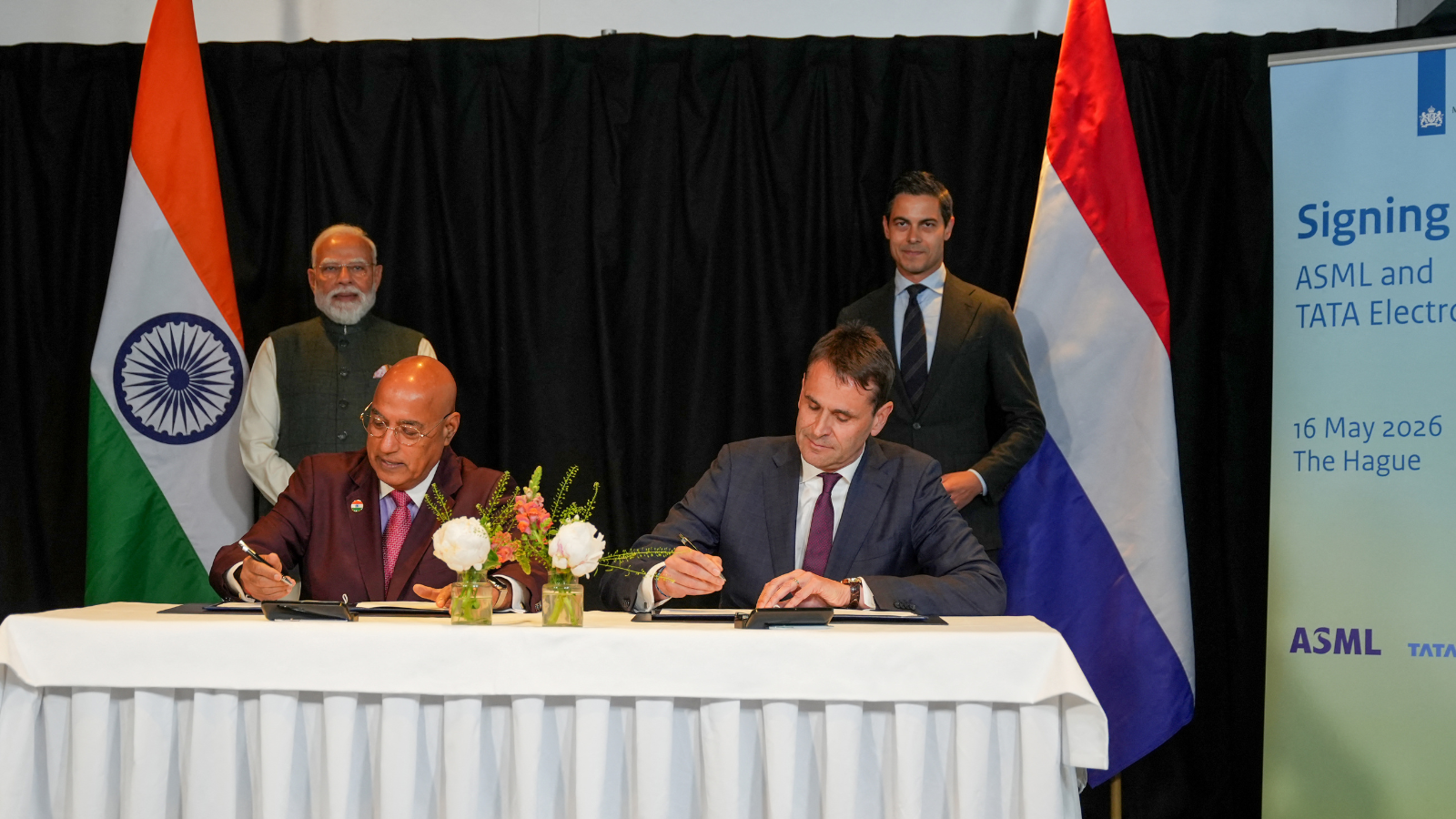
The ASML MoU with Tata Electronics is an indicator of how far the Indian semiconductor ecosystem has come. This ecosystem has been years in the making and represents real commercial logic.

Konark Bhandari

A partnership between India, a country of subcontinental size, and Africa, a continent of fifty-four countries, may seem asymmetric until one notes that both are home to nearly the same number of people—1.4 billion. This essay spells out the existing challenges to the partnership, its optimal potential, and the possible pathways to realize it over the next quarter-century.

Rajiv Bhatia

The India–EU Free Trade Agreement (FTA) is shaping up to be one of the most consequential trade negotiations, both economically and strategically. But, what’s in the agreement, what’s missing, and what will determine its success in the years ahead
Vrinda Sahai, Nicolas Köhler-Suzuki