

Commentary
Stefano Marcuzzi
{
  "authors": [
    "Stefano Marcuzzi"
  ],
  "type": "other",
  "centerAffiliationAll": "dc",
  "centers": [
    "Carnegie Endowment for International Peace",
    "Carnegie Europe"
  ],
  "collections": [
    "Transatlantic Cooperation",
    "Europe’s Southern Neighborhood"
  ],
  "englishNewsletterAll": "ctw",
  "nonEnglishNewsletterAll": "",
  "primaryCenter": "Carnegie Europe",
  "programAffiliation": "EP",
  "programs": [
    "Europe"
  ],
  "projects": [],
  "regions": [
    "Europe",
    "North America",
    "United States",
    "Western Europe",
    "Iran"
  ],
  "topics": [
    "EU",
    "Security",
    "Migration"
  ]
}
Source: Getty
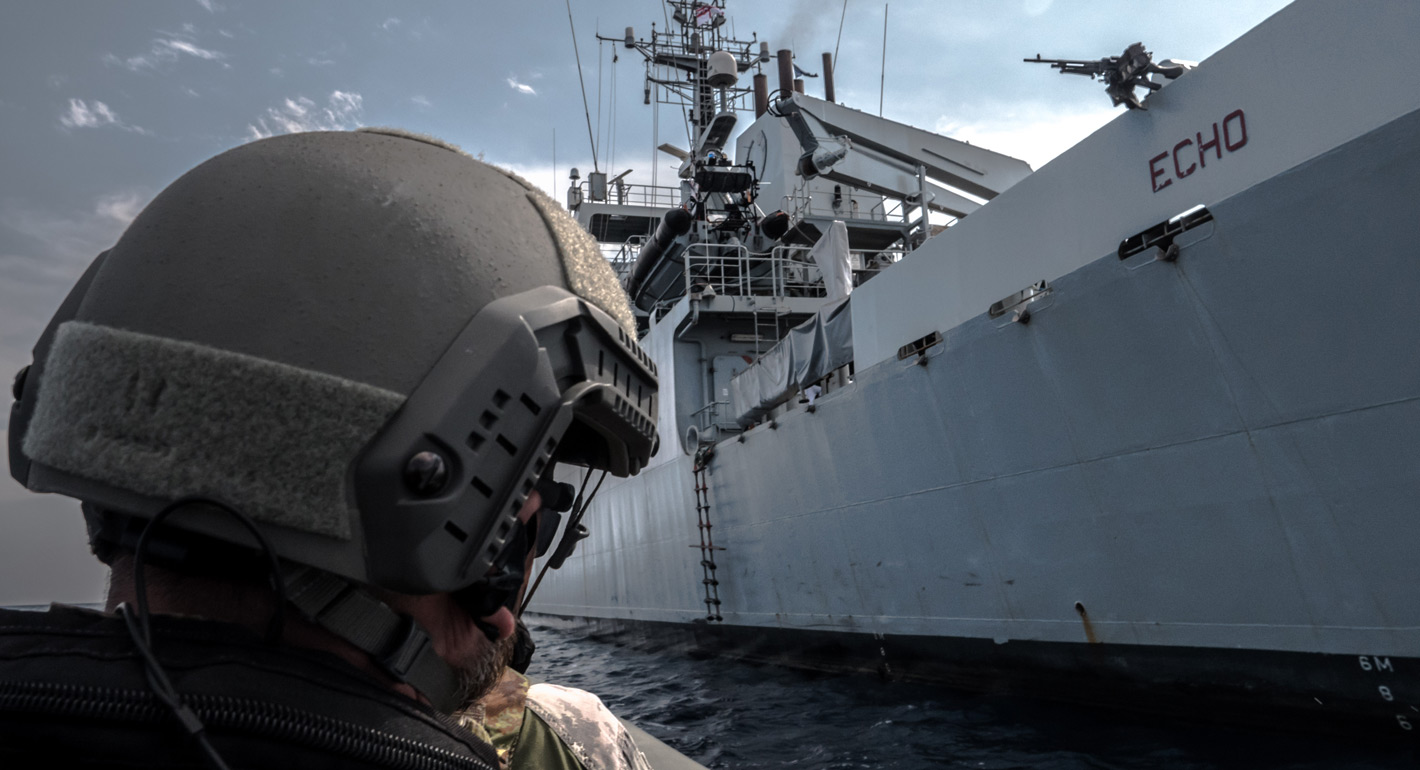
EU-NATO maritime cooperation in the Mediterranean has by and large been successful at the tactical level. However, operational achievements did not produce strategic effects.
Source: NATO Defense College
EU-NATO maritime cooperation is essential to a coordinated response to a variety of Mediterranean issues, including terrorist threats, the protracted conflicts in the Middle East and North Africa (MENA), and the refugee emergency. The EU’s Operation EUNAVFOR Med Sophia is deployed in the Southern-Central Mediterranean, whilst NATO’s Operation Sea Guardian operates in the whole Mediterranean basin. NATO also launched a new activity in the Aegean in 2016. Although each operation has its own mandate, their coordination was defined as crucial in the 2016 Joint Declaration on EU-NATO cooperation.
At a tactical level, these operations have by and large been successful in enhancing situational awareness in the Mediterranean; monitoring migration networks; constraining the activity of human and arms smugglers on the high seas; and to a degree in providing assistance to migrants. However, they also face strategic challenges, including the failure to dismantle the smugglers’ networks, their relatively low deterrent effect, and a limited degree of inter-institutional cooperation.
This article was originally appeared in the NATO Defense College Policy Brief series.
Photo: Jake Tupman; NATO via Flickr
Former Visiting researcher, Carnegie Europe
Marcuzzi was a visiting researcher at Carnegie Europe, where he focused on EU-NATO cooperation, in particular on the Mediterranean and Libya.
Recent Work
Stefano Marcuzzi
Carnegie India does not take institutional positions on public policy issues; the views represented herein are those of the author(s) and do not necessarily reflect the views of Carnegie, its staff, or its trustees.

In any defense establishment, change is an ongoing process. However, despite the best of intentions, existing bureaucracies, bound by habit and years of socialization, have their limits in implementing transformative change.

Anit Mukherjee

How is AI reshaping space security, creating governance challenges, and where does international diplomacy stand today?


Tejas Bharadwaj, Almudena Azcárate Ortega

After the chill in ties between 2020 and 2024 that brought India–China relations to their lowest point in several decades, the two countries have engaged each other afresh. This paper argues that there are predominantly four imperatives guiding India’s approach to China, and they exist in an order of priority.

Saheb Singh Chadha
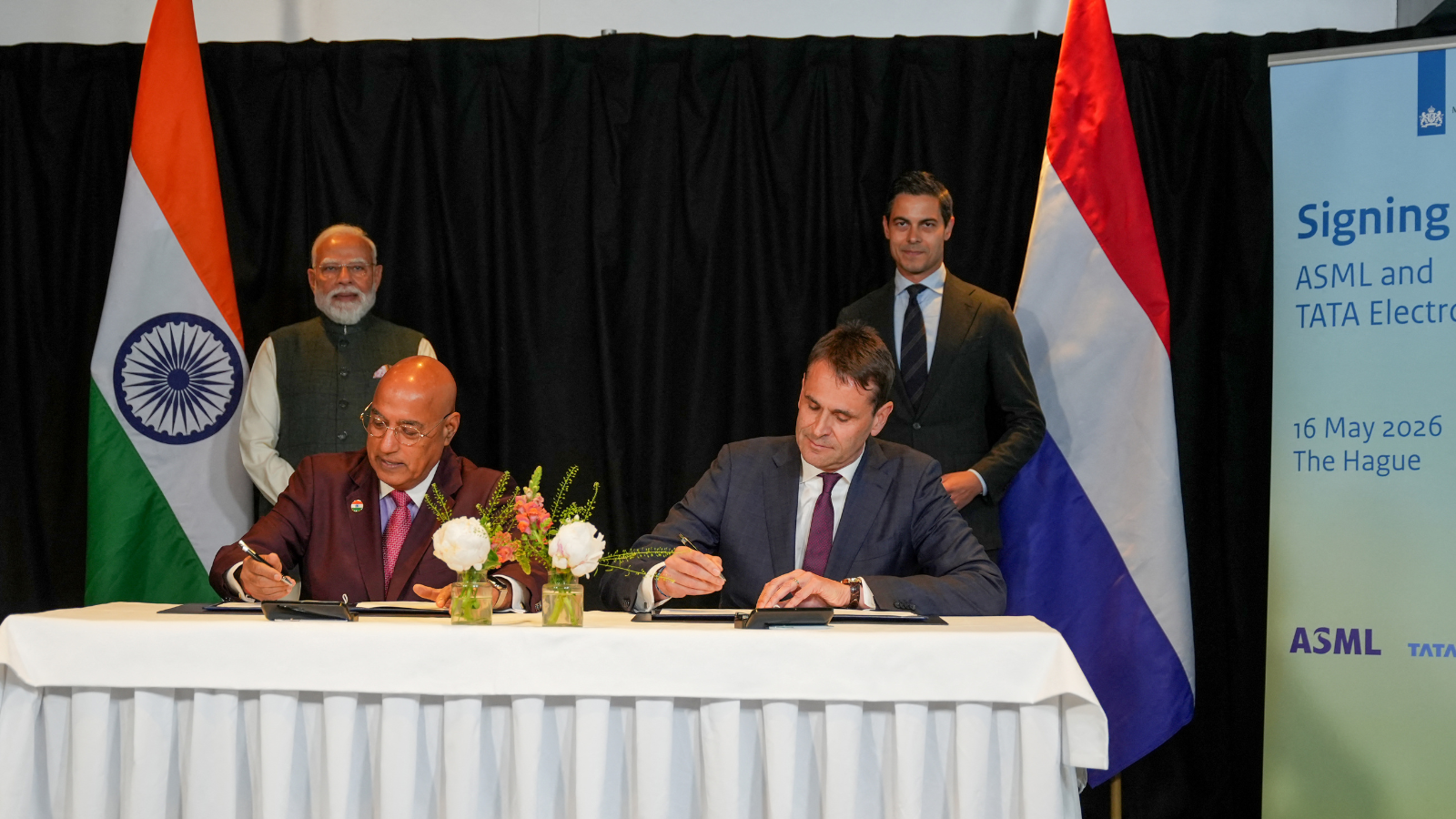
The ASML MoU with Tata Electronics is an indicator of how far the Indian semiconductor ecosystem has come. This ecosystem has been years in the making and represents real commercial logic.

Konark Bhandari

The U.S.–India semiconductor cooperation story is well-stocked with top-level strategic intent. What remains unresolved, however, are some underlying challenges that will determine whether the cooperation actually functions. Three such friction points stand out.

Shruti Mittal