

Paper
Eugene Rumer, Richard Sokolsky
{
  "authors": [
    "Richard Sokolsky"
  ],
  "type": "other",
  "centerAffiliationAll": "",
  "centers": [
    "Carnegie Endowment for International Peace"
  ],
  "collections": [],
  "englishNewsletterAll": "",
  "nonEnglishNewsletterAll": "",
  "primaryCenter": "Carnegie Endowment for International Peace",
  "programAffiliation": "",
  "programs": [],
  "projects": [],
  "regions": [
    "East Asia",
    "North Korea"
  ],
  "topics": [
    "Political Reform",
    "Security",
    "Military"
  ]
}
Source: Getty
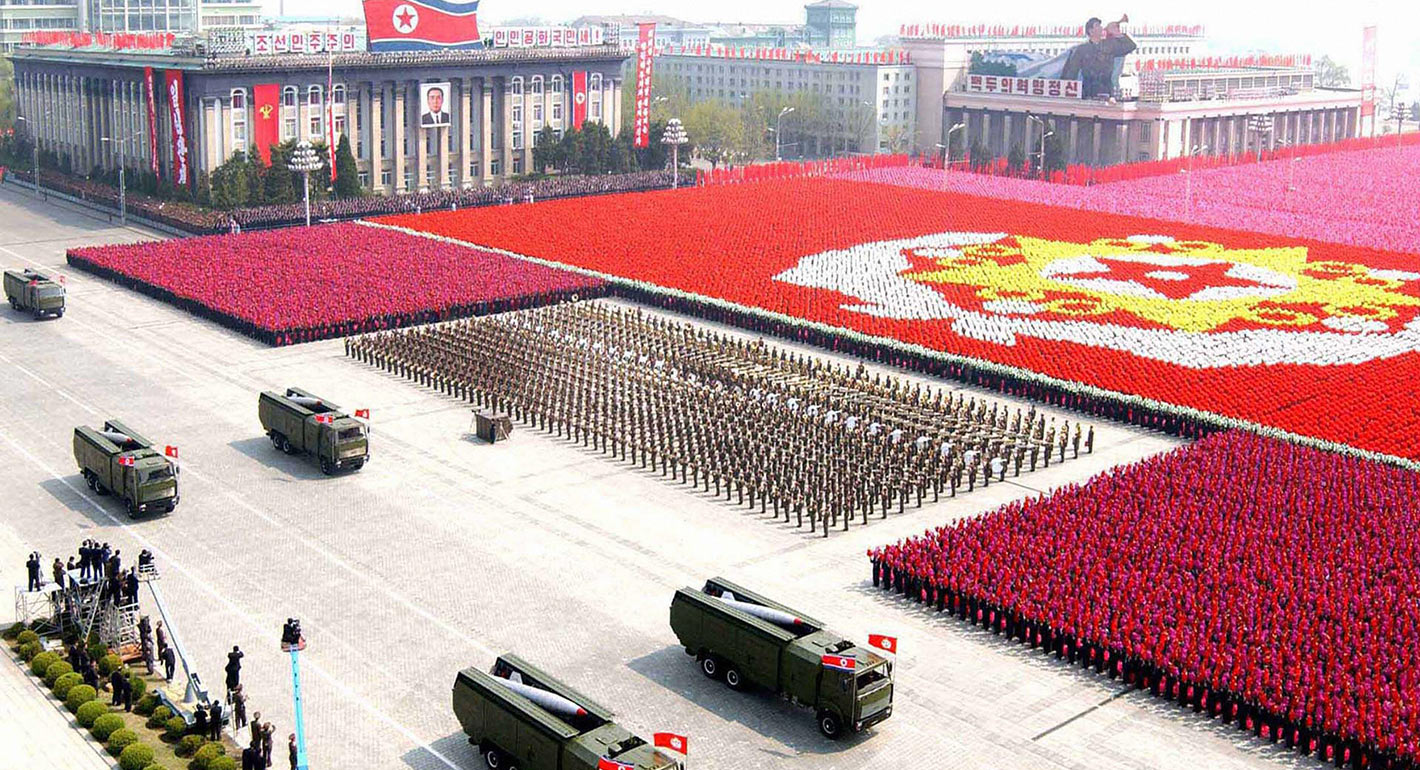
Whether Pyongyang has the capacity and the resources for large-scale demobilization and reintegration—and is prepared to implement market reforms that would be required to make the most efficient use of these resources—remains an open question.
Source: 38 North
Kim Jong Un has used military personnel in the past to carry out civilian construction and infrastructure projects and in his 2019 New Year address, the North Korean leader mentioned the importance of the military in the country’s construction projects. Kim has also reportedly expressed his desire to reallocate resources from the military to the civilian sector, which could include future manpower reductions if North Korea decides that peace and security on the peninsula would allow it to downsize its conventional forces. Whether Pyongyang has the capacity and the resources, however, for large-scale demobilization and reintegration—and is prepared to implement market reforms that would be required to make the most efficient use of these resources—remains an open question. South Korea might be willing and able to help Pyongyang develop a viable plan to deactivate many of its troops and reintegrate them into the civilian economy, but a multilateral effort will likely be required depending on the scope and pace of the effort.

Nonresident Senior Fellow, Russia and Eurasia Program
Richard Sokolsky is a nonresident senior fellow in Carnegie’s Russia and Eurasia Program. His work focuses on U.S. policy toward Russia in the wake of the Ukraine crisis.
Recent Work
Eugene Rumer, Richard Sokolsky
Eugene Rumer, Richard Sokolsky
Carnegie India does not take institutional positions on public policy issues; the views represented herein are those of the author(s) and do not necessarily reflect the views of Carnegie, its staff, or its trustees.

In any defense establishment, change is an ongoing process. However, despite the best of intentions, existing bureaucracies, bound by habit and years of socialization, have their limits in implementing transformative change.

Anit Mukherjee

After the chill in ties between 2020 and 2024 that brought India–China relations to their lowest point in several decades, the two countries have engaged each other afresh. This paper argues that there are predominantly four imperatives guiding India’s approach to China, and they exist in an order of priority.

Saheb Singh Chadha
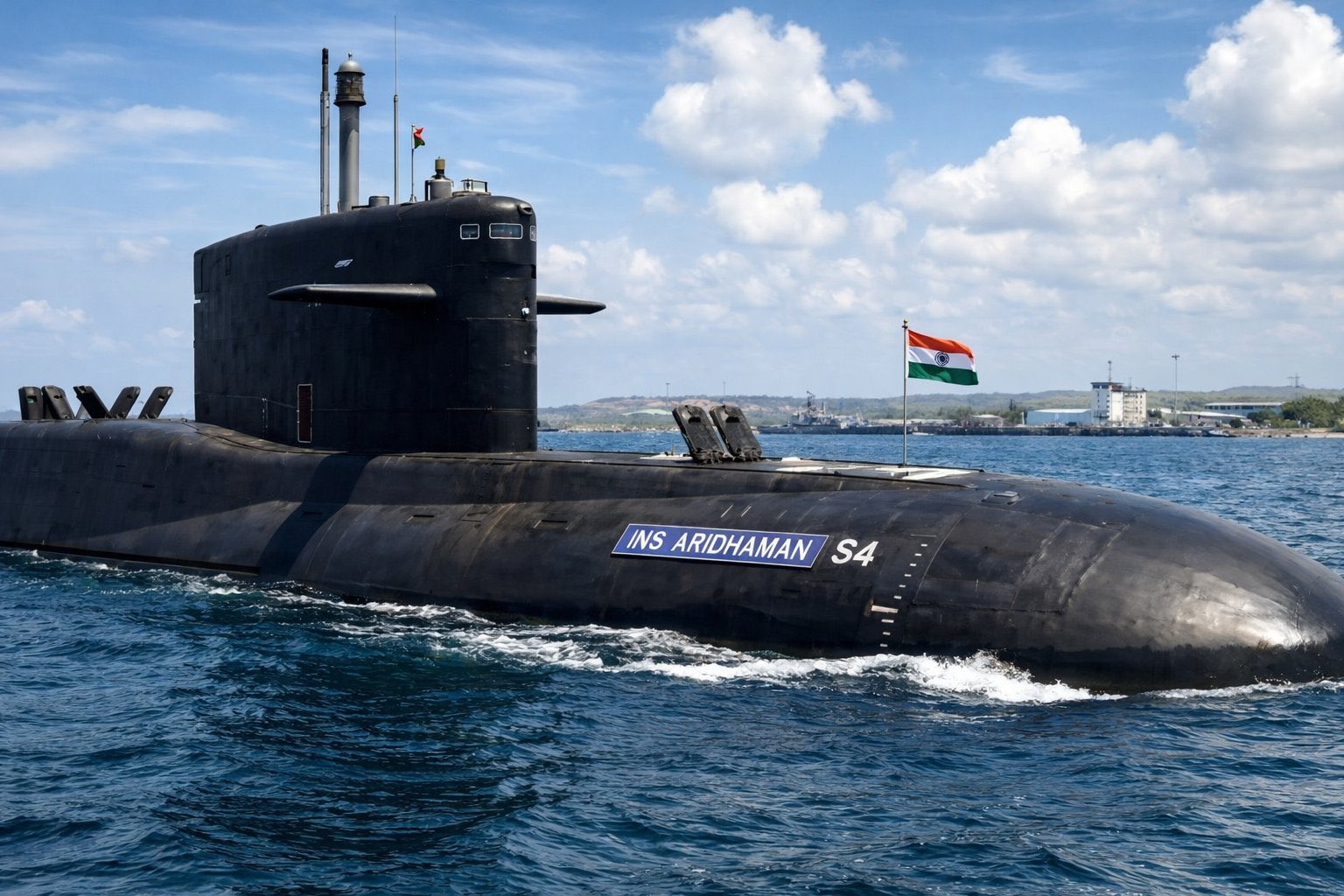
The induction of INS Aridhaman, which features several technological enhancements, now gives India the third nuclear ballistic missile submarine to ensure continuous at-sea deterrent.

Dinakar Peri

This piece argues that the present Indian strategy, based on opportunistic diversification and utilization of limited strategic reserves, remains inadequate when confronting supply disruptions. It evaluates India’s options in the short, medium, and long terms.

Vrinda Sahai

This piece examines India’s response to U.S. sanctions and tariffs, specifically assessing the immediate market consequences, such as alterations in import costs, and the broader strategic implications for India’s energy security and foreign policy orientation.
Vrinda Sahai