

Commentary
How is AI reshaping space security, creating governance challenges, and where does international diplomacy stand today?
Tejas Bharadwaj, Almudena Azcárate Ortega
{
  "authors": [
    "William J. Burns",
    "Jake Sullivan"
  ],
  "type": "legacyinthemedia",
  "centerAffiliationAll": "",
  "centers": [
    "Carnegie Endowment for International Peace",
    "Malcolm H. Kerr Carnegie Middle East Center"
  ],
  "collections": [],
  "englishNewsletterAll": "",
  "nonEnglishNewsletterAll": "",
  "primaryCenter": "Carnegie Endowment for International Peace",
  "programAffiliation": "",
  "programs": [],
  "projects": [],
  "regions": [
    "North America",
    "United States",
    "Middle East",
    "Iran"
  ],
  "topics": [
    "Political Reform",
    "Foreign Policy",
    "Nuclear Policy"
  ]
}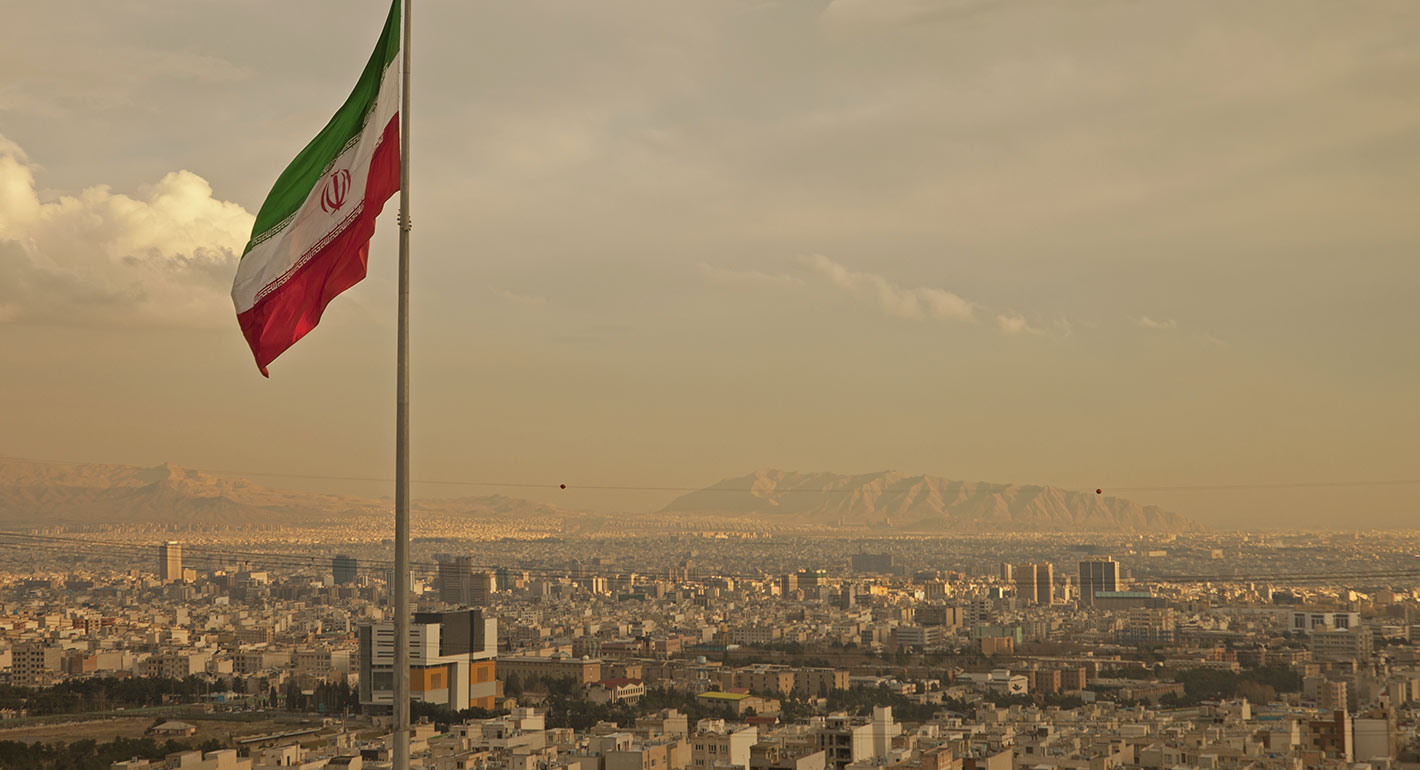
Source: Getty
Coercive diplomacy—when both elements of the approach are carefully synchronized—can deliver. On the other hand, coercion without diplomacy can lead to huge blunders.
Source: Atlantic
A year after abandoning the Iran nuclear agreement, President Donald Trump is doubling down on a risky and an ill-fated “maximum pressure” campaign. He’s tried to brand this strategy as a kind of coercive diplomacy, purportedly aimed at an elusive “better deal.” But so far, his strategy is all coercion and no diplomacy. His aggressive escalation of sanctions, the blustery rhetoric of his senior officials, and his administration’s lack of direct engagement with Tehran betray a fundamentally different goal: the capitulation or implosion of the Iranian regime.
Painful experience has shown that neither of those objectives is realistic. In the meantime, two sets of risks loom large.
The first is the risk of a violent collision, whether intended or unintended. In the past week, we’ve seen the U.S. announce the dispatch of an aircraft carrier and B-52 bombers in response to perceived Iranian threats against American personnel in the region. We’ve also seen reported attacks on shipping and oil infrastructure around the Persian Gulf. With American forces and Iranian proxies in tight quarters across Iraq, Syria, and the Gulf, and no direct communications between Washington and Tehran, either side could misjudge or misinterpret the other’s moves.
Trump’s hawkish advisers and the hard-liners in Tehran could easily become mutual enablers in pushing a crisis up the escalatory ladder. The idea that the conflict is inevitable can produce momentum of its own, as can the sort of hubris that led to a disastrous war in Iraq in 2003. And should Iran abandon the deal altogether, the odds of conflict will grow larger still.
An escalating conflict brings with it an increased risk of significant collateral damage. Fissures between the U.S. and our European allies are widening as a result of our withdrawal from the nuclear deal with Iran, our subsequent pressure campaign, and our erratic saber-rattling. We’re also eroding the long-term utility of economic sanctions with our reckless unilateralism. Even our closest partners have begun to talk publicly about reducing exposure to the American financial system as a hedge against U.S. economic pressure.
We’ve seen coercive diplomacy succeed with Iran—this is not how it works.
We’re the two negotiators who led the secret bilateral talks with the Iranians that paved the way for the interim and comprehensive nuclear deals between Iran and the so-called P5+1, the five permanent members of the UN Security Council and Germany. The United States built broad international pressure to bring Tehran to the table—the political leverage of an international community united in its determination to prevent Iran from developing a nuclear weapon; the military leverage of a credible threat of force; and the economic leverage of sanctions that ultimately produced a 50 percent drop in Iran’s oil exports and in the value of its currency.
That pressure was necessary but not sufficient, because pressure is not an end in itself. It was coupled with a realistic aim—a sharply constrained, tightly limited, and closely monitored civilian nuclear program—and a willingness to engage directly with the Iranians, not through empty summitry but over many months of arduous negotiations.
Now, after more than a year of coercion, with no capitulation or implosion in sight, and no shortage of risks on the horizon, it’s time to take diplomacy seriously again. That means going beyond the repetition of terms the other side won’t ever accept. The best way forward for the Trump administration is to signal privately that its maximalist demands are not carved in stone and pursue a more realistic agenda on nuclear issues. That starts with working to extend the nuclear deal’s timelines, and recognizing that further sanctions relief will be necessary to encourage Iranian acceptance; it means talking quietly about securing the release of Americans detained in brutal Iranian prisons; it means probing for possible understandings on Iran’s ballistic-missile programs; and it means encouraging dialogue on the wars in Afghanistan and Yemen, where Iran will be a player in any eventual settlement.
Contacts with the Iranians are not a reward for bad behavior, and we should have no illusions that they will engage productively on all our concerns. But diplomacy is the best way to test intentions and define the realm of the possible, repair the damage our unilateral turn has inflicted on our international partnerships, and invest in more effective coercion if and when it’s needed to focus minds in Tehran.
Coercive diplomacy—when both elements of the approach are carefully synchronized—can deliver. On the other hand, coercion without diplomacy can lead to huge blunders in the Middle East. We’ve seen that before. A lot is at stake over the coming months. Given the impulses and track record of this administration, it’s hard to be optimistic, and easy to see more trouble ahead.
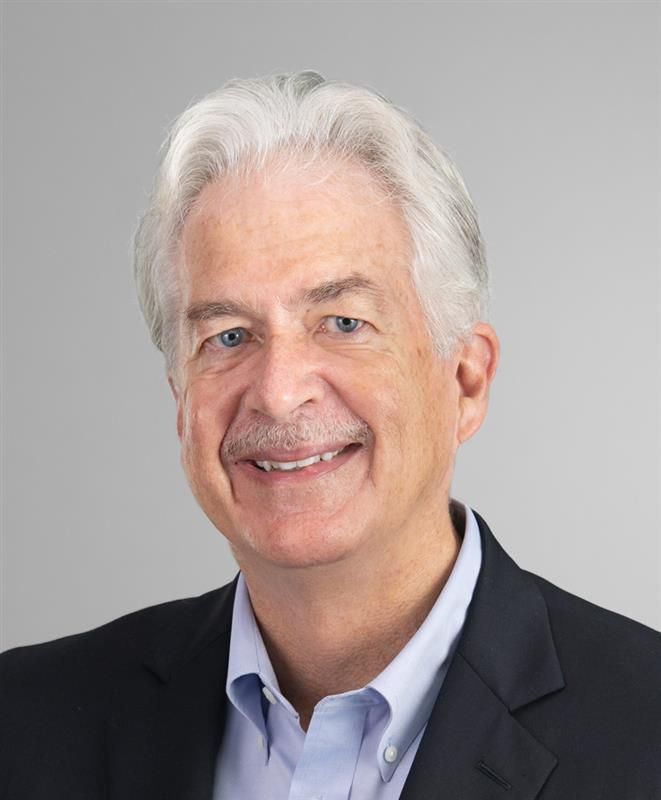
Former Carnegie President (2015-2021)
A former career diplomat, William J. Burns served as director of the CIA, deputy secretary of State, and ambassador to Russia and Jordan. Burns was also president of the Carnegie Endowment for International Peace from 2015 to 2021.
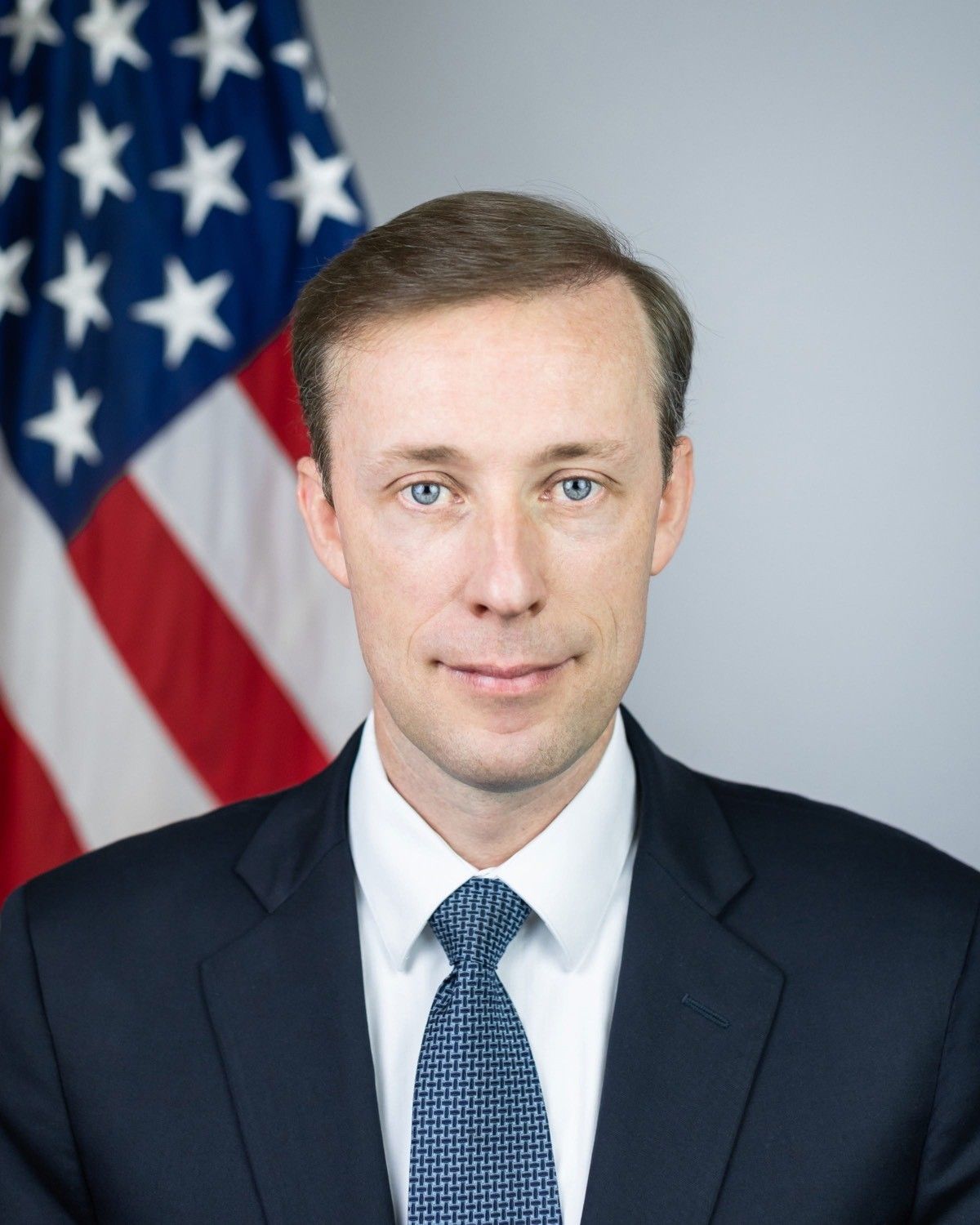
Former U.S. National Security Advisor to Former President Joe Biden
Jake Sullivan, a senior fellow at the University of New Hampshire's Carsey School of Public Policy, served as the United States national security advisor to former President Joe Biden from 2021 to 2025. Sullivan previously served as deputy assistant to former President Barack Obama, national security advisor to former Vice President Biden, director of policy planning in the State Department, and as deputy chief of staff to former U.S. Secretary of State Hillary Clinton.
Carnegie India does not take institutional positions on public policy issues; the views represented herein are those of the author(s) and do not necessarily reflect the views of Carnegie, its staff, or its trustees.

How is AI reshaping space security, creating governance challenges, and where does international diplomacy stand today?


Tejas Bharadwaj, Almudena Azcárate Ortega

After the chill in ties between 2020 and 2024 that brought India–China relations to their lowest point in several decades, the two countries have engaged each other afresh. This paper argues that there are predominantly four imperatives guiding India’s approach to China, and they exist in an order of priority.

Saheb Singh Chadha

This piece argues that India’s central challenge is not managing a single flashpoint but resolving the underlying tension between expansion and institutional coherency of the BRICS grouping.

Vrinda Sahai

A partnership between India, a country of subcontinental size, and Africa, a continent of fifty-four countries, may seem asymmetric until one notes that both are home to nearly the same number of people—1.4 billion. This essay spells out the existing challenges to the partnership, its optimal potential, and the possible pathways to realize it over the next quarter-century.

Rajiv Bhatia

The U.S.–India semiconductor cooperation story is well-stocked with top-level strategic intent. What remains unresolved, however, are some underlying challenges that will determine whether the cooperation actually functions. Three such friction points stand out.

Shruti Mittal