

Research
- +11
Frances Z. Brown, Nate Reynolds, Priyal Singh, …
{
  "authors": [
    "Frances Z. Brown"
  ],
  "type": "legacyinthemedia",
  "centerAffiliationAll": "dc",
  "centers": [
    "Carnegie Endowment for International Peace"
  ],
  "collections": [],
  "englishNewsletterAll": "democracy",
  "nonEnglishNewsletterAll": "",
  "primaryCenter": "Carnegie Endowment for International Peace",
  "programAffiliation": "DCG",
  "programs": [
    "Democracy, Conflict, and Governance"
  ],
  "projects": [],
  "regions": [
    "North America",
    "United States"
  ],
  "topics": [
    "Security",
    "Foreign Policy"
  ]
}
Source: Getty
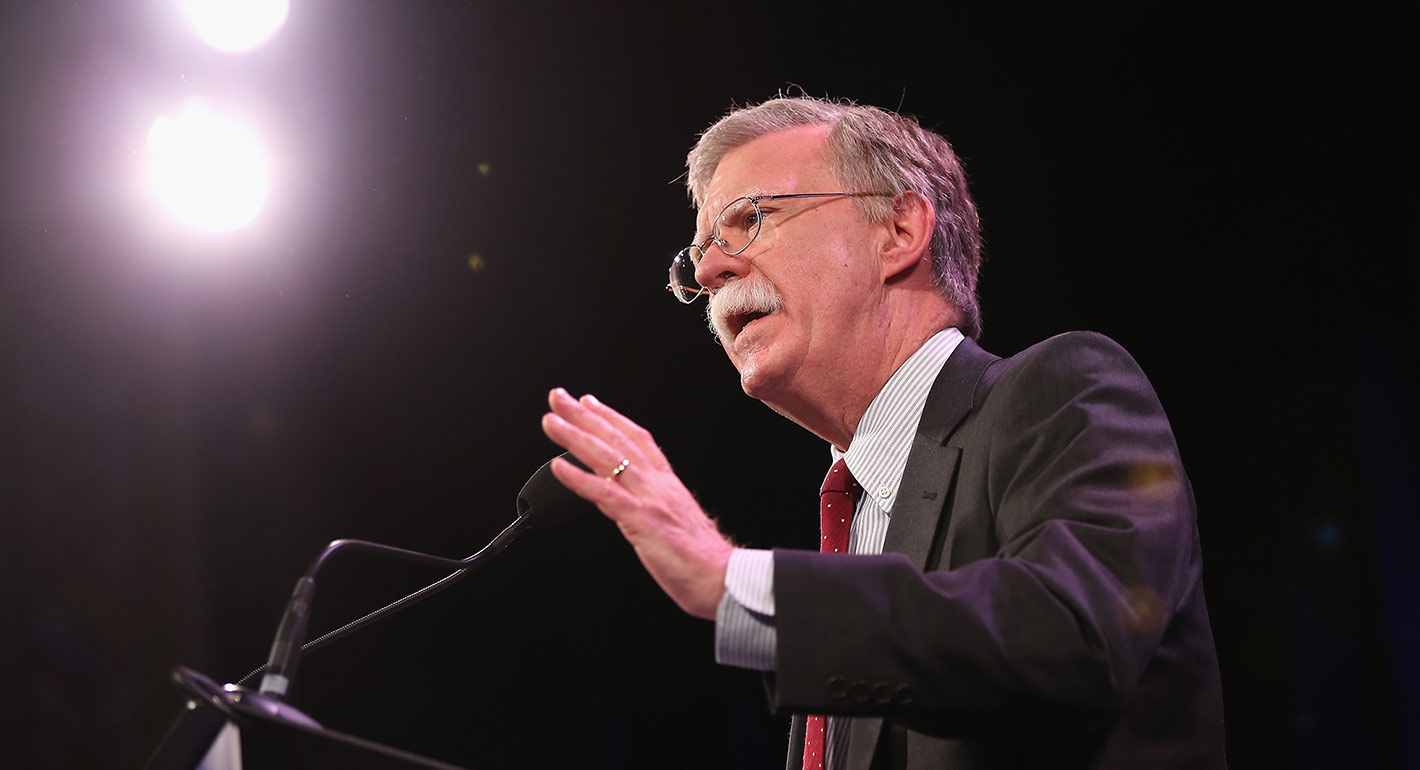
The departure of John Bolton, President Trump’s third national security adviser, injects still more volatility into U.S. foreign policy, and the choice of his successor has profound implications for U.S. national security interests.
Source: Axios
The departure of John Bolton, President Trump's third national security adviser, injects still more volatility into U.S. foreign policy, and the choice of his successor has profound implications for U.S. national security interests.
The big picture: Bolton successfully influenced U.S. withdrawals from the Iran nuclear deal, arms control treaties and international agreements, while chipping away at American commitments to multilateralism. But he had become marginalized in the White House as his hawkish approach increasingly clashed with Trump's deal-making instincts.
Context: Bolton ended up on the losing side of a growing list of policy disputes. Reports suggest the final straw came after Bolton protested proposed meetings between Trump and the Taliban and between Trump and Iranian President Hassan Rouhani.
Between the lines: Perhaps most consequential, reports suggest Trump didn’t have personal chemistry with Bolton — an insurmountable hurdle in this White House. (Bolton and Trump even offered conflicting accounts of Bolton’s departure.)
What to watch: A key question is how Bolton's successor will figure into administration decision-making.

Vice President for Studies
Dr. Frances Z. Brown is a vice president for studies at the Carnegie Endowment for International Peace. Brown served on the White House National Security Council (NSC) staff over the past three presidential administrations. Her research focuses on U.S. foreign policy, Africa, the Middle East, and governance.
Recent Work

Frances Z. Brown, Nate Reynolds, Priyal Singh, …

Saskia Brechenmacher, Frances Z. Brown
Carnegie India does not take institutional positions on public policy issues; the views represented herein are those of the author(s) and do not necessarily reflect the views of Carnegie, its staff, or its trustees.

In any defense establishment, change is an ongoing process. However, despite the best of intentions, existing bureaucracies, bound by habit and years of socialization, have their limits in implementing transformative change.
Anit Mukherjee

How is AI reshaping space security, creating governance challenges, and where does international diplomacy stand today?


Tejas Bharadwaj, Almudena Azcárate Ortega
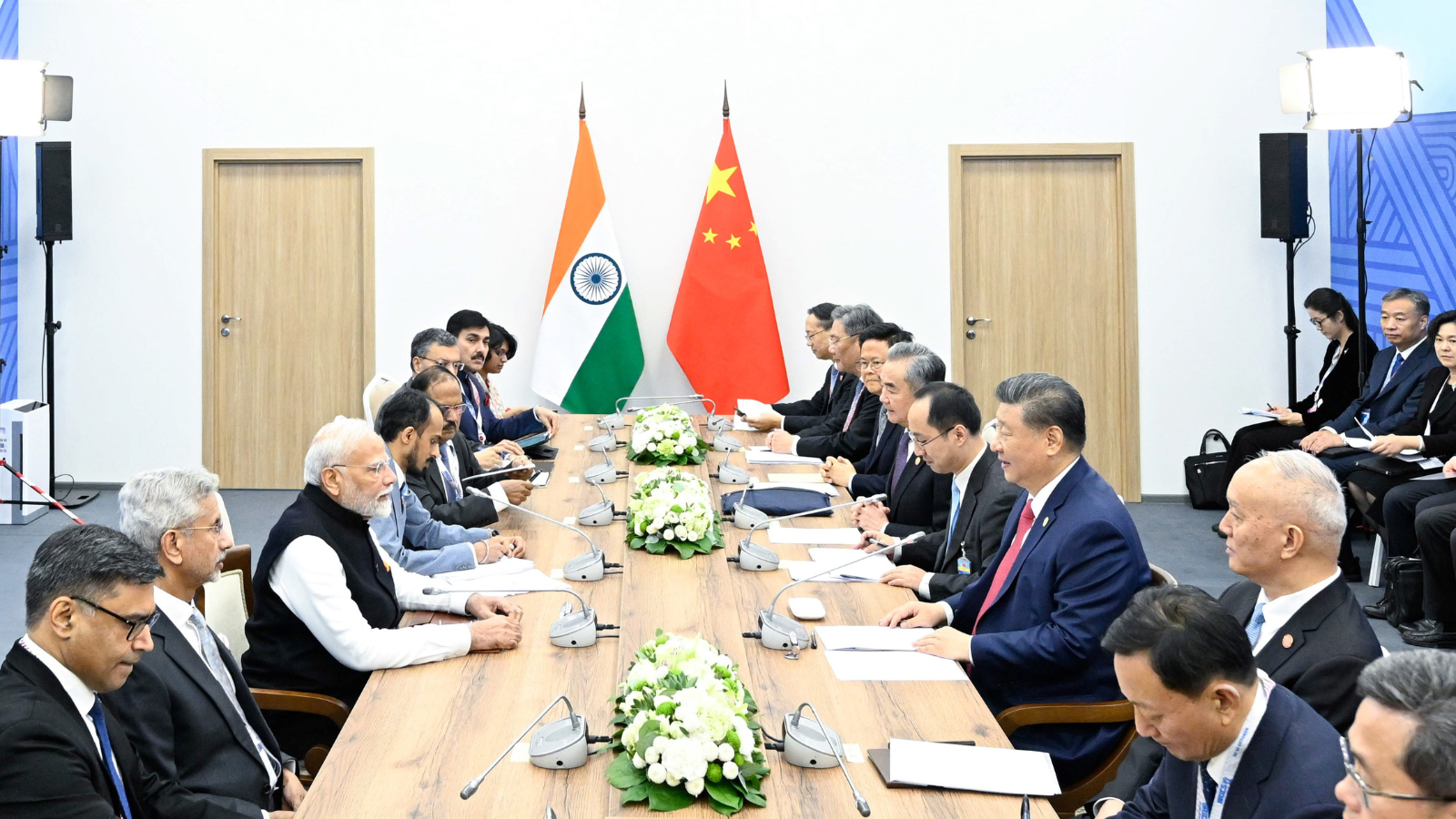
After the chill in ties between 2020 and 2024 that brought India–China relations to their lowest point in several decades, the two countries have engaged each other afresh. This paper argues that there are predominantly four imperatives guiding India’s approach to China, and they exist in an order of priority.
Saheb Singh Chadha

This piece argues that India’s central challenge is not managing a single flashpoint but resolving the underlying tension between expansion and institutional coherency of the BRICS grouping.

Vrinda Sahai

A partnership between India, a country of subcontinental size, and Africa, a continent of fifty-four countries, may seem asymmetric until one notes that both are home to nearly the same number of people—1.4 billion. This essay spells out the existing challenges to the partnership, its optimal potential, and the possible pathways to realize it over the next quarter-century.
Rajiv Bhatia