

Commentary
Thomas de Waal
{
  "authors": [
    "Thomas de Waal"
  ],
  "type": "legacyinthemedia",
  "centerAffiliationAll": "dc",
  "centers": [
    "Carnegie Endowment for International Peace",
    "Carnegie Europe"
  ],
  "collections": [
    "Europe’s Eastern Neighborhood"
  ],
  "englishNewsletterAll": "ctw",
  "nonEnglishNewsletterAll": "",
  "primaryCenter": "Carnegie Europe",
  "programAffiliation": "EP",
  "programs": [
    "Europe"
  ],
  "projects": [],
  "regions": [
    "Russia",
    "Europe",
    "Eastern Europe",
    "Caucasus",
    "Armenia",
    "Iran"
  ],
  "topics": [
    "Democracy"
  ]
}
Source: Getty
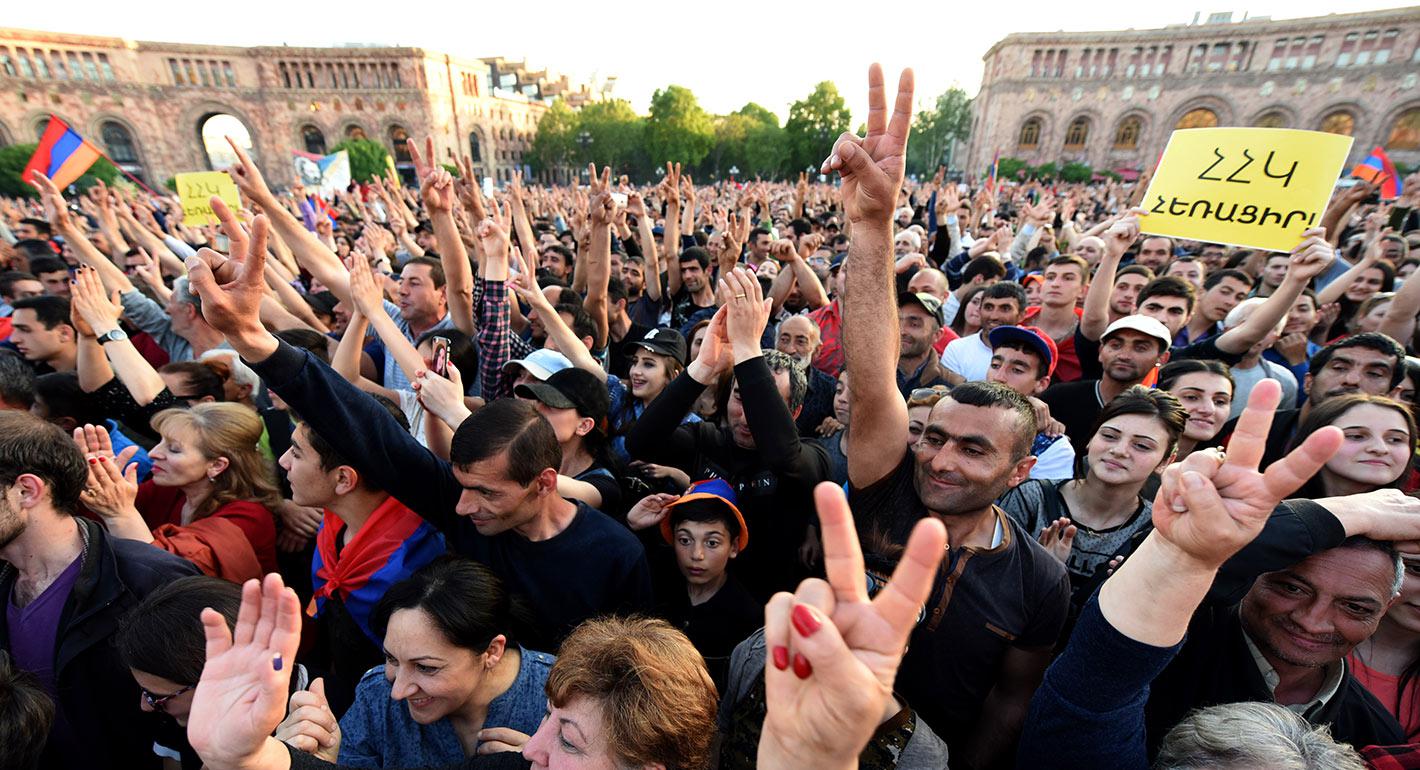
While several post-Soviet countries such as Georgia, Moldova, and Ukraine now routinely hold free and fair elections, another democratic pillar—rule of law—has proved much more difficult to achieve.
Source: World Politics Review
If you thought judicial appointments were an explosive issue in the United States, just look at Armenia, where over the past year, the government of Prime Minister Nikol Pashinyan has declared war on Armenia’s senior judges. Most recently, Pashinyan has called a popular referendum for April 5 to remove seven of the nine judges on the Constitutional Court, whom he accuses of blocking his reform agenda.The government sees this as a last-ditch measure to clean up a corrupt justice system that Pashinyan inherited from former President Serzh Sargsyan. For the judges, it is an assault by politicians on the rule of law. In an unusual statement last month, the president of the Venice Commission, the Council of Europe’s venerable advisory body on constitutional law, called on both sides “to exercise restraint and to de-escalate this worrying situation in order to ensure the normal operation of the constitution of Armenia.”
This article was originally published by World Politics Review.

Senior Fellow, Carnegie Europe
Thomas de Waal is a senior fellow at Carnegie Europe, specializing in Eastern Europe and the Caucasus.
Recent Work
Thomas de Waal
Thomas de Waal

This piece argues that India’s central challenge is not managing a single flashpoint but resolving the underlying tension between expansion and institutional coherency of the BRICS grouping.

Vrinda Sahai

The ASML MoU with Tata Electronics is an indicator of how far the Indian semiconductor ecosystem has come. This ecosystem has been years in the making and represents real commercial logic.

Konark Bhandari

The India–EU Free Trade Agreement (FTA) is shaping up to be one of the most consequential trade negotiations, both economically and strategically. But, what’s in the agreement, what’s missing, and what will determine its success in the years ahead
Vrinda Sahai, Nicolas Köhler-Suzuki
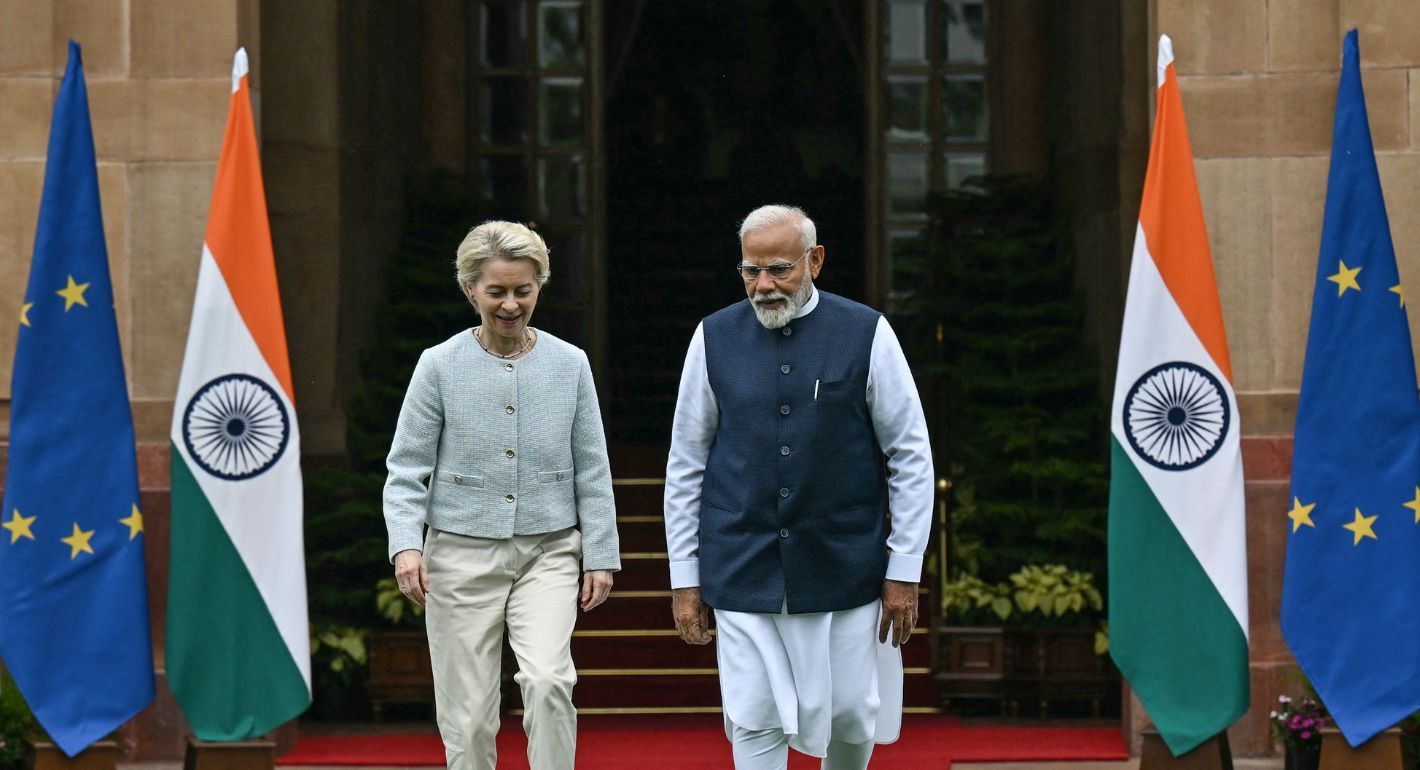
This article argues that the geopolitical circumstances have never been more conducive, not merely for the early conclusion of the free trade agreement (FTA) between India and the EU, but also for crafting a substantive and comprehensive strategic partnership.
Mohan Kumar
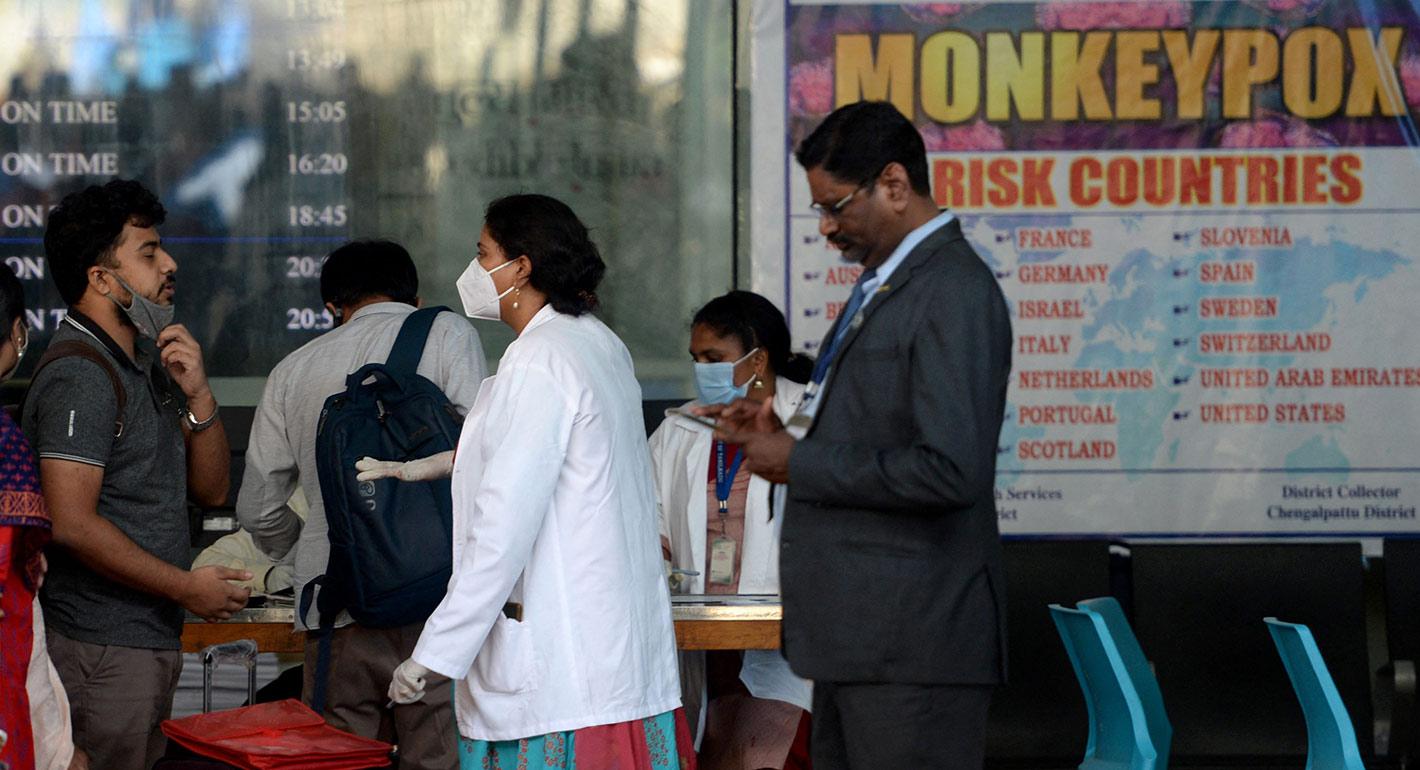
With monkeypox being declared a global health emergency, the WHO approach is an innovative and effective way to curb outbreaks of zoonotic diseases.

Shruti Sharma